Part 1: Introduction and Overview
The Mazda CX-50 has become a standout option in the competitive compact SUV market, seamlessly blending Mazda's signature sporty handling with practicality and rugged appeal. Launched as a bolder alternative to the beloved Mazda CX-5, the CX-50 was designed to cater to adventure seekers and urban dwellers alike. Its wide stance, sharp design language, and premium interior make it a compelling choice for anyone seeking a balance between style, capability, and performance.
As we move into 2025, Mazda continues to refine the CX-50, addressing feedback from previous models and keeping pace with evolving customer demands. With the addition of new trims, advanced technology, and enhanced efficiency, the 2025 Mazda CX-50 promises to elevate the experience for drivers and passengers.
A New Chapter in Mazda’s SUV Lineup
Introduced in 2022, the Mazda CX-50 was designed to fill a unique gap in Mazda’s lineup. While the CX-5 remains one of the brand's most popular offerings, the CX-50 caters to those who crave a more adventurous aesthetic and off-road capability. Built on Mazda's Small Wide platform, which it shares with the Mazda3 and CX-30, the CX-50 maintains Mazda's renowned driving dynamics while introducing new features aimed at outdoor enthusiasts.
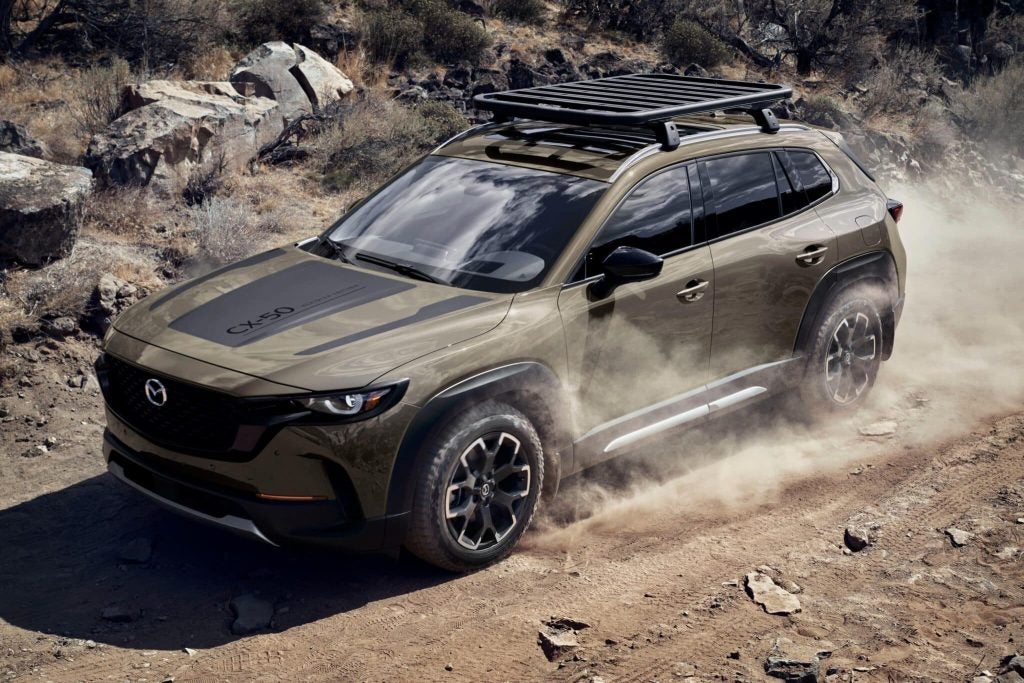
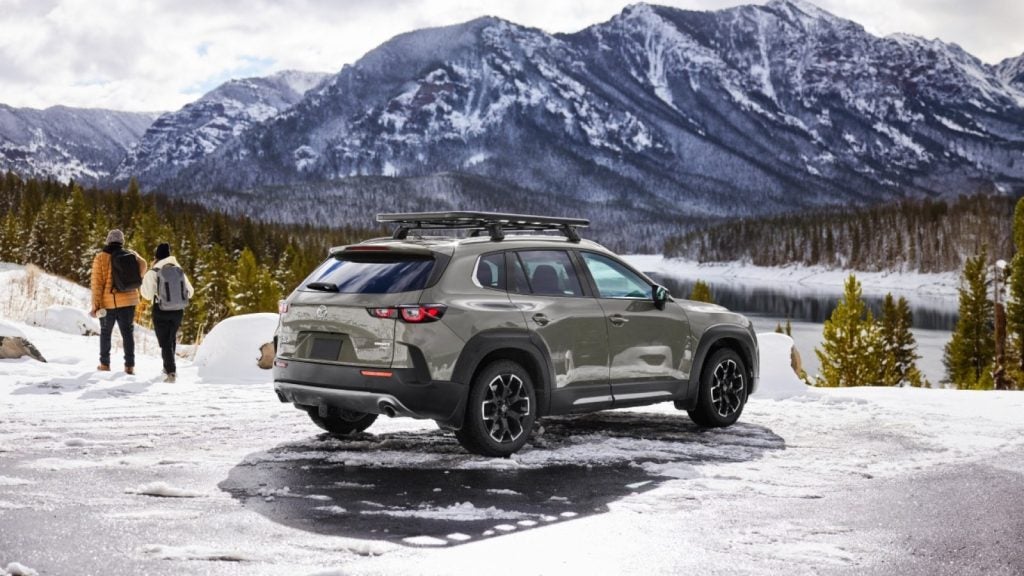
With rugged trims like the Turbo Meridian Edition, the CX-50 not only looks ready for adventure but also incorporates hardware to handle light off-road tasks. Yet, even with this rugged ethos, the CX-50 does not compromise on refinement, offering an interior that rivals more premium brands.
Why the Mazda CX-50 Stands Out
Several factors contribute to the CX-50's growing popularity:
- Design Philosophy: The CX-50 embraces Mazda's "Kodo: Soul of Motion" design philosophy but with a more aggressive twist. Its wider stance, elongated hood, and sculpted body panels convey strength and elegance simultaneously.
- Driving Dynamics: Staying true to Mazda’s DNA, the CX-50 delivers an engaging driving experience, making it one of the most fun-to-drive SUVs in its class.
- Versatility: While it boasts a rugged exterior, the CX-50 is equally at home in the city, offering excellent comfort and technology for everyday use.
What to Expect in This Article
This comprehensive review will delve into every aspect of the Mazda CX-50, focusing on the following key areas:
- A detailed breakdown of the 2025 model, highlighting new features and improvements over the 2024 version.
- A comparison of trims and pricing, with insights into what each variant offers.
- An in-depth look at the interior, technology, and comfort, including feedback from real users and reviews.
- A discussion on the performance and reliability of the CX-50, including both gas and hybrid variants.
- A brief overview of competitors, examining how the CX-50 stacks up against alternatives like the Honda CR-V, Toyota RAV4, and Subaru Forester.
In the sections that follow, we will explore how Mazda has tailored the CX-50 to meet the needs of modern SUV buyers and whether it lives up to its reputation as a standout in its segment.
Part 2: The 2025 Model – What’s New?
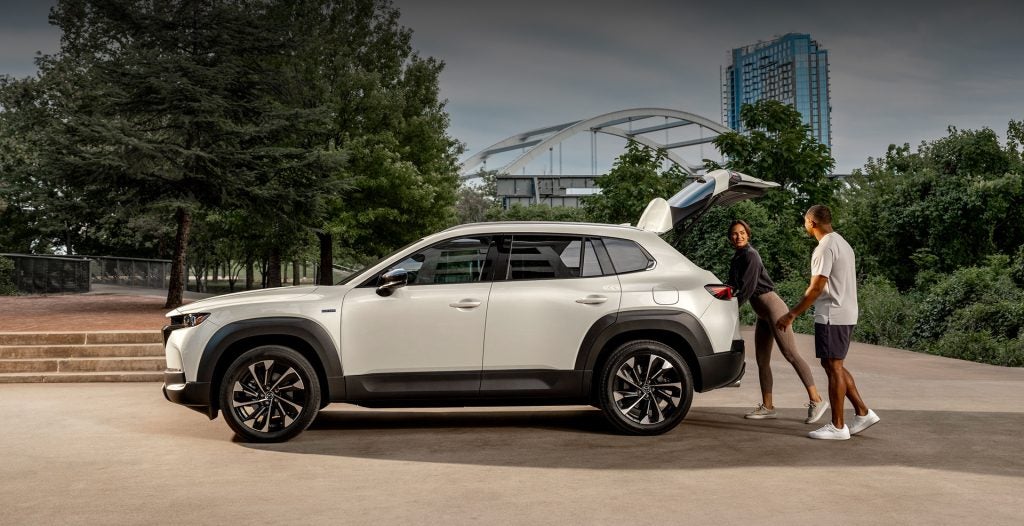
Mazda has consistently refined the CX-50 to keep it competitive and in line with customer expectations. The 2025 Mazda CX-50 introduces several updates that not only enhance its appeal but also address feedback from the 2024 model. With new powertrain options, improved safety features, and added value across trims, the 2025 CX-50 cements itself as one of the most versatile compact SUVs on the market.
1. Addition of a Hybrid Powertrain
One of the most significant changes for the 2025 Mazda CX-50 is the introduction of a hybrid powertrain. This move brings Mazda into the growing hybrid market and caters to eco-conscious buyers looking for better fuel efficiency without sacrificing performance. The hybrid setup combines a 2.5-liter four-cylinder gasoline engine with three electric motors, delivering a combined 219 horsepower. This system, developed in collaboration with Toyota, promises excellent fuel efficiency, with an EPA-estimated 38 mpg combined.
The hybrid option is particularly exciting because it maintains Mazda's characteristic driving dynamics while offering smoother acceleration and quieter operation. It also includes regenerative braking, which enhances efficiency during stop-and-go traffic.
2. Enhanced Safety Features
Mazda’s i-Activsense safety suite has been updated for the 2025 CX-50. New features include:
- Rear-Seat Reminder: Alerts the driver to check the back seat for passengers or belongings before exiting the vehicle.
- Vehicle Exit Warning: Warns occupants of approaching vehicles or cyclists before opening doors.
- Enhanced Smart Brake Support: Now includes nighttime pedestrian detection and improved head-on collision mitigation.
These updates further solidify the CX-50’s reputation as one of the safest options in the compact SUV category.
3. Improved Standard Features Across Trims
Mazda has also focused on adding more value to the CX-50 by enhancing the standard features on lower trims. Highlights include:
- Wireless Apple CarPlay and Android Auto, which were previously reserved for higher trims.
- Additional USB-C ports for rear-seat passengers.
- A more intuitive infotainment interface with improved responsiveness.
These updates make even the base trims feel more premium, ensuring that buyers get excellent value for their money.
4. Subtle Design Tweaks
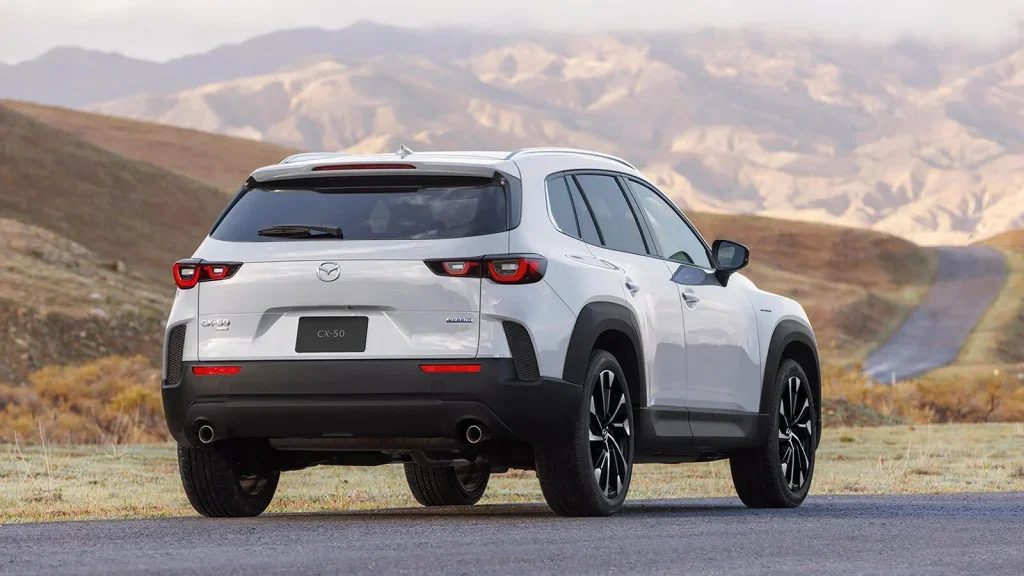
While the 2025 CX-50 retains the rugged and elegant design language of its predecessor, Mazda has made minor refinements to enhance aerodynamics and improve visibility. The grille and headlights have been slightly reshaped for a sleeker appearance, while new alloy wheel designs are available across the trim lineup. These changes may not be immediately noticeable, but they contribute to the overall refinement of the vehicle.
5. New Meridian Package Features
For buyers seeking a more adventure-ready CX-50, the Turbo Meridian Edition has received a few updates:
- Redesigned 18-inch alloy wheels wrapped in all-terrain tires for improved off-road performance.
- A more durable roof rack system capable of supporting heavier loads.
- Exclusive exterior accents, including a new color option, Zircon Sand Metallic.
6. Technology Integration
The 2025 CX-50 introduces upgrades to its technology suite, ensuring it remains competitive in a segment where innovation is key. The updated infotainment system now features faster response times, better navigation graphics, and an optional head-up display (HUD) with traffic sign recognition on higher trims. Additionally, Mazda has improved voice command functionality, making it easier for drivers to control settings without distraction.
7. Reviews and Early Impressions
Initial reviews of the 2025 Mazda CX-50 have been overwhelmingly positive. Experts have praised the new hybrid option for its smoothness and fuel efficiency, while the enhanced safety features and standard equipment upgrades have received high marks. Here are some highlights:
- Car and Driver: "The hybrid powertrain feels right at home in the CX-50, delivering a refined driving experience with a noticeable bump in efficiency."
- MotorTrend: "Mazda has done an excellent job of making meaningful updates that enhance the CX-50’s appeal without straying too far from its core identity."
- Consumer Reports: "With improved safety, tech, and the addition of a hybrid option, the 2025 CX-50 is easily one of the best choices in its class."
How It Compares to the 2024 Model
The 2024 Mazda CX-50 was already well-regarded for its engaging driving dynamics and upscale interior, but it lacked a hybrid powertrain, which limited its appeal to eco-conscious buyers. Additionally, some consumers noted that certain desirable features were only available on higher trims, making the entry-level models less competitive. The 2025 model addresses these concerns with the following changes:
| Feature | 2024 CX-50 | 2025 CX-50 |
|---|---|---|
| Hybrid Option | Not Available | Available (Hybrid Preferred Trim) |
| Wireless Apple CarPlay/Android Auto | Higher Trims Only | Standard Across All Trims |
| Rear-Seat Reminder | Not Available | Standard |
| Fuel Economy | Up to 27 mpg combined | Up to 38 mpg combined (Hybrid) |
| Price Starting Point | $29,950 | $30,300 |
These updates not only enhance the overall value of the CX-50 but also make it a stronger competitor in a crowded segment.
Part 3: Trims, Pricing, and Features
The 2025 Mazda CX-50 offers a well-rounded lineup of trims, catering to a wide range of preferences, budgets, and driving needs. Each trim level builds on the previous one, adding premium features, advanced technology, or performance enhancements. This section provides a breakdown of the trims, pricing, and notable features, so buyers can choose the CX-50 that best fits their lifestyle.
Trim Levels and Pricing
The 2025 Mazda CX-50 comes in multiple trims, starting with the affordable yet feature-packed base model and culminating in the luxurious Turbo Premium Plus. Below is a detailed overview:
| Trim Level | Starting Price (USD) | Key Features |
|---|---|---|
| 2.5 S Select | $30,300 | LED headlights, 8.8-inch infotainment display, AWD, wireless Apple CarPlay/Android Auto |
| 2.5 S Preferred | $31,650 | Power liftgate, heated front seats, dual-zone climate control |
| 2.5 S Premium | $34,000 | Bose 12-speaker audio system, panoramic sunroof, leather-trimmed seats |
| Hybrid Preferred | $33,970 | Hybrid powertrain, heated seats, enhanced efficiency |
| 2.5 Turbo Meridian Edition | $40,800 | Turbocharged engine, all-terrain tires, rugged design elements |
| 2.5 Turbo Premium Plus | $43,300 | Surround-view camera, head-up display, ventilated front seats |
Trim-by-Trim Highlights
1. 2.5 S Select
The base model is anything but basic. It comes with a standard all-wheel-drive system, an 8.8-inch infotainment display, and Mazda's advanced safety suite (i-Activsense). Other features include LED headlights, push-button start, and a spacious cargo area. This trim is perfect for those who want practicality and comfort at an affordable price.
2. 2.5 S Preferred
This trim adds convenience features like a power liftgate for easy cargo access and heated front seats for those cold mornings. Dual-zone climate control ensures comfort for both driver and passengers.
3. 2.5 S Premium
The Premium trim takes luxury up a notch with leather-trimmed seats, a panoramic sunroof, and a Bose 12-speaker audio system. This is an excellent choice for buyers seeking a more upscale experience without stepping into the turbocharged models.
4. Hybrid Preferred
New for 2025, this trim introduces the hybrid powertrain, combining fuel efficiency with advanced comfort. With an estimated 38 mpg combined fuel economy, it’s a great option for eco-conscious drivers. It retains features like heated seats and adds unique hybrid badging.
5. 2.5 Turbo Meridian Edition
Built for adventure, the Meridian Edition is equipped with a turbocharged engine delivering 256 horsepower and 320 lb-ft of torque (using premium fuel). It features all-terrain tires, a beefed-up suspension system, and rugged styling, including exclusive color options like Zircon Sand Metallic.
6. 2.5 Turbo Premium Plus
The top-tier trim offers a premium experience with every bell and whistle Mazda has to offer. Features like ventilated front seats, a 360-degree surround-view camera, and a head-up display make this trim ideal for those who want the best of everything.
Optional Packages
Mazda also offers several optional packages to customize the CX-50 experience further:
- Meridian Apex Package: Includes roof-mounted crossbars, all-weather floor mats, and a reinforced roof rack system for outdoor gear.
- Premium Technology Package: Adds a wireless charging pad, adaptive LED headlights, and advanced navigation capabilities.
- Towing Package: Boosts towing capacity to 3,500 lbs and includes a trailer brake controller.
Value for Money
Mazda has strategically positioned the CX-50 to provide excellent value at every price point. Even the base model includes all-wheel drive and an advanced safety suite, features that are often optional in competitors like the Toyota RAV4 or Honda CR-V. Higher trims add luxury and performance, making the CX-50 a compelling alternative to more expensive premium SUVs.
Part 4: Interior, Technology, and Comfort
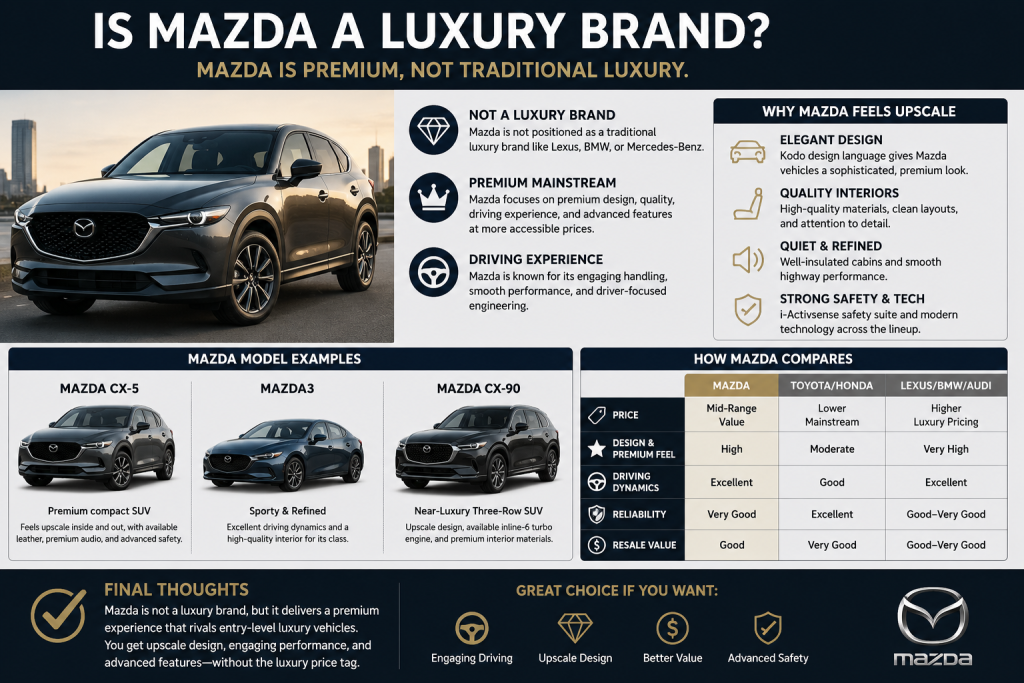
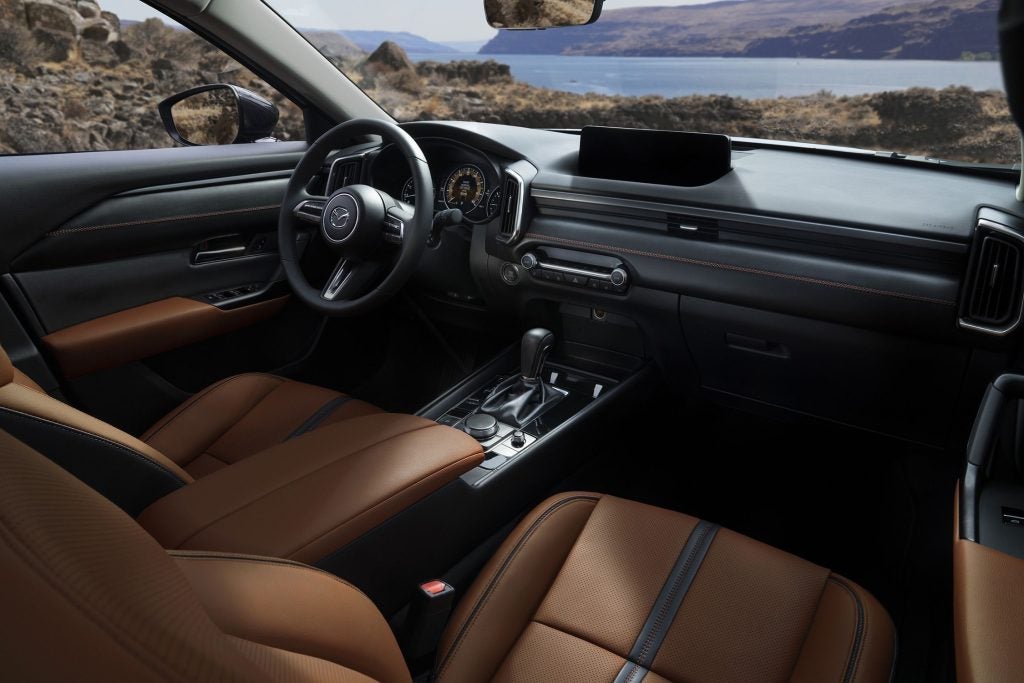
One of the standout qualities of the Mazda CX-50 is its interior, which reflects Mazda's commitment to craftsmanship and attention to detail. From the high-quality materials to the intuitive layout of its technology, the CX-50 delivers a premium experience that rivals even some luxury SUVs.
Interior Design and Layout
Mazda has infused the CX-50's cabin with a harmonious blend of elegance and functionality. Key design highlights include:
- Driver-Centric Layout: Mazda places the driver at the heart of the design, ensuring that controls are intuitive and within easy reach. The cockpit-style layout enhances the sense of connection between the driver and the vehicle.
- Premium Materials: Soft-touch surfaces, high-quality upholstery, and available leather trim create a sophisticated atmosphere. The stitching on the dashboard and seats adds a touch of refinement, especially in higher trims.
- Roomy Cabin: Despite its compact SUV classification, the CX-50 offers ample space for passengers and cargo. The wide stance and clever interior design provide a sense of openness and comfort.
Seating and Space
The CX-50 accommodates up to five passengers with supportive and well-padded seats. Highlights include:
- Front Seats: Heated seats are standard on most trims, with ventilated options available on higher trims like the Turbo Premium Plus.
- Rear Seats: The back seats offer generous legroom and headroom, making the CX-50 suitable for families or long road trips. Rear passengers also benefit from available USB ports and rear air vents.
- Cargo Space: The CX-50 provides 31.4 cubic feet of cargo space behind the rear seats, which expands to 56.3 cubic feet with the seats folded down. The flat loading floor and wide opening make it easy to stow large items.
Technology Features
Mazda’s approach to technology prioritizes simplicity and functionality. The CX-50 includes a suite of modern features that enhance convenience, connectivity, and entertainment.
- Infotainment System: The standard 10.25-inch display is sharp and responsive. While touchscreen functionality is limited, the rotary dial controller is precise and easy to use. Updates for 2025 have improved responsiveness and added more customization options.
- Wireless Connectivity: All trims come equipped with wireless Apple CarPlay and Android Auto, allowing seamless smartphone integration.
- Audio Systems: The base audio system delivers clear sound quality, but audiophiles will appreciate the available 12-speaker Bose premium sound system, which provides immersive, high-fidelity audio.
- Navigation and HUD: Higher trims offer built-in navigation and a head-up display (HUD) that projects key information like speed and navigation directions onto the windshield.
- Voice Commands: Improved voice recognition technology allows drivers to control navigation, music, and other functions without taking their hands off the wheel.
Comfort and Convenience
Mazda has prioritized occupant comfort in the CX-50, offering features that make every journey enjoyable:
- Climate Control: Dual-zone automatic climate control is standard on most trims, ensuring personalized comfort for the driver and passengers. Higher trims include rear-seat climate vents for added convenience.
- Panoramic Sunroof: The panoramic sunroof, available on the Premium trim and above, floods the cabin with natural light and enhances the sense of space.
- Quiet Cabin: Mazda has incorporated noise-reducing materials and design elements, resulting in a remarkably quiet cabin even at highway speeds.
- Ergonomic Design: From the shape of the seats to the placement of controls, the CX-50 is designed with ergonomics in mind, reducing fatigue on long drives.
User Reviews and Testimonials
Real-world user feedback highlights the CX-50's standout interior and technology features. Here’s what drivers are saying:
- Comfort: "The seats are incredibly supportive, and the cabin feels much more premium than other SUVs in this price range." – Car and Driver User Review.
- Technology: "The infotainment system is simple to use, and the wireless Apple CarPlay works seamlessly. The Bose audio system is a must-have!" – Consumer Reports.
- Space: "As a family of four, we appreciate the rear seat space and cargo room. It’s a great SUV for weekend getaways." – Edmunds Review.
Comparison with Competitors
While the CX-50 offers an upscale interior, it’s worth noting how it stacks up against its rivals:
- Honda CR-V: The CR-V offers a more conventional touchscreen interface, but its interior feels less luxurious compared to the CX-50’s materials and design.
- Toyota RAV4: The RAV4 provides similar technology features but lacks the premium feel of the CX-50’s cabin.
- Subaru Forester: The Forester offers excellent space and visibility, but its interior design leans more towards practicality than refinement.
Part 5: Performance, Reliability, and Driving Experience
The Mazda CX-50 has carved out a niche for itself as a compact SUV that doesn't just prioritize practicality but also delivers a spirited driving experience. Mazda’s renowned focus on driving dynamics, combined with its attention to reliability, makes the CX-50 a standout in its class. In this section, we’ll explore the CX-50’s powertrains, handling, reliability ratings, and overall driving experience.
Performance
The 2025 Mazda CX-50 offers a range of powertrains designed to suit different driving preferences. Whether you're a casual commuter or an adventurous off-road enthusiast, there’s an option for you.
1. Standard Engine: 2.5-Liter Inline-Four
- Power Output: 187 horsepower and 186 lb-ft of torque.
- Transmission: Paired with a six-speed automatic transmission, this engine delivers smooth shifts and a balanced performance for everyday driving.
- Efficiency: EPA-estimated fuel economy is 24 mpg city / 30 mpg highway.
2. Turbocharged Engine: 2.5-Liter Turbocharged Inline-Four
- Power Output: 256 horsepower and 320 lb-ft of torque (using premium fuel; slightly lower on regular fuel).
- Performance: This engine is ideal for those who prioritize acceleration and towing capability, offering a more exhilarating driving experience.
- Towing Capacity: Up to 3,500 lbs, making it suitable for small trailers or recreational equipment.
3. New Hybrid Powertrain
- Power Output: 219 combined horsepower from a 2.5-liter engine and three electric motors.
- Fuel Efficiency: Achieves an EPA-estimated 38 mpg combined, making it the most efficient CX-50 option.
- Driving Feel: The hybrid system provides a smooth and quiet ride, with instant torque delivery during acceleration.
Driving Dynamics
Mazda’s commitment to creating vehicles that are fun to drive is evident in the CX-50. Key highlights include:
- Responsive Steering: The CX-50’s steering is precise and well-weighted, giving drivers confidence on winding roads or during lane changes.
- i-Activ AWD: Standard on all trims, this all-wheel-drive system intelligently adjusts torque distribution to maximize grip and efficiency. It’s particularly useful in adverse weather conditions or light off-road scenarios.
- Driving Modes: The CX-50 features selectable drive modes, including Sport, Normal, and Off-Road (available on higher trims). These modes alter throttle response, shift patterns, and traction settings to match your driving environment.
- Suspension Tuning: The CX-50 strikes a perfect balance between comfort and sportiness, absorbing road imperfections while remaining composed during spirited driving.
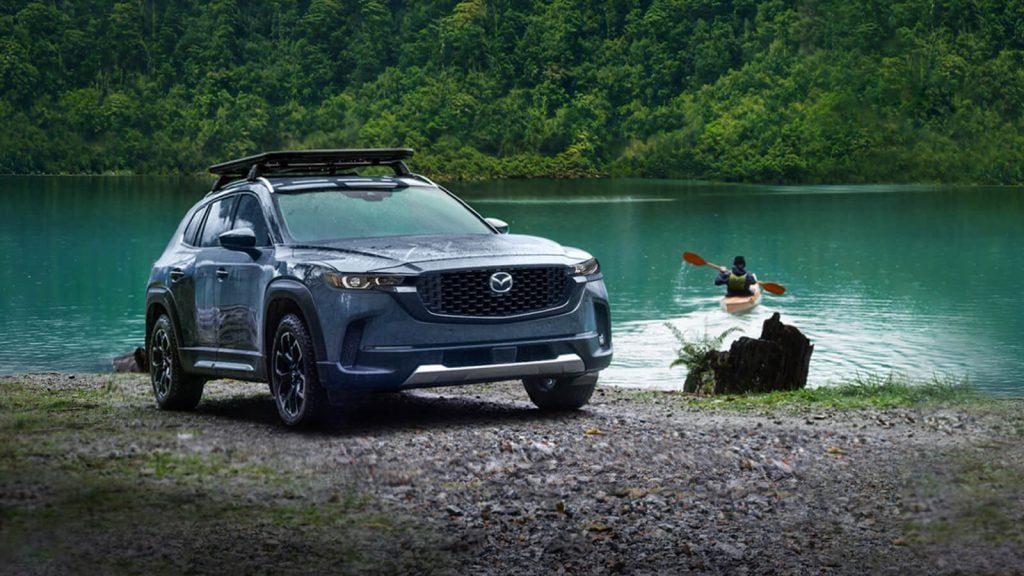
Off-Road Capabilities While the CX-50 isn’t a hardcore off-roader, trims like the Turbo Meridian Edition include all-terrain tires, a higher ground clearance, and off-road-tuned features, making it suitable for tackling unpaved trails and mild obstacles.
Reliability
Mazda has built a reputation for producing reliable vehicles, and the CX-50 continues this tradition. Key points include:
- Reliability Ratings: The 2024 CX-50 received high marks from organizations like J.D. Power and Consumer Reports for dependability and owner satisfaction. The 2025 model is expected to perform similarly.
- Warranty Coverage:
- Limited Warranty: 3 years or 36,000 miles.
- Powertrain Warranty: 5 years or 60,000 miles.
- Hybrid Components: Additional coverage of up to 8 years or 100,000 miles for the hybrid battery.
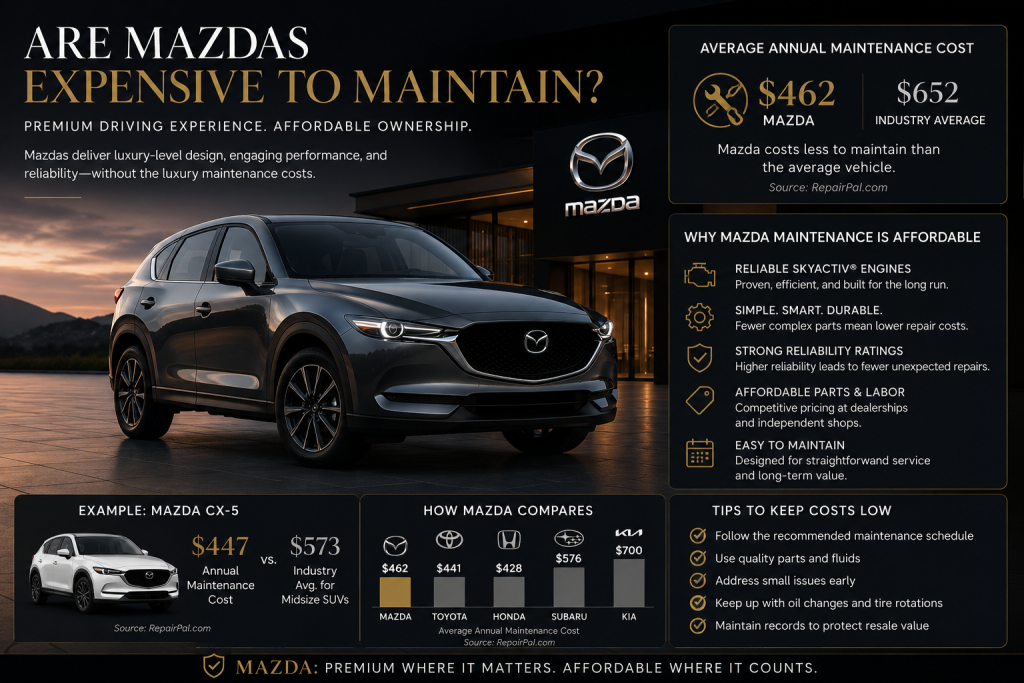
- Maintenance: Owners report that Mazda vehicles tend to have low maintenance costs compared to other brands in the same class.
Driving Experience
Owners and reviewers alike often emphasize the unique driving experience offered by the CX-50. Here are some insights:
- City Driving: The CX-50’s compact dimensions make it easy to maneuver in urban settings, while its suspension smooths out potholes and rough pavement.
- Highway Comfort: At higher speeds, the CX-50 remains quiet and stable. The turbocharged engine, in particular, provides confident passing power.
- Light Off-Roading: While not as rugged as some competitors like the Subaru Forester Wilderness, the CX-50 handles dirt roads and shallow trails with ease. Features like hill descent control and off-road mode add to its versatility.
- User Testimonials:
- “The CX-50 feels like a sports car in an SUV body. It’s responsive, agile, and genuinely fun to drive.” – MotorTrend User Review.
- “I bought the hybrid model, and I’m blown away by how smooth and quiet it is. Perfect for my daily commute.” – Edmunds Review.
Competitor Comparison: Driving and Performance
To understand where the CX-50 stands, here’s a comparison with key rivals:
| Model | Base Engine Output | Turbo Option | Hybrid Option | AWD | Driving Dynamics |
|---|---|---|---|---|---|
| Mazda CX-50 | 187 hp | 256 hp (optional) | Available (219 hp) | Standard | Engaging and sporty |
| Honda CR-V | 190 hp | N/A | Standard (204 hp) | Standard (Hybrid) | Smooth but less engaging |
| Toyota RAV4 | 203 hp | N/A | Standard (219 hp) | Optional | Balanced but not as sporty |
| Subaru Forester | 182 hp | N/A | N/A | Standard | Excellent for off-road enthusiasts |
Summary of Performance and Reliability
The 2025 Mazda CX-50 stands out in its class thanks to its engaging driving dynamics, a range of powertrain options (including a hybrid), and a strong reputation for reliability. Whether you’re looking for a fuel-efficient commuter or a spirited SUV with off-road capability, the CX-50 delivers a well-rounded experience.
Part 6: Brief Overview of Competitors and Final Thoughts
The compact SUV market is fiercely competitive, with numerous models vying for consumer attention. While the Mazda CX-50 has carved out a strong position thanks to its engaging driving dynamics, premium interior, and versatile features, it’s essential to see how it measures up against key competitors like the Honda CR-V, Toyota RAV4, Subaru Forester, and Hyundai Tucson.
Overview of Competitors
Here’s a look at how the CX-50 compares to its rivals:
1. Honda CR-V
- Strengths: Exceptional reliability, spacious interior, and an efficient hybrid option as standard in 2024 models.
- Drawbacks: While smooth, the CR-V’s driving experience lacks the sporty edge of the CX-50. Its interior design is practical but less premium.
- Comparison: The CR-V may appeal to buyers seeking efficiency and practicality, but the CX-50 offers a more refined and dynamic driving experience.
2. Toyota RAV4
- Strengths: A proven all-rounder with excellent fuel economy, reliability, and strong resale value. The hybrid model is a top choice in this class.
- Drawbacks: The RAV4’s cabin feels less upscale than the CX-50’s, and its handling isn’t as engaging.
- Comparison: The CX-50 is better suited for buyers who prioritize driving enjoyment and a more luxurious interior.
3. Subaru Forester
- Strengths: Standard AWD, excellent visibility, and robust off-road capability, particularly in the Wilderness trim.
- Drawbacks: The Forester’s engine feels underpowered compared to the CX-50’s turbocharged option, and its design leans more toward practicality than style.
- Comparison: For those who prioritize off-road adventures, the Forester may be a better choice. However, the CX-50 offers a more balanced blend of ruggedness and refinement.
4. Hyundai Tucson
- Strengths: Bold styling, a wide range of tech features, and a strong hybrid option.
- Drawbacks: The Tucson’s handling doesn’t match the sporty nature of the CX-50, and its interior materials feel less premium.
- Comparison: The Tucson offers great value and cutting-edge design, but the CX-50 edges it out in terms of driving dynamics and overall quality.
Key Areas Where the Mazda CX-50 Excels
- Driving Dynamics: Few compact SUVs can match the CX-50’s engaging and sporty driving feel, making it a joy for those who enjoy being behind the wheel.
- Interior Quality: The CX-50’s cabin stands out with premium materials and thoughtful design, rivaling more expensive luxury SUVs.
- Hybrid Option: The addition of a hybrid powertrain in 2025 makes the CX-50 a stronger competitor against eco-friendly models like the Toyota RAV4 Hybrid and Honda CR-V Hybrid.
- Versatility: With trims like the Turbo Meridian Edition, the CX-50 caters to both urban commuters and adventure enthusiasts.
Final Thoughts
The 2025 Mazda CX-50 successfully builds on the strengths of its predecessors, addressing consumer feedback while staying true to Mazda’s core values of craftsmanship and driving enjoyment. Whether you’re looking for a reliable daily driver, a fuel-efficient hybrid, or an adventurous SUV for weekend getaways, the CX-50 delivers on all fronts.
With a starting price that offers great value and a range of trims to suit different lifestyles, the CX-50 is a compelling choice in the crowded compact SUV segment. Its ability to blend style, performance, and practicality ensures it will remain a top contender for years to come.
Why Choose the Mazda CX-50?
- If you’re seeking an SUV that prioritizes driving engagement without compromising on comfort and utility, the Mazda CX-50 is an excellent choice. For 2025, the addition of a hybrid powertrain and enhanced safety features make it even more appealing. Whether competing with popular rivals like the Toyota RAV4 or offering a more premium alternative to the Honda CR-V, the CX-50 proves it’s more than capable of holding its own.
10 Frequently Asked Questions (FAQs) About the Mazda CX-50
1. What is the price range for the 2025 Mazda CX-50?
The 2025 Mazda CX-50 starts at $30,300 for the base 2.5 S Select trim and goes up to $43,300 for the top-tier 2.5 Turbo Premium Plus trim. The newly introduced Hybrid Preferred trim starts at $33,970, providing an eco-friendly option in the lineup.
2. Does the 2025 Mazda CX-50 have a hybrid option?
Yes, the 2025 Mazda CX-50 offers a hybrid powertrain for the first time. The Hybrid Preferred trim features a 2.5-liter engine paired with three electric motors, delivering 219 horsepower and an EPA-estimated 38 mpg combined.
3. What are the key updates in the 2025 Mazda CX-50 compared to the 2024 model?
The 2025 CX-50 introduces a hybrid powertrain, enhanced safety features (like rear-seat reminder and vehicle exit warning), and improved standard features such as wireless Apple CarPlay and Android Auto across all trims. Minor design tweaks and upgraded technology also enhance its overall appeal.
4. Is the Mazda CX-50 good for off-road adventures?
Yes, the Mazda CX-50 is capable of light off-roading, especially in the Turbo Meridian Edition trim. It features all-terrain tires, a higher ground clearance, and an off-road driving mode, making it suitable for unpaved trails and rugged terrains.
5. How does the Mazda CX-50 compare to the Mazda CX-5?
While both SUVs share similar dimensions, the CX-50 has a wider stance and a more rugged design, catering to adventure enthusiasts. The CX-5 leans more toward urban use with its sleeker, more traditional styling. The CX-50 also offers unique trims like the Turbo Meridian Edition for off-road capability.
6. What is the towing capacity of the Mazda CX-50?
The Mazda CX-50 offers a maximum towing capacity of 3,500 lbs when equipped with the turbocharged engine and the available towing package. This makes it suitable for towing small trailers, boats, or recreational equipment.
7. How reliable is the Mazda CX-50?
The Mazda CX-50 has a strong reputation for reliability, supported by high ratings from organizations like J.D. Power and Consumer Reports. It also comes with a comprehensive warranty, including a 5-year/60,000-mile powertrain warranty and 8-year/100,000-mile hybrid battery coverage for the hybrid model.
8. What safety features does the 2025 Mazda CX-50 offer?
The 2025 CX-50 includes Mazda's i-Activsense suite, featuring advanced safety features such as Smart Brake Support, blind-spot monitoring, adaptive cruise control, lane-keeping assist, rear-seat reminder, and vehicle exit warning. Higher trims also offer a surround-view camera and traffic sign recognition.
9. Is the Mazda CX-50 fuel-efficient?
Yes, the CX-50 is fuel-efficient for its class. The base 2.5-liter engine achieves up to 30 mpg highway, while the hybrid powertrain offers an impressive 38 mpg combined. Even the turbocharged engine delivers competitive fuel economy for a performance-oriented option.
10. How does the Mazda CX-50 compare to its competitors?
The CX-50 stands out with its sporty driving dynamics, upscale interior, and versatility. It competes with models like the Honda CR-V, Toyota RAV4, Subaru Forester, and Hyundai Tucson. While the CR-V and RAV4 excel in practicality and efficiency, the CX-50 offers a more engaging driving experience and a premium feel.