The Mazda3 has been a cornerstone of the compact car market for decades, offering a combination of style, performance, and practicality that’s hard to beat. Whether you’re drawn to its sleek design, cutting-edge technology, or reputation for reliability, the Mazda3 delivers a premium driving experience at an accessible price point. With the arrival of the 2025 Mazda3, Mazda continues to set benchmarks in the segment, blending its signature “Jinba Ittai” philosophy with modern innovations.
In this comprehensive guide, we’ll explore everything you need to know about the Mazda3, including its history, trims, pricing, technology, interior, reliability, and how it stacks up against competitors. We’ll also dedicate a special section to the 2025 Mazda3, detailing what makes this year’s model a standout.
Introduction: Why the Mazda3 Stands Out
The Mazda3 is not just another compact car—it’s a statement of Mazda’s commitment to creating vehicles that are as fun to drive as they are functional. Known for its engaging performance, upscale interior, and exceptional reliability, the Mazda3 appeals to a wide range of drivers, from first-time buyers to enthusiasts who appreciate finely tuned handling.
Mazda’s Philosophy: Jinba Ittai
At the heart of every Mazda vehicle, including the Mazda3, is the “Jinba Ittai” philosophy, which translates to “horse and rider as one.” This principle emphasizes creating a harmonious connection between the driver and the car, ensuring a responsive and intuitive driving experience.
A Brief Overview of the Mazda3’s Legacy
First introduced in 2003, the Mazda3 quickly became a fan favorite in the compact car market, replacing the Mazda 323/Protegé. Over the years, it has evolved through four generations, each one building on Mazda’s core principles of innovation, performance, and design.
- 1st Generation (2003-2008): The debut model wowed drivers with its sporty styling and responsive handling.
- 2nd Generation (2009-2013): Introduced enhanced technology and fuel efficiency.
- 3rd Generation (2014-2018): Elevated the interior quality and debuted Skyactiv technology.
- 4th Generation (2019-present): Focused on premium materials, refined design, and cutting-edge technology.
With the 2025 model, the Mazda3 continues to push boundaries, delivering a compact car experience that rivals luxury vehicles.
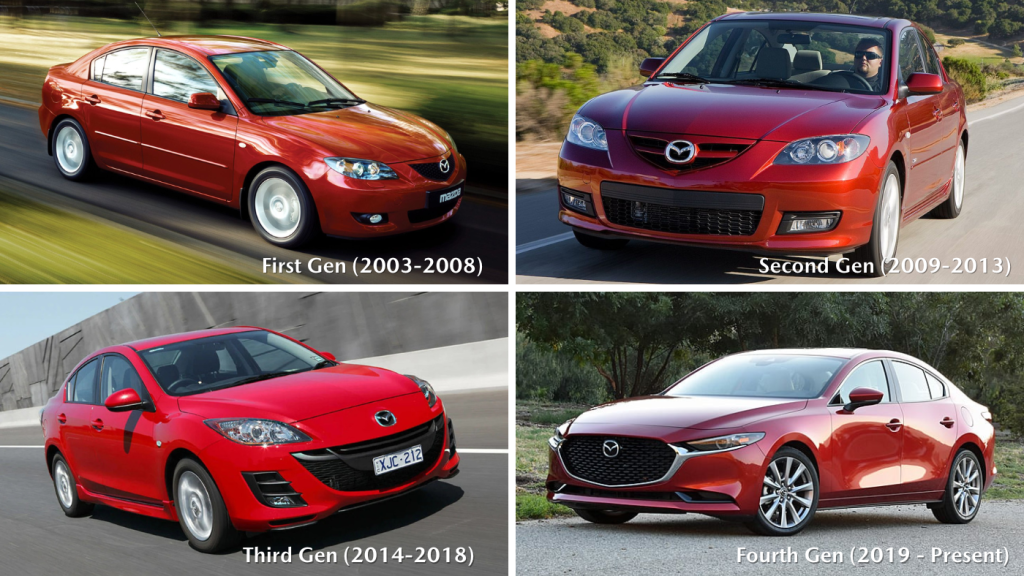
History of the Mazda3 – From Humble Beginnings to a Global Icon
The Mazda3 has an impressive legacy that spans two decades, consistently redefining what a compact car can offer. From its inception in 2003 to the cutting-edge 2025 model, the Mazda3 has evolved to meet the demands of drivers seeking style, performance, and reliability in a single package. Let’s take a closer look at the history of the Mazda3 and how it became one of Mazda’s most beloved models.
The Birth of the Mazda3 (2003-2008)
The first-generation Mazda3, also known as the BK model, debuted in 2003 as a replacement for the Mazda 323/Protegé. It was built on the Ford C1 platform, sharing some architecture with the Ford Focus and Volvo S40.
Key Highlights:
- Design: The sporty, youthful design was a departure from the more conservative styling of its predecessors.
- Performance: A range of engine options, including a 2.3L inline-4, provided punchy acceleration for its class.
- Reception: Critics praised the Mazda3 for its responsive handling and engaging driving dynamics, instantly making it a standout in the compact car market.
Second Generation (2009-2013)
The second generation, known as the BL model, saw Mazda refining the formula that made the first-generation a success. It emphasized fuel efficiency and interior comfort without sacrificing the sporty essence of the car.
What Changed?
- Introduction of Skyactiv Technology: Late in this generation, Mazda began introducing its revolutionary Skyactiv technology, aimed at improving fuel efficiency and performance.
- Improved Interiors: The cabin materials and layout were upgraded, providing a more premium feel.
- Updated Styling: While maintaining its sporty character, the second-generation Mazda3 adopted a more mature look.
Fun Fact: The 2010 Mazda3 introduced the now-iconic “smiley face” grille, a design choice that divided opinions but became instantly recognizable.
Third Generation (2014-2018)
With the launch of the BM/BN model, Mazda took the Mazda3 into the modern era, focusing on innovation and premium features. This generation marked a significant leap in quality, particularly in its interior and technology offerings.
Key Features:
- Skyactiv-G and Skyactiv-D Engines: Enhanced performance and efficiency became a hallmark of the Mazda3 during this period.
- Mazda Connect: The infotainment system, introduced in this generation, featured a sleek interface controlled by a rotary dial.
- Kodo Design Language: The exterior design adopted Mazda’s now-signature “Kodo: Soul of Motion” philosophy, characterized by flowing lines and a dynamic stance.
Notable Recognition: The third-generation Mazda3 was consistently ranked as one of the best compact cars by critics and earned a place on many “Best Buy” lists.
Fourth Generation (2019-Present)
The current generation of the Mazda3 represents the pinnacle of Mazda’s compact car design and engineering. With a focus on luxury, performance, and cutting-edge technology, the Mazda3 has moved closer to premium offerings while maintaining its approachable price point.
Highlights of the Fourth Generation:
- Premium Interior: High-quality materials, like leather and suede accents, bring a touch of luxury.
- Available Turbocharged Engine: Introduced in 2021, the 2.5L turbocharged engine offers up to 250 horsepower, making the Mazda3 one of the quickest cars in its class.
- AWD Option: The addition of all-wheel drive makes the Mazda3 a versatile choice for drivers in regions with challenging weather.
Global Impact:
- Sold in over 120 countries, the Mazda3 has become a global best-seller, beloved for its dependability and style.
- Mazda celebrated reaching the milestone of 6 million Mazda3s sold worldwide during this generation.
The Evolution Continues: Enter the 2025 Mazda3
The 2025 Mazda3 builds on this incredible legacy, offering a refined driving experience, state-of-the-art technology, and Mazda’s commitment to reliability. With updates to its design, features, and performance, the 2025 model is set to reinforce the Mazda3’s reputation as one of the best compact cars available.
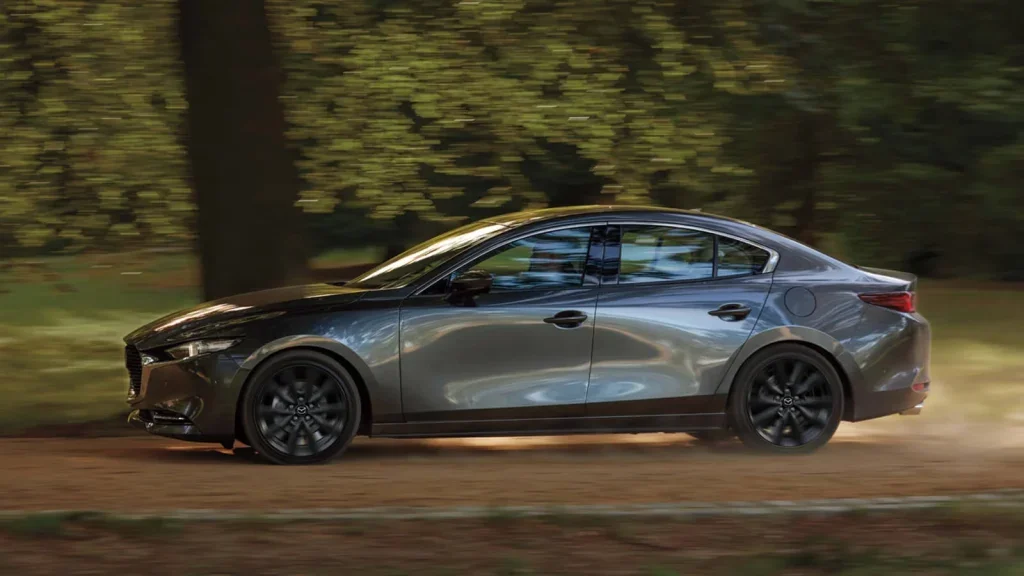
Trims and Pricing – Tailored to Every Driver
The Mazda3 has always been celebrated for its ability to cater to a wide range of drivers, thanks to its diverse trim options and competitive pricing. Whether you’re looking for a budget-friendly daily commuter or a performance-packed turbocharged hatchback, there’s a Mazda3 trim designed just for you.
Let’s break down the trims, pricing, and key features available for the Mazda3 lineup, including both sedan and hatchback models.
Trims Overview: Mazda3 Sedan and Hatchback
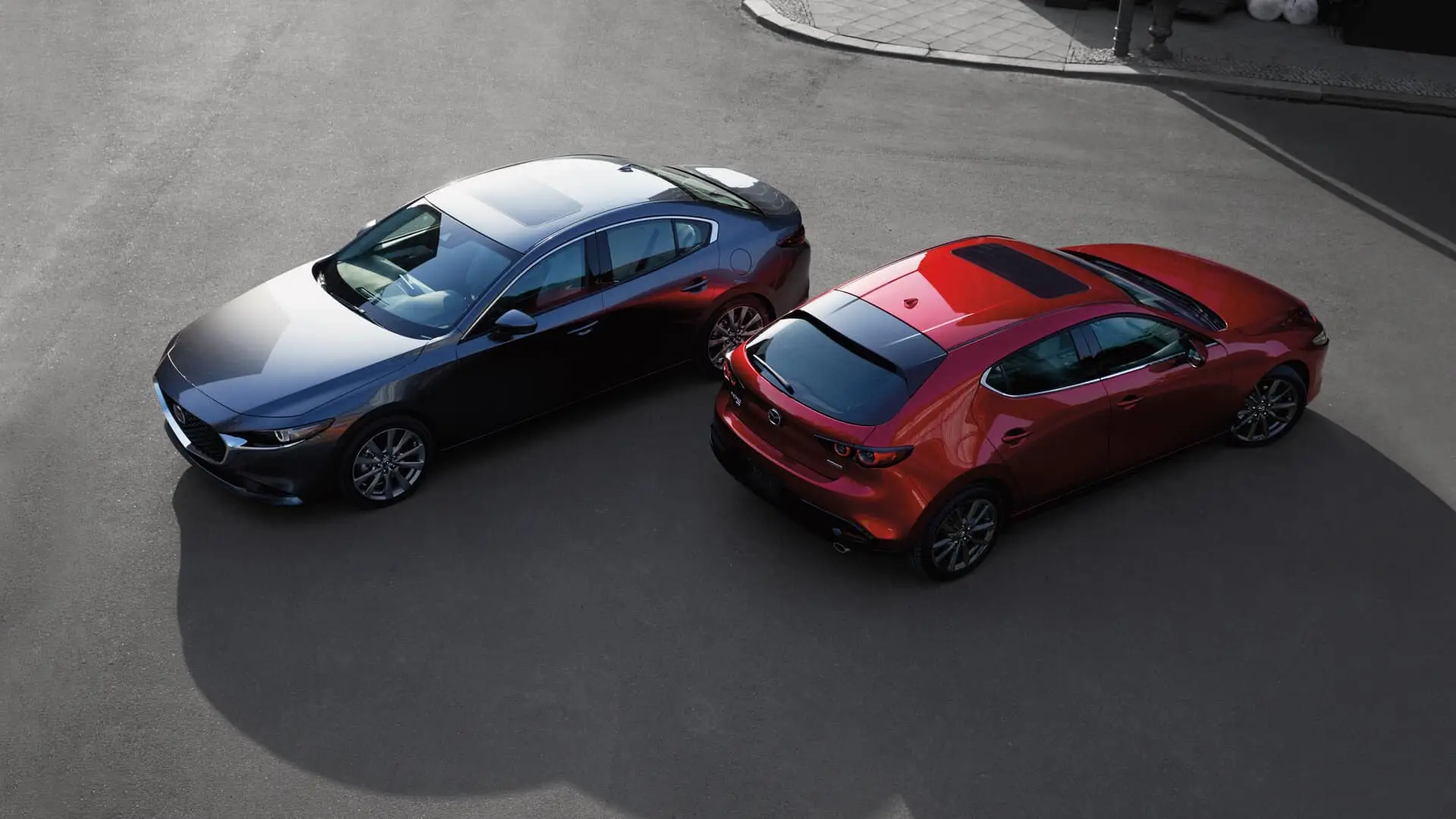
The Mazda3 is available in two distinct body styles: sedan and hatchback. Both share the same platform and features but cater to different preferences. The sedan offers a more traditional, elegant profile, while the hatchback delivers added versatility and a sporty flair.
1. Base Trim (2.5 S)
- Starting Price: $23,715 (Sedan) | $24,615 (Hatchback)
- Key Features:
- 2.5L Skyactiv-G engine with 191 horsepower.
- 16-inch alloy wheels.
- 8.8-inch infotainment display with Apple CarPlay™ and Android Auto™.
- Push-button start and remote keyless entry.
- Mazda’s advanced i-Activsense® safety suite, including adaptive cruise control and lane-keeping assist.
2. Select Trim
- Starting Price: $25,915 (Sedan) | $26,815 (Hatchback)
- Additional Features:
- 18-inch alloy wheels for a sportier look.
- Dual-zone automatic climate control.
- Leatherette-trimmed seats for added comfort.
- Blind-spot monitoring and rear cross-traffic alert.
3. Preferred Trim
- Starting Price: $27,715 (Sedan) | $28,615 (Hatchback)
- Additional Features:
- Power-adjustable driver’s seat with memory settings.
- Heated front seats for cold-weather comfort.
- Premium interior finishes, including a leather-wrapped steering wheel.
- A moonroof to let in natural light.
4. Carbon Edition (Unique Trim)
- Starting Price: $28,415 (Sedan) | $29,415 (Hatchback)
- Distinct Features:
- Polymetal Gray exterior paint exclusive to this trim.
- Red leather upholstery for a bold, luxurious interior.
- Black-painted alloy wheels and side mirrors for a striking appearance.
- Bose® 12-speaker premium audio system.
5. Premium Trim
- Starting Price: $30,215 (Sedan) | $31,115 (Hatchback)
- Top Features:
- Full leather upholstery for a luxury feel.
- Heads-up display with traffic sign recognition.
- Integrated navigation system.
- Paddle shifters for a sportier driving experience.
6. Turbo Trims (Turbo and Turbo Premium Plus)
For those craving performance, the turbocharged trims are the pinnacle of the Mazda3 lineup.
- Turbo:
- Starting Price: $33,515 (Sedan) | $34,415 (Hatchback)
- 2.5L turbocharged engine with up to 250 horsepower and 320 lb-ft of torque.
- All-wheel drive for superior handling and grip.
- Black grille and glossy black accents for a sporty aesthetic.
- Turbo Premium Plus:
- Starting Price: $36,365 (Sedan) | $37,265 (Hatchback)
- Features from the Premium trim plus:
- Adaptive front lighting system.
- 360-degree view monitor for easier parking.
- Rear smart brake support for added safety.
- Premium interior touches, including perforated leather seating.
What’s the Difference Between Sedan and Hatchback Pricing?
The Mazda3 Hatchback is generally priced about $900 more than its sedan counterpart, reflecting its additional cargo space and sportier design. This price difference is consistent across trims.
Pricing Summary
| Trim | Sedan Starting Price | Hatchback Starting Price |
|---|---|---|
| 2.5 S | $23,715 | $24,615 |
| Select | $25,915 | $26,815 |
| Preferred | $27,715 | $28,615 |
| Carbon Edition | $28,415 | $29,415 |
| Premium | $30,215 | $31,115 |
| Turbo | $33,515 | $34,415 |
| Turbo Premium Plus | $36,365 | $37,265 |
Which Trim Is Right for You?
- Budget-Friendly: The Base (2.5 S) trim provides excellent value for drivers looking for a reliable, stylish compact car with essential features.
- Luxury Seekers: The Premium trim offers a near-luxury experience with leather seating and advanced technology.
- Performance Enthusiasts: The Turbo Premium Plus trim delivers high-end performance and AWD capability, making it perfect for spirited drives and all-weather conditions.
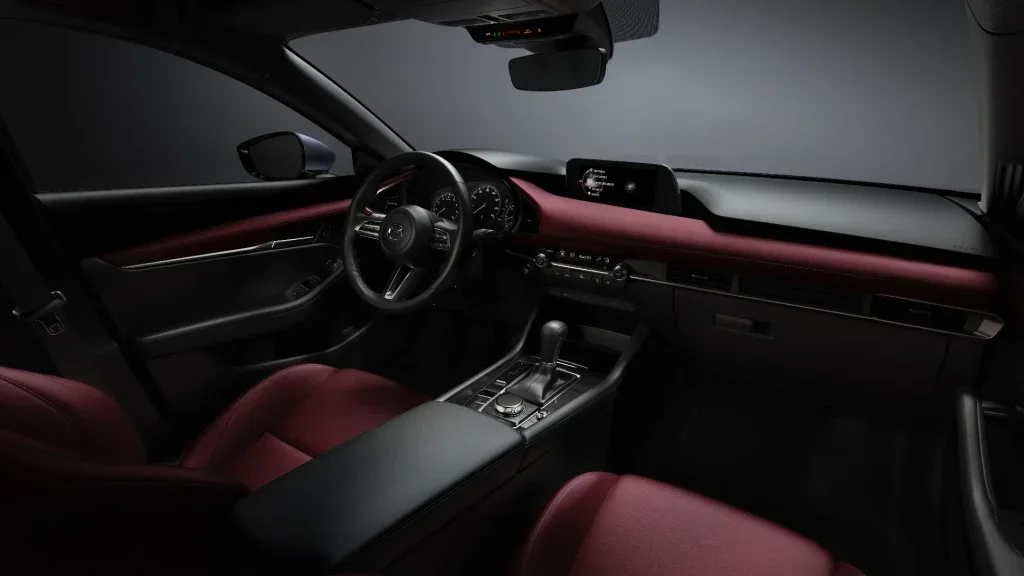
Interior and Technology – Where Comfort Meets Innovation
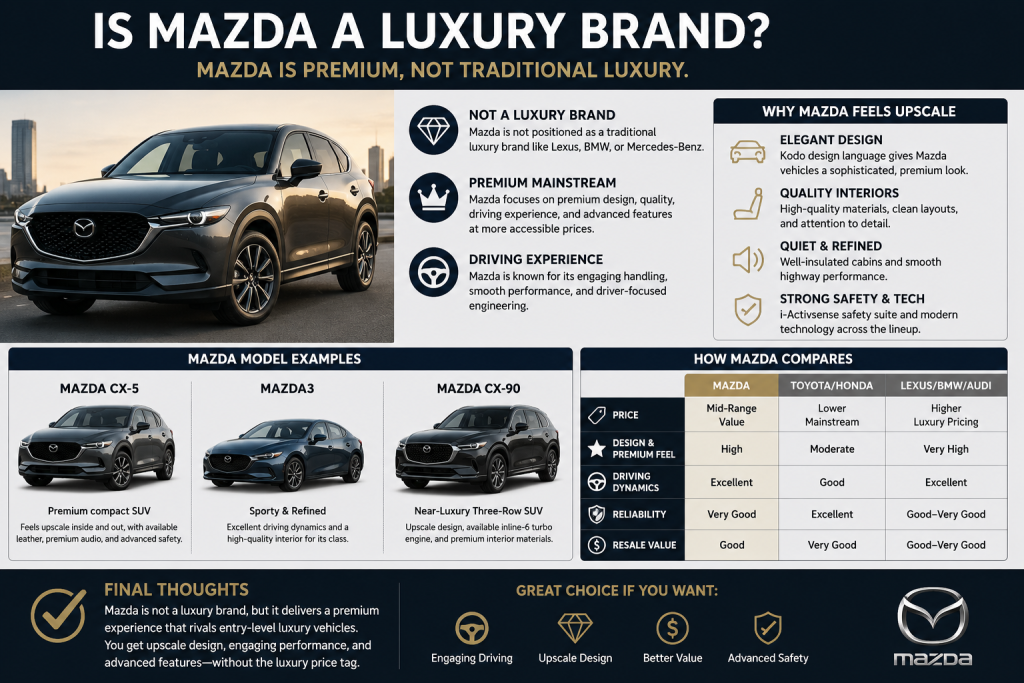
One of the standout qualities of the Mazda3 is its ability to offer a premium driving experience that rivals luxury brands—all within the compact car segment. From its meticulously designed interior to its state-of-the-art technology, the Mazda3 is a masterclass in blending comfort, style, and innovation.
Interior: A Cabin That Rivals Luxury
Step inside the Mazda3, and you’re greeted with an interior that feels more like a luxury sedan than a compact car. Mazda has focused on creating a clean, uncluttered design that emphasizes quality materials and intuitive functionality.
1. Premium Materials
The Mazda3 boasts high-quality finishes across its lineup:
- Base and Select Trims: Feature soft-touch surfaces, leatherette upholstery, and a leather-wrapped steering wheel.
- Preferred and Premium Trims: Add full leather seating, available in elegant colors like Parchment White or Deep Chestnut.
- Carbon Edition: Offers bold red leather upholstery, creating a sporty yet sophisticated vibe.
- Turbo Premium Plus: Takes luxury to another level with perforated leather seats and additional interior accents.
Mazda’s attention to detail is evident in every stitch and surface, giving the cabin a premium feel that surpasses many of its competitors.
2. Driver-Centric Design
Mazda’s “Jinba Ittai” philosophy—creating a harmonious connection between car and driver—shines in the interior layout:
- Intuitive Controls: Everything is within reach, from the rotary infotainment dial to the climate control knobs.
- Heads-Up Display (available on higher trims): Projects key driving information onto the windshield, allowing you to stay focused on the road.
- Comfort-Optimized Seats: Designed to reduce fatigue on long drives, ensuring you feel refreshed even after hours behind the wheel.
3. Cargo and Space
While the Mazda3 focuses on style and performance, it doesn’t compromise practicality:
- Hatchback Cargo Space: Offers 20.1 cubic feet of cargo room behind the rear seats, expandable to 47.1 cubic feet with the seats folded down.
- Sedan Cargo Space: Features a 13.2-cubic-foot trunk, suitable for daily errands or weekend getaways.
Whether you’re loading groceries or packing for a road trip, the Mazda3’s thoughtful design ensures plenty of room for your needs.
Technology: Cutting-Edge Features for Every Trim
The Mazda3 isn’t just about looking and feeling good—it’s also packed with technology to keep you connected, entertained, and safe.
1. Mazda Connect Infotainment System
Every Mazda3 comes equipped with the Mazda Connect infotainment system, offering:
- 8.8-inch Display: Positioned high on the dashboard for easy visibility without being distracting.
- Rotary Dial Control: Allows you to navigate menus intuitively, reducing the need to take your eyes off the road.
- Smartphone Integration: Standard Apple CarPlay™ and Android Auto™ let you seamlessly connect your devices.
2. Audio Excellence
Mazda understands the importance of great sound, offering:
- Standard Audio: Crisp and clear sound quality from its six-speaker system.
- Bose® 12-Speaker Premium System (available on higher trims): Creates an immersive audio experience, perfect for music lovers and podcast enthusiasts.
3. Advanced Safety Technology
The Mazda3 is loaded with i-Activsense® safety features, designed to protect you and your passengers:
- Standard Features:
- Adaptive cruise control with stop-and-go functionality.
- Lane-keeping assist and lane departure warning.
- Automatic emergency braking with pedestrian detection.
- Available Features:
- 360-Degree View Monitor: Provides a bird’s-eye view of your surroundings for easier parking.
- Rear Smart Brake Support: Helps prevent collisions when reversing.
4. Connectivity and Convenience
Mazda takes convenience to the next level with advanced connectivity features:
- Mazda Connected Services: Lets you remotely start your car, check vehicle status, and even locate your car in a crowded parking lot via the MyMazda app.
- Wireless Charging (available): Keeps your devices powered without the clutter of cords.
- USB-C Ports (introduced in 2025): Provide faster charging for modern devices.
How the Mazda3 Interior and Technology Compare to Competitors
The Mazda3 sets itself apart by offering a more refined and technologically advanced interior than many competitors in the compact car segment.
| Feature | Mazda3 | Honda Civic | Toyota Corolla |
|---|---|---|---|
| Premium Materials | Full leather available | Limited to higher trims | Fabric or leatherette |
| Infotainment Display Size | 8.8 inches | 7–9 inches | 7 inches |
| Bose® Premium Audio | Available (12 speakers) | No premium option | JBL available (9 speakers) |
| Heads-Up Display | Available | Not offered | Not offered |
The Mazda3’s combination of luxury materials, advanced technology, and thoughtful design places it firmly ahead of its competition.
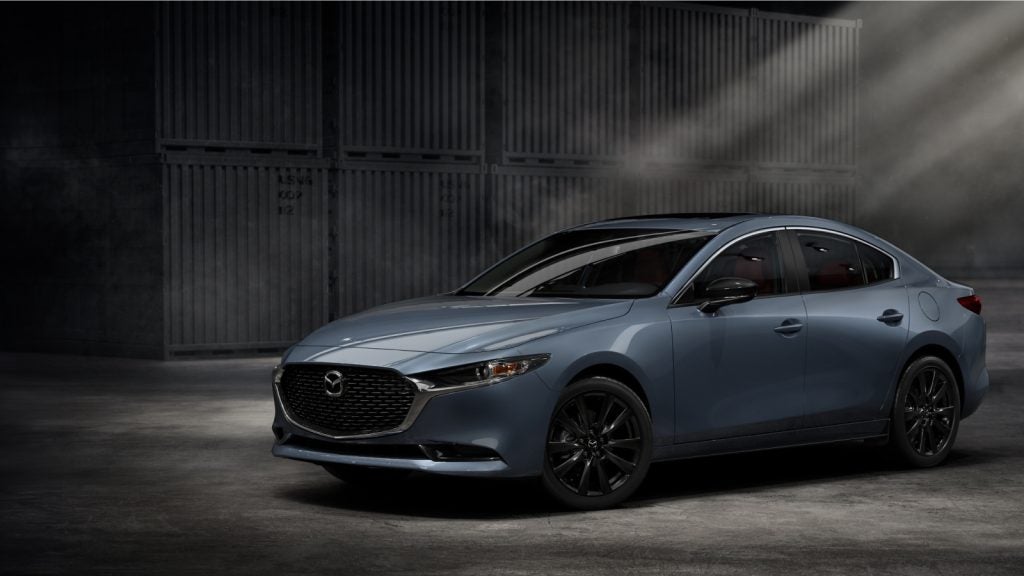
Part 5: The 2025 Mazda3 – What’s New for the Latest Model?
The 2025 Mazda3 builds on the strong foundation of previous models, enhancing its reputation as a premium compact car that excels in performance, style, and technology. With subtle yet meaningful updates, the 2025 Mazda3 caters to drivers who crave a modern, sophisticated vehicle with plenty of personality.
In this section, we’ll explore what’s new for the 2025 Mazda3, focusing on updates to design, performance, technology, and features.
What’s New in the 2025 Mazda3?
1. Updated Exterior Styling
Mazda continues to refine its signature Kodo: Soul of Motion design language, ensuring the Mazda3 remains one of the most visually striking cars in its class. For 2025, the Mazda3 receives subtle exterior updates:
- Redesigned Front Grille: A sharper and more aggressive grille adds to the car’s dynamic presence.
- New LED Headlights and Taillights: Enhanced lighting provides better visibility and a sleeker look.
- Fresh Color Options: Mazda introduces two new paint colors: Deep Sea Blue and Sunset Copper, giving drivers more ways to express their style.
2. Engine and Performance Enhancements
The 2025 Mazda3 continues to offer a choice of powertrains, with slight improvements to performance and efficiency.
- Base Engine (2.5L Skyactiv-G):
- Produces 191 horsepower and 186 lb-ft of torque.
- Improved fuel efficiency with an estimated 28 mpg city / 37 mpg highway.
- Turbocharged Engine (2.5L Skyactiv-G Turbo):
- Up to 250 horsepower and 320 lb-ft of torque with premium fuel.
- Enhanced throttle response for quicker acceleration.
- Standard all-wheel drive (AWD) for superior handling and grip.
Driving Dynamics:
The 2025 Mazda3 features updates to its G-Vectoring Control Plus system, ensuring even smoother cornering and stability during spirited drives. These refinements make the Mazda3 feel agile and connected to the road, a hallmark of Mazda’s “Jinba Ittai” driving philosophy.
3. Interior Refinements
Mazda has enhanced the 2025 Mazda3’s interior with thoughtful updates that elevate its premium feel:
- New Materials: Trims like the Preferred and Premium now feature additional suede accents and contrast stitching.
- Ambient Lighting: Subtle ambient lighting creates a luxurious atmosphere during nighttime driving.
- Redesigned Console: The center console layout is more streamlined, offering improved usability and storage.
4. Technology Upgrades
The 2025 Mazda3 introduces cutting-edge technology, keeping it ahead of the competition in connectivity and convenience:
- USB-C Ports: Replacing traditional USB-A ports, these provide faster charging for modern devices.
- Enhanced Mazda Connected Services:
- Remote start, vehicle health monitoring, and lock/unlock functions via the MyMazda app.
- New Feature: Schedule service appointments directly from the app.
- Infotainment Enhancements:
- Updated 8.8-inch display with faster response times.
- Wireless Apple CarPlay™ and Android Auto™ now standard across all trims.
5. New Safety Features
Mazda continues to prioritize safety with its i-Activsense® suite, introducing new features for 2025:
- Traffic Jam Assist: Helps with steering, braking, and acceleration in slow-moving traffic, reducing driver fatigue.
- Driver Attention Monitoring: Alerts the driver if signs of drowsiness or distraction are detected.
- Rear Smart Brake Support: Prevents rear-end collisions when reversing.
Trim Lineup for the 2025 Mazda3
The 2025 Mazda3 retains its versatile lineup of trims for both sedan and hatchback models, ensuring there’s a version for every type of driver:
- Base (2.5 S): Reliable and well-equipped, with a focus on value.
- Select and Preferred: Add premium interior materials and comfort features.
- Carbon Edition: Offers bold styling with exclusive paint and interior accents.
- Premium: A near-luxury experience with leather seating and advanced tech.
- Turbo and Turbo Premium Plus: The ultimate choice for performance enthusiasts.
2025 Mazda3 Pricing
The 2025 Mazda3’s pricing is competitive, offering excellent value for its premium features:
- Sedan: Starts at $24,000 for the Base trim and goes up to $37,500 for the Turbo Premium Plus.
- Hatchback: Starts at $25,000, with the Turbo Premium Plus priced at $38,400.
Why the 2025 Mazda3 Stands Out
- Performance: Turbocharged power with AWD ensures exhilarating performance and confidence in all conditions.
- Luxury: A refined interior and advanced tech features make the 2025 Mazda3 feel like a car in a higher price bracket.
- Safety: The latest i-Activsense® updates make the Mazda3 one of the safest compact cars on the road.
The Verdict on the 2025 Mazda3
The 2025 Mazda3 doesn’t just keep up with the competition—it sets new standards for what a compact car can be. With updated styling, improved performance, and innovative technology, it’s the perfect blend of fun and functionality.
How the Mazda3 Stacks Up Against Its Competitors
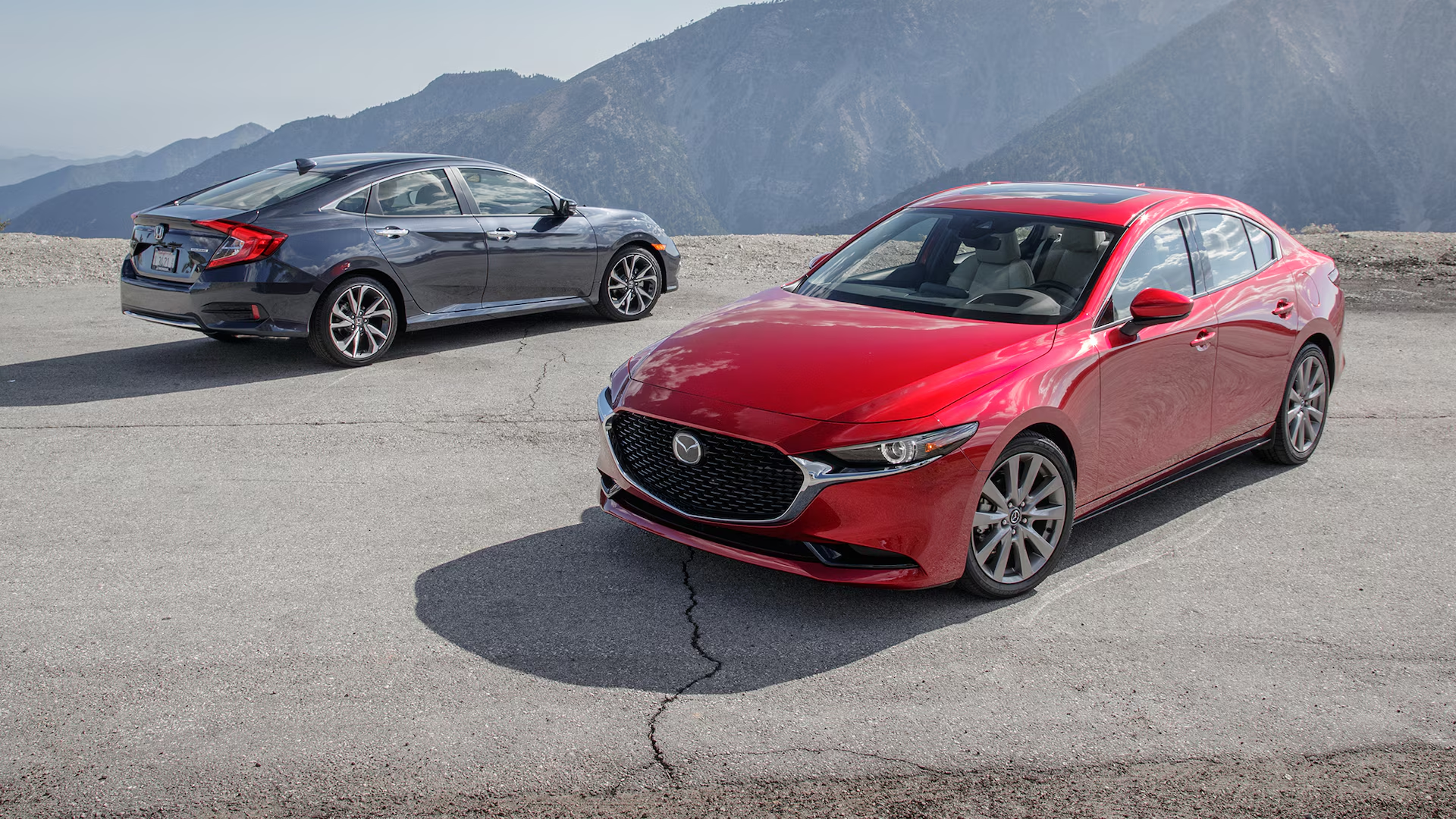
The Mazda3 has long been a leader in the compact car segment, but how does it compare to rivals like the Honda Civic, Toyota Corolla, and Hyundai Elantra? Each of these competitors brings unique strengths to the table, but the Mazda3 distinguishes itself with its blend of performance, luxury, and engaging driving dynamics.
In this section, we’ll pit the Mazda3 against its closest competitors across key categories like performance, interior quality, technology, and pricing.
1. Mazda3 vs. Honda Civic
The Honda Civic is a staple in the compact car market, known for its reliability and practicality. While it’s a strong competitor, the Mazda3 takes the edge in several areas.
Performance
- Mazda3: Offers a 2.5L turbocharged engine with up to 250 horsepower and 320 lb-ft of torque, delivering a thrilling driving experience. All-wheel drive (AWD) is also available, making it more versatile.
- Honda Civic: Tops out at 180 horsepower with its 1.5L turbo engine in non-performance trims. The Civic lacks AWD, which limits its appeal in snowy or wet climates.
Winner: Mazda3, for its more powerful engine options and AWD capability.
Interior Quality
- Mazda3: Features premium materials like leather upholstery, suede accents, and a clean, elegant design. It feels like a luxury car.
- Honda Civic: Has a functional, minimalist interior with durable materials, but it lacks the upscale feel of the Mazda3.
Winner: Mazda3, for its near-luxury interior.
Technology
- Mazda3: Comes with an 8.8-inch infotainment display, wireless Apple CarPlay™ and Android Auto™, and optional Bose® 12-speaker audio.
- Honda Civic: Features a smaller 7-inch display in lower trims, with wireless smartphone integration and a premium audio system available on higher trims.
Winner: Mazda3, for its larger standard display and better audio options.
2. Mazda3 vs. Toyota Corolla
The Toyota Corolla has built a reputation for reliability and affordability, but the Mazda3 outshines it in terms of performance and refinement.
Performance
- Mazda3: The turbocharged engine delivers exciting acceleration and a smooth driving experience. AWD is a major advantage for handling and stability.
- Toyota Corolla: Offers a maximum of 169 horsepower with its 2.0L engine, which pales in comparison to the Mazda3’s output. AWD is only available on the hybrid model.
Winner: Mazda3, for its superior engine performance and AWD availability.
Interior Quality
- Mazda3: Prioritizes premium materials and a driver-focused layout.
- Toyota Corolla: The interior is functional but lacks the upscale touches found in the Mazda3.
Winner: Mazda3, for its luxurious cabin.
Technology
- Mazda3: Features intuitive controls and advanced connectivity, including the MyMazda app with remote start and vehicle health monitoring.
- Toyota Corolla: Offers similar smartphone integration but falls short on premium tech features like the Mazda3’s heads-up display.
Winner: Mazda3, for its advanced tech and user-friendly features.
3. Mazda3 vs. Hyundai Elantra
The Hyundai Elantra is known for its bold design and value-packed features, but it struggles to match the performance and sophistication of the Mazda3.
Performance
- Mazda3: Offers significantly more power and torque with its turbocharged engine. AWD further enhances its appeal.
- Hyundai Elantra: The base model produces just 147 horsepower, while the sportier N Line and N trims offer more power but lack AWD.
Winner: Mazda3, for its stronger engine lineup and AWD.
Interior Quality
- Mazda3: Delivers a premium interior experience with leather upholstery and high-quality finishes.
- Hyundai Elantra: Features a modern design but uses more hard plastics and less refined materials.
Winner: Mazda3, for its upscale interior.
Technology
- Mazda3: Offers advanced safety features like Traffic Jam Assist and Driver Attention Monitoring, as well as a Bose® sound system.
- Hyundai Elantra: Packs in tech like a digital instrument cluster and wireless smartphone integration but lacks some of Mazda’s luxury-focused features.
Winner: Mazda3, for its mix of luxury and advanced safety tech.
Competitor Comparison Table
| Category | Mazda3 | Honda Civic | Toyota Corolla | Hyundai Elantra |
|---|---|---|---|---|
| Max Horsepower | 250 (Turbo) | 180 | 169 | 201 (N Line) |
| Drivetrain Options | FWD or AWD | FWD | FWD, AWD (Hybrid only) | FWD |
| Interior Quality | Near-luxury | Practical | Functional | Modern but less refined |
| Infotainment Display | 8.8 inches | 7–9 inches | 7 inches | 8–10.25 inches |
| Price Range | $24,000–$38,400 | $23,750–$30,000 | $22,645–$27,795 | $20,950–$27,700 |
Why the Mazda3 Stands Out Among Competitors
The Mazda3 is in a league of its own, combining sporty performance, luxury-like interiors, and cutting-edge technology. While competitors may offer certain strengths—like the Civic’s practicality or the Corolla’s reliability—the Mazda3 delivers a complete package that’s hard to beat. It’s the perfect choice for drivers who want more than just a compact car; they want a premium experience.
Fun Facts About the Mazda3 – Things You Didn’t Know
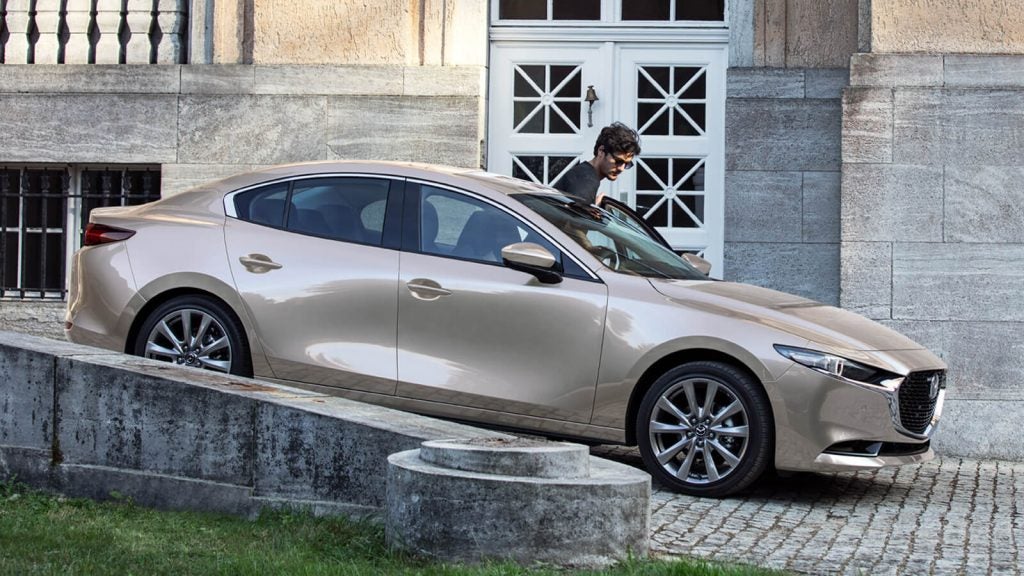
The Mazda3 is more than just a stylish, reliable compact car—it’s a vehicle with a rich history and some surprising quirks that make it stand out even more. From unique design choices to its global popularity, here are some fun and fascinating facts about the Mazda3 that every enthusiast should know.
1. The Mazda3 Replaced the Beloved Mazda 323/Protegé
The Mazda3 made its debut in 2003 as the successor to the Mazda 323/Protegé, a popular compact car in the 1980s and 1990s. By replacing the Protegé, Mazda took a bold step toward modernizing its lineup, and it paid off—the Mazda3 became an instant hit and one of Mazda’s best-selling models.
2. It’s a Global Bestseller
The Mazda3 isn’t just popular in North America—it’s a global phenomenon. As of 2023:
- Over 6 million units of the Mazda3 have been sold worldwide.
- It’s available in 120+ countries, showcasing its universal appeal.
- In markets like Australia and Japan, the Mazda3 consistently ranks among the top-selling compact cars.
3. Mazda’s “Smiley Face” Grille
The second-generation Mazda3 (2009–2013) introduced a controversial design feature: the “smiley face” grille. While some critics found it quirky, it became an iconic and instantly recognizable feature of the model. Love it or hate it, the smiley face grille helped the Mazda3 stand out in a crowded compact car market.
4. The Mazda3 Has a Strong Motorsport Legacy
While the Mazda3 is best known as a road car, it’s also made waves in motorsport:
- Mazda3 TCR: In 2019, Mazda unveiled the Mazda3 TCR, a race-prepped version designed for the Touring Car Racing series. Although the project was unfortunately shelved, the TCR car remains a testament to the Mazda3’s performance potential.
- Autocross Favorite: Thanks to its nimble handling and sharp steering, the Mazda3 is a popular choice for amateur racers in autocross competitions.
5. Turbocharged Models Are a Nod to Mazda’s Performance Roots
The modern Mazda3 Turbo brings back the spirit of Mazda’s performance-focused models, offering up to 250 horsepower. It’s a subtle but powerful reminder of Mazda’s racing heritage, including its legendary victory at the 24 Hours of Le Mans in 1991.
6. Skyactiv Technology Revolutionized the Compact Car Market
When Mazda introduced Skyactiv Technology in the third-generation Mazda3, it changed the game for compact cars:
- Fuel Efficiency: Skyactiv engines improved fuel economy without sacrificing performance.
- Lightweight Design: Mazda’s focus on reducing weight made the car more agile and fun to drive.
- Longevity: Skyactiv engines are known for their durability, contributing to the Mazda3’s reputation for reliability.
7. The Mazda3 Hatchback Offers More Cargo Space Than Some SUVs
While the Mazda3 Hatchback is a compact car, its 20.1 cubic feet of cargo space (expandable to 47.1 cubic feet with the rear seats folded) rivals or even surpasses some small SUVs. It’s the perfect choice for drivers who want practicality without sacrificing style.
8. It’s a Top Contender for Resale Value
Thanks to its reliability and enduring appeal, the Mazda3 holds its value exceptionally well. According to Kelley Blue Book, the Mazda3 consistently ranks as one of the best compact cars for resale value, making it a smart long-term investment.
9. Mazda’s Attention to Acoustics
Mazda has gone to great lengths to ensure a quiet and enjoyable ride in the Mazda3. The engineers employed sound-deadening materials, redesigned the suspension for smoother handling, and even tuned the exhaust note to provide a satisfying hum without being intrusive.
10. The 2025 Mazda3 Brings Back a Classic Color
With the release of the 2025 Mazda3, Mazda introduced a retro-inspired color, Sunset Copper, reminiscent of shades used in classic Mazdas of the 1970s. It’s a nod to the brand’s heritage while keeping the design fresh and modern.
Bonus Fun Fact: It’s a Frequent Award Winner
The Mazda3 has received numerous accolades over the years, including:
- World Car Design of the Year (2020) for its fourth-generation model.
- Top Safety Pick+ from the IIHS, recognizing its advanced safety features.
- Multiple spots on “Best Buy” and “Best Compact Car” lists from organizations like Kelley Blue Book and U.S. News & World Report.
FAQs About the Mazda3
Here are some of the most frequently asked questions about the Mazda3, covering everything from reliability to performance and more. Whether you’re considering buying one or already own a Mazda3, these answers provide helpful insights.
1. How reliable is the Mazda3?
The Mazda3 is highly reliable, with consistent high ratings from J.D. Power and Consumer Reports. Its Skyactiv engines, durable build quality, and advanced safety features contribute to its reputation for dependability. Many owners report their Mazda3 lasting 200,000–300,000 miles with regular maintenance.
2. What are the engine options for the Mazda3?
The Mazda3 offers two main engine options:
- 2.5L Skyactiv-G: Produces 191 horsepower and delivers strong, efficient performance.
- 2.5L Skyactiv-G Turbo: Produces up to 250 horsepower and 320 lb-ft of torque (with premium fuel) for those who crave extra power.
3. Does the Mazda3 come with all-wheel drive (AWD)?
Yes, AWD is available on select trims of the Mazda3, including turbocharged models. This makes it a great choice for drivers who need extra traction in snowy or rainy conditions.
4. How much does a Mazda3 cost?
The starting price for the 2025 Mazda3 is approximately $24,000 for the sedan and $25,000 for the hatchback. Fully loaded Turbo Premium Plus models can cost up to $38,400.
5. What’s the fuel efficiency of the Mazda3?
The Mazda3 is fuel-efficient across its trims:
- Base 2.5L Engine: 28 mpg city / 37 mpg highway.
- Turbocharged Engine: 23 mpg city / 32 mpg highway.
6. How does the Mazda3 compare to competitors like the Honda Civic or Toyota Corolla?
The Mazda3 stands out with its luxurious interior, strong turbocharged engine options, and available AWD, features not typically found in rivals. While the Honda Civic and Toyota Corolla prioritize affordability, the Mazda3 offers a more premium driving experience.
7. Is the Mazda3 a good car for families?
Yes, the Mazda3 is a solid choice for small families. The hatchback offers ample cargo space (up to 47.1 cubic feet), and the sedan provides a comfortable ride for passengers. Safety features like adaptive cruise control and lane-keeping assist add peace of mind.
8. How often does the Mazda3 need maintenance?
To keep your Mazda3 running smoothly:
- Oil changes: Every 5,000–7,500 miles.
- Tire rotations: Every 6,000–8,000 miles.
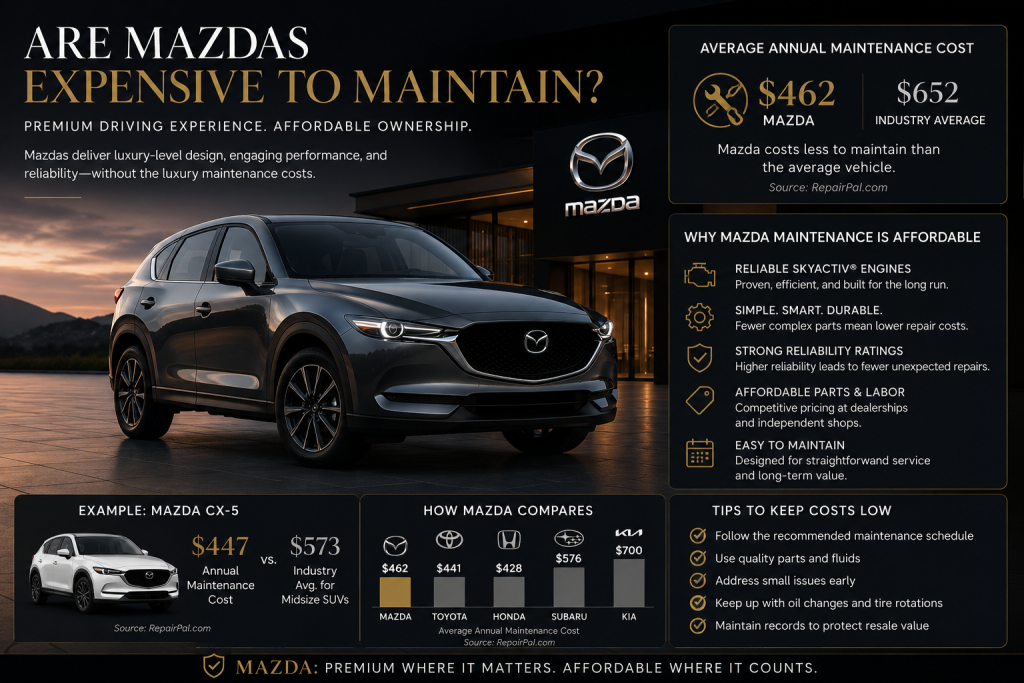
- Brake inspections: Annually. Routine maintenance is affordable, averaging about $433 per year.
9. Does the Mazda3 hold its resale value?
Yes, the Mazda3 holds its value well due to its reliability and strong brand reputation. It’s a great long-term investment for those looking for a car with low depreciation.
10. Where can I buy a new or used Mazda3?
You can find an excellent selection of new and pre-owned Mazda3 models at Marin Mazda. Visit the dealership to explore the latest trims and take a test drive!
Part 9: Conclusion and Final Thoughts
The Mazda3 is far more than just a compact car—it’s a standout in its class, offering a blend of performance, luxury, and reliability that rivals many higher-priced vehicles. With its sleek design, engaging driving dynamics, and innovative features, the Mazda3 appeals to a wide range of drivers, from first-time car buyers to enthusiasts who crave a premium experience.
Why the Mazda3 Stands Out
1. A Legacy of Excellence
Since its debut in 2003, the Mazda3 has continuously evolved, becoming a global icon in the compact car segment. Its ability to adapt to changing times while staying true to Mazda’s core values—performance, craftsmanship, and innovation—makes it a perennial favorite.
2. Performance That Excites
With the availability of a 2.5L turbocharged engine and all-wheel drive, the Mazda3 delivers thrilling performance while maintaining excellent fuel efficiency. Whether you’re navigating tight city streets or cruising on the highway, the Mazda3 provides a driving experience that’s hard to match.
3. A Premium Interior at an Affordable Price
The Mazda3 redefines what a compact car can be, with an interior that rivals luxury brands. From leather upholstery to advanced tech features like a heads-up display and Bose® audio system, the Mazda3 offers an upscale feel at an approachable price.
4. A Focus on Reliability
With a reputation for lasting 200,000–300,000 miles, the Mazda3 is a car you can depend on. Its robust engineering and affordable maintenance costs make it a smart investment for the long term.
5. Standing Tall Against Competitors
While competitors like the Honda Civic and Toyota Corolla excel in specific areas, the Mazda3’s ability to combine performance, design, and advanced technology gives it a unique edge in the compact car market.
The 2025 Mazda3: A New Benchmark
The 2025 Mazda3 continues this tradition of excellence, introducing refinements in exterior styling, interior materials, and advanced safety features. With new technology like USB-C ports and Traffic Jam Assist, it stays ahead of the curve while retaining its driver-focused ethos.
Fun, Reliable, and Ready for Anything
Whether you’re looking for a reliable daily commuter, a stylish weekend getaway car, or a performance-focused compact, the Mazda3 has something to offer. It’s a car that’s equally at home on winding mountain roads as it is in bustling city traffic, making it a versatile and exciting choice for any lifestyle.
Explore the Mazda3 at Marin Mazda
Ready to experience the Mazda3 for yourself? Visit Marin Mazda to explore our inventory of new and pre-owned Mazda3 models. With a range of trims and options available, you’re sure to find the perfect fit for your driving needs.
➡️ Shop Mazda3 Models at Marin Mazda and discover why it’s one of the most beloved compact cars on the road.