Blog

Should You Lease or Finance a Mazda3? Here’s Which One Actually Makes More Sense

If you are shopping for a Mazda3, one of the biggest decisions is not just which trim, sedan or hatchback, or whether to go with front-wheel drive or all-wheel drive. The bigger question for many buyers is this: should you lease it or finance it?

A lot of dealership content answers that question too simply. Lease if you want lower payments. Finance if you want to own the car. That is true, but it is not enough. The better answer depends on who you are, how you drive, how long you keep cars, how much flexibility you want, and what kind of financial habits you actually have in real life.

That is especially true with the Mazda3, because this is not a throwaway economy car. It sits in a very interesting part of the market. It is affordable enough to be practical, refined enough to feel premium, and reliable enough that long-term ownership can make real sense. That changes the lease versus finance conversation quite a bit.

Mazda has built a reputation for making vehicles that feel more upscale than their price point suggests, and that is true whether you are looking at the Mazda3 or cross-shopping something bigger like the CX-50. In fact, if you also want to see how Mazda’s compact crossover compares in terms of value, design, efficiency, and everyday usability, this in-depth Mazda CX-50 review is a strong companion read.

So if you are trying to decide what is better for a Mazda3, this is the real breakdown.

Why the Mazda3 Makes This Question More Interesting Than Most Cars

The Mazda3 is not like every compact car. It has always carried a slightly different personality. While other compact sedans and hatchbacks often focus almost entirely on efficiency and price, the Mazda3 adds style, cabin quality, and driving enjoyment to the equation.

That matters because the way a car is positioned affects whether leasing or financing makes more sense.

For example, with a very basic low-cost car, many buyers finance because the goal is simply to own transportation as cheaply as possible over time. With a more expensive luxury vehicle, leasing can look attractive because depreciation is steeper and many buyers want to switch into a new one every few years.

The Mazda3 sits somewhere in the middle. It has enough quality and long-term appeal to justify ownership, but it also feels premium enough that some buyers treat it like a lifestyle car they want to refresh more often. That is why there is no one-size-fits-all answer. The right decision depends on the kind of Mazda3 buyer you are.

What Leasing a Mazda3 Really Means

Leasing is basically paying for the portion of the car you use during a fixed term rather than paying for the entire vehicle. You are not really buying the Mazda3 in the traditional sense. You are paying for a set period of use, usually with mileage and condition rules attached.

That is why lease payments are often lower than finance payments on the same vehicle. You are not covering the full price of the Mazda3. You are covering the expected depreciation during the lease period, plus rent charges and fees.

For many buyers, this creates immediate appeal. Lower monthly cost. Newer car. Warranty coverage. Less long-term commitment.
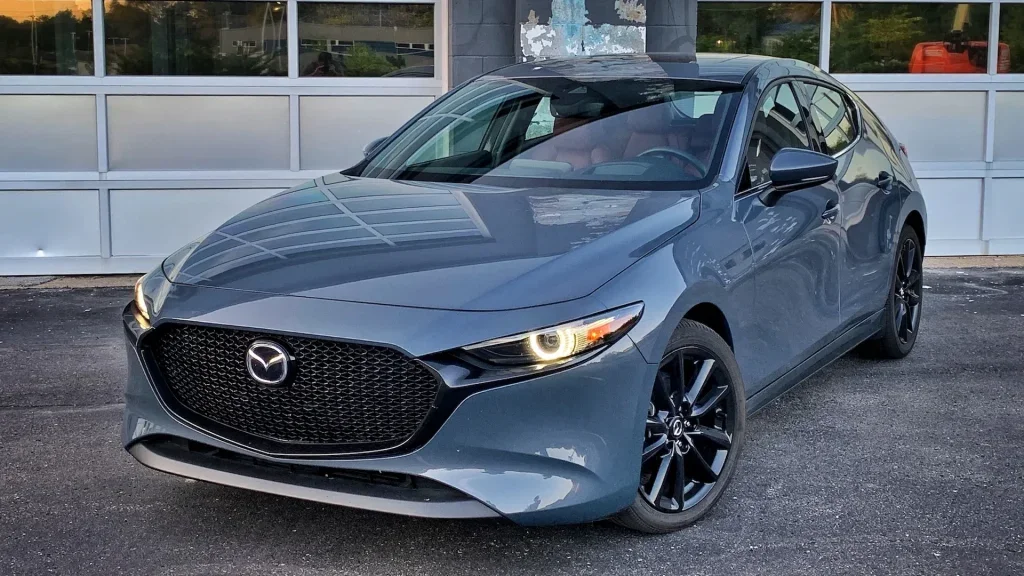
On the surface, a Mazda3 can actually be a very good lease candidate for the right person. It is stylish, modern, and pleasant to live with. If you want that experience for three years and then want the freedom to move on, leasing can be a clean solution.

But the catch is that a lease works best only when your driving habits and personality fit the structure.

If you drive more than average, tend to keep cars in rough condition, want freedom to modify the vehicle, or hate restrictions, leasing can become frustrating fast.

What Financing a Mazda3 Really Means

Financing is more straightforward. You are buying the Mazda3 over time with monthly payments. At the end of the term, assuming the loan is paid off, the car is yours.

That seems less glamorous in the short term because monthly payments are often higher than a lease, especially if the term is shorter. But financing changes the long-term math dramatically.

Once the loan is paid, you still have an asset. It may depreciate, yes, but it still has trade-in value, resale value, and utility value. Even if you keep it after it is paid off, those payment-free years are where ownership often starts making serious financial sense.

The Mazda3 is exactly the kind of car where this matters. It is not a vehicle people usually throw away after a short period. It is a sensible compact with a premium feel, and many owners keep them for years. That makes financing especially attractive for buyers who think beyond the first 36 months.

Lease a Mazda3 If You Want a New-Car Lifestyle

Let’s start with the buyer type that should seriously consider leasing.

If you like driving newer vehicles all the time, leasing a Mazda3 can make a lot of sense. The Mazda3 is one of those cars that looks good, feels well made, and offers a surprisingly upscale cabin for the class. If you enjoy that fresh-car experience and want to stay in a newer model every few years, leasing supports that lifestyle better than financing.

This is especially true if you are the kind of buyer who values convenience over long-term asset building. Some people simply do not want to think about keeping a car for eight years. They do not want to deal with aging tires, out-of-warranty repairs, or selling a used vehicle later. They want a predictable monthly cost, factory coverage, and an easy exit point. Leasing works well for that mindset.

A lease can also make sense for the buyer who wants a nicer trim than they would otherwise consider. Maybe the monthly difference between financing a base Mazda3 and leasing a better-equipped trim feels small enough that leasing opens the door to features you actually want. Better interior materials, more technology, maybe all-wheel drive or a hatchback configuration that feels more premium. For the right buyer, that can be worth it.
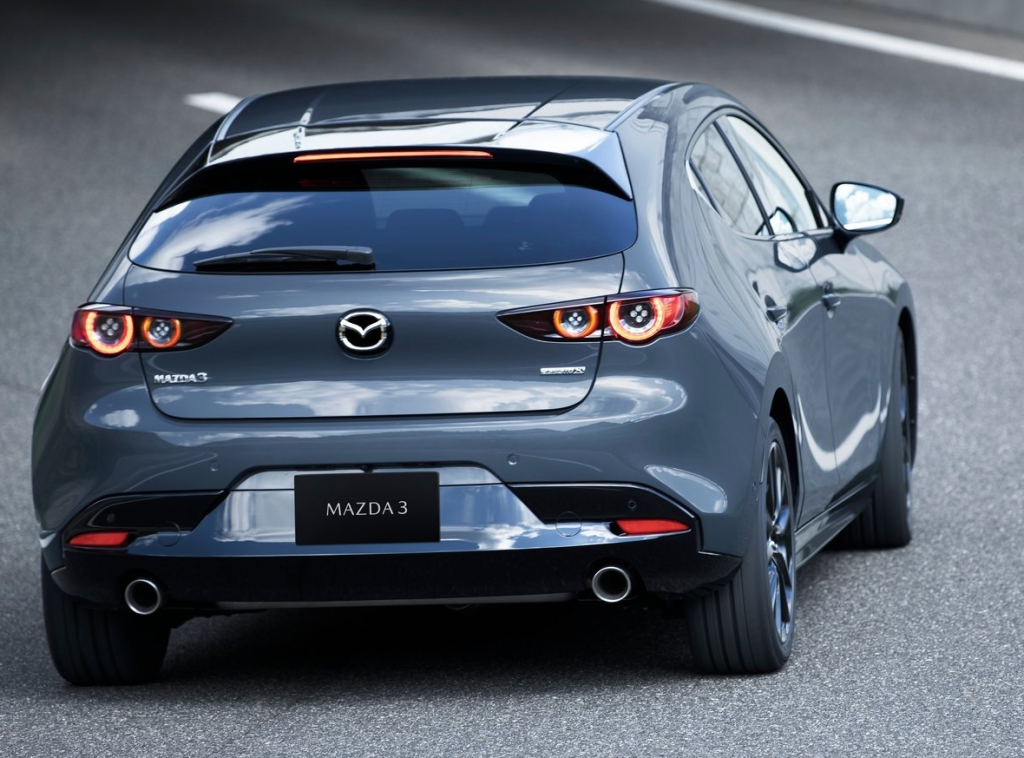
But the ideal Mazda3 lease customer usually has another key trait: low to moderate mileage. If you commute lightly, work from home part of the week, or mostly use the car for local driving, a lease becomes much easier to justify. If you are adding kilometres aggressively every year, leasing becomes less attractive because mileage penalties can erase the short-term payment advantage.

Finance a Mazda3 If You Want the Smartest Long-Term Value

Now let’s talk about the kind of buyer who should finance.

For most normal Mazda3 shoppers, financing is the stronger overall move.

Why? Because the Mazda3 is a car that makes sense to keep. It has the kind of reputation, packaging, and ownership appeal that rewards long-term use. This is not a vehicle that only makes sense during the warranty window. It is one of those compact cars that people buy because it stays practical long after the new-car smell disappears.

If you are buying a Mazda3 because you want dependable transportation with a premium edge, financing usually aligns better with that goal.

This is even more true if you drive a lot. Long commuters, regional salespeople, people with long highway routines, and anyone who racks up mileage quickly are usually better off financing. A financed Mazda3 gives you the freedom to drive without constantly thinking about lease thresholds and end-of-term penalties.

Financing is also better for the buyer who wants ownership flexibility. Once you own the car, you can keep it, trade it, sell it, or drive it payment-free. That freedom matters more than many people realize. A lease keeps you on a short leash, financially and contractually. Financing gives you more control.

The Mazda3’s personality also supports ownership. It is refined enough that you will probably still enjoy it years later, and practical enough that it does not become hard to justify once it is no longer brand new. That is not true of every car.

The Mazda3 Sedan Buyer vs the Mazda3 Hatchback Buyer

Interestingly, body style can sometimes hint at whether a buyer is more likely to prefer leasing or financing.

Mazda3 sedan buyers are often more practical. They may be looking for a refined commuter, something efficient and comfortable, something they can own for years without feeling bored. That buyer often leans finance because the vehicle is being chosen as a long-term value play.

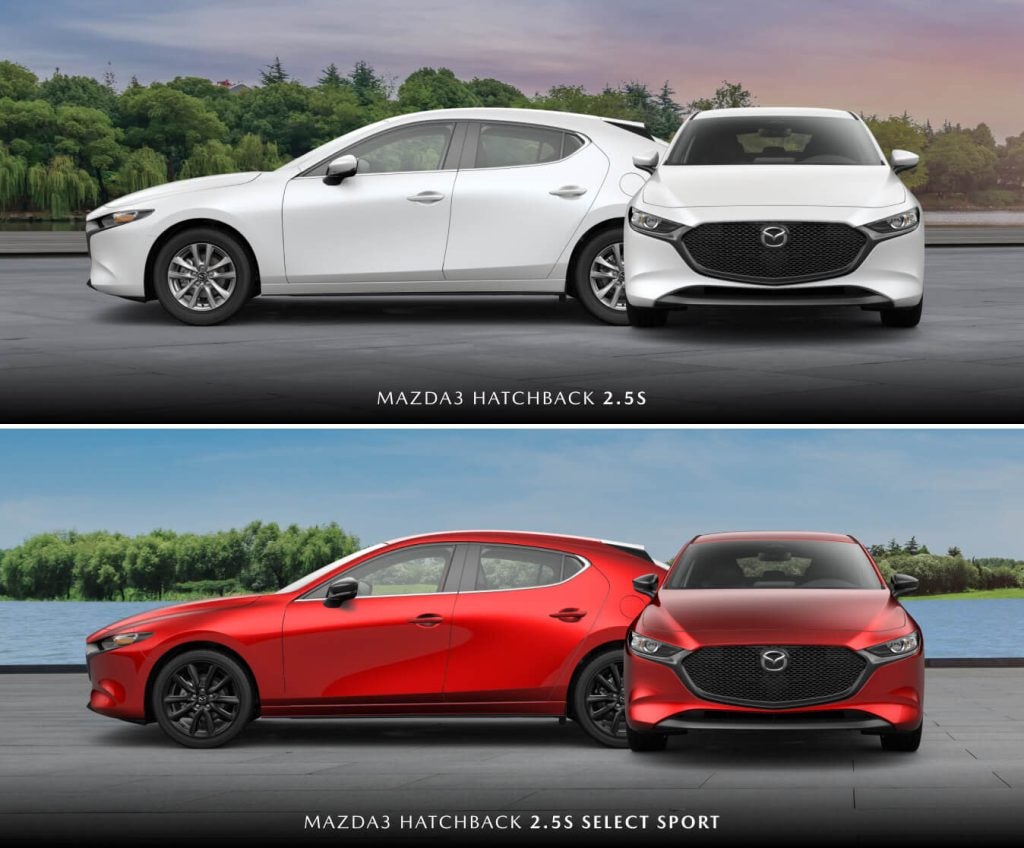
Mazda3 hatchback buyers are often a little more lifestyle-driven. Not always, but often. They may care more about design, flexibility, and a slightly more premium visual identity. Some of those buyers still finance, of course, but they are a bit more likely to fit the kind of profile that also considers leasing because they enjoy refreshing into newer vehicles more often.

That does not mean sedan equals finance and hatchback equals lease. It just means the buyer mindset sometimes aligns that way. The more practical and long-term your view is, the more financing usually wins. The more style-driven and short-cycle your view is, the more leasing starts to make sense.

Lease the Mazda3 If You Hate Ownership Risk

There is one more type of person who often prefers leasing: the person who hates uncertainty.

Some buyers do not necessarily want to maximize long-term value. They want to minimize risk and reduce hassle. They like knowing their car is newer, under warranty, and easier to hand back before it becomes an older used vehicle with age-related wear.

That logic is understandable.
If you are the kind of person who does not want to think about long-term repair exposure, resale timing, or keeping a vehicle deep into its lifecycle, leasing gives you an orderly structure. You get in, enjoy the Mazda3, and get out on schedule.

For people who treat a car the same way others treat a phone contract or appliance cycle, leasing fits psychologically. The car is not something to keep forever. It is something to use efficiently for a defined period.

The catch is that this comfort comes at a price. While lease payments may look lower month to month, repeated leasing can keep you in a permanent payment cycle. That is great for convenience, but not always great for total long-term cost.

Finance the Mazda3 If You Think in Five-Year Blocks Instead of Three-Year Blocks

This is the biggest dividing line.

If you naturally think in three-year windows, leasing probably appeals to you more. If you think in five-year or seven-year windows, financing almost always becomes the stronger argument.

The Mazda3 is one of those cars where the ownership value starts to compound over time. The longer you keep it after the loan is paid off, the more the economics improve. Even if maintenance costs rise gradually as the car ages, you often still come out ahead versus staying on an endless cycle of short-term leased vehicles.

This is especially true for buyers who are financially disciplined. If you finance a Mazda3, pay it down properly, and then keep driving it after the payments end, you create a huge difference in your total transportation cost over time.

That is where financing really wins for the Mazda3. It is not always the prettiest short-term option, but it is often the smarter long-term one.

What Type of Guy Should Lease a Mazda3?
If we are being very direct, the ideal Mazda3 lease customer is usually this guy:

He wants a clean, refined, stylish daily driver but does not care much about keeping cars for a long time. He likes new design, new tech, lower short-term payments, and the feeling of being in something fresh. He probably drives average or below-average mileage. He prefers predictable monthly costs and likes the idea of handing the car back before it gets old enough to become his problem.

He may be a younger professional. He may be image-conscious without wanting a luxury badge. He may want a better trim than he would comfortably finance. He may value convenience more than ownership.

For that guy, leasing a Mazda3 makes perfect sense.

What Type of Guy Should Finance a Mazda3?

The ideal Mazda3 finance customer is different.

He sees the Mazda3 as a genuinely smart car to own, not just rent. He probably appreciates that it feels premium, but he is still grounded in long-term value. He drives enough that mileage restrictions would annoy him. He wants the flexibility to keep the vehicle, trade it on his own terms, or drive it payment-free later.

He may be a commuter. He may be a practical buyer who still wants something with personality. He may be someone buying his first genuinely nice daily driver and planning to keep it for years. He may simply understand that the Mazda3 is a car that often makes more sense to own than to cycle through repeatedly.

For that guy, financing is usually the better fit.

Where People Get This Decision Wrong

A lot of buyers choose based only on the monthly payment. That is where mistakes happen.

A lower payment does not automatically mean the better decision. It may mean you are paying less to use the car for now, but getting less long-term value in return.

On the other hand, a higher finance payment does not automatically mean the smarter move either. If you constantly trade early, get bored quickly, or never keep the car long enough to capture ownership value, financing loses much of its advantage.

The right answer comes from matching the structure to your behavior.

If you are the type to keep cars a long time, financing works because your behavior supports it.

If you are the type to move on every few years and prefer newness over ownership, leasing works because your behavior supports that.

The worst move is choosing a finance deal and trading out too early, or choosing a lease when you know you drive far too much and will hate the restrictions.

So Which Is Better for the Mazda3?

For most buyers, financing is better.

That is the honest answer.

The Mazda3 is not the kind of car that only makes sense as a short-term use product. It is well rounded, refined, practical, and generally worth owning. If you are the average compact-car buyer who wants strong long-term value, financing usually suits this vehicle better.

But leasing is still a very good choice for a specific kind of buyer. If you want lower short-term commitment, like changing cars often, drive limited mileage, and care more about convenience than long-term ownership, leasing can absolutely be the right move.

So the answer is not really lease versus finance in the abstract. It is this:

Finance the Mazda3 if you are a long-term value buyer. Lease the Mazda3 if you are a short-term lifestyle buyer.

That is the cleanest way to think about it.

Final Verdict

The Mazda3 is one of the few compact cars that genuinely works well either way, which is part of what makes it so appealing. It is practical enough to justify financing and polished enough to justify leasing.

Still, if you strip away the sales language and look at the kind of vehicle the Mazda3 really is, financing usually comes out ahead for most buyers. It aligns better with the Mazda3’s strengths: solid long-term value, everyday practicality, and the kind of ownership experience that remains satisfying well beyond the first few years.

Leasing still has its place. For the lower-mileage buyer who wants newer cars, lower short-term commitment, and a clean exit strategy, it can be a very smart move. But for the average guy shopping for a Mazda3 as a real-world daily driver, financing is usually the better fit.

If you want, I can also add your earlier Mazda3 sedan and hatchback review link into this same article so both Marin Mazda blog URLs are naturally interlinked.
Recommended Posts

Is Mazda a Luxury Brand?

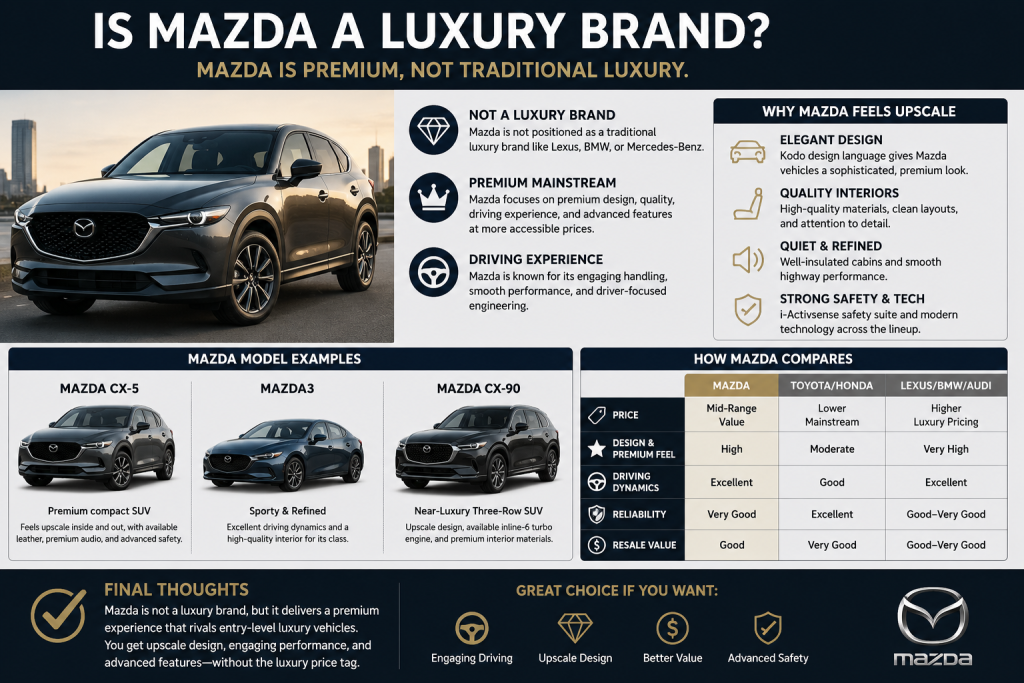
Is Mazda a Luxury Brand? Mazda is not officially a luxury brand, but it is one of the clearest examples of a premium mainstream brand. That means Mazda sits between regular brands like Toyota, Honda, Hyundai, Nissan, and Subaru, and traditional luxury brands like Lexus, Acura, BMW, Audi, Mercedes-Benz, and Volvo. Mazda does not sell itself as a full luxury automaker, but many of its newer vehicles feel more upscale than their price suggests. The simple answer is this: Mazda is not a luxury brand, but it is a premium-feeling brand with luxury-like design, interiors, and driving dynamics. Why People Think Mazda Is a Luxury Brand People ask whether Mazda is a luxury brand because newer Mazda models look and feel more expensive than many mainstream competitors. Mazda has focused heavily on interior quality, clean design, quiet cabins, better materials, strong paint colors, refined driving feel, and upscale trims. Models like the Mazda CX-5, CX-50, CX-70, CX-90, Mazda3, and MX-5 Miata all show that Mazda is trying to be more than just another economy car brand. Mazda itself has leaned into the idea of “premium” more than “luxury.” In a 2026 Mazda survey, the company described modern premium value as being about design, comfort, technology, and daily experience rather than just the badge on the grille. Mazda said its focus remains on vehicles that elevate everyday driving through thoughtful design, intuitive technology, and safety. Mazda USA That is exactly where Mazda fits today. It is not trying to copy Lexus directly. It is trying to make mainstream vehicles feel more special. Mazda Is Premium, Not Traditional Luxury A traditional luxury brand usually offers things like exclusive dealer experiences, higher-end powertrains, wider customization, premium materials across the lineup, prestige branding, luxury service programs, and higher base pricing. Mazda does not fully operate in that space. Instead, Mazda gives buyers a more premium experience without jumping fully into luxury-brand pricing. This is why shoppers often compare a loaded Mazda CX-5 or Mazda CX-90 against entry-level Lexus, Acura, Volvo, Audi, or BMW models. Motor1 reported that Mazda’s internal idea of “premium” does not necessarily mean “luxury.” The brand has been aiming for a more boutique, higher-end customer, but not in the same exact way as traditional luxury automakers. Motor1 That distinction matters. Mazda is premium by design and feel. It is not luxury by official market category. What Makes Mazda Feel Upscale? Mazda vehicles often feel upscale because of the way they are designed. The cabins usually avoid the cheap, cluttered look found in some mainstream vehicles. Controls are simple. Materials feel better than expected. Steering and handling are more engaging. Exterior styling is mature and elegant instead of loud or overly busy. Mazda’s Kodo design philosophy is a big part of this. The brand focuses on shape, proportion, motion, and restraint. That gives many Mazda vehicles a more expensive look than their window sticker suggests. The result is a brand that feels grown-up. A Mazda may not have the badge prestige of a Lexus or BMW, but the vehicle itself often feels more refined than many shoppers expect. Is the Mazda CX-5 a Luxury SUV? The Mazda CX-5 is not a luxury SUV, but upper trims can feel close to entry-level luxury. A well-equipped CX-5 can include leather seating, available Nappa leather on certain trims in some markets, a premium audio system, heated and ventilated front seats, a quiet cabin, elegant interior design, and strong handling. That is why the CX-5 is often cross-shopped against premium compact SUVs. But it is still priced and positioned as a mainstream compact SUV. The CX-5 is best described as a premium compact SUV, not a true luxury SUV. Is the Mazda CX-90 a Luxury SUV? The Mazda CX-90 is probably the closest Mazda gets to luxury right now. It uses a rear-biased platform, available inline-six turbo engine, upscale cabin design, premium materials, and a more refined three-row SUV layout. Car and Driver describes the CX-90 as part of Mazda’s continuing effort to position itself as a premium brand, with elegant styling and a luxurious interior. Car and Driver That does not make the CX-90 a Mercedes-Benz GLS or BMW X7 competitor. But it does make it one of the most premium-feeling mainstream three-row SUVs. For buyers who want near-luxury feel without full luxury pricing, the CX-90 is one of Mazda’s strongest arguments. Is Mazda More Premium Than Toyota or Honda? Yes, Mazda often feels more premium than Toyota or Honda at similar price points. Toyota and Honda usually focus more on practicality, resale value, fuel economy, reliability, and broad appeal. Mazda focuses more on design, interior feel, and driving enjoyment. That does not mean Mazda is better for every buyer. Toyota and Honda may still be stronger choices for maximum resale value, hybrid selection, or long-term low-cost ownership. But if the question is which mainstream brand feels more upscale, Mazda is usually one of the top answers. Mazda’s advantage is emotional. The cars feel more carefully styled and more enjoyable to drive. Mazda vs Lexus, Acura, BMW, and Audi Mazda is not in the same official category as Lexus, Acura, BMW, or Audi. Luxury brands usually offer stronger badge prestige, more powerful engines, higher-end dealer experiences, deeper luxury options, and more expensive flagship models. They also usually come with higher ownership costs. Mazda’s advantage is value. A loaded Mazda can give shoppers a premium cabin, handsome design, and strong driving dynamics for less money than many luxury SUVs. But there are still differences. A Lexus RX, BMW X3, Audi Q5, or Mercedes-Benz GLC may offer more luxury-brand prestige, more advanced powertrain options, more refinement, or a more traditional luxury ownership experience. Mazda gives you a premium feel. Luxury brands give you the luxury badge and ecosystem. Is Mazda Trying to Become a Luxury Brand? Mazda has been moving more upscale, but it has not fully become a luxury brand. The brand has invested in more premium products, cleaner retail spaces, better interiors, higher-end SUVs, and more refined vehicle platforms. But Mazda still sells mainstream vehicles and competes heavily with Toyota, Honda, Subaru, Hyundai, Kia, and Nissan. The best way to describe Mazda’s strategy is near-luxury or premium mainstream. That is a smart position because many buyers want a vehicle that feels expensive without paying full luxury-brand pricing. Is Mazda Worth It Over a Luxury Brand? Mazda can be worth it if you care more about the vehicle experience than the badge. A Mazda makes sense if you want upscale styling, a nice interior, good handling, strong safety features, and lower pricing than many luxury vehicles. It may also cost less to insure, maintain, and repair than some German luxury brands. A luxury brand makes more sense if badge prestige, maximum refinement, advanced powertrain choices, concierge-level dealer experience, or higher-end materials are the priority. For many buyers, Mazda is the smarter middle ground. FAQs About Mazda as a Luxury Brand Is Mazda considered a luxury brand? No. Mazda is not officially considered a luxury brand. It is better described as a premium mainstream brand. Is Mazda a premium brand? Yes. Mazda has moved strongly into premium territory with upscale design, refined interiors, better driving dynamics, and higher-end models like the CX-70 and CX-90. Is Mazda as good as Lexus? Mazda can feel premium, but Lexus is a true luxury brand with stronger reliability reputation, dealer experience, and luxury-market positioning. Mazda is usually more affordable. Is Mazda better than Toyota? Mazda often feels more stylish and premium than Toyota, while Toyota usually has stronger hybrid options, resale value, and long-term reliability reputation. Is the Mazda CX-5 luxury? The Mazda CX-5 is not a true luxury SUV, but higher trims can feel near-luxury compared with many mainstream compact SUVs. Is the Mazda CX-90 a luxury SUV? The Mazda CX-90 is not officially a luxury SUV, but it is one of Mazda’s most premium vehicles and can feel close to entry-level luxury SUVs. Final Thoughts: Mazda Is Not Luxury, But It Feels Premium Mazda is not a luxury brand in the traditional sense. It does not sit directly beside Lexus, BMW, Audi, Mercedes-Benz, or Volvo. But it has become one of the most premium-feeling mainstream automakers. That is Mazda’s sweet spot. You get upscale design, strong driving feel, refined interiors, and a more emotional ownership experience without paying full luxury-brand prices. For shoppers who want something nicer than a basic mainstream SUV but do not care about a luxury badge, Mazda makes a very strong case.

Are Mazdas Expensive to Maintain?

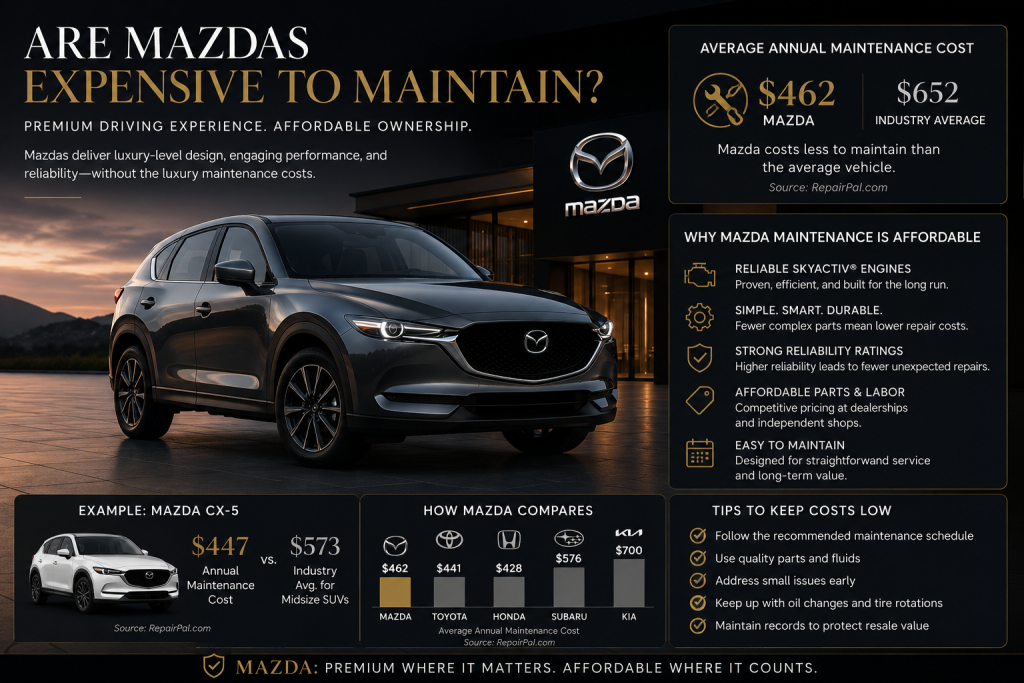
Are Mazdas Expensive to Maintain? No, Mazdas are not expensive to maintain compared with many other brands. The simple answer is this: Mazda maintenance costs are usually lower than the industry average and close to Toyota and Honda in real-world ownership cost. Mazda is not always the absolute cheapest brand to maintain, but it is generally affordable, especially compared with European luxury brands, larger trucks, and some turbocharged or hybrid vehicles. RepairPal lists the average annual repair and maintenance cost for Mazda at $462, which is below the overall average of $652 for all vehicle models. RepairPal also gives Mazda a strong overall reliability profile, which helps explain why Mazda is often considered one of the better mainstream brands for long-term ownership. Why Mazda Maintenance Is Usually Affordable Mazda maintenance is usually affordable because most Mazda vehicles use fairly conventional gas engines, widely available parts, and relatively simple drivetrains compared with luxury brands. Mazda also does not rely as heavily on complicated hybrid systems across its whole lineup as some competitors. Many popular models, like the Mazda3, Mazda6, CX-30, CX-5, and CX-9, use proven gasoline engines and automatic transmissions that many independent shops can service. That matters because maintenance cost is not just about parts. It is also about labor time, diagnostic complexity, and how easy the vehicle is to work on. Mazda gives you a more premium-feeling interior and driving experience without the full luxury-brand service bill. Mazda Maintenance Cost Per Year The average Mazda costs about $462 per year for maintenance and repairs, according to RepairPal. RepairPal That is lower than the overall vehicle average and competitive with other reliable mainstream brands. For comparison, Toyota and Honda are often slightly cheaper, but Mazda is usually in the same general ownership-cost range. The gap is not huge for most common repairs and regular maintenance. Where costs can increase is with older high-mileage models, turbocharged engines, AWD systems, poor service history, or vehicles that were neglected by previous owners. Are Mazda CX-5 Maintenance Costs High? No, the Mazda CX-5 is not expensive to maintain for a compact SUV. RepairPal lists the annual repair and maintenance cost for the Mazda CX-5 at $447, compared with $573 for midsize SUVs and $652 for all vehicle models. RepairPal That makes the CX-5 one of Mazda’s stronger ownership-cost examples. It gives shoppers a premium-feeling cabin, sharp handling, and available AWD without the maintenance cost of a luxury SUV. A CX-5 can cost more to maintain if it has turbo power, AWD, higher mileage, or poor service records, but a well-maintained gas CX-5 is usually affordable to own. Are Mazda Parts Expensive? Mazda parts are usually not expensive compared with luxury brands. Common maintenance items like oil filters, air filters, brake pads, spark plugs, belts, tires, and fluids are generally reasonable. Mazda parts may sometimes cost a little more than the cheapest Toyota or Honda parts, but they are not usually in BMW, Mercedes-Benz, Audi, or Volvo territory. The biggest factor is where you service the vehicle. A Mazda dealership may cost more than a trusted independent shop, especially for basic maintenance. But dealership service can be useful for recalls, warranty repairs, software updates, and model-specific inspections. For routine maintenance, many Mazda owners can keep costs controlled by following the maintenance schedule and avoiding deferred repairs. What Mazda Maintenance Costs the Most? Most Mazda maintenance is normal: oil changes, tires, brakes, filters, spark plugs, fluids, batteries, and inspections. The more expensive items usually come later in ownership. These can include suspension parts, control arms, wheel bearings, engine mounts, transmission service, AWD system service, air-conditioning repairs, infotainment repairs, and turbo-related repairs on turbo models. Older Mazda vehicles can also need rust-related repairs depending on climate, road salt, and storage conditions. If you are buying used, check the service history carefully. A cheap used Mazda with skipped maintenance can become more expensive than a slightly pricier one with clean records. Is Mazda Cheaper to Maintain Than Toyota? Mazda is usually close to Toyota, but Toyota is often slightly cheaper long-term. Toyota’s biggest advantage is its extremely broad parts availability, huge service network, and long-standing reputation for simple, durable vehicles. Mazda is still affordable, but Toyota often wins if the only question is lowest possible maintenance cost. That said, Mazda often feels more upscale and more engaging to drive. For many shoppers, the small difference in maintenance cost is worth it for the better interior feel and sharper driving experience. Is Mazda Cheaper to Maintain Than Honda? Mazda and Honda are usually close in maintenance costs. Honda is known for efficient engines, strong resale value, and low ownership costs. Mazda is also affordable, especially on naturally aspirated models like many Mazda3 and CX-5 trims. The better choice depends on the specific model and condition. A well-maintained Mazda CX-5 can be cheaper to own than a neglected Honda CR-V. A clean Honda Civic can be cheaper than an older Mazda with poor service records. Condition matters more than the badge. Is Mazda Cheaper to Maintain Than Subaru? Mazda is often cheaper to maintain than Subaru. Subaru’s standard AWD systems are a major selling point, but they can add maintenance complexity and cost. Subaru models may also have specific repair patterns that can raise ownership costs depending on the year and model. Mazda offers available AWD on many models, but not every Mazda has it. A front-wheel-drive Mazda3 or CX-5 may be cheaper to maintain than an AWD Subaru with similar mileage. Is Mazda Cheaper to Maintain Than Luxury Brands? Yes, Mazda is much cheaper to maintain than most luxury brands. This is one of Mazda’s biggest strengths. Mazda vehicles often feel more premium than other mainstream brands, but they do not usually carry the repair costs of BMW, Audi, Mercedes-Benz, Lexus, Acura, or Volvo. Lexus and Acura may still have strong reliability and reasonable costs for luxury brands, but Mazda usually stays cheaper because it is still a mainstream brand. If you want a near-luxury feel without luxury maintenance bills, Mazda is one of the best brands to consider. Do Turbo Mazdas Cost More to Maintain? Yes, turbocharged Mazdas can cost more to maintain than non-turbo models. A turbo engine has more heat, more pressure, and more components than a naturally aspirated engine. It also needs consistent oil changes and proper maintenance to stay healthy. Mazda’s turbo engines can be strong, but buyers should not treat them like low-maintenance base engines. If you are buying a used turbo Mazda, look for regular oil changes, no boost-related issues, clean startup, no smoke, no oil leaks, and no signs of abuse. For the lowest maintenance costs, a non-turbo Mazda is usually the safer choice. Is Mazda AWD Expensive to Maintain? Mazda AWD is not usually expensive, but it can add cost compared with front-wheel drive. AWD systems have extra components, including a rear differential and driveline parts. These parts may need fluid service and inspection over time. Tires also matter more on AWD vehicles because mismatched tire wear can create drivetrain stress. If you want the lowest possible ownership cost, front-wheel drive is usually cheaper. If you need better traction in rain, snow, or mountain driving, Mazda AWD can be worth the added cost. Used Mazda Maintenance: What to Check Used Mazdas can be affordable, but maintenance history is critical. Before buying a used Mazda, check for oil-change records, tire condition, brake wear, suspension noise, transmission behavior, coolant condition, battery age, rust, infotainment issues, and open recalls. For Mazda CX-5, Mazda3, Mazda6, CX-30, and CX-9 models, also check that the infotainment screen works properly and that the backup camera, Bluetooth, navigation, and control knob function as expected. A class action settlement reported in 2025 involved Mazda Connect infotainment issues on several 2014 to 2023 Mazda models, including Mazda3, Mazda6, CX-3, CX-5, CX-9, and MX-5. Mazda denied wrongdoing but agreed to settlement terms involving reimbursements and warranty extension coverage for eligible owners. The Sun That does not make Mazdas expensive overall, but it is a reminder to check electronics before buying used. How to Keep Mazda Maintenance Costs Low The best way to keep Mazda maintenance costs low is simple: follow the maintenance schedule and fix small issues early. Do regular oil changes. Replace air and cabin filters on time. Rotate tires. Keep the correct tire pressure. Change spark plugs when due. Service fluids as recommended. Do not ignore warning lights. Use quality parts. Keep records. For AWD models, keep tires matched and rotate them regularly. For turbo models, use the correct oil and do not stretch oil-change intervals too far. A Mazda that gets basic maintenance on time can be one of the more affordable vehicles to own. Are Mazdas Good Long-Term Cars? Yes, Mazdas are good long-term cars when maintained properly. Mazda has built a strong reputation for combining reliability, driving enjoyment, and upscale design without extreme ownership costs. Many Mazda3, Mazda6, CX-5, and CX-9 models can last well beyond 150,000 miles with regular service. The key is not neglecting maintenance. Like any vehicle, a Mazda will become expensive if oil changes are skipped, tires are ignored, brakes are delayed, or small leaks are allowed to become major repairs. Should You Buy a Mazda If You Want Low Maintenance Costs? Yes, Mazda is a strong choice if you want a vehicle that feels more premium than many mainstream brands but does not cost like a luxury car to maintain. Toyota and Honda may still be the safest choices for the absolute lowest long-term costs, but Mazda is very competitive. It is especially attractive if you want a better driving feel and nicer interior without jumping into luxury-brand repairs. For shoppers comparing Mazda models, look at the latest new Mazda inventory or compare pre-owned options in the used inventory. If you are budgeting around payments, trade value, and service costs, you can also review current Mazda specials. FAQs About Mazda Maintenance Costs Are Mazdas expensive to maintain? No. Mazdas are generally affordable to maintain. RepairPal lists the average annual Mazda repair and maintenance cost at $462, which is below the industry average. Is the Mazda CX-5 expensive to maintain? No. The Mazda CX-5 is one of the more affordable SUVs to maintain. RepairPal lists its average annual repair and maintenance cost at $447. Are Mazda parts expensive? Mazda parts are usually not expensive compared with luxury brands. Common maintenance parts are generally reasonable and widely available. Is Mazda cheaper to maintain than Toyota? Mazda is usually close to Toyota, but Toyota is often slightly cheaper long-term. Mazda may feel more premium and more enjoyable to drive. Is Mazda cheaper to maintain than Honda? Mazda and Honda are usually close. The better buy depends on the specific model, mileage, service history, and condition. Do Mazda turbo engines cost more to maintain? Yes, Mazda turbo engines can cost more than non-turbo engines because they add heat, pressure, and more components. They require consistent oil changes and proper maintenance. Are used Mazdas expensive to fix? Used Mazdas are usually not expensive to fix if they have been maintained well. Neglected used Mazdas can become costly, especially if they have turbo, AWD, infotainment, or suspension issues. Final Thoughts: Mazdas Are Affordable to Maintain Mazdas are not expensive to maintain for most drivers. They cost less than the industry average, are usually close to Toyota and Honda in ownership costs, and are much cheaper to maintain than most luxury brands. The Mazda CX-5 is a strong example, with average annual repair and maintenance costs below the broader vehicle average. The best Mazda to own is the one with clean service records, regular oil changes, no major accident history, and the right drivetrain for your needs. Choose carefully, maintain it properly, and a Mazda can deliver premium feel without premium repair bills.

What Engine Does the 2015 Mazda CX-5 Have?

What Engine Does the 2015 Mazda CX-5 Have? The 2015 Mazda CX-5 came with two engine options in North America: a 2.0L SKYACTIV-G 4-cylinder engine and a 2.5L SKYACTIV-G 4-cylinder engine. The simple answer is this: most 2015 Mazda CX-5 models have the 2.5L SKYACTIV-G 4-cylinder engine, while the base Sport front-wheel-drive model could come with the smaller 2.0L SKYACTIV-G engine. Mazda’s official 2015 CX-5 specifications list the 2.0L engine at 155 horsepower and the 2.5L engine at 184 horsepower. Mazda 2015 CX-5 specs 2015 Mazda CX-5 Engine Options The 2015 Mazda CX-5 was offered with Mazda’s SKYACTIV-G gasoline engines. The smaller engine was a 2.0L SKYACTIV-G 4-cylinder. It produced 155 horsepower and was available on Sport front-wheel-drive models. Mazda offered it with either a 6-speed manual transmission or a 6-speed automatic transmission, depending on configuration. Mazda 2015 CX-5 specs The larger engine was a 2.5L SKYACTIV-G 4-cylinder. It produced 184 horsepower and was used on Sport AWD, Touring, and Grand Touring models. This engine came with a 6-speed automatic transmission. Mazda 2015 CX-5 specs Which 2015 CX-5 Engine Is More Common? The 2.5L engine is the more common and more desirable choice for most used buyers. It gives the CX-5 better acceleration, stronger highway passing power, and a more relaxed driving feel than the 2.0L engine. The 2.0L is fuel-efficient and simple, but it can feel underpowered, especially with passengers, cargo, hills, or highway merging. Edmunds notes that the 2015 Mazda CX-5 Sport front-wheel-drive model came with the 2.0L 4-cylinder engine making 155 horsepower and 150 lb-ft of torque, while other models used the stronger 2.5L 4-cylinder with 184 horsepower and 185 lb-ft of torque. Edmunds 2015 Mazda CX-5 2.0L Engine The 2.0L SKYACTIV-G engine was the entry-level engine. It made 155 horsepower and 150 lb-ft of torque. This engine was mainly found in the base Sport front-wheel-drive model. It could be paired with a 6-speed manual transmission or a 6-speed automatic transmission. This engine is fine if you want a basic, efficient used SUV and do not care much about quick acceleration. But for most buyers, the 2.5L engine is the better fit. 2015 Mazda CX-5 2.5L Engine The 2.5L SKYACTIV-G engine was the stronger option. It made 184 horsepower and 185 lb-ft of torque. It was standard on Touring and Grand Touring models and was also used on Sport AWD models. Edmunds lists the 2015 CX-5 Touring with a 2.5L inline-4 gas engine, 184 hp, 185 lb-ft of torque, and a 6-speed automatic transmission. Edmunds For most shoppers, this is the engine to look for. It gives the CX-5 a better balance of fuel economy and usable power. Is the 2015 Mazda CX-5 Engine Reliable? Yes, the 2015 Mazda CX-5 engines are generally considered reliable, especially when maintained properly. Mazda’s SKYACTIV-G engines are known for being efficient, relatively simple compared with turbocharged engines, and strong for daily driving. The 2015 CX-5 did not use a turbo engine in the North American market, which helps reduce complexity. As with any used vehicle, maintenance matters. Before buying a 2015 CX-5, check for regular oil changes, coolant condition, transmission service history, clean startup, no warning lights, no oil leaks, and no signs of overheating. Which 2015 Mazda CX-5 Engine Should You Buy? For most buyers, the 2.5L SKYACTIV-G engine is the better choice. It has more power, better real-world drivability, and is easier to recommend for highway driving, family use, and daily commuting. The 2.0L engine can still be a good option if the price is right and you want the simplest base model, but it is not as strong when the vehicle is loaded. If you are shopping used, focus more on condition than engine alone. A clean 2.0L CX-5 with full service records can be better than a neglected 2.5L model. FAQs About the 2015 Mazda CX-5 Engine What engine does the 2015 Mazda CX-5 have? The 2015 Mazda CX-5 has either a 2.0L SKYACTIV-G 4-cylinder engine or a 2.5L SKYACTIV-G 4-cylinder engine, depending on trim and drivetrain. Does the 2015 Mazda CX-5 have a V6? No, the 2015 Mazda CX-5 does not have a V6 engine. It only came with 4-cylinder gasoline engines in North America. How much horsepower does the 2015 Mazda CX-5 have? The 2.0L engine makes 155 horsepower, while the 2.5L engine makes 184 horsepower. Which 2015 Mazda CX-5 engine is better? The 2.5L SKYACTIV-G 4-cylinder is better for most buyers because it has more power and feels stronger in everyday driving. Is the 2015 Mazda CX-5 turbocharged? No, the 2015 Mazda CX-5 was not turbocharged in the North American market. Turbocharged CX-5 models came later. Final Thoughts: The 2.5L Is the One Most Buyers Want The 2015 Mazda CX-5 came with two engines: a 2.0L SKYACTIV-G 4-cylinder and a 2.5L SKYACTIV-G 4-cylinder. The 2.0L engine was mainly for base Sport front-wheel-drive models. The 2.5L engine was used in more trims and is the better choice for most shoppers because it offers stronger acceleration and better everyday drivability. If you are buying a used 2015 CX-5, look for the 2.5L engine, clean maintenance records, no warning lights, and a solid inspection. That combination gives you the best chance of getting a dependable compact SUV with Mazda’s sharp driving feel.