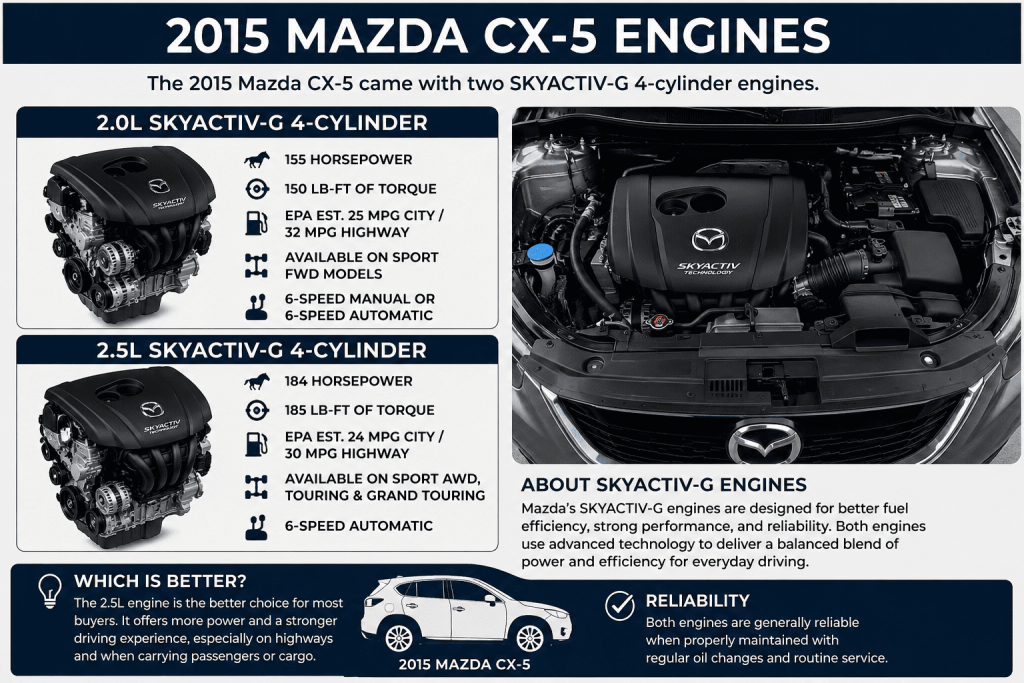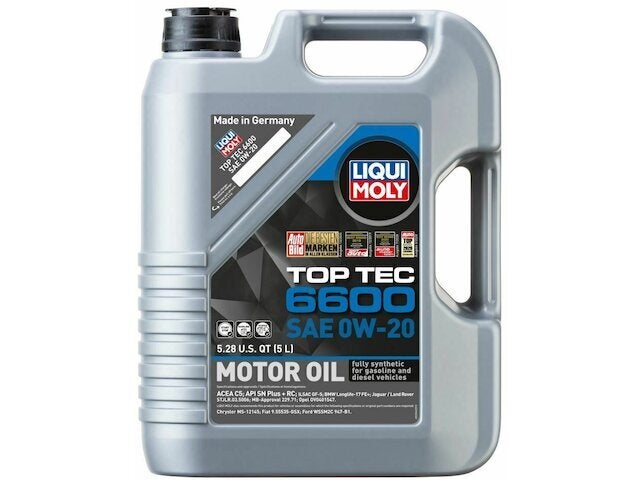
When it comes to maintaining a Mazda CX-5, nothing affects engine performance and longevity more than your choice of motor oil. With varying climates, driving habits, and engine options across model years, understanding the recommended oil for a Mazda CX-5 isn’t just a matter of picking from the shelf—it’s a science that can save money, increase reliability, and protect your engine for the long run.
This in-depth guide will walk you through all the essentials: Mazda’s factory oil specifications, oil viscosity choices, synthetic vs conventional oil, service intervals, oil capacity, recommendations for high-mileage vehicles, and real-world driving scenarios. Whether you’re doing your own maintenance or preparing to talk to your service advisor, you’ll walk away informed and confident.
Why the Right Oil Matters in Your Mazda CX-5
Engine oil does far more than lubricate moving parts: it reduces friction, controls operating temperature, prevents wear, protects against corrosion, and keeps the engine clean by suspending contaminants. Choosing the wrong oil—or failing to change it on schedule—can lead to:
- Increased engine wear
- Reduced fuel economy
- Higher oil consumption
- Internal sludge formation
- Potential long-term engine damage
For modern engines like the Mazda CX-5’s Skyactiv-G and Skyactiv-D powerplants, oil technology must match the engine’s precision tolerances and combustion characteristics.
Mazda’s Factory Recommended Oil Specification
Across most Mazda CX-5 model years and engine options, Mazda specifies full synthetic motor oil meeting API (American Petroleum Institute) standards and the following viscosity grades:
- 0W-20 — This is the most common Mazda recommended oil viscosity for gasoline Skyactiv-G engines (2.0L and 2.5L naturally aspirated).
- 5W-30 — Used in some older models or specific markets; check your owner’s manual.
- Diesel engines (Skyactiv-D) — Typically require a diesel-rated synthetic oil meeting CJ-4 or equivalent spec.
Why Mazda favors 0W-20
Mazda specifies 0W-20 for its light viscosity profile:
- Improves cold-start flow to protect the engine on startup
- Reduces internal friction for better fuel economy
- Meets Skyactiv engine requirements for modern emissions and performance
Always refer first to the specific model year owner’s manual for the exact recommended viscosity.
Synthetic vs Conventional Oil: What’s Best for Your CX-5
Synthetic oil is engineered through a controlled process that results in:
- Higher stability at extreme temperatures
- Better shear resistance
- Superior protection against deposits and sludge
- Longer service life
Modern Mazda CX-5 engines benefit from synthetic oil because they operate with tight clearances and high efficiency, which conventional oil struggles to protect over time.
Bottom line: For virtually all Mazda CX-5 applications, full synthetic oil is the best choice unless the owner’s manual explicitly allows conventional for that model year.
Recommended Oil Viscosity by Common Mazda CX-5 Engines
| Engine | Recommended Oil Viscosity | Notes |
|---|---|---|
| 2.0L Skyactiv-G Gasoline | 0W-20 | Most common, excellent for all climates |
| 2.5L Skyactiv-G Gasoline | 0W-20 | Best balance of protection and economy |
| Skyactiv-D Diesel (if equipped) | Diesel-rated 5W-30 | Requires diesel spec CJ-4 or better |
Important: Mazda does not recommend higher viscosity (e.g., 10W-30) for stock CX-5 engines unless aftermarket conditions or severe use justify it. Using a non-recommended viscosity may impact warranty coverage.
Oil Change Interval: When to Service
Mazda generally recommends:
- Every 7,500 to 10,000 miles or 12 months, whichever comes first, for normal driving.
- More frequent service under severe conditions (towing, heavy city driving, extreme temperatures).
Always follow the oil life monitored by the Mazda maintenance system if your CX-5 is equipped with it; it adapts based on real driving conditions.
How Much Oil Does a Mazda CX-5 Take?
Oil capacity varies by engine and year:
- 2.0L Skyactiv-G: ~4.0 to 4.3 quarts (3.8–4.1 L)
- 2.5L Skyactiv-G: ~4.8 to 5.1 quarts (4.5–4.8 L)
- Skyactiv-D Diesel: ~6.0 to 6.5 quarts (5.7–6.2 L)
Always check the dipstick and top up if necessary after the initial fill, as environmental conditions and oil filter displacement can affect final volume slightly.
High-Mileage Mazda CX-5: Special Oil Considerations
If your CX-5 has over 75,000 miles:
- Consider a high-mileage synthetic oil designed for engines with wear and seal hardening.
- High-mileage oils include conditioners that help soften seals and reduce leaks.
- Still use Mazda’s recommended viscosity (commonly 0W-20) unless manual specifies otherwise.
For vehicles with 150,000+ miles, some owners prefer 5W-30 viscosity if permitted, as it offers a slight buffer in thicker film strength, but only if approved for that engine.
Severe Service and Driving Conditions
If your Mazda CX-5 experiences:
- Short city trips in cold weather
- Frequent towing or heavy loads
- Extended idling or stop-and-go traffic
Consider shortening the oil change interval to every 5,000–7,500 miles to protect against contaminants and heat cycling.
Best Mazda CX-5 Engine Oil Brands Worth Considering
Here are widely recommended synthetic oil brands that meet Mazda specifications:
- Mobil 1™ 0W-20 Full Synthetic
- Castrol® EDGE 0W-20 Full Synthetic
- Pennzoil® Platinum 0W-20 Full Synthetic
- Valvoline™ Advanced Full Synthetic 0W-20
Choose oil that carries the API Certified “Starburst” or “Resource Conserving” mark and the correct viscosity.
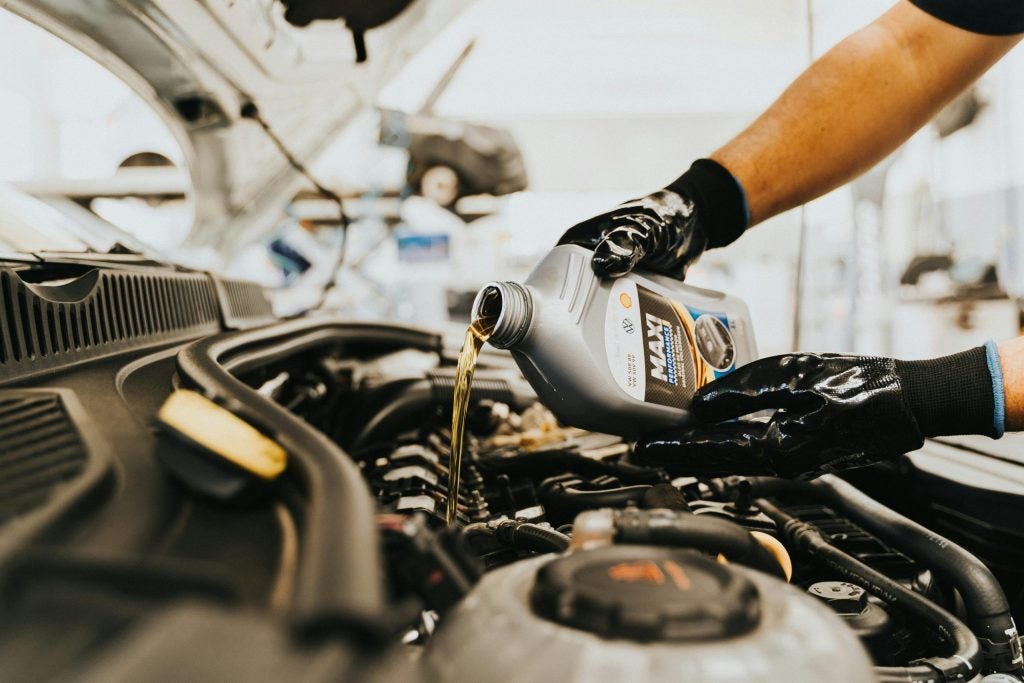
Step-by-Step: How to Change Mazda CX-5 Oil (Overview)
If you plan to do your own oil change:
- Warm up the engine slightly so oil flows easily
- Safely lift the vehicle and secure it on stands
- Drain old oil and replace the oil filter
- Refill with the recommended oil grade (e.g., 0W-20)
- Run the engine briefly, check for leaks
- Re-check oil level and adjust accordingly
Always dispose of used oil and filters at a proper recycling facility.
Common Oil-Related Issues CX-5 Owners Encounter
Oil consumption
- Some Mazda CX-5 engines may consume a small amount of oil between services—normal within manufacturer tolerances, but monitor with dipstick checks.
Sludge
- Rare with modern CX-5 and proper synthetic oil; occurs when oil isn’t changed often enough.
Leaks
- Valve cover gaskets or oil filter housing leaks can compromise oil performance; fix leaks promptly.
Mazda CX-5 Recommended Oil: Dos and Don’ts
Do
- Use the recommended viscosity in the owner’s manual
- Choose full synthetic oil
- Change oil on a regular schedule
- Track oil levels between services
Don’t
- Mix different viscosity oils
- Use conventional oil if manual specifies synthetic
- Skip oil filter replacement
- Ignore oil life monitoring messages
Why Following Mazda’s Oil Recommendations Pays Off
Sticking to Mazda’s recommended oil:
- Optimizes engine performance
- Improves fuel economy
- Reduces wear and tear
- Maintains resale value
- Keeps warranty compliance intact
Bad or incorrect oil choices contribute to early wear, poor fuel economy, and loss of performance that no tune-up can fully fix.
Wrap-Up: Choosing the Best Oil for Your Mazda CX-5
For virtually all Mazda CX-5 owners, the Mazda recommended oil is:
Full synthetic 0W-20 motor oil meeting API specifications.
Always consult your exact model year owner’s manual for specific requirements and confirm viscosity and service intervals. When in doubt, talk to your Mazda dealer service department or a trusted independent shop that understands Skyactiv technology.
Your engine is the heart of your Mazda CX-5—treat it with the right oil, and it will reward you with long life, smooth performance, and reliability for many miles.
FAQ: Mazda CX-5 Recommended Oil
1) What oil does Mazda recommend for the Mazda CX-5?
For most Mazda CX-5 gasoline models, Mazda recommends full synthetic 0W-20 motor oil that meets current API standards. This viscosity is engineered specifically for Skyactiv engines to balance protection, fuel efficiency, and long-term reliability.
2) Can I use 5W-30 instead of 0W-20 in my Mazda CX-5?
Only if your owner’s manual explicitly allows it. Some older CX-5 model years or specific markets permit 5W-30, but many modern Skyactiv engines are optimized for 0W-20. Using a thicker oil than recommended can reduce fuel economy and affect cold-start protection.
3) Does the Mazda CX-5 require full synthetic oil?
Yes, for most model years. Mazda CX-5 engines are designed with tight tolerances and high efficiency, which benefit from full synthetic oil. Conventional oil does not provide the same heat resistance or cleanliness and is not recommended for most CX-5 engines.
4) How often should I change the oil in a Mazda CX-5?
Under normal driving conditions, Mazda typically recommends every 7,500 to 10,000 miles or once a year, whichever comes first. If you drive in severe conditions (short trips, heavy traffic, towing, extreme temperatures), changing oil closer to 5,000–7,500 miles is safer.
5) How much oil does a Mazda CX-5 take?
Oil capacity depends on the engine:
- 2.0L Skyactiv-G: about 4.0–4.3 quarts
- 2.5L Skyactiv-G: about 4.8–5.1 quarts
Always confirm with the dipstick after refilling, as the exact amount can vary slightly by model year and oil filter.
6) Is high-mileage oil good for a Mazda CX-5?
Yes, if your CX-5 has 75,000 miles or more, a high-mileage full synthetic oil in the correct viscosity can help condition seals and reduce minor oil consumption. Do not switch to a thicker oil unless Mazda approves it for your engine.
7) What happens if I use the wrong oil in my Mazda CX-5?
Using the wrong viscosity or low-quality oil can lead to:
- Reduced fuel economy
- Increased engine wear
- Poor cold-start lubrication
- Possible warranty issues
Over time, incorrect oil choice can shorten engine life, even if oil changes are done regularly.