Blog

All 2025 Mazda CX-50 Hybrid 2025 Mazda CX-30 2025 Mazda CX-50 Reliability

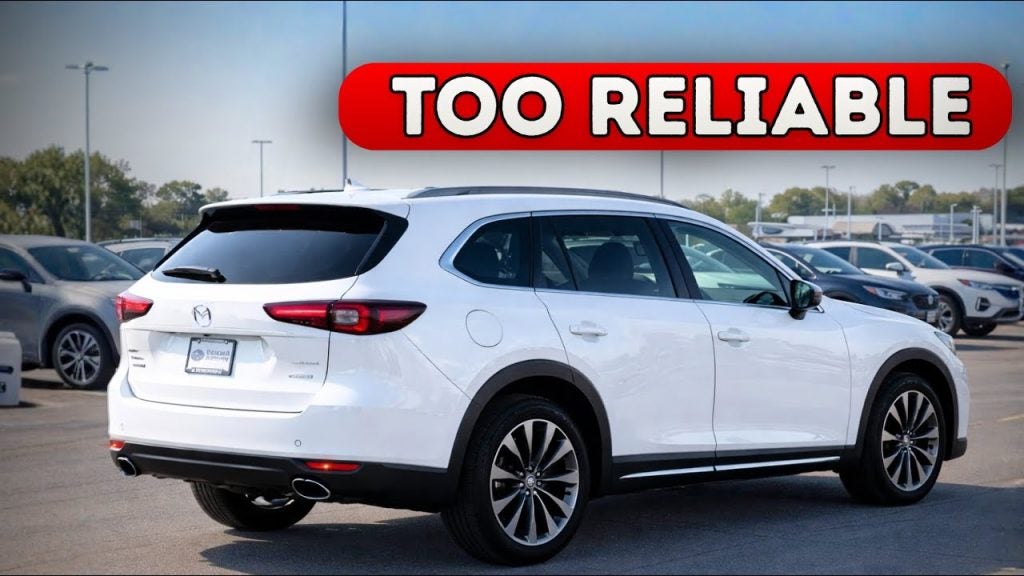
Most Reliable Used Car Brands For This Year

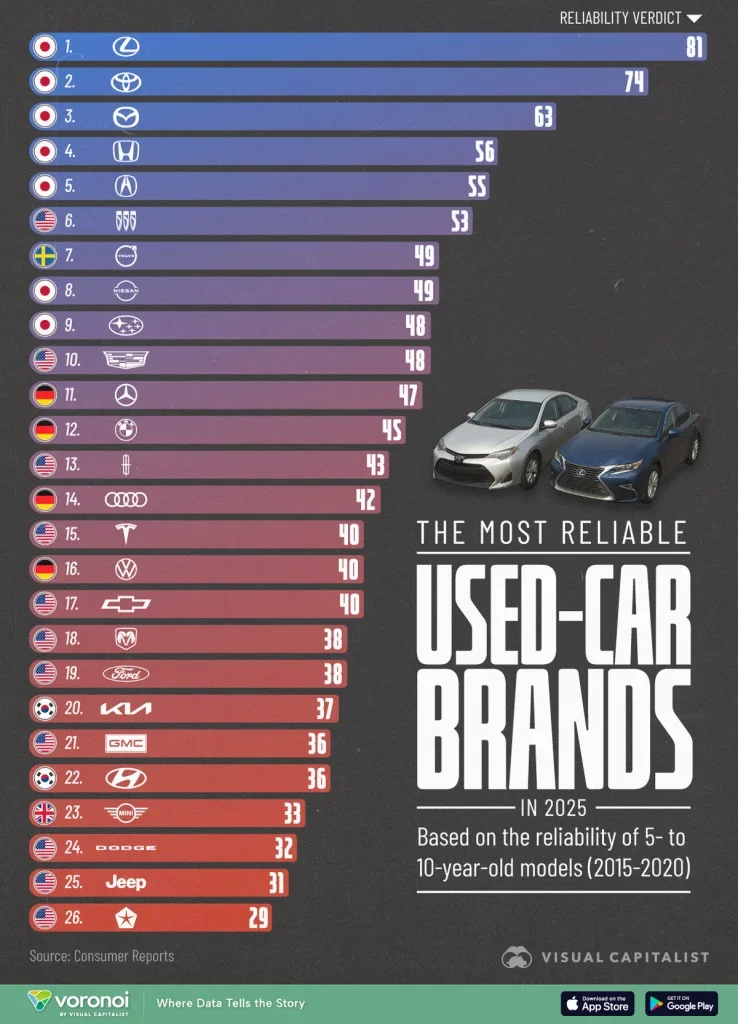
Why Mazda Stands Out as the Smartest Long-Term Used-Car Buy Reliability matters more in the used-car market than anywhere else. New cars benefit from warranties, dealer support, and manufacturer incentives. Used cars rely on something far more important: engineering durability. When vehicles reach 5 to 10 years old, marketing disappears and only build quality remains. According to the 2025 reliability rankings for used vehicles (2015–2020 models), Mazda ranks 3rd overall among the most reliable used car brands in the market. Only Lexus and Toyota rank higher. This is not a branding award. This is not a perception study. This is a long-term durability ranking. And Mazda’s position is not accidental. The Top Reliability Tier (Used Market 2025) Based on the ranking: Lexus – Reliability Score: 81 Toyota – Reliability Score: 74 Mazda – Reliability Score: 63 Honda – 56 Acura – 55 Buick – 53 These brands represent the top tier of used-car reliability, where long-term ownership stability is strongest and risk is lowest. Mazda’s placement at #3 puts it above Honda, Acura, Buick, Volvo, Nissan, Subaru, BMW, Mercedes-Benz, Tesla, Volkswagen, and Audi in used-car dependability. That is significant. Why Mazda Performs So Well in the Used Market Mazda’s strength in used-car reliability comes from engineering strategy, not marketing strategy. 1. Conservative Powertrain Design Mazda avoids over-engineering its engines. Its powertrains are: Naturally aspirated in most trims Conservatively tuned Thermally stable Mechanically simple Built for long service life This reduces long-term failure risk in used vehicles, where stress accumulation becomes critical. 2. Conventional Transmissions Mazda relies primarily on traditional automatic transmissions, not complex dual-clutch systems or high-failure-rate CVTs. This matters in the used market because: Conventional automatics age more predictably Maintenance costs are lower Failure patterns are more manageable Serviceability is better Replacement costs are lower Transmission failure is one of the most expensive used-car repairs. Mazda avoids that risk category. 3. Low System Complexity Mazda vehicles from 2015–2020 (the years analyzed) are not overloaded with: Experimental electronics Over-integrated infotainment systems Heavy software dependency Over-digitized controls Excessive sensor networks Lower complexity = fewer long-term failure points. Used cars fail at the system level, not the design level. Mazda minimizes system risk. 4. Balanced Engineering Philosophy Mazda engineers for: Durability Consistency Longevity Predictable aging Structural integrity Not for: Extreme performance Experimental tech Rapid innovation cycles Feature saturation Trend chasing This creates vehicles that age well, which is the core requirement for used-car reliability. Why Mazda Beats Many “Luxury” Brands in Used Reliability Mazda outranks brands like: BMW Mercedes-Benz Audi Tesla Volkswagen Volvo This is not because Mazda is more luxurious. It is because Mazda is less complex. Luxury brands often suffer in the used market due to: High electronic system integration Complex drivetrains Software dependency Expensive proprietary parts High sensor density Advanced but fragile systems These technologies age poorly without constant maintenance and expensive repairs. Mazda’s simpler architecture ages better. Mazda vs Honda in the Used Market Mazda ranks higher than Honda in this dataset. This reflects: Lower system complexity Fewer CVT failures Simpler drivetrain architecture Lower long-term repair frequency Better mechanical aging patterns Honda still performs well, but Mazda’s conservative engineering gives it an edge in long-term durability. Mazda vs Toyota in the Used Market Toyota still ranks higher overall, but Mazda’s gap is smaller than most people expect. The difference: Toyota benefits from massive scale and platform standardization Mazda benefits from engineering discipline and simplicity Mazda achieves near-Toyota reliability without Toyota-level production volume. That is a major achievement. Why Mazda Is a Smart Used-Car Buy From a buyer’s perspective, Mazda offers a rare combination: High reliability Lower resale pricing than Toyota/Lexus Strong build quality Good availability in the used market Manageable repair costs Strong parts availability Durable engines Stable transmissions This creates high reliability per dollar spent, which is the true metric of used-car value. Reliability by Brand Tier (Used Market) Elite Tier (Lowest Risk) Lexus Toyota Mazda High Tier Honda Acura Buick Medium Tier Volvo Nissan Subaru Cadillac Mercedes-Benz BMW High Risk Tier Tesla Volkswagen Chevrolet Ram Ford Kia GMC Hyundai Lowest Reliability Tier MINI Dodge Jeep Chrysler What Mazda’s Ranking Actually Means Mazda’s #3 ranking means: Lower long-term repair frequency Lower catastrophic failure probability Better mechanical aging Fewer system-level failures More predictable ownership costs Higher long-term dependability For used-car buyers, this translates into: Fewer surprise repairs Lower long-term cost volatility Better reliability confidence Lower ownership stress Higher resale stability Strategic Interpretation Mazda does not chase market dominance. It does not chase tech hype. It does not chase feature overload. It does not chase trend cycles. Mazda chases: engineering quality mechanical stability durability long-term performance reliability consistency That strategy does not produce viral popularity. It produces long-term reliability rankings. Final Verdict The used-car reliability rankings confirm a clear truth: Mazda is one of the safest used-car brands you can buy in 2025. Not because it is flashy. Not because it is hyped. Not because it is trendy. But because it is: engineered conservatively mechanically durable system-stable structurally reliable designed to age well Ranking #3 overall, Mazda proves that long-term reliability is not about brand size or marketing dominance. It is about engineering discipline. For used-car buyers who prioritize dependability, Mazda is no longer an underrated option. It is a top-tier reliability brand. 1) Why does Mazda rank so high in used-car reliability rankings? Mazda ranks high because of conservative engineering choices. Its vehicles use simple, proven engines, conventional automatic transmissions, and low system complexity. Fewer electronic systems, fewer experimental technologies, and durable mechanical platforms allow Mazda vehicles to age more predictably and reliably than many competitors in the used market. 2) Is a used Mazda more reliable than a used Honda or Nissan? In many reliability studies, used Mazdas now rank equal to or higher than Honda and significantly higher than Nissan. This is largely due to Mazda avoiding CVT transmissions and complex drivetrain systems, which are common long-term failure points in used vehicles. Mazda’s mechanical simplicity gives it an advantage in long-term ownership. 3) How long do Mazda engines typically last in used vehicles? With proper maintenance, Mazda engines commonly last 200,000 to 250,000 miles, and many exceed 300,000 miles in real-world ownership. Longevity depends on service history, driving conditions, and maintenance discipline, but Mazda engines are known for long service life and low catastrophic failure rates. 4) Are used Mazdas expensive to maintain? No. Used Mazdas are generally affordable to maintain compared to many competitors. Parts availability is strong, repair complexity is low, and most systems use conventional mechanical designs. This keeps repair costs predictable and prevents extreme maintenance expenses over time. 5) What makes Mazda a smart used-car buy compared to luxury brands? Mazda often outperforms luxury brands in used-car reliability because it avoids high-complexity systems, heavy software integration, and fragile electronics. Luxury vehicles may offer more features, but those features increase long-term failure risk. Mazda’s simpler design philosophy results in better durability, lower repair risk, and more stable ownership costs in the used market.
Mazda Engine Reliability - An Expert Analysis

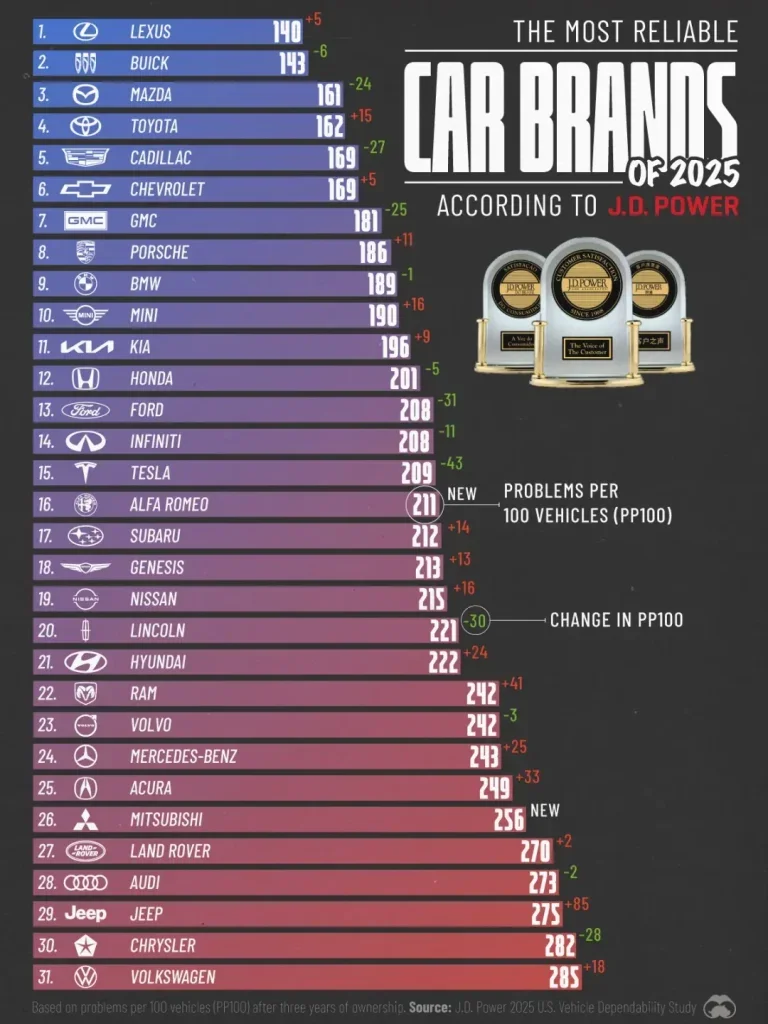
What the J.D. Power Data Actually Reveals About Brand Dependability Reliability is no longer about perception. It is about measurable data. The J.D. Power 2025 U.S. Vehicle Dependability Study ranks car brands based on Problems Per 100 Vehicles (PP100) after three years of ownership. Lower PP100 means fewer reported problems and higher long-term reliability. This ranking provides a rare look at real-world dependability, not marketing claims, not brand loyalty, and not showroom impressions. It reflects ownership reality: defects, failures, system issues, and long-term durability. The results reveal a clear pattern — and several surprises. Understanding the Metric: PP100 PP100 (Problems Per 100 Vehicles) measures how many problems owners report per 100 vehicles after three years of ownership. Lower number = higher reliability Higher number = lower reliability This includes mechanical issues, electrical faults, infotainment failures, drivetrain problems, interior quality issues, and system malfunctions. This is not warranty data. This is not early ownership data. This is long-term ownership reliability. Top Tier Reliability Brands of 2025 1. Lexus — 140 PP100 Lexus leads the industry in reliability. This is consistent with long-term trends. Toyota-based engineering, conservative powertrain design, and mature manufacturing processes continue to deliver class-leading dependability. 2. Buick — 143 PP100 Buick’s position is one of the most overlooked stories in modern reliability rankings. Strong platform standardization and simplified drivetrain architectures have significantly improved long-term dependability. 3. Mazda — 161 PP100 Mazda’s placement in the top three confirms what long-term owners already know. Conservative engineering, durable engines, simple transmissions, and low system complexity translate into strong reliability performance. 4. Toyota — 162 PP100 Toyota remains a reliability leader, although no longer uncontested at the top. Its reliability is still excellent, but competition from Mazda and Buick reflects shifting industry performance. 5. Cadillac — 169 PP100 Cadillac’s improvement reflects better quality control, platform consolidation, and improved manufacturing consistency. Strong Reliability Tier These brands remain solid performers with good long-term dependability: Chevrolet — 169 PP100 GMC — 181 PP100 Porsche — 186 PP100 BMW — 189 PP100 MINI — 190 PP100 Kia — 196 PP100 Honda — 201 PP100 This group reflects acceptable to strong reliability, though not class-leading. Many of these brands trade complexity, performance, or technology integration for increased system failure probability. Middle Tier Reliability These brands show moderate reliability performance: Ford — 208 PP100 Infiniti — 208 PP100 Tesla — 209 PP100 Alfa Romeo — 211 PP100 Subaru — 212 PP100 Genesis — 213 PP100 Nissan — 215 PP100 Lincoln — 221 PP100 Hyundai — 222 PP100 This tier represents mixed reliability profiles. Some models perform well, others underperform, leading to average brand-level scores. Lower Reliability Tier These brands show elevated problem rates: Ram — 242 PP100 Volvo — 242 PP100 Mercedes-Benz — 243 PP100 Acura — 249 PP100 Mitsubishi — 256 PP100 This reflects increasing system complexity, higher electronic integration, and higher technology density, which statistically increases failure probability over time. Lowest Reliability Tier These brands rank at the bottom of dependability: Land Rover — 270 PP100 Audi — 273 PP100 Jeep — 275 PP100 Chrysler — 282 PP100 Volkswagen — 285 PP100 These brands consistently struggle with long-term reliability due to: Complex electronics Platform fragmentation High system integration Software dependency Drivetrain complexity Manufacturing variability The Mazda Position: Why It Matters Mazda ranking 3rd overall is not accidental. Mazda achieves this through: Conservative powertrain design Proven engine platforms Conventional automatic transmissions Low electronic system complexity Predictable mechanical architecture Focus on durability over novelty Stable manufacturing quality control Mazda does not chase: Extreme performance Excessive digitalization Experimental platforms Over-integrated infotainment ecosystems Aggressive tech stacking This strategy produces fewer long-term failures. Reliability is not about innovation speed. It is about engineering stability. The Bigger Pattern in the Rankings A clear reliability pattern emerges: High Reliability Brands: Conservative engineering Simple mechanical systems Mature platforms Proven drivetrains Low software dependency Low Reliability Brands: Complex electronics High software integration Platform fragmentation Performance-driven architectures Over-engineered systems Heavy digital dependency This is not brand-specific bias. It is engineering reality. Complexity increases failure probability. Change in PP100: What It Signals The image also shows change in PP100, indicating whether brands improved or worsened year-over-year. Positive change = more problems Negative change = fewer problems Brands like Tesla, Ford, Infiniti, and Lincoln show large negative changes, meaning improvement. Brands like Jeep and Mercedes-Benz show significant increases, meaning worsening reliability. This highlights that reliability is dynamic, not static. What This Means for Buyers If long-term reliability is your priority: Best Reliability Strategy Choose brands that prioritize: Simplicity Proven systems Conservative design Mechanical durability Low tech saturation Avoid Risk Factors High risk reliability profiles include: Heavy infotainment dependency Complex hybrid systems Over-integrated digital platforms Performance-focused architectures Experimental drivetrain designs Final Interpretation The 2025 rankings confirm a fundamental truth: Reliability is engineered, not marketed. Brands at the top of the list do not chase trends. They chase consistency. Mazda’s position near the top reflects: Smart engineering choices Durable powertrain platforms Conservative system integration Long-term reliability strategy Quality over hype This is why Mazda ranks alongside Lexus, Buick, and Toyota — not by marketing power, but by engineering discipline. Final Verdict The J.D. Power 2025 dependability data clearly shows: Reliability leaders are conservative engineers Reliability losers are complexity builders Mazda is now officially a top-tier reliability brand Simplicity beats innovation when it comes to durability Long-term ownership matters more than short-term features This ranking does not measure excitement. It does not measure design. It does not measure technology. It measures dependability over time. And by that standard, the data is clear: Mazda is no longer underrated — it is statistically proven reliable.

Why Mazda Is Not as Popular as Other Car Brands

A Strategic, Market, and Perception-Based Analysis Mazda is widely respected by automotive journalists, engineers, and long-term owners. It builds vehicles known for handling, reliability, and design quality. Yet despite these strengths, Mazda does not enjoy the same mainstream popularity or market dominance as brands like Toyota, Honda, Hyundai, or Ford. This creates a paradox: ad testing 2 Mazda makes objectively good vehicles, but does not command mass-market popularity. The reason is not product quality. It is strategy, perception, scale, and positioning. This article explains why Mazda remains underrated rather than unpopular, and why it struggles to achieve the same cultural and commercial visibility as larger brands. Popularity vs Quality Are Not the Same Thing Popularity is driven by: Brand exposure Advertising dominance Market penetration Fleet sales volume Cultural visibility Dealer network density Financing accessibility Mass-market familiarity Quality is driven by: ad testing 2 Engineering Reliability Build standards Materials Mechanical design Durability Ownership satisfaction Mazda scores high on quality metrics but lower on mass visibility metrics. That gap explains most of the popularity difference. 1. Mazda Is a Smaller Company Mazda is not a global industrial giant like Toyota, Volkswagen, or Hyundai. Smaller scale means: Lower advertising budgets Fewer global factories Lower production volume Smaller dealer networks Reduced fleet presence Lower global market penetration Brands with massive scale dominate: Airports Rental fleets corporate leasing government contracts rideshare fleets taxi markets Mazda does not pursue large-scale fleet sales aggressively, which limits exposure. Visibility drives familiarity. Familiarity drives popularity. ad testing 2 2. Limited Marketing Dominance Mazda does not flood media with advertising the way mass-market brands do. Toyota, Hyundai, and Ford dominate: TV advertising sports sponsorships global events large influencer campaigns motorsport branding stadium naming rights cultural integrations Mazda’s marketing strategy is more restrained and design-focused. This appeals to enthusiasts, but not to mass audiences who respond to repetition and saturation. Mass popularity is often built by exposure volume, not product excellence. 3. Mazda Does Not Compete on Price Wars Mazda does not position itself as the cheapest option in most segments. It avoids: ultra-low entry pricing extreme incentive stacking aggressive subprime financing strategies mass discounting tactics This makes Mazda less visible in: budget buyer segments price-driven advertising markets low-income consumer targeting fleet bulk purchasing contracts Brands that dominate budget segments naturally gain popularity through volume. Mazda focuses on value positioning, not price dominance. ad testing 2 4. Identity Confusion in the Market Mazda does not fit cleanly into one category: It is not luxury It is not budget It is not performance-focused It is not off-road focused It is not fleet-focused It is not utility-dominant Mazda sits in a refined mainstream premium-leaning space that is difficult to market clearly. Toyota = reliability Honda = practicality Subaru = AWD safety Jeep = off-road BMW = performance Mercedes = luxury Tesla = EV innovation Mazda’s identity: Refined driving experience + design + balance + quality That message is harder to simplify into mass-market branding. 5. Dealer Network Density Mazda has fewer dealerships than major competitors. Fewer dealerships means: Less street visibility Less billboard presence Fewer service centers Lower rural access Lower geographic saturation Consumers often buy what they see and what is nearby. Brands with dense dealer networks become default choices simply through convenience. 6. No Mass Fleet Presence Many popular brands dominate: rental car fleets corporate fleets government fleets rideshare platforms Mazda has limited presence in these markets. Fleet exposure creates: brand familiarity normalized ownership perception mass user experience passive advertising If people constantly drive a brand through rentals and fleets, it becomes psychologically familiar and trusted. Mazda does not benefit from this effect at scale. 7. Enthusiast Appeal ≠ Mass Appeal Mazda builds cars that appeal strongly to: driving enthusiasts design-focused buyers reliability-focused owners people who care about handling and balance people who appreciate understated engineering But mass markets respond more to: large screens aggressive styling hype marketing celebrity endorsements perceived status branding loud identity positioning Mazda’s design philosophy is subtle, not flashy. That limits viral popularity. 8. Conservative Product Strategy Mazda avoids: radical styling risks experimental powertrains extreme tech rollouts unproven systems early adoption of unstable platforms This improves reliability but reduces hype. Brands that generate popularity often use: bold redesigns futuristic interiors radical tech launches aggressive innovation narratives Mazda focuses on refinement, not disruption. 9. Cultural Branding Gap Mazda lacks a dominant cultural symbol vehicle. Examples from other brands: Jeep Wrangler Toyota Land Cruiser Ford F-150 Honda Civic Toyota Corolla Tesla Model 3 BMW M3 Mazda does not have a single globally iconic mainstream model that dominates cultural consciousness. The MX-5 Miata is iconic, but niche. 10. Mazda’s Strategy Is Long-Term, Not Viral Mazda plays the long game: reliability durability owner satisfaction resale value quality perception engineering consistency This builds loyal customers, not viral popularity. The Reality Mazda is not unpopular because of bad cars. Mazda is less popular because of strategic positioning. It chooses: quality over hype refinement over flash engineering over marketing balance over extremes durability over novelty loyalty over mass volume These choices produce: strong owner satisfaction high reliability ratings loyal customer bases strong resale value low failure rates But not mass-market dominance. The Better Question The better question is not: “Why isn’t Mazda popular?” The better question is: “Why does Mazda not chase mass popularity?” Because mass popularity often requires: price wars quality compromises overproduction aggressive financing risk fleet dumping brand dilution short-term volume strategies Mazda avoids this model. Final Verdict Mazda is not less popular because it is worse. It is less popular because it is: smaller in scale quieter in marketing conservative in strategy premium-leaning in positioning quality-driven in engineering subtle in branding selective in growth Mazda does not aim to dominate the market. It aims to build durable, well-engineered vehicles for informed buyers. That creates loyalty, not hype. Trust, not noise. Consistency, not viral fame. Long-term value, not short-term popularity.

How Many Miles Does a Mazda CX-5 Last?

Real-World Longevity, Durability, and Long-Term Ownership Expectations One of the most common questions among compact SUV buyers is simple but critical: How many miles can a Mazda CX-5 last? Whether you’re buying new or used, reliability and longevity define value, ownership confidence, and resale potential. The answer is not a fixed number. But with the right context — including maintenance behavior, driving conditions, climate, and build quality — the Mazda CX-5’s lifespan becomes clear and predictable. This guide examines: Expected lifespan in miles What affects longevity Mechanical durability factors Long-term ownership realities Comparisons with segment norms Tips for maximizing life The goal is to give you a practical and realistic picture of how far a CX-5 can go. What “Last” Really Means When we talk about a vehicle lasting a certain number of miles, we mean: The point at which the vehicle can still be used reliably for daily driving The engine and transmission function without major failure Structural and chassis integrity remain intact Repair costs are moderate, not catastrophic The vehicle remains safe and dependable A car with worn interiors but reliable mechanics can still be considered “lasting.” A car immobile due to drivetrain failure cannot. Typical Lifespan Range for a Mazda CX-5 A well-maintained Mazda CX-5 can realistically last: 200,000 to 250,000 miles In many cases — with disciplined maintenance and reasonable usage — some owners report over 300,000 miles before major drivetrain issues occur. These higher figures are exceptions, not guarantees. This range is consistent with modern compact SUVs that emphasize balanced engineering, durable engines, and conservative mechanical design. Why the Mazda CX-5 Lasts This Long Several engineering and design factors contribute to the CX-5’s longevity: Proven Engine Architecture Mazda’s SKYACTIV engines prioritize: Thermal efficiency Reliability over peak performance Conservative internal geometry Proven combustion stability These characteristics help engines avoid high-stress failure points that shorten lifespan. Transmission Design The automatic transmissions in the CX-5 are conventional hydraulic automatics, not complex dual-clutch systems or continuously variable transmissions (CVTs). This reduces: High-speed clutch failures Electronic control complexities Thermal management stress Long-term mechanical variability Simpler transmission design tends to last longer with regular fluid changes and cooling maintenance. Drivetrain Simplicity AWD systems in Mazda’s design use mechanical torque distribution rather than excessive electronic intervention. Fewer electronic actuators and sensors reduce long-term failure likelihood. Balanced Chassis Loads Mazda engineers balance weight distribution and suspension geometry so that: Tire wear is even Suspension components age consistently Frame stress is reduced Steering and control systems remain stable over time All of this contributes to longer component life. What Typically Limits a CX-5’s Lifespan Even reliable vehicles have life-limiting factors. For the Mazda CX-5, the most common wear points include: Routine Wear Components These are not reliability failures but inevitable maintenance items: Brake pads and rotors Tires Suspension bushings Ball joints Wheel bearings Radiators and cooling hoses Belts and pulleys Routine replacement of these items is part of normal ownership. Electronics and Infotainment While not mechanically critical, long-term electrical glitches can emerge in: Infotainment systems Display modules Sensor wiring Connector corrosion These items do not usually cause mechanical failure but can increase ownership frustration. Climate and Usage Harsh climates, heavy snow, road salt exposure, and extended towing all increase long-term wear. These factors do not necessarily shorten life, but they accelerate component aging. Driving Behavior and Its Impact A CX-5 driven gently and maintained consistently will last longer than one driven aggressively or neglected. Key longevity factors include: Gentle Acceleration and Braking Abrupt throttle use and hard braking increases: Engine thermal cycling Brake wear Transmission heat Suspension fatigue Smooth driving distributes mechanical stress more evenly. Highway vs City Driving Highway miles are generally less stressful than frequent short trips, because engines: Reach operating temperature more regularly Avoid excessive cold starts Operate at stable RPM ranges Experience less stop-and-go load on transmission A 120,000-mile highway CX-5 may be healthier than a 100,000-mile city-driven one. Maintenance Practices That Extend Life Longevity is not just engineering; it’s also maintenance. Key practices include: Scheduled Oil & Filter Changes Regular oil changes are the most impactful single maintenance item for engine longevity. Clean oil reduces wear and removes contaminants that shorten engine life. Transmission Fluid Service Even though the transmission is simple and durable, old fluid hardens and loses lubrication quality. Scheduled servicing prevents internal wear. Cooling System Maintenance Ensuring radiator efficiency, thermostat function, and coolant quality prevents thermal stress that ages engine components. Brake and Suspension Inspections Routine inspections prevent misalignment, uneven tire wear, and premature suspension failure. Rust Prevention in Cold Climates Underbody cleaning to remove road salt can prevent corrosion and help chassis longevity. Real-World Ownership Reports Many Mazda CX-5 owners report reaching 200,000+ miles with minimal major repairs. A non-exhaustive pattern among long-term owners includes: Engine remains strong past 150,000 miles Transmission remains smooth beyond 180,000 miles AWD components operate reliably with regular use Suspension components age consistently, not catastrophically Cooling systems perform reliably with scheduled service Higher mileage examples (250,000–300,000 miles) often involve owners with: Strong maintenance discipline Regular filter, fluid, and belt changes High proportion of highway miles Winter tire usage and salt prevention care These anecdotal long-term ownership patterns align with overall mechanical expectations. Comparison With Segment Expectations In the compact SUV segment: 150,000 miles is common for most vehicles 200,000 miles represents above-average durability 250,000 miles positions a vehicle in the top tier of longevity 300,000 miles signals exceptional endurance By these standards, the Mazda CX-5 sits in the above-average to high longevity range for its class. When Replacement Components Come Into Play No vehicle lasts forever without some part replacement. At high mileage, typical replacement items include: Water pump and thermostat Oxygen sensors Alternator and starter Suspension struts and shocks Wheel bearings Exhaust components Driveshaft boots and CV joints These components do not indicate failure of the vehicle’s design. They represent wear items that are expected over long life. Buying Used: Longevity Considerations If you’re considering a used CX-5, here are key markers of future longevity: Consistent service records No skipped scheduled maintenance Recent oil and transmission service No excessive rust or corrosion Tires in good condition No accident history Moderate mileage relative to age No persistent check engine light A well-maintained older CX-5 may last as long or longer than a lesser-maintained newer one. Ownership Costs Over Time Long life is only valuable if ownership costs remain predictable. The CX-5’s reputation for: Moderate repair costs Solid parts availability No costly systemic failures Simple AWD architecture Conventional automatic transmission helps keep ownership costs consistent even at higher mileage. This reliability results in lower cost variability over time, a key component of true long-term value. Final Assessment A Mazda CX-5 can realistically last: 200,000 to 250,000 miles with standard ownership behavior. With disciplined maintenance, careful driving, and conditions that favor long life, some owners report: 250,000 to 300,000 miles or more. These figures place the CX-5 in the upper tier of compact SUV durability. It is not an anomaly — it is a product of thoughtful engineering, predictable mechanical design, and a drivetrain that avoids unnecessary complexity. The CX-5’s longevity is not a guarantee, but it is a well-supported expectation for buyers who treat maintenance as an investment rather than an expense.

How the Mazda CX-50 Handles Snow and Winter Roads

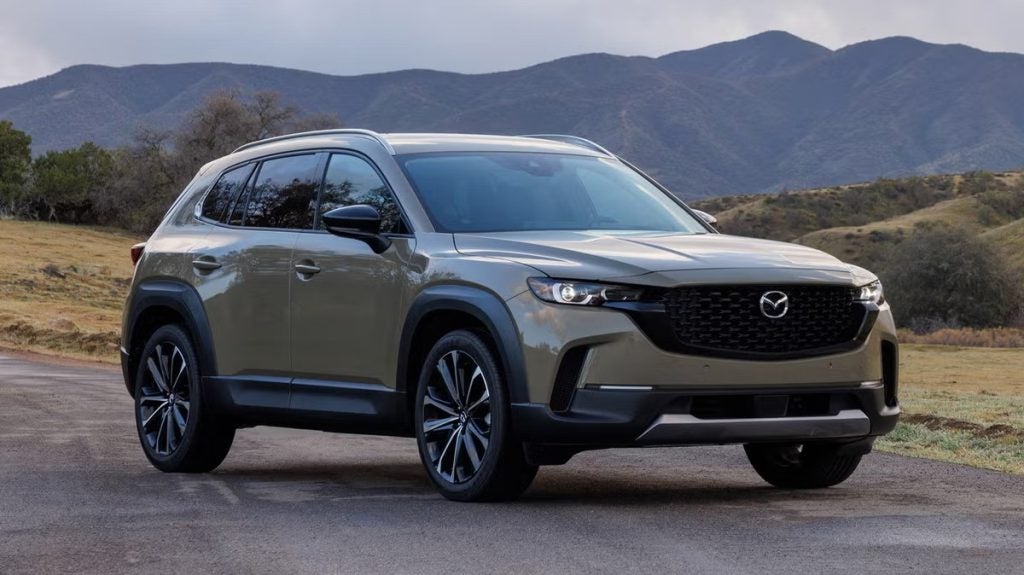
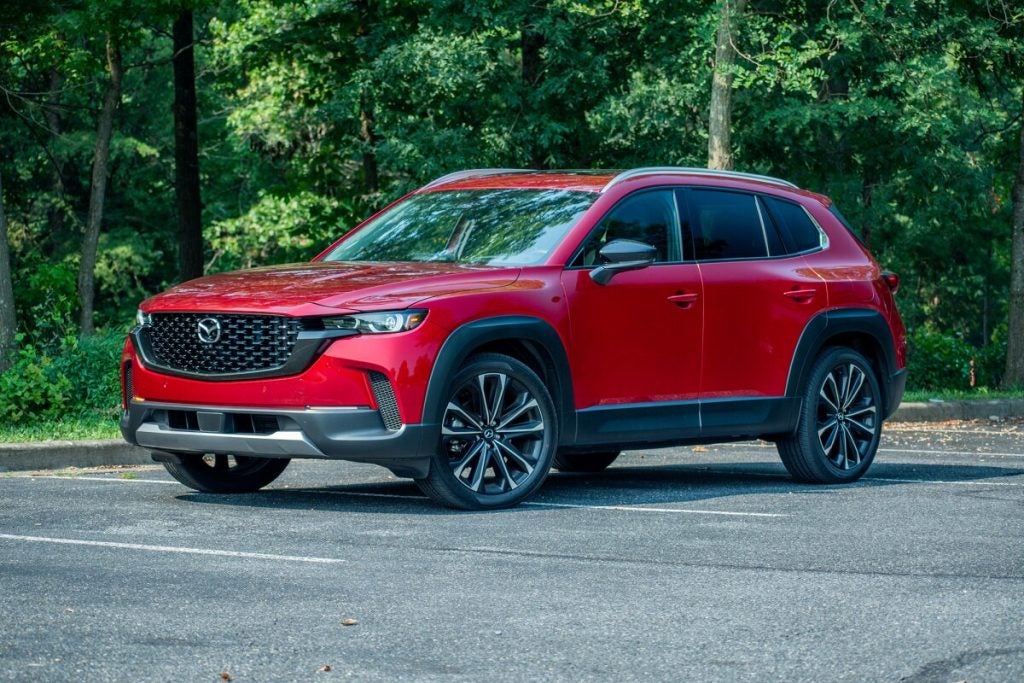
Real-World Winter Performance, Traction Systems, and Cold-Weather Capability The Mazda CX-50 was engineered with a more rugged, outdoors-oriented identity than the CX-5, and winter performance is a major part of that design philosophy. Snow, ice, slush, and freezing temperatures place extreme demands on drivetrain systems, traction control logic, suspension geometry, and tire contact patches. For buyers in cold climates, the real question is not styling or features, but capability: How well does the Mazda CX-50 actually perform in snow? This guide breaks down the CX-50’s winter performance from a mechanical, systems, and real-world usability perspective. Standard All-Wheel Drive: A Major Advantage Unlike many compact SUVs that offer AWD as an option, the Mazda CX-50 comes standard with i-Activ All-Wheel Drive on all trims. This is a significant advantage for winter driving. Mazda’s AWD system is not reactive only after wheelspin occurs. It uses predictive logic based on: Wheel speed sensors Throttle position Steering input Vehicle yaw Outside temperature Road condition estimation The system continuously calculates traction availability and proactively distributes torque to the wheels with the most grip. This means that on snowy surfaces, torque is already being redirected before visible wheelspin occurs, improving stability, launch control, and directional confidence. This type of AWD logic is particularly effective in: Slushy intersections Snow-packed residential roads Icy inclines Wet snow transitions Mixed-surface driving (dry patches + snow patches) Mi-Drive and Snow Conditions The Mazda CX-50 features Mi-Drive (Mazda Intelligent Drive Select), which includes multiple driving modes: Normal Sport Off-Road Towing (on turbo models) While Mazda does not label a specific “Snow Mode,” the Off-Road Mode is designed for low-traction surfaces and uneven terrain. In snowy conditions, this mode alters: Throttle sensitivity Traction control intervention thresholds Torque delivery behavior Wheelspin tolerance at low speeds This allows controlled wheelspin when needed for momentum in deep snow while still maintaining overall stability. It is particularly useful in: Unplowed roads Driveways Snowbanks Deep accumulation zones Rural winter driving For normal city snow driving, the standard AWD system and traction control are usually sufficient without needing Off-Road Mode. Ground Clearance and Snow Mobility The CX-50 offers higher ground clearance than many compact SUVs, which directly improves snow performance. Higher clearance helps with: Snowbank navigation Unplowed side roads Packed snow buildup Avoiding underbody drag Maintaining mobility in deeper accumulation This makes the CX-50 more capable in environments where snow depth becomes a physical obstacle, not just a traction issue. Stability and Chassis Behavior on Snow Mazda’s chassis tuning prioritizes balance and predictability rather than aggressive torque delivery. In winter conditions, this translates into: Smooth weight transfer Predictable cornering behavior Controlled throttle modulation Stable steering response Reduced overcorrection tendencies The CX-50 does not feel abrupt or twitchy in low-traction conditions. Traction control intervention is progressive, not harsh, which improves driver confidence on slippery surfaces. This is especially noticeable during: Lane changes on snow Highway merges in winter Corner exits on icy roads Mixed-traction surfaces Braking and Control in Winter Conditions It is important to understand a core winter driving principle: AWD improves traction and acceleration — not braking. The CX-50’s braking performance in snow is determined primarily by: Tire compound Tire tread design Road surface ABS calibration Driver input The vehicle’s stability control and ABS systems help maintain directional control during braking, but stopping distance is dominated by tire grip. This is true for all vehicles, regardless of drivetrain. Tire Choice: The Most Important Factor No AWD system can compensate for poor tires in winter. For the CX-50, winter performance improves dramatically with: Dedicated winter tires Snow-rated compounds Cold-temperature rubber formulations Aggressive winter tread patterns With winter tires: Braking distance improves significantly Cornering stability increases Ice traction improves Control during emergency maneuvers improves Confidence on hills improves With all-season tires: AWD helps with movement Stability is reduced Braking distances increase Ice traction is limited For true winter capability, winter tires are essential. Real-World Snow Use Cases Urban Winter Driving The CX-50 performs very well in: Slushy intersections Snow-covered side streets Urban plowing conditions Wet snow accumulation Stop-and-go winter traffic AWD engagement is smooth and unobtrusive. Highway Winter Driving Stability at speed is strong, especially in: Snow-packed highways Wind-blown snow Mixed-traction surfaces Black ice conditions Traction control and AWD work together to maintain composure. Rural and Unplowed Conditions The CX-50 shows its strongest advantage in: Gravel-snow mixed roads Unplowed areas Driveways Backroads Cottage roads Trails and access roads Ground clearance + AWD + Off-Road Mode combine for practical winter mobility. Limitations in Severe Winter Conditions No vehicle is immune to physics. The CX-50 still faces limitations in: Deep unplowed snow beyond ground clearance Ice without proper tires Extreme freezing rain Heavy snowdrifts Severe blizzard conditions AWD helps with movement, not stopping. Tires determine grip. Clearance determines mobility. Comfort and Usability in Winter Winter driving is not only about traction. The CX-50 also offers winter usability features such as: Heated seats Heated steering wheel (select trims) Remote start capability Efficient cabin heating Defrosting systems Visibility enhancements These improve winter driving comfort and practicality but do not affect traction directly. Who the CX-50 Is Best For in Snow The Mazda CX-50 is well-suited for drivers who: Live in snow-prone regions Drive in mixed urban and rural winter environments Want standard AWD without trim restrictions Prefer predictive traction systems Value stability over aggressive performance Use proper winter tires Need moderate off-road winter mobility Final Verdict The Mazda CX-50 is highly capable in snow. It delivers strong winter performance through: Standard i-Activ AWD Predictive torque distribution Traction and stability control integration Available Off-Road drive mode Increased ground clearance Balanced chassis tuning While it does not use a labeled “Snow Mode” button, the CX-50 achieves the functional effect of snow mode automatically through its drivetrain and traction systems. With proper winter tires, the CX-50 becomes a confident, stable, and capable winter vehicle suitable for urban snow, highway winter driving, and moderate off-road winter conditions. It is not marketed as a hardcore winter truck or extreme off-road SUV, but as a compact SUV, its snow performance is above average, well-engineered, and confidence-inspiring.

Does the Mazda CX-5 Have Snow Mode?

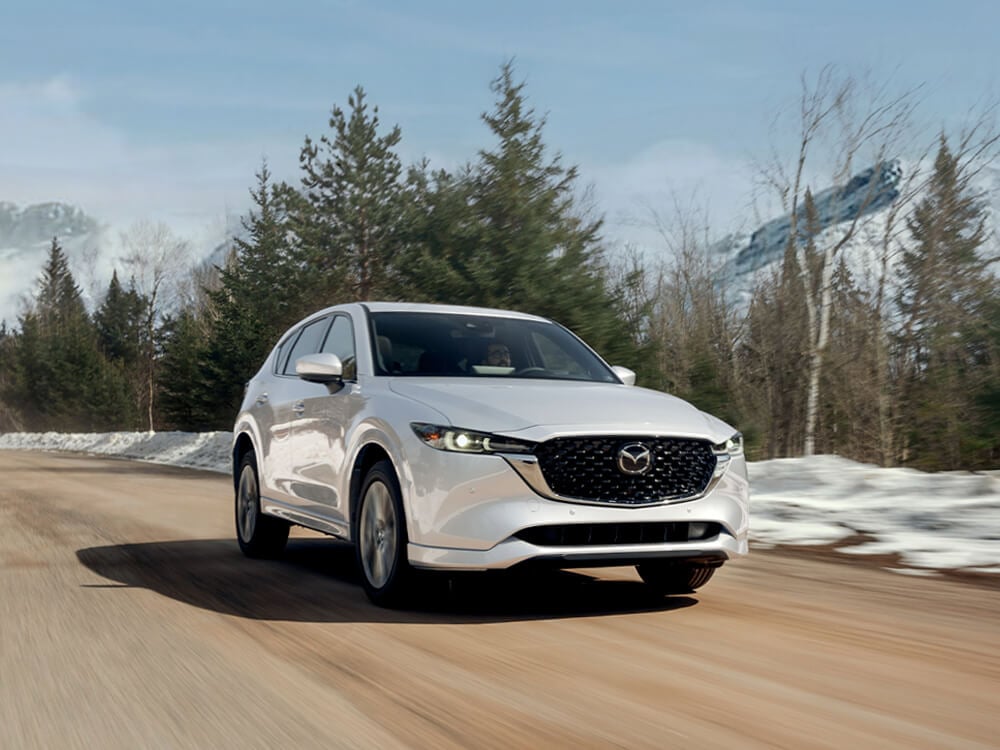
For many buyers in snowy climates, traction control and drivetrain settings are critical. Winter roads demand predictable power delivery, stable handling, and systems that help maintain momentum without spin. Among compact SUVs, one frequently asked question is: Does the Mazda CX-5 have a Snow Mode? The answer is yes — but with important nuances. The CX-5 does not have a dedicated “Snow Mode” button that you might find in some competitor vehicles, but it does include systems and features designed specifically to improve traction and stability in snow and slippery conditions. Understanding how these work will help you maximize confidence and control in winter driving. What “Snow Mode” Typically Means In many modern vehicles, a Snow Mode setting does three things: Modifies throttle response for smoother, gentler power delivery Adjusts transmission shift logic to start in higher gears and avoid wheel spin Changes traction control and AWD logic to prioritize grip over acceleration Some systems also automatically adjust ABS (antilock braking) thresholds or torque vectoring behavior. The goal is consistent: reduce wheelspin and maintain stability on low-friction surfaces. So the real question for the Mazda CX-5 is: Does it deliver these same winter-optimized behaviors? How Mazda CX-5 Handles Snow Without a Dedicated Button Mazda prioritizes mechanical simplicity and intuitive control. Instead of labeling a mode “Snow,” Mazda’s system blends traction logic into the vehicle’s standard driving dynamics systems. Key elements include: 1. i-Activ AWD (All-Wheel Drive) Mazda’s i-Activ All-Wheel Drive system is designed to constantly monitor traction conditions and adjust torque distribution proactively. Rather than reacting only after a slip is detected, i-Activ AWD uses input from multiple sensors — wheel speed, steering angle, throttle position, outside temperature, and more — to anticipate traction loss and distribute torque to the wheels with the most grip. In slippery conditions such as snow or ice, this system functions similar to what a labeled “Snow Mode” setting would do: it limits wheel spin and maximizes stability and forward momentum. 2. Traction Control (TCS) and Stability Control (DSC) The CX-5’s traction and stability control systems are calibrated to enhance grip in low-traction situations. Traction control limits power to wheels that begin to spin, and stability control selectively brakes individual wheels to maintain direction and control. The combined effect is reduced wheelspin and enhanced stability — the same end goal that a “Snow Mode” button delivers on vehicles that offer one. 3. Transmission and Throttle Management While the CX-5 does not have a labeled Snow Mode, its transmission control logic and throttle mapping are inherently conservative in low-traction situations. When the system detects wheelspin, throttle response is automatically softened and shift points are adjusted to help maintain traction and forward momentum. This happens without driver input — a design choice Mazda makes to keep the system seamless and intuitive. So What Does the Driver Actually Do in Snow? In a Mazda CX-5 equipped with AWD, winter driving control is managed largely by the vehicle’s integrated systems. The driver’s job is to: - Leave traction control enabled Turning off traction control in snow is counterproductive; keep it engaged so the vehicle can intervene quickly and appropriately. - Use AWD models for winter conditions Front-wheel drive versions offer traction control but do not have the torque distribution benefits of i-Activ AWD. For consistent snow performance, AWD is strongly recommended. - Use appropriate winter tires Even the best AWD and traction control systems cannot overcome inadequate tire grip. Quality winter tires dramatically improve braking, cornering, and overall control in snow and on ice. Mazda CX-5 vs Named Snow Mode Competitors Some compact SUVs such as certain trims of the Honda CR-V, Ford Escape, Subaru Crosstrek, and Toyota RAV4 have a labeled Snow Mode or Terrain Management System that lets the driver manually select a setting optimized for snow. Here is how the CX-5’s approach compares: Feature Mazda CX-5 Vehicles With Named Snow Mode Dedicated Snow Button No Yes Adaptive Traction Control Yes Yes AWD Torque Distribution Yes (i-Activ AWD) Yes Manual Drive-Mode Selection for Snow No Yes Automatic Low-Traction Optimization Yes Yes Driver Overrides No specific setting Yes Key takeaway: Although Mazda does not use a “Snow” button, the CX-5 implements very similar behavior automatically through its AWD and traction systems. For many drivers, the result in snow is effectively the same as a labeled Snow Mode. When Driving in Snow, What Actually Changes? When snow and slippery surfaces are encountered, the CX-5’s control systems: Throttle Response Automatically softens to reduce wheelspin. Torque Distribution Shifts torque proactively through i-Activ AWD to maximize grip. Torque Reduction Instantly reduces torque at the first sign of wheelspin to regain traction. Shifting Behavior Transmission shifts are modulated to prevent sudden torque spikes that could cause spin. These behaviors combine to create a smoother, more predictable drive in snow without requiring any driver action. Real-World Performance in Snow In real-world winter scenarios, Mazda CX-5 owners report: Better acceleration from stops in snow compared to FWD competitors Confidence through turns with less torque steer Predictable AWD engagement when conditions change Minimal need to manually intervene unless tires are inappropriate Owner feedback also consistently notes that i-Activ AWD engages earlier and more smoothly than some competitors’ torque vectoring systems. Winter Driving Tips for Mazda CX-5 Owners Even with strong traction systems, snow driving requires good technique. Recommended best practices: 1. Use winter tires This is the single most effective way to improve traction, reduce stopping distance, and maintain stability. Quality winter tires significantly outperform all-season tires in snowy and icy conditions. 2. Start in second gear on slippery surfaces On very slick surfaces, starting in a higher gear can reduce torque to the wheels and minimize spin. 3. Avoid abrupt inputs Steady throttle and smooth steering help the CX-5’s traction systems work most effectively. 4. Allow AWD systems to do their job Do not turn traction control off unless vehicle is stuck and directed to by owner’s manual procedures. Conclusion The Mazda CX-5 does not have a labeled Snow Mode button, but it delivers the practical effects of a Snow Mode through integrated systems: Intelligent AWD (i-Activ) Proactive traction and stability control Throttle and transmission management These systems work automatically to optimize performance in snow and low-traction conditions. For most drivers, this yields the same benefits as a dedicated Snow Mode system — without requiring manual mode selection. For winter reliability, the recipe is: i-Activ AWD + traction control + good winter tires = confident snow performance.

Are Mazda CX-5 Reliable? - Expert Advice

Long-Term Ownership & Reliability Analysis Reliability is no longer a secondary concern for modern SUV buyers. In a market saturated with feature-heavy crossovers, buyers increasingly prioritize durability, long-term ownership costs, mechanical integrity, and real-world dependability. The Mazda CX-5 consistently appears in reliability conversations, often ranked alongside segment leaders like the Toyota RAV4 and Honda CR-V. But reputation alone is not enough. This guide examines the Mazda CX-5 through a data-driven reliability lens, separating marketing perception from engineering reality. We analyze long-term ownership patterns, mechanical durability, common failure points, maintenance economics, generational improvements, and real-world reliability performance. This is not a brand pitch. It is a reliability assessment. Reliability Defined (What It Actually Means) Vehicle reliability is not simply about “not breaking down.” It includes: Mechanical durability Component failure frequency Repair cost severity System complexity Longevity of drivetrain components Maintenance predictability Electrical system stability Platform maturity Quality control consistency A vehicle can be modern and comfortable yet unreliable. Another can be simple and mechanically durable while lacking features. Reliability is engineering consistency over time, not marketing claims. Core Engineering Philosophy of the CX-5 Mazda’s reliability advantage starts with engineering design choices: 1) Conservative Mechanical Architecture Mazda avoids excessive complexity. The CX-5 relies on: Naturally aspirated engines in most trims Conventional automatic transmissions Mechanical AWD systems Non-overengineered electronics architecture This matters because complexity increases failure probability. 2) Skyactiv Platform Design Mazda’s Skyactiv engineering focuses on: High compression efficiency Thermal management stability Mechanical simplicity Lightweight structural integrity Reduced part count systems These principles directly improve reliability by reducing stress loads on components. Reliability Data Overview Independent reliability tracking consistently places the Mazda CX-5 above segment average. Industry Patterns Show: Lower-than-average repair frequency Lower-than-average major repair severity Predictable maintenance cycles Fewer drivetrain failures compared to competitors Strong long-term ownership survival rates The CX-5 consistently ranks in the top reliability tier of compact SUVs, not necessarily #1 every year, but reliably in the top group. Powertrain Reliability Engines The CX-5 primarily uses naturally aspirated gasoline engines and select turbo variants. Reliability strengths: No widespread internal engine failures No chronic timing chain issues No systemic head gasket failures No mass oil dilution failures No widespread turbo failure patterns No systemic overheating design flaws This is significant because engine architecture is the most expensive failure category in vehicle ownership. Mazda engines historically emphasize longevity over peak output, which improves reliability margins. Transmission The automatic transmission systems used in the CX-5 are traditional hydraulic automatics, not dual-clutch systems or complex CVTs. Reliability benefits: Lower failure complexity Easier serviceability Proven long-term durability Reduced electronic dependency These transmissions are not performance-focused designs. They are stability-focused designs. AWD System Reliability Mazda’s AWD system is mechanically simple compared to many competitors: No excessive electronic complexity No multi-motor hybrid torque vectoring No experimental driveline architecture This reduces: Transfer case failure rates Differential electronic failures Control module complexity Result: fewer catastrophic AWD repair events over time. Electrical and Electronics Reliability This is the CX-5’s weakest reliability category, though still above segment average. Observed issues: Infotainment glitches (software-based, not hardware) Minor sensor faults in older models Electrical module communication errors in early production years Important distinction: These are non-drivetrain failures, meaning they are: Not vehicle-disabling in most cases Lower-cost repairs Software-updatable in many cases This is different from engine, transmission, or AWD failures, which represent high-cost reliability risks. Structural and Chassis Durability Mazda chassis engineering emphasizes: Rigid body structures Balanced suspension geometry Load-distribution integrity Corrosion resistance design Long-term effects: Fewer suspension mount failures Reduced structural fatigue Lower subframe cracking risk Better long-term alignment stability This directly affects long-term ownership durability. Common Reliability Issues (Reality Check) No vehicle is perfect. The CX-5 does have known weak points: Minor Electrical Issues Mostly software-related, not hardware failures. Brake Wear Patterns Some model years show faster brake wear, but this is not structural failure, only maintenance cost variance. Infotainment Reliability Occasional system resets, connectivity issues, or screen glitches. Early Production Year Issues Early generation models had: Liftgate strut failures Sensor faults Electrical module errors These are typical early-production lifecycle problems and largely resolved in later generations. Generational Reliability Progression First Generation Reliability: Good Issues: Early production bugs, electronics Durability: Strong mechanical base Verdict: Reliable, but not refined Second Generation Reliability: Very strong Issues: Minor software glitches Durability: High Verdict: Best reliability-to-cost balance Recent Models Reliability: Excellent Issues: Minimal Durability: High Verdict: Best long-term ownership confidence Reliability improves by generation, which is a positive engineering trend. Long-Term Ownership Economics Reliability is meaningless without ownership cost context. Cost Characteristics: Predictable maintenance intervals No abnormal major repair clusters Low catastrophic failure rates Affordable parts availability Non-exotic mechanical systems Strong aftermarket support This creates low financial volatility, which is critical for long-term ownership reliability. Reliability vs Competitors Compared to major segment rivals: Toyota RAV4 Very reliable, but higher complexity in hybrid systems Honda CR-V Reliable, but CVT transmission complexity increases long-term risk Subaru Forester Strong AWD, but higher long-term repair costs historically Volkswagen Tiguan Higher complexity, higher long-term failure probability The CX-5 sits in a reliability position defined by: Mechanical simplicity + modern engineering + conservative design philosophy Longevity Expectations With proper maintenance, realistic CX-5 lifespan expectations: 200,000 km achievable without major repairs 250,000 km achievable with disciplined maintenance Drivetrain longevity strong Chassis longevity strong Electrical longevity moderate to strong This places it in the high-longevity vehicle category. Reliability Risk Factors (User-Controlled) Reliability is not only engineering; it is ownership behavior: High-risk factors: Skipped oil changes Transmission fluid neglect AWD system neglect Poor-quality replacement parts Improper servicing Aggressive driving patterns Low-risk ownership behavior dramatically improves CX-5 reliability outcomes. Reliability Profile Summary Strengths: Engine durability Transmission reliability AWD system simplicity Structural integrity Low catastrophic failure rates Predictable maintenance costs Long service life potential Weaknesses: Minor electronics reliability Infotainment software stability Early-year production issues Final Verdict Yes, the Mazda CX-5 is a reliably engineered SUV. Not because of marketing claims, but because of: Conservative mechanical design Proven powertrain architecture Low system complexity Mature platform engineering Strong durability performance Predictable ownership costs Low major repair frequency High long-term survival rates It does not rely on experimental systems, aggressive electrification complexity, or overengineered components. Instead, it follows a durability-first engineering model. That is why it performs well in reliability metrics year after year. Reliability Classification: Mazda CX-5 Reliability Tier: Upper-Tier Compact SUV Not the most technologically complex Not the most powerful Not the most futuristic But structurally sound, mechanically stable, economically reliable, and long-term durable.

Are Mazda SUVs Reliable - Expert Advice

A Deep Ownership Guide Based on Engineering, Real-World Use, and Long-Term Reality Mazda SUVs occupy a unique space in the market. They are not positioned as budget vehicles, but they are not luxury-priced either. They compete on design, driving feel, and engineering discipline rather than flashy tech or gimmicks. But for most buyers, one question matters more than styling or driving dynamics: Are Mazda SUVs actually reliable long-term vehicles, or do they just feel good when new? The short answer is yes, Mazda SUVs are generally reliable. The long answer is more nuanced, and far more useful for buyers who plan to keep their vehicle long-term. Reliability is not a single trait. It is a combination of mechanical durability, system simplicity, repair predictability, and long-term ownership stability. Some brands build reliable engines but unreliable electronics. Others build strong drivetrains but weak transmissions. Some brands look reliable early but become expensive after 100,000 miles. Mazda’s reliability profile is different. It is built on conservative mechanical design, mature engineering platforms, and incremental technology adoption rather than radical experimentation. That approach tends to produce vehicles that age well. What “Reliable” Actually Means in Real Ownership Most people think reliability means “it doesn’t break.” In reality, reliability has layers: Mechanical longevity Engines, transmissions, drivetrains, and cooling systems surviving high mileage without major failure. Operational stability Fewer warning lights, sensor failures, electronic glitches, and software issues. Maintenance predictability Routine service remains routine instead of becoming repair-heavy. Cost stability Repairs remain affordable and predictable, not sudden catastrophic expenses. Mazda SUVs generally perform well in all four categories, especially when compared to brands that use more complex powertrains or experimental systems. Mazda’s Engineering Philosophy and Why It Matters Mazda does not engineer vehicles like most mainstream brands. Instead of chasing extreme fuel economy through complex turbo-hybrid systems or heavy electrification early, Mazda focused on: High-compression naturally aspirated engines Efficient combustion design Lightweight vehicle architecture Balanced power-to-weight ratios Conservative transmission tuning Mechanical simplicity This philosophy matters for reliability because complexity is the enemy of longevity. Fewer moving parts means fewer failure points. Fewer electronic dependencies mean fewer system-level faults. Simpler drivetrains mean fewer cascading failures. Mazda has historically avoided: Dual-clutch transmissions in mass models Early hybrid complexity Experimental CVT systems Over-electrification of basic systems That conservative design strategy pays dividends long-term. Powertrain Reliability Engines Mazda’s Skyactiv-G gasoline engines are widely considered some of the most durable mass-market engines in modern vehicles. They use: High compression ratios Direct injection Optimized combustion chambers Efficient thermal management Strong internal component tolerances These engines are not built for extreme output. They are built for longevity and consistency. They are not highly stressed engines, which is one of the biggest predictors of long-term reliability. Turbocharged Mazda engines are also generally reliable, but like all turbo engines, they require: More frequent oil changes Higher-quality oil Better cooling maintenance Proper warm-up and cool-down habits Turbo reliability is more owner-behavior dependent. Transmissions Mazda primarily uses traditional automatic transmissions, not CVTs and not dual-clutch systems in most of its SUVs. This matters. Traditional automatics: Handle torque better Age more predictably Are easier to service Are more tolerant of heat Have better long-term durability This is a major reliability advantage compared to brands that rely heavily on CVTs. Electrical and Software Reliability This is where modern vehicles struggle across the industry. Mazda SUVs are not immune to: Infotainment glitches Sensor errors Software updates Camera system faults Driver-assist calibration issues However, these are typically non-drivetrain issues. They do not affect the ability of the vehicle to move, operate safely, or function mechanically. In other words: Mazda SUVs may occasionally have software annoyances, but they rarely have systemic mechanical failures. That distinction matters for long-term ownership. Suspension, Steering, and Chassis Reliability Mazda builds vehicles with a strong emphasis on driving dynamics, which means: Rigid chassis design Proper suspension geometry Balanced weight distribution Controlled body movement Strong steering components This reduces uneven wear, improves component life, and minimizes stress on joints and bushings. Suspension wear is normal in all vehicles, but Mazda components tend to wear predictably, not prematurely. Reliability by Mazda SUV Model Mazda CX-5 One of the most reliable compact SUVs in its segment. Long production history, mature platform, proven engines and transmissions. Excellent long-term ownership reputation. Mazda CX-30 Mechanically solid, newer platform. Reliability is good, but newer models naturally carry more software complexity. Mazda CX-50 Strong structural platform. Good mechanical reliability, but newer platform means less long-term data. Mazda CX-9 (previous generation) Strong V6 reliability record. Good long-term durability when properly maintained. Mazda CX-90 (new generation large SUV) Advanced platform with more complexity. Too new for full long-term reliability assessment. Early reliability is acceptable, but long-term data is still developing. Maintenance and Ownership Reality Mazda SUVs are not maintenance-free vehicles. They are maintenance-stable vehicles. This means: Regular service keeps them reliable Ignored maintenance creates problems Preventive care matters But they do not have: Chronic transmission failures Systemic engine defects High failure-rate components Unstable powertrains Cost of Ownership Reliability Reliability is also financial. Mazda SUVs tend to have: Reasonable parts costs Wide parts availability Lower labor complexity Fewer specialty systems Predictable service schedules They are not cheap cars, but they are cost-stable vehicles. Long-Term Ownership Pattern Owners who keep Mazda SUVs long-term typically report: Stable performance Predictable maintenance Low major repair frequency Consistent drivability Few catastrophic failures Problems that do occur tend to be: Sensors Electronics Wear components Software issues Suspension wear Infotainment issues Not drivetrain failures. What Actually Reduces Mazda SUV Reliability Skipped maintenance Poor-quality oil Long oil change intervals Overheating Ignoring warning lights Low-quality fuel Lack of cooling system service Turbo neglect Transmission fluid neglect Ignored recalls These issues affect any brand, but modern Mazdas are less tolerant of neglect than older vehicles. Reliability Compared to Other Brands Mazda SUVs generally outperform: Brands with heavy CVT reliance Brands with early hybrid complexity Brands with high-output turbo systems Brands with over-electrified platforms Mazda prioritizes mechanical stability over novelty. Are Mazda SUVs Built to Last 200,000+ Miles Yes, with proper maintenance. This requires: Regular oil changes Cooling system care Transmission servicing Suspension maintenance Brake system maintenance Proper fuel quality Proper driving habits Mazda powertrains are capable of high mileage when maintained properly. FAQ Section Are Mazda SUVs reliable long term? Yes. They are known for strong long-term mechanical reliability and predictable ownership costs. Which Mazda SUV is the most reliable? Historically, the CX-5 has the strongest reliability record due to its mature platform and proven powertrain. Are Mazda SUVs expensive to maintain? No. Maintenance costs are generally average for the segment, not premium. Do Mazda SUVs have transmission problems? No widespread transmission failure patterns exist for Mazda SUVs. Are turbo Mazda SUVs reliable? Yes, but turbo engines require more disciplined maintenance. Are Mazda SUVs better than Toyota or Honda for reliability? Toyota still leads in conservative reliability engineering. Mazda is competitive and often comparable in real-world ownership. Do Mazda SUVs have electrical issues? Occasional software and sensor issues exist, but not at systemic failure levels. Are Mazda SUVs good for high-mileage ownership? Yes, with proper maintenance. Do Mazda SUVs have known engine problems? No widespread engine failure patterns exist in modern Mazda SUVs. Is Mazda a reliable brand overall? Yes. Mazda is widely considered one of the more reliable mainstream automotive brands. Final Conclusion Mazda SUVs are reliable vehicles, not because they are overbuilt, but because they are intelligently engineered. They rely on: Mechanical simplicity Proven powertrain design Conservative engineering Mature transmission systems Balanced vehicle architecture They avoid excessive complexity and experimental systems, which is one of the biggest predictors of long-term reliability. They are not perfect. No brand is. But they are structurally sound, mechanically stable, and ownership-predictable vehicles. For buyers who value: Long-term ownership Predictable maintenance Mechanical durability Stable performance Lower long-term risk Mazda SUVs are a strong reliability choice in the SUV market.

Steering Wheel Shakes When Braking - Expert Guide

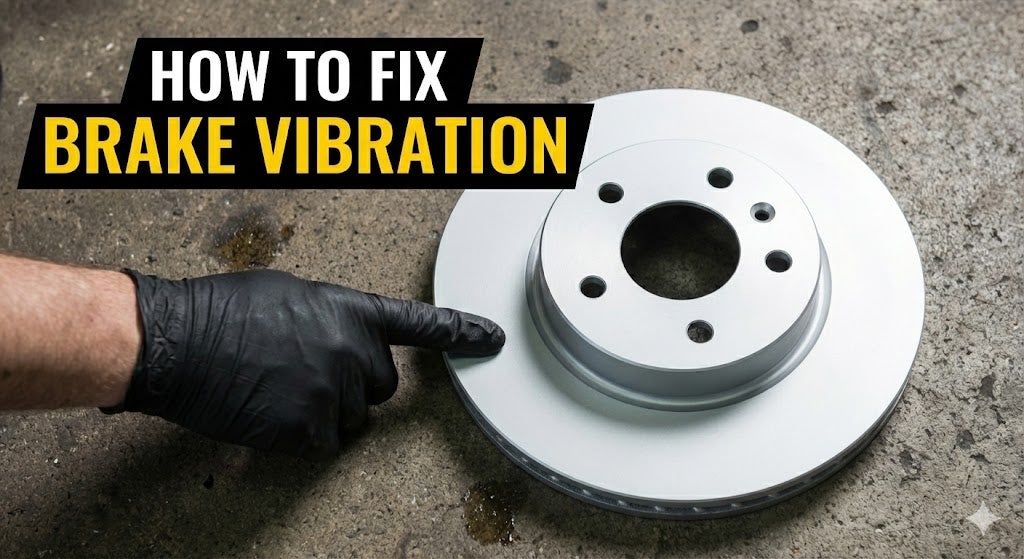
Below is a deep, long-form (~2000-word), professional-grade guide on “Steering Wheel Shakes When Braking” written in a real-world mechanic/engineer tone. No fluff. No emojis. No AI-style language. Structured, technical, practical, and readable. Includes causes, diagnostics, physics, repair logic, and a full FAQ section. Steering Wheel Shakes When Braking A Technical, Real-World Guide to Causes, Diagnosis, and Permanent Fixes If your steering wheel shakes when you press the brakes, something in your braking or suspension system is no longer operating within tolerance. This is not a “normal wear” issue. It is a mechanical imbalance problem, and it always has a physical cause. The vibration you feel is energy transfer. Something is rotating unevenly, flexing under load, or oscillating under braking force. The steering wheel simply becomes the transmission point for that vibration. This guide explains: Why steering wheel shake happens What systems are involved The physics behind braking vibration The most common causes Rare but serious causes How to diagnose correctly Repair priorities Cost logic Safety implications A full FAQ section Understanding the Physics of Braking Vibration When you brake, kinetic energy is converted into heat through friction between the brake pads and rotors. This process must happen evenly across the braking surface. If anything rotates unevenly, the braking force becomes inconsistent. That inconsistency creates a pulsing force that travels through: Wheel hub Knuckle Suspension arms Steering rack Tie rods Steering column Steering wheel You feel it as shake. This is not just vibration. It is cyclic force transfer. Why You Feel It in the Steering Wheel Front brakes do most of the braking work. Typically: Front brakes handle 60 to 75 percent of braking force Rear brakes handle 25 to 40 percent Because the front wheels are also responsible for steering, any braking irregularity in the front end transmits directly into the steering system. Rear brake issues usually cause seat vibration or body shudder, not steering wheel shake. Primary Causes of Steering Wheel Shake When Braking 1. Warped Brake Rotors (Most Common Cause) This is the most frequent reason. What actually happens: Rotors rarely “warp” in the traditional sense. What actually occurs is uneven rotor thickness variation (RTV) caused by: Uneven heat distribution Pad material deposits Improper lug nut torque Overheating Hard braking Poor-quality rotors Improper bedding-in of brake pads This creates high and low spots on the rotor surface. When pads contact these variations, braking force pulses. Symptoms: Steering wheel vibration under braking Worse at highway speeds Worse during heavy braking Pulsing brake pedal Vibration increases with speed 2. Uneven Brake Pad Deposits Modern brake pads deposit a thin friction layer onto rotors. If this layer becomes uneven, it mimics rotor warping. Causes: Aggressive braking Inconsistent pad pressure Cheap brake pads Overheating Improper break-in procedure Result: The rotor surface becomes uneven at a microscopic level, creating vibration. 3. Worn Suspension Components Braking places massive load on suspension geometry. If any of these are worn: Control arm bushings Ball joints Tie rods Sway bar links Strut mounts Steering rack bushings The braking force causes wheel oscillation, which translates into steering wheel shake. This type of shake often feels looser, less rhythmic, and more unstable. 4. Loose or Uneven Lug Nuts This is more common than people think. Uneven torque: Distorts the rotor Causes hub misalignment Creates lateral runout This leads to vibration under braking even with new parts. 5. Wheel Bearing Wear Worn bearings allow the wheel hub to shift under braking load. Symptoms: Vibration while braking Humming noise while driving Vibration increases when turning Steering instability 6. Stuck Brake Caliper A caliper that does not release properly causes: Uneven rotor heating Pad dragging Rotor glazing Thermal distortion This leads to vibration under braking. 7. Bent Wheel or Hub Even small bends can create braking vibration. Causes: Potholes Curbs Accidents Improper jacking points 8. Improper Rotor Installation Common mistakes: Dirty hub surfaces Rust buildup Debris between hub and rotor Improper torque sequence This causes rotor misalignment and lateral runout. Rare but Serious Causes Cracked rotors Bent steering knuckles Damaged subframe Misaligned suspension geometry Chassis damage Failed engine mounts causing load transfer ABS modulation faults Diagnostic Logic (Proper Process) Step 1: Speed Test If vibration increases with speed → likely rotors or wheel bearings If vibration only occurs when braking → brake-related If vibration happens without braking → wheels/tires/suspension Step 2: Brake Pedal Feel Pulsing pedal → rotor thickness variation Soft pedal + vibration → caliper issues Hard pedal + shake → rotor or suspension Step 3: Steering Feel Tight rhythmic vibration → rotors Loose shaking → suspension Wandering + shake → alignment/suspension Step 4: Visual Inspection Rotor discoloration Pad wear patterns Heat spots Uneven wear Rust ridges Cracks Step 5: Physical Check Wheel play Bearing movement Bushing cracks Tie rod looseness Ball joint play Professional Repair Priority Order Brake rotors and pads Caliper function Wheel hub surfaces Lug nut torque Suspension bushings Ball joints Tie rods Wheel bearings Hub runout Alignment This sequence prevents unnecessary part replacement. Cost Reality Typical repair ranges: Brake rotors and pads: $250 to $600 Caliper replacement: $150 to $400 Suspension components: $200 to $1,200 Wheel bearings: $300 to $700 Hub replacement: $400 to $900 Steering components: $300 to $1,000 Ignoring it increases repair cost exponentially. Safety Implications Steering wheel shake under braking is not just annoying. It indicates: Reduced braking efficiency Reduced tire contact consistency Increased stopping distance Steering instability Loss of control risk during emergency braking This is a safety-critical issue, not comfort issue. Prevention Strategy Proper lug nut torque Quality brake components Proper pad bedding-in Regular suspension inspection Avoid overheating brakes Regular brake service Wheel alignment Proper tire balance FAQ Section Why does my steering wheel shake only when braking? Because braking force is exposing a mechanical imbalance in the braking or suspension system. Is it always warped rotors? No, but it is the most common cause. Can bad tires cause shaking when braking? Rarely. Tires cause vibration while driving, not specifically during braking. Can alignment cause steering wheel shake when braking? Indirectly. Worn alignment components cause instability under load. Is it dangerous to keep driving? Yes. It increases stopping distance and steering instability. Why is it worse at highway speeds? Higher speed increases rotational energy, amplifying vibration. Can bad wheel bearings cause this? Yes. Hub movement under braking creates vibration. Can rear brakes cause steering wheel shake? Usually no. Rear brake issues cause body vibration, not steering wheel vibration. Will resurfacing rotors fix it? Sometimes, but replacement is more reliable on modern thin rotors. Can ABS cause steering shake? ABS creates pulsing during emergency braking only, not constant vibration. Final Technical Conclusion Steering wheel shake during braking is not random. It is mechanical feedback caused by uneven rotational forces, friction imbalance, or structural movement under braking load. The most common cause is brake rotor irregularity, but suspension, bearings, and steering components can produce similar symptoms. Ignoring it does not make it go away. It accelerates wear, increases risk, and raises repair costs. This is not a comfort issue. It is a mechanical fault indicator. And it should always be diagnosed and fixed properly.

Tools to Remove Fuel Lines - Expert Guide

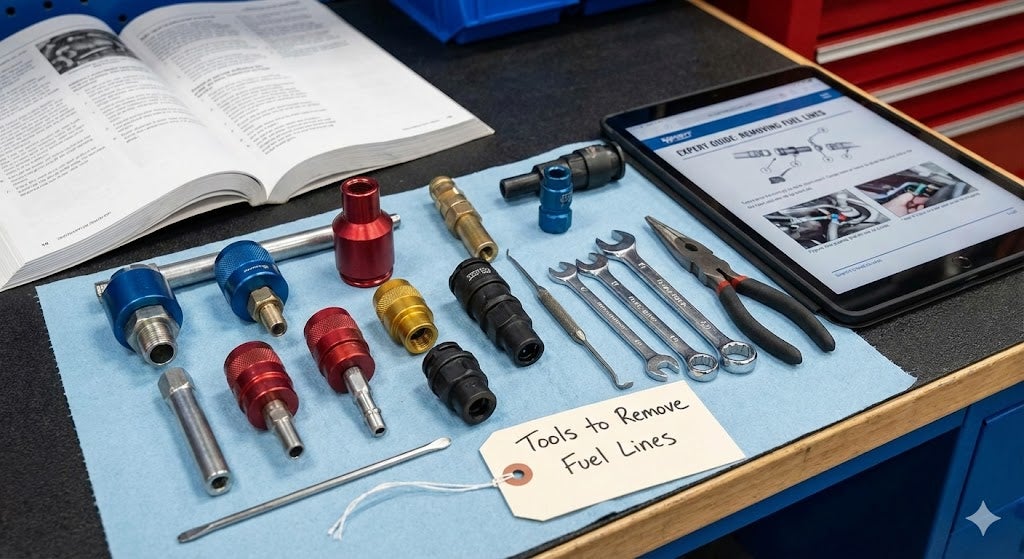
A Complete Technical Guide for Safe Disconnection, Damage Prevention, and Professional-Level Fuel System Service Fuel lines are not simple hoses anymore. Modern vehicles use high-pressure fuel systems, quick-connect fittings, push-lock connectors, spring-lock retainers, plastic composite lines, and integrated safety seals. Removing them incorrectly doesn’t just cause leaks, it causes connector failure, broken fittings, fuel spray injuries, vapor ignition risks, and expensive system damage. This is why fuel line removal is not about force. It is about correct tools, correct technique, and correct procedure. This guide explains: Why fuel line tools are necessary Types of fuel line connections The exact tools required How each tool works What not to use Safety protocols Professional-level techniques DIY vs shop procedures Common mistakes Damage prevention A full FAQ section Why Fuel Line Removal Requires Special Tools Modern fuel systems operate under high pressure: Port injection: 40 to 60 psi Direct injection: 500 to 3,000+ psi Diesel common rail: up to 30,000 psi Fuel lines use locking mechanisms designed to seal under pressure, not slide off easily. These include: Internal retaining springs Locking tabs O-ring compression seals Push-connect retainers Plastic collar locks Dual-stage locking clips Trying to remove these without the correct tool usually results in: Broken connectors Cracked fuel rails Deformed lines Leaking seals Damaged retaining clips Unsafe fuel leaks Fire hazards Correct tools prevent damage and keep the system reusable. Types of Fuel Line Connections Before choosing tools, you must identify the connection type. 1. Quick-Connect Fittings Most common on modern vehicles. They use internal locking clips that grip a ridge on the fuel line. 2. Spring-Lock Connectors Use internal circular springs to hold the line in place. 3. Push-Lock Connectors Line pushes in and locks automatically. 4. Plastic Retainer Clips Visible external clips that lock the fitting. 5. Threaded Fittings Less common in modern vehicles but still present in some fuel rails and pumps. 6. Barbed Hose Connections Used on low-pressure return lines and older vehicles. Each type requires a different tool or method. Essential Tools to Remove Fuel Lines 1. Fuel Line Disconnect Tool Set This is the primary tool for most modern vehicles. Description Plastic or metal circular tools that slide into the connector to release internal locking springs. Common sizes: 1/4 inch 5/16 inch 3/8 inch 1/2 inch 5/8 inch How it works: The tool slides between the connector and the fuel line, compressing the internal retaining spring so the line can slide out smoothly. Use cases: Fuel filters Fuel rails Fuel pumps Fuel injectors EVAP lines Return lines This is the most important fuel line tool. 2. Scissor-Style Fuel Line Disconnect Tool Description Scissor-style pliers with interchangeable inserts for different line sizes. Advantages: Better leverage One-hand operation More control in tight spaces Less connector damage Best for: Tight engine bays Hard-to-reach fuel rails High-pressure lines Professional use 3. Spring-Lock Disconnect Tool Description Split-ring metal tools designed to compress circular retaining springs. Used on: Older Ford systems Some GM systems Transmission lines Fuel return lines How it works: The tool expands inside the fitting and compresses the internal spring so the line can release. 4. Fuel Line Clip Removal Tool Description Small plastic or metal pry tools designed to remove external retaining clips. Use cases: Plastic clip connectors Locking tab fittings Secondary safety locks Prevents breaking fragile plastic retainers. 5. Hose Clamp Pliers Description Special pliers designed to compress spring hose clamps. Used on: Low-pressure fuel lines Return hoses Vent lines Vapor lines Prevents tearing hoses and breaking fittings. 6. Line Release Picks and Hooks Description Precision hook tools for releasing locking tabs and safety clips. Use cases: Electrical/fuel hybrid connectors Hidden locking tabs Dual-stage locks 7. Fuel Pressure Relief Tool Not a removal tool, but critical. Purpose: Relieves system pressure before disconnecting lines. Methods: Schrader valve depressor Scan tool pressure relief Fuel pump relay removal method Prevents fuel spray injuries and fire risk. 8. Fuel Line Cap Kit Description Rubber and plastic caps used to seal open lines after removal. Purpose: Prevent fuel leaks Prevent contamination Reduce vapor exposure Improve safety Professional shops always use caps. What NOT to Use These cause damage: Screwdrivers Pliers Channel locks Vice grips Utility knives Picks without protection Forcing by pulling Twisting aggressively These break connectors and deform fittings. Proper Fuel Line Removal Procedure Step 1: Relieve fuel pressure This is mandatory. Methods: Remove fuel pump relay and crank engine Use Schrader valve Use scan tool Manufacturer procedure Step 2: Disconnect battery Prevents accidental sparks. Step 3: Identify connector type Step 4: Select correct tool size Step 5: Clean area Prevents contamination entering fuel system. Step 6: Insert disconnect tool properly Never force. Step 7: Compress locking mechanism Step 8: Gently pull line straight out Step 9: Cap open lines Step 10: Inspect seals and connectors Professional Technique Tips Push the line inward first before releasing Never pry against plastic connectors Always support both sides of the fitting Use silicone spray for stubborn connectors Keep connectors aligned Never twist quick-connect fittings Always replace damaged O-rings Safety Protocols Fuel is not just liquid. It is vapor. Work in ventilated area No open flames No sparks No smoking Use gloves Eye protection Fire extinguisher nearby No power tools near open fuel lines Common Mistakes Not relieving pressure Using wrong tool size Forcing connectors Breaking locking tabs Ignoring damaged O-rings Not capping lines Contaminating fuel system Over-tightening reassembly DIY vs Professional Tools DIY kits: Plastic disconnect sets are sufficient for most home jobs. Professional tools: Metal tools, scissor disconnect tools, pressure-rated disconnect kits, and cap systems. Why Correct Tools Matter Economically Fuel line repair costs: Connector replacement: $80 to $300 Fuel rail replacement: $400 to $1,200 Fuel line replacement: $300 to $900 Fire damage: catastrophic Correct tools cost: $10 to $50 Tool cost is trivial compared to repair cost. FAQ What is the main tool needed to remove fuel lines? A fuel line disconnect tool set is the primary tool required. Can I remove fuel lines without special tools? You can, but you will likely damage connectors and cause leaks. Are all fuel line tools universal? No. Different vehicles use different connector styles and sizes. Do I need to relieve pressure before removal? Yes. Always. Fuel spray injuries are dangerous and flammable. Why won’t my fuel line disconnect even with the tool? Often the line needs to be pushed inward first to release tension. Can I reuse fuel line connectors? Yes, if they are not damaged and seals are intact. Should O-rings be replaced? If damaged or flattened, yes. Always use fuel-rated O-rings. Can fuel line clips break easily? Yes. Plastic clips become brittle with heat and age. Is twisting fuel lines safe? No. It damages internal seals and connectors. Are diesel fuel lines different? Yes. Higher pressure systems require reinforced tools and stricter safety. Final Technical Conclusion Fuel line removal is not about strength. It is about precision. Modern fuel systems are engineered to seal under pressure and resist vibration, not to be removed easily. Using the correct tools protects the system, prevents leaks, avoids fire hazards, and ensures the system remains reusable. The correct tool kit transforms fuel line service from a risky job into a controlled procedure. If you touch fuel lines, proper tools are not optional. They are required..

Best Catalytic Converter Cleaner

Best Catalytic Converter Cleaner - Expert Guide

A Technical, Real-World Guide to Restoring Performance, Emissions Efficiency, and Engine Health The catalytic converter is one of the most misunderstood components in a modern vehicle. Most drivers only think about it when the check engine light comes on or an emissions test is failed. But long before failure happens, catalytic converters degrade slowly through carbon buildup, soot accumulation, fuel residue, and incomplete combustion byproducts. This gradual contamination reduces efficiency, increases exhaust restriction, and quietly damages performance. A high-quality catalytic converter cleaner does not replace a damaged converter, but when used correctly and early enough, it can restore flow efficiency, improve emissions performance, stabilize idle quality, and improve overall engine response. In real-world use, catalytic cleaners are not magic solutions, but they are one of the most cost-effective preventive maintenance tools available for modern engines. This guide explains how catalytic converters fail, how cleaners work, what products are effective, how to use them correctly, and when they actually make sense. Understanding the Catalytic Converter A catalytic converter is not just a passive exhaust component. It is a chemically active emissions device. Inside the converter is a ceramic honeycomb substrate coated with precious metals, primarily platinum, palladium, and rhodium. These metals act as catalysts that trigger chemical reactions converting harmful exhaust gases into less harmful compounds. The catalytic converter processes: Carbon monoxide into carbon dioxide Hydrocarbons into water vapor and carbon dioxide Nitrogen oxides into nitrogen and oxygen This process requires: Proper exhaust temperature Clean exhaust flow Correct air-fuel mixture Proper combustion efficiency When combustion is incomplete or contaminated, the converter becomes a collection point for carbon, soot, sulfur compounds, and fuel residue. How Catalytic Converters Become Contaminated Catalytic converters fail in three primary ways: 1. Carbon and Soot Buildup This is the most common form of degradation. It occurs due to: Rich fuel mixtures Short trips and cold starts City driving Stop-and-go traffic Incomplete combustion Poor injector spray patterns Low-quality fuel This buildup slowly coats the catalytic substrate, reducing its ability to process exhaust gases and restricting exhaust flow. 2. Chemical Contamination Certain substances permanently damage catalytic surfaces: Lead additives Silicone sealants Fuel additives not emissions-safe Coolant leaks into combustion Oil burning This type of damage cannot be reversed with cleaners. 3. Thermal Damage Overheating from misfires or fuel dumping melts the ceramic substrate, physically destroying the converter structure. This also cannot be repaired with cleaners. Catalytic converter cleaners are designed only for carbon and soot contamination. They are not structural repair products. How Catalytic Converter Cleaners Actually Work Most catalytic cleaners function through upstream combustion cleaning. They do not dissolve the converter internally. Instead, they improve combustion quality so that less carbon reaches the exhaust system. There are three primary mechanisms: Fuel System Cleaning High-quality cleaners improve injector spray patterns, fuel atomization, and combustion efficiency. Cleaner combustion produces fewer carbon deposits. Carbon Dissolution Certain chemical agents bind to carbon particles and break them into smaller, burnable compounds that pass through the exhaust system. Exhaust Path Conditioning Some cleaners alter exhaust chemistry to allow carbon to oxidize more efficiently inside the catalytic substrate. The effect is gradual, not instant. What a Catalytic Converter Cleaner Can and Cannot Do Can Do: Reduce carbon buildup Improve exhaust flow Improve emissions output Stabilize idle quality Improve throttle response Reduce check engine light recurrence related to emissions inefficiency Improve fuel economy Extend catalytic converter lifespan Cannot Do: Repair melted substrates Fix broken ceramic cores Repair sensor failures Fix exhaust leaks Repair oil-burning engines Restore physically clogged converters Characteristics of an Effective Catalytic Converter Cleaner A high-quality product should have: Sensor-safe formulation Oxygen sensor compatibility Catalytic substrate safety Combustion chamber cleaning capability Injector cleaning capability Non-corrosive chemical composition Rubber and seal compatibility Fuel system compatibility Carbon-specific dissolving agents Manufacturer emissions compliance Cheap products often lack these safeguards. Best Catalytic Converter Cleaners (Technical Tier List) Professional-Grade Tier BG 44K Fuel System Cleaner This is a professional-grade cleaner widely used in dealership service departments. It cleans injectors, combustion chambers, intake valves, and reduces upstream carbon formation before it reaches the catalytic converter. It is highly concentrated and effective for high-mileage vehicles and heavy buildup. Best use case: High-mileage vehicles, performance loss, emissions preparation. Advanced Consumer Tier Chevron Techron Concentrate Plus One of the most researched fuel system cleaners available. It reduces combustion deposits, improves injector efficiency, and indirectly protects catalytic converters by improving burn quality. Excellent for long-term preventive maintenance. Best use case: Regular maintenance and moderate carbon buildup. Version 1.0.0 Cataclean Fuel and Emissions Cleaner Designed specifically for emissions systems. It targets injectors, oxygen sensors, EGR systems, and catalytic converters. Works best when used as part of a routine maintenance cycle. Best use case: Emissions-related check engine lights and smog preparation. Multi-Purpose Tier Royal Purple Max-Clean Balanced cleaner that improves fuel system performance and emissions health. Less aggressive than professional products but good for long-term maintenance. Best use case: Preventive maintenance and mild buildup. SeaFoam Motor Treatment Versatile cleaner that improves combustion quality and reduces carbon formation. Works best with repeated use rather than one-time application. Best use case: Older vehicles and gradual buildup control. How to Use a Catalytic Converter Cleaner Properly Start with a warm engine Fill the fuel tank at least halfway Add cleaner to the fuel tank Drive for at least 30 to 60 minutes Maintain highway speeds if possible Avoid short trips immediately after treatment Repeat treatment after several thousand miles if needed The goal is sustained combustion flow through the exhaust system. Real-World Use Scenarios High-Mileage Vehicles Carbon buildup is cumulative. Regular use can stabilize emissions and performance. City Driving Vehicles Frequent cold starts and low RPM driving create heavy soot buildup. Emissions Test Preparation Cleaners can reduce emissions output and improve pass rates when no mechanical faults exist. Older Engines Improved combustion quality reduces deposit formation. Preventing Catalytic Converter Degradation Maintain proper air-fuel ratios Fix misfires immediately Use quality fuel Avoid unapproved additives Maintain injectors and ignition systems Avoid excessive idling Address oil consumption early Repair coolant leaks immediately Catalytic health starts at combustion quality. Maintenance Economics Cleaner cost: $10 to $30 Catalytic replacement cost: $1,200 to $4,000+ Preventive maintenance value is self-evident. FAQ Do catalytic converter cleaners actually work? Yes, for carbon-based contamination. They improve combustion quality and reduce deposit buildup that restricts exhaust flow. How often should I use a catalytic converter cleaner? Every 5,000 to 7,500 miles for maintenance, or before emissions testing. Can it fix a clogged converter? Only if clogging is due to carbon buildup. Physical damage requires replacement. Will it harm oxygen sensors? Not if the product is labeled sensor-safe and emissions-safe. Can it remove sulfur smell? Yes, sulfur odors often result from contaminated catalysts and can be reduced. Is it safe for turbo engines? Yes, if labeled safe for turbocharged systems. Can I use it in diesel engines? Only diesel-approved formulations. Gasoline cleaners are not interchangeable. Will it clear check engine lights? It may help if the code is emissions-efficiency related and caused by carbon buildup. How long before results appear? Usually within one to three driving cycles. Is professional cleaning better? Professional systems are more aggressive but more expensive. Fuel-based cleaners are effective for preventive maintenance. Final Technical Conclusion Catalytic converter cleaners are not miracle cures, but they are legitimate preventive maintenance tools when used correctly. Their value lies in reducing carbon formation, stabilizing combustion quality, and maintaining exhaust flow efficiency. Used early and consistently, they extend catalytic converter life, improve emissions performance, and protect one of the most expensive components in the exhaust system. They do not replace mechanical repair. They do not fix physical damage. They do not reverse structural failure. But as a maintenance strategy, they are effective, economical, and technically valid.

How to Check Transmission Fluid - Expert Guide

One Simple Check That Can Save You Thousands in Repairs Most drivers know how to check engine oil. Almost no one knows how to check transmission fluid properly. And that’s a problem — because transmission failure is one of the most expensive repairs a car can need. A bad transmission doesn’t fail suddenly. It fails slowly. Heat, low fluid, dirty fluid, and poor lubrication quietly destroy internal components over time. By the time symptoms show up, the damage is often already done. Checking your transmission fluid is one of the simplest preventative steps you can take — but only if you do it correctly. And most people don’t. Why Transmission Fluid Matters So Much Transmission fluid is not just “oil.” It does four critical jobs at once: Lubrication of internal components Cooling of transmission internals Hydraulic pressure for gear changes Cleaning of contaminants and debris If the fluid is low, dirty, burnt, or degraded: Shifting becomes rough Internal wear accelerates Heat builds up Seals harden Clutches slip Valves stick Gear engagement weakens This is how small problems turn into $3,000 to $7,000 rebuilds. First Important Truth: Not All Cars Are the Same Before checking anything, you need to know this: Some cars have a transmission dipstick Many modern cars do not Newer vehicles often use: Sealed transmissions Check plugs instead of dipsticks Electronic level monitoring Dealer-only service procedures So the process depends on your vehicle type. If Your Car Has a Transmission Dipstick This is the traditional method, and it’s still common in older vehicles and many trucks. Step-by-Step Proper Method Warm the vehicle Drive for 10 to 15 minutes so the transmission reaches operating temperature. Park on level ground This matters. A slope gives false readings. Leave the engine running Transmission fluid expands when warm. Checking it cold gives false low readings. Cycle through gears With foot on brake: Park → Reverse → Neutral → Drive → Low → back to Park This circulates fluid through the system. Locate the transmission dipstick Usually: Red handle Near firewall Different from engine oil dipstick Pull dipstick and wipe clean Reinsert fully Pull again and read level Fluid should be in the HOT range (not cold range). Reading the Dipstick Correctly You are checking two things, not one. Fluid level Too low = poor lubrication and pressure Too high = foaming and overheating Fluid condition Color and smell matter more than people realize: Healthy fluid: Bright red or pink Clean Slight oil smell Bad fluid: Dark brown or black Burnt smell Cloudy appearance Metal particles Milky color (water contamination) If it smells burnt, the transmission has already been overheating. If Your Car Does NOT Have a Dipstick Many modern cars use sealed systems. These require: Lift or jack stands Level check plugs Temperature-based checking Scan tools for fluid temperature Specific fill procedures General method (simplified): Vehicle must be level Transmission at specific temperature range Engine running Check plug removed Fluid should lightly trickle out No trickle = low Heavy flow = overfilled This is why many sealed transmissions are not DIY-friendly. Common Mistakes People Make Checking when cold Gives false low reading Checking with engine off Gives false reading Confusing oil dipstick with transmission dipstick Happens more than people admit Overfilling Overfill causes: Foaming Pressure issues Seal damage Shifting problems Using wrong fluid type Wrong ATF can destroy a transmission When You Should Check Transmission Fluid Best timing: Before long trips When noticing rough shifts When feeling hesitation After fluid service When smelling burning odor During regular maintenance When buying a used car Warning Signs of Low or Bad Transmission Fluid Hard shifting Slipping gears Delayed engagement Jerking between gears Whining noise Burning smell Shuddering Overheating warnings Poor acceleration RPM spikes without speed increase These are not “normal aging” symptoms. They are fluid-related signs. Why Low Fluid Is So Dangerous Low fluid causes: Loss of hydraulic pressure Internal clutch slippage Overheating Metal-on-metal wear Seal breakdown Valve body damage Heat is the #1 killer of transmissions. The Cost Reality Checking transmission fluid: Free Transmission fluid top-up: $10 to $40 Transmission service: $150 to $400 Transmission rebuild: $3,000 to $7,000+ Transmission replacement: $4,000 to $10,000+ This is why fluid checks matter. Manual Transmissions Manual transmissions are different: No dipstick usually Use check/fill plugs Thicker gear oil Different service intervals They still need fluid checks — but procedures differ. CVT Transmissions CVTs are even more sensitive: Precise fluid levels required Special fluid types Temperature-based checking Overfilling is dangerous Underfilling causes belt damage CVTs fail fast when fluid maintenance is poor. Bottom Line Truth Checking your transmission fluid is one of the simplest things you can do to protect your car — but it must be done correctly. Not checking it doesn’t save money. It only delays the bill until it’s much larger. If your car allows manual checking, do it every few months. If it’s sealed, have it checked during service intervals. Transmission problems don’t start loud. They start quietly. FAQ Section How often should I check my transmission fluid? Every 2 to 3 months, or at every oil change interval. Should the engine be running when I check it? Yes, for dipstick-equipped vehicles. Always check warm and running unless the manual says otherwise. Can low transmission fluid cause slipping? Yes. Low fluid directly causes clutch slippage and gear engagement issues. Can I drive with low transmission fluid? You can, but it causes rapid internal damage. Every mile increases wear. What color should transmission fluid be? Healthy fluid is red or pink and clean. Dark brown or black means it is degraded. What does burnt transmission fluid smell like? Strong burnt odor, similar to burned plastic or overheated oil. Can I add transmission fluid myself? Yes, if your vehicle has a dipstick and you use the correct fluid type. What happens if I overfill transmission fluid? Foaming, pressure issues, seal damage, poor shifting, and overheating. Do sealed transmissions really not need checking? They still need checking, just with special procedures and tools. Is transmission fluid lifetime fluid? No. “Lifetime fluid” is a marketing term, not a mechanical reality.

Contact Us

Fill out this form below and we'll contact you shortly

ACKNOWLEDGEMENT - By submitting your personal information, you acknowledge that: (1) you are 17 years of age or older; (2) we may contact you with offers and information about our products and services; and (3) you have read our Privacy Policy and understand your rights as a consumer.

*Required Fields