

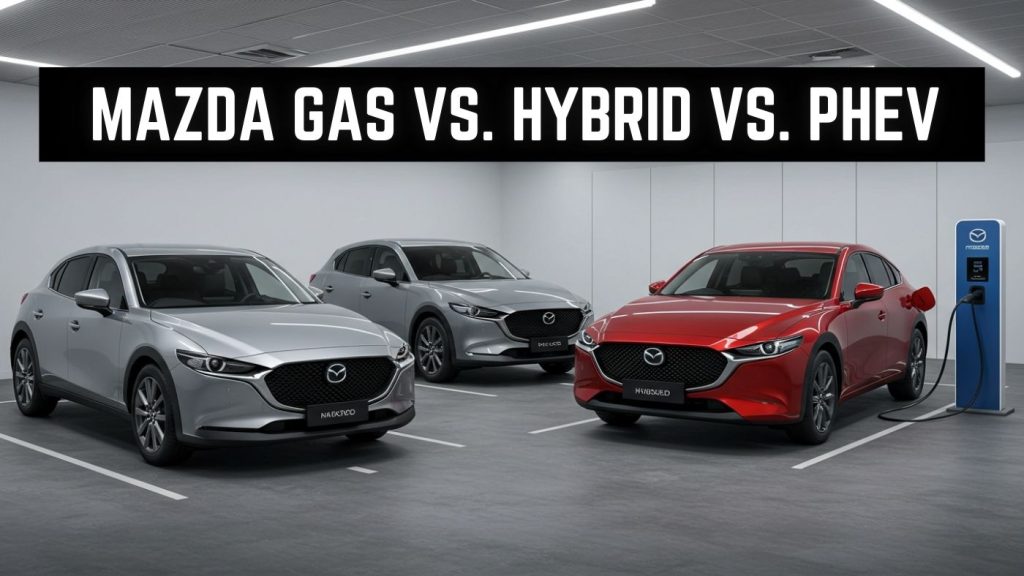
California commuters face unique challenges every day—long freeway drives, stop-and-go city traffic, rising gas prices, and increasing environmental awareness. Choosing the right powertrain can make the difference between a stressful daily grind and a smarter, more cost-effective drive. But with so many options—traditional gasoline, hybrid, and plug-in hybrid electric vehicles (PHEVs)—which one makes the most sense for Golden State drivers?
We break down the pros and cons of each powertrain type, looking at costs, convenience, efficiency, and real-world usability in California’s unique driving environment.
The Gasoline Engine — Traditional, Simple, but Costly
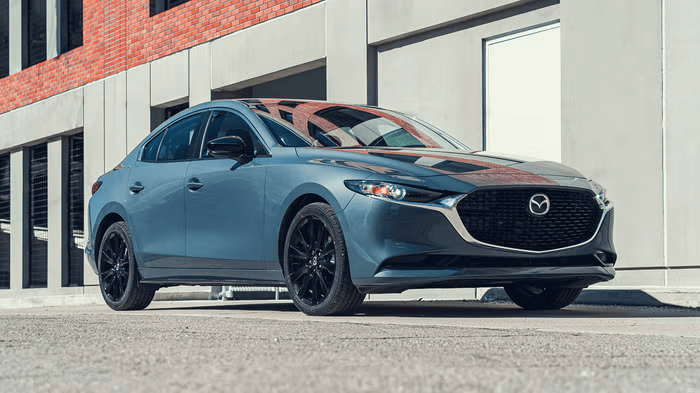
Gas-powered vehicles still dominate California roads, but they’re increasingly under pressure from stricter emissions standards and high fuel costs.
Pros:
- Widely available fueling infrastructure
- Lower upfront costs compared to hybrids and PHEVs
- No charging downtime required
Cons:
- Higher fuel costs (California consistently ranks among the top three states for gas prices)
- Larger carbon footprint
- Lower resale value as EV adoption grows
Best Fit: Drivers with shorter commutes who value upfront affordability over long-term fuel savings.
The Hybrid — Balanced Efficiency for City and Highway
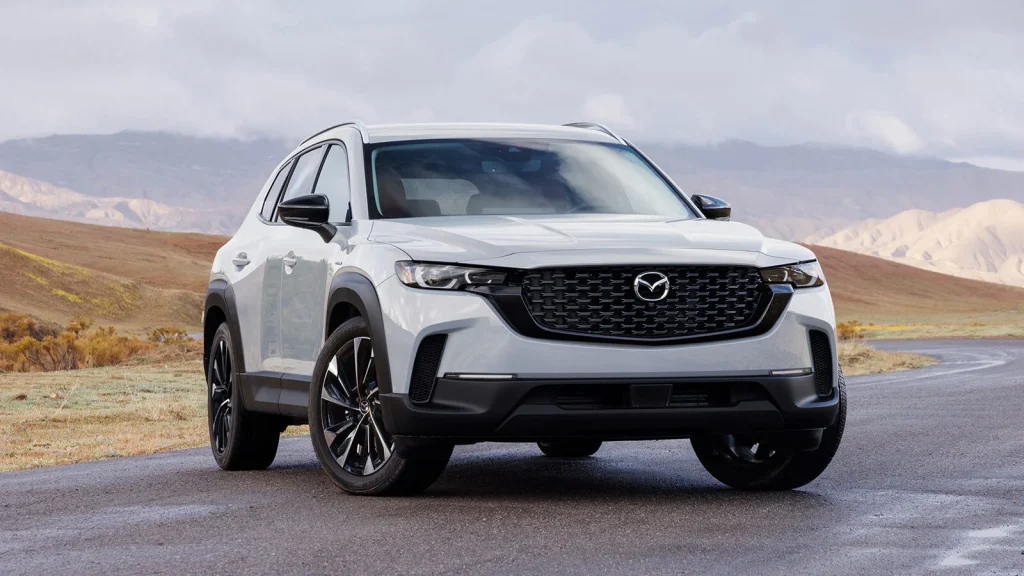
Hybrids like the Toyota Prius or Kia Niro combine a gas engine with a small electric motor, offering better fuel economy without requiring a plug.
Pros:
- Excellent city mileage due to regenerative braking
- No charging required
- Generally lower emissions than traditional gas cars
- Proven reliability
Cons:
- Higher upfront cost than gas-only models
- Savings are less dramatic for long highway commutes
- Battery replacement costs can be expensive (though rare)
Best Fit: Bay Area and Los Angeles commuters facing heavy traffic and stop-and-go driving. Hybrids shine where city driving is dominant.
The Plug-in Hybrid (PHEV) — The Best of Both Worlds?

PHEVs bridge the gap between hybrids and fully electric cars. They run on battery power for short distances (usually 30–50 miles) before switching to gas.
Pros:
- Ability to drive daily commutes on electric power alone
- Significant fuel savings if charging regularly
- Flexibility of gas backup for long road trips
- Potential access to California carpool lanes with HOV decals (subject to program availability)
Cons:
- Higher upfront costs than gas or hybrid
- Requires regular charging to maximize benefits
- Limited electric-only range compared to full EVs
Best Fit: Suburban commuters with access to home charging, especially those driving under 50 miles daily.
Comparison Table: Gas vs Hybrid vs PHEV
| Powertrain | Avg. Upfront Cost (USD) | Fuel Economy (mpg / MPGe) | Best For |
|---|---|---|---|
| Gasoline | $25,000 | 25–32 mpg | Short commutes, upfront savings |
| Hybrid | $28,000 | 40–55 mpg | City commuters, heavy traffic |
| PHEV | $32,000 | 60–100 MPGe (with charging) | Suburban drivers, mixed city/highway, eco-conscious |
California-Specific Considerations
High Fuel Prices
With gas averaging over $5.00/gallon (USD) in many parts of California, hybrids and PHEVs provide significant long-term savings.
Commute Lengths
California has some of the nation’s longest commute times. PHEVs are ideal for suburban commuters traveling under 50 miles daily, while hybrids work well in urban congestion.
Incentives
California Clean Vehicle Rebate Program (CVRP) often provides rebates on PHEVs, reducing upfront costs. Federal tax credits can also apply.
Environmental Policy
California is leading the push toward zero-emission vehicles by 2035. Choosing a hybrid or PHEV now may provide better resale value as gas vehicles lose demand.
Conclusion — Which Should You Choose?
- Gasoline: Best if you want the lowest upfront price and don’t drive much.
- Hybrid: Best for dense city commutes in traffic-heavy areas like Los Angeles or San Francisco.
- PHEV: Best for suburban commuters who want to cut gas use but need flexibility for longer trips.
For most California commuters, PHEVs offer the best balance of savings, flexibility, and future-proofing—especially with rising gas costs and the state’s push toward electrification. However, hybrids remain the most practical for those without charging access.
The right choice ultimately depends on your driving patterns, access to charging, and long-term ownership goals. One thing is certain: the future of commuting in California is electrified, and choosing wisely today will save money tomorrow.
Frequently Asked Questions (FAQs)
1. Which type of car is best for California commuters?
It depends on your commute and access to charging.
- Gasoline cars are best for short drives and lower upfront costs.
- Hybrids are ideal for city traffic and drivers who want better mileage without plugging in.
- Plug-in Hybrids (PHEVs) are perfect for suburban commuters who can charge at home and drive under 50 miles daily.
2. How much can I save with a hybrid or plug-in hybrid in California?
With gas averaging over $5.00 per gallon, many drivers save $800–$1,500 per year on fuel by switching to a hybrid or PHEV—especially if they regularly charge at home and commute in heavy traffic.
3. Can I get California rebates or incentives for buying a hybrid or PHEV?
Yes. The California Clean Vehicle Rebate Program (CVRP) provides up to $1,000–$2,500 in rebates for eligible PHEVs. Federal tax credits (up to $7,500) may also apply depending on battery size and manufacturer.
4. Do plug-in hybrids qualify for HOV lane access in California?
Many PHEVs qualify for California’s Clean Air Vehicle (CAV) decals, allowing single-occupant drivers to use carpool lanes. Availability depends on the current state program cycle and qualifying vehicle list.
5. How far can a plug-in hybrid drive on electric power alone?
Most PHEVs can travel 30–50 miles on pure electric power before switching to gasoline. That covers the majority of California’s daily commute distances.
6. Are hybrids or PHEVs more expensive to maintain?
Not necessarily. Hybrids and PHEVs often have regenerative braking systems that extend brake life and fewer moving engine parts. Battery replacements are rare and usually covered under an 8–10-year warranty.
7. What if I can’t charge at home?
If home charging isn’t an option, a traditional hybrid is your best bet. It still uses electric assistance for fuel efficiency but refuels at any gas station.
8. Are gas cars being banned in California?
California plans to phase out new gas-only vehicle sales by 2035. You’ll still be able to own and drive a gas vehicle, but hybrids and PHEVs offer better resale value and future-proofing.
9. What’s the best car for long California road trips?
PHEVs are excellent for long drives because they start on electric power and seamlessly switch to gasoline once the battery runs out—no range anxiety, just flexibility.
Connect with us


Leave a Reply