

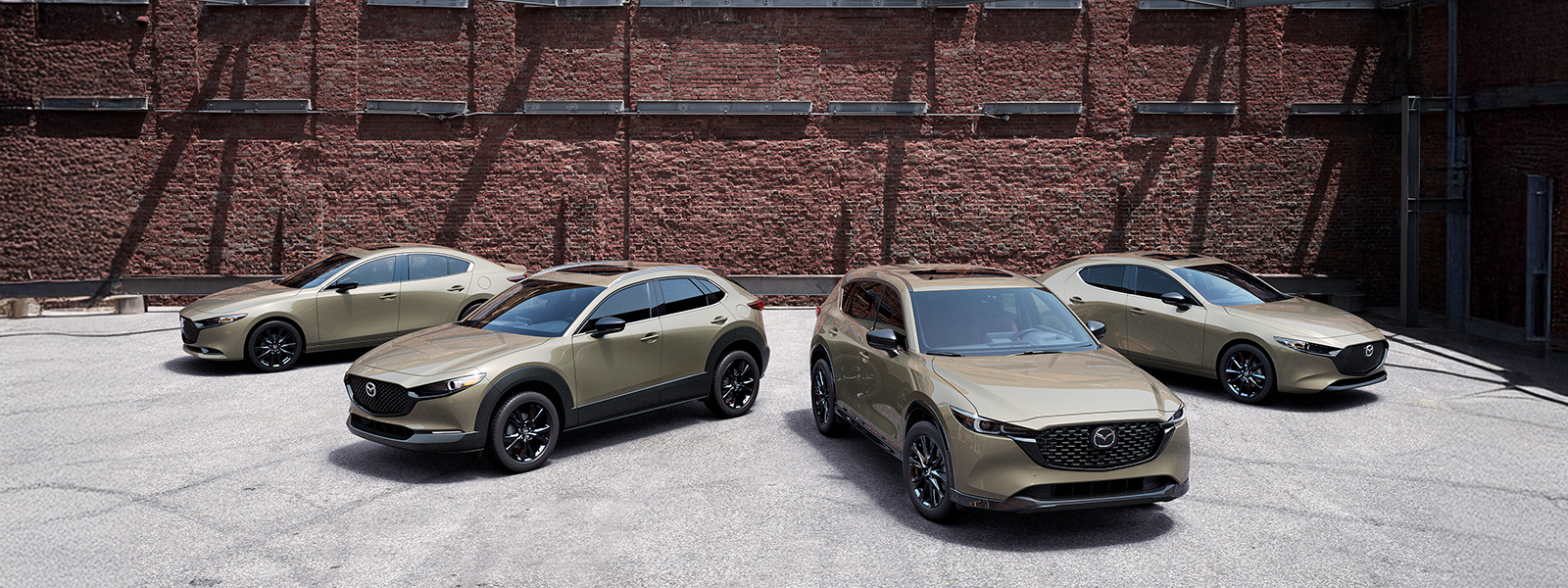
Mazda is one of the few automakers that has managed to stay distinct in a crowded global market. While many brands chase scale, screens, or gimmicks, Mazda has taken a more deliberate path: balanced engineering, driver engagement, and clean design rooted in Japanese craftsmanship.
If you’re searching for Mazda models, you’re likely trying to understand how the lineup fits together, which models still exist, which have been discontinued, and which Mazda best suits your needs today.
This in-depth guide breaks down every major Mazda model, past and present, explaining what each one is, who it’s for, and why it exists.
Mazda as a Brand: How the Lineup Is Structured
Mazda structures its lineup around three core pillars:
- Cars that are enjoyable to drive
- Vehicles that age gracefully
- Design that feels premium without luxury-brand pricing
Mazda no longer floods the market with dozens of nameplates. Instead, it focuses on a tight, intentional lineup split across:
- Sedans & hatchbacks
- SUVs & crossovers
- Sports cars
Each model has a clear role. There is very little overlap, which makes Mazda’s range easier to understand than many competitors.
Mazda Sedans and Hatchbacks
Although SUVs dominate sales today, Mazda’s reputation was built on cars. These models emphasize balance, efficiency, and driver feel.
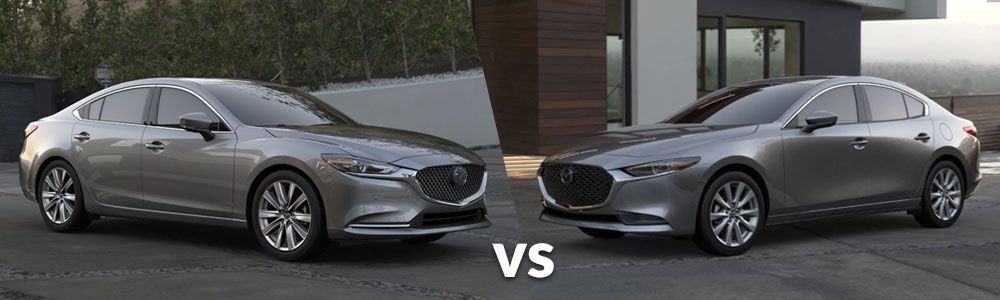
Mazda3
The Mazda3 is Mazda’s global best-known car and the foundation of the brand’s modern identity.
Available as:
- Sedan
- Hatchback
Key characteristics:
- Compact size
- Premium interior for the class
- Engaging steering and handling
- Strong reliability reputation
The Mazda3 appeals to drivers who want something more refined than a basic economy car without stepping into luxury pricing. It’s often compared to the Toyota Corolla and Honda Civic, but it leans more toward driving enjoyment and interior quality.
Mazda6 (Discontinued)
The Mazda6 was Mazda’s midsize sedan for many years and remains popular on the used market.
What defined it:
- Elegant design
- Excellent ride and handling balance
- Naturally aspirated engines
- Strong long-term reliability
Mazda discontinued the Mazda6 as sedan demand declined globally. However, it remains a highly respected used-car option, especially for buyers who prefer sedans over SUVs.
Mazda Sports Cars
Mazda’s sports cars are where the brand’s philosophy is most visible. These vehicles are built around driver involvement rather than raw numbers.
MX-5 Miata
The MX-5 Miata is one of the most important sports cars ever made.
Why it matters:
- Lightweight design
- Rear-wheel drive
- Near-perfect balance
- Exceptional reliability for a sports car
Unlike many performance vehicles, the Miata prioritizes feel over horsepower. This makes it approachable, affordable, and rewarding even at legal speeds.
The Miata has earned a reputation as:
- One of the most reliable sports cars ever
- A favorite among driving purists
- A car that delivers joy without excess
Mazda RX-8 (Discontinued)
The RX-8 remains one of Mazda’s most controversial models.
Key traits:
- Rotary engine
- Rear-hinged doors
- Near-perfect weight distribution
- Exceptional handling
The RX-8’s rotary engine required careful ownership, which hurt its reputation. While discontinued, it remains a cult classic and an important part of Mazda’s engineering history.
Mazda SUVs and Crossovers
Mazda’s current lineup is heavily SUV-focused, but unlike many competitors, Mazda prioritizes driving feel and design over sheer size.
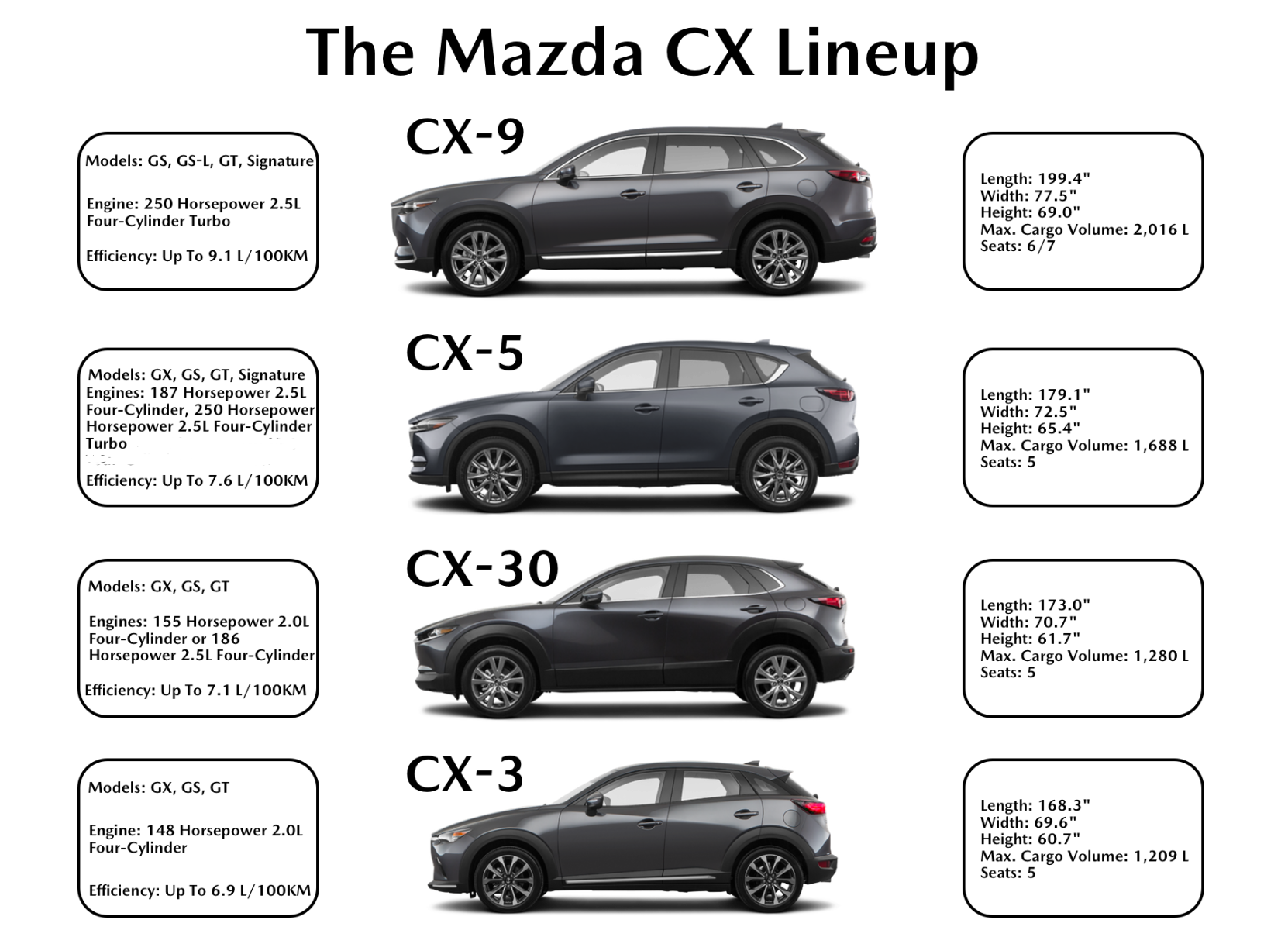
Mazda CX-30
The CX-30 bridges the gap between the Mazda3 and larger SUVs.
What it offers:
- Compact size
- Available all-wheel drive
- Premium interior
- City-friendly dimensions
It’s ideal for buyers who want:
- A higher seating position
- Compact exterior size
- Daily usability without bulk
The CX-30 is often described as a raised Mazda3 with SUV styling, which is exactly its appeal.
Mazda CX-5
The CX-5 is Mazda’s most successful and recognizable SUV.
Why it sells so well:
- Excellent balance of size and comfort
- Strong reliability track record
- Refined interior
- Confident handling
The CX-5 competes directly with the Toyota RAV4 and Honda CR-V but differentiates itself with driving engagement and design quality.
Mazda CX-50
The CX-50 is a more rugged, adventure-oriented alternative to the CX-5.
Key differences:
- Wider stance
- More aggressive styling
- Focus on outdoor lifestyles
- Enhanced off-road capability (light-duty)
While the CX-5 feels urban and refined, the CX-50 targets buyers who want a more active, outdoors-inspired image.
Mazda CX-9 (Discontinued)
The CX-9 served as Mazda’s three-row SUV for years.
Highlights:
- Strong turbocharged engine
- Comfortable ride
- Upscale interior for the segment
It was eventually replaced by a more ambitious flagship model, reflecting Mazda’s shift toward a premium direction.
Mazda CX-90
The CX-90 is Mazda’s current flagship SUV.
What makes it important:
- Rear-biased platform
- Inline-six engine options
- Plug-in hybrid availability
- Premium interior materials
The CX-90 represents Mazda’s boldest move into near-luxury territory without becoming a luxury brand.
Mazda CX-70
The CX-70 is a two-row alternative to the CX-90.
Designed for buyers who:
- Want premium features
- Don’t need a third row
- Prefer a sportier, cleaner profile
It targets professionals and small families who value refinement over maximum seating.
Mazda Electrification and Hybrid Models
Mazda has taken a measured approach to electrification.
Mazda MX-30
The MX-30 was Mazda’s first mass-market EV.
Characteristics:
- Unique design
- Compact size
- Limited range
- Focus on urban use
While not a long-range EV, it demonstrated Mazda’s design-led approach to electrification.
Plug-In Hybrid (PHEV) Models
Mazda now offers PHEV versions of select SUVs, combining:
- Electric-only driving for short trips
- Gasoline engines for longer journeys
This approach suits buyers who want electrification without full EV commitment.
Discontinued Mazda Models Worth Knowing
Mazda’s history includes several notable discontinued vehicles:
- Mazda2 (subcompact car)
- Mazda5 (compact MPV)
- Mazda Protegé (predecessor to Mazda3)
- Mazda Tribute (early SUV)
These models still appear on the used market and are part of Mazda’s evolution.
How to Choose the Right Mazda Model
Choosing among Mazda models comes down to priorities:
- Daily commuting: Mazda3, CX-30
- Small families: CX-5, CX-50
- Larger families: CX-90
- Driving enthusiasts: MX-5 Miata
- Urban electrification: MX-30
Mazda’s lineup avoids redundancy, making selection more intuitive than many brands.
Why Mazda Models Age Well
Mazda vehicles are known for:
- Conservative engine tuning
- Avoidance of CVTs
- Clean interior layouts
- Strong build quality
This contributes to better long-term ownership experiences, especially in the used market.
Final Thoughts: Mazda’s Lineup in Perspective
Mazda models stand out because they are purpose-driven. Each one exists for a reason, with clear design and engineering goals. Mazda doesn’t chase trends blindly. Instead, it refines, simplifies, and focuses.
Whether you’re looking for:
- A reliable daily driver
- A refined SUV
- A true driver’s sports car
There is likely a Mazda model that fits — and fits well.

Connect with us


