


Search interest around Mazda CX-3 reliability is rising for a reason. Long after Mazda pulled the plug, owners aren’t complaining about failures, recalls, or horror stories. Instead, they’re asking a very different set of questions:
- Does Mazda still make the CX-3?
- Why was the Mazda CX-3 discontinued?
- Is there a new Mazda CX-3 coming?
- Is the 2016 Mazda CX-3 reliable?
Those aren’t panic searches.
They’re confidence searches.
This is the story of the Mazda CX-3 as a reliability outlier in a segment filled with CVTs, downsized turbos, and cost-cut engineering.
The Reliability Question No One Expected
Most discontinued vehicles disappear quietly.
The CX-3 didn’t.
Instead of “avoid at all costs” warnings, owner forums and used-car buyers keep circling the same conclusion:
The Mazda CX-3 is one of the most mechanically dependable subcompact crossovers Mazda ever sold.
That creates an obvious contradiction.
If it was reliable…
If owners liked it…
If resale values stayed strong…
Why did Mazda kill it?
Why the Mazda CX-3 Was Discontinued (It Wasn’t Reliability)
Let’s be clear upfront:
The Mazda CX-3 was NOT discontinued because of reliability issues.
In fact, reliability is the last reason it disappeared.
The real reasons:
- Product overlap with the CX-30
- Higher profit margins on larger vehicles
- Strategic shift toward premium positioning
The CX-3 conflicted internally with Mazda’s newer lineup. It was smaller, cheaper, and simpler — all things that hurt margins, not reliability.
Ironically, those same traits are exactly why it aged so well.
What Makes the Mazda CX-3 Reliable by Design
Reliability isn’t magic. It’s engineering restraint.
The CX-3 avoided many of the decisions that caused problems in competitors.
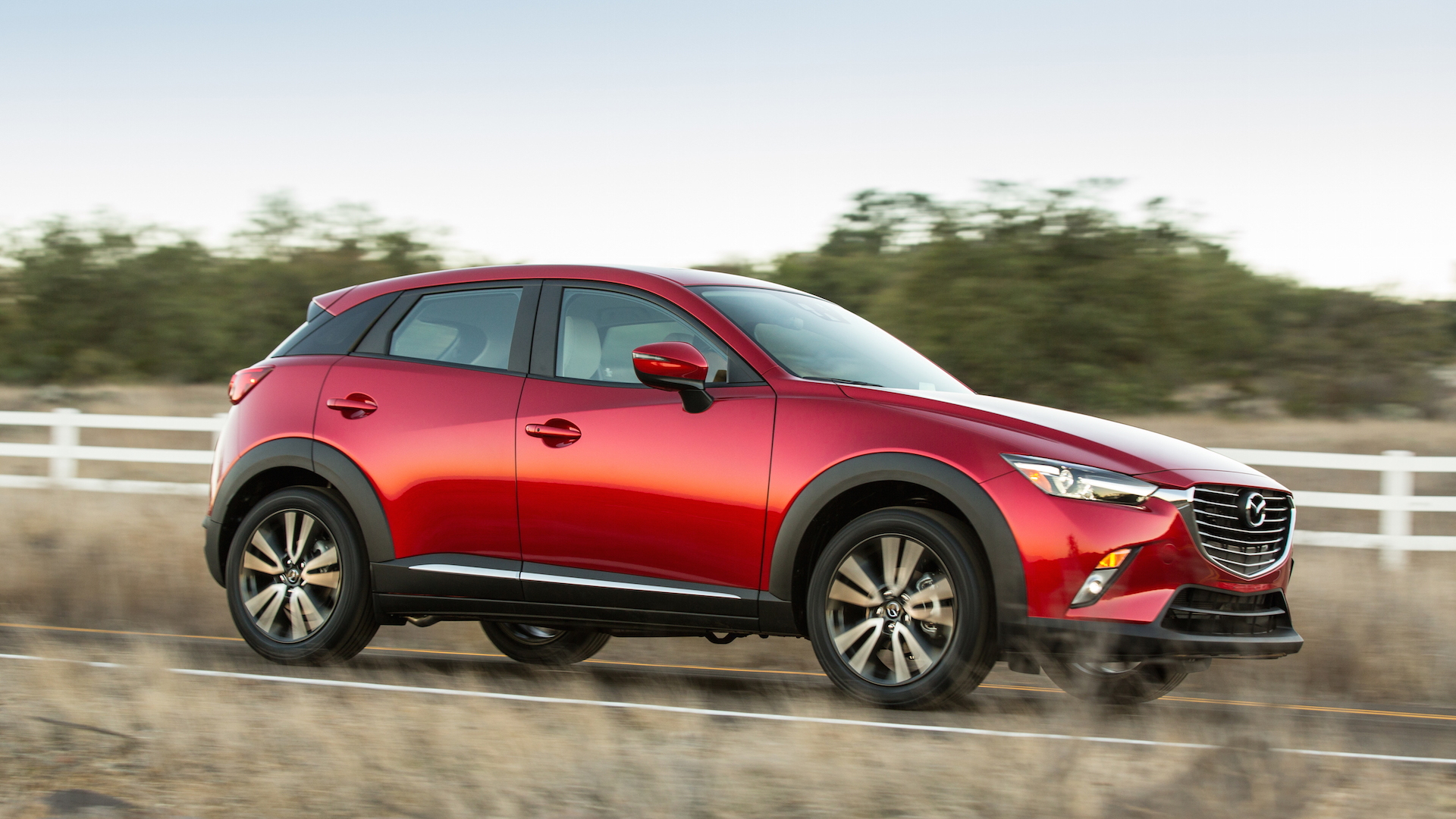
1. No CVT Transmission
This is huge.
While rivals adopted continuously variable transmissions to chase fuel economy numbers, Mazda stuck with a traditional automatic.
Why that matters:
- Fewer overheating issues
- Less belt and pulley wear
- More predictable long-term behavior
CVT failures are one of the most common repair nightmares in the subcompact SUV segment. The CX-3 sidestepped that entirely.
2. Naturally Aspirated Engine (No Turbo Stress)
Most CX-3 models used a naturally aspirated Skyactiv engine.
That means:
- No turbochargers to fail
- No high boost pressure
- Lower operating temperatures
- Fewer oil dilution issues
Turbocharging increases performance, but it also increases complexity. Mazda chose longevity instead.
That single decision dramatically reduced long-term risk.
3. Lightweight Platform = Less Wear
The CX-3 is lighter than most modern subcompact SUVs.
That translates to:
- Less stress on suspension components
- Reduced brake wear
- Lower drivetrain load
- Better long-term consistency
Heavier vehicles eat components faster. The CX-3 simply doesn’t.
2016 Mazda CX-3 Reliability: Why This Year Is Searched So Much
Search data shows unusually high interest in the 2016 Mazda CX-3.
That’s not accidental.
The 2016 model year is often considered one of the safest used picks because:
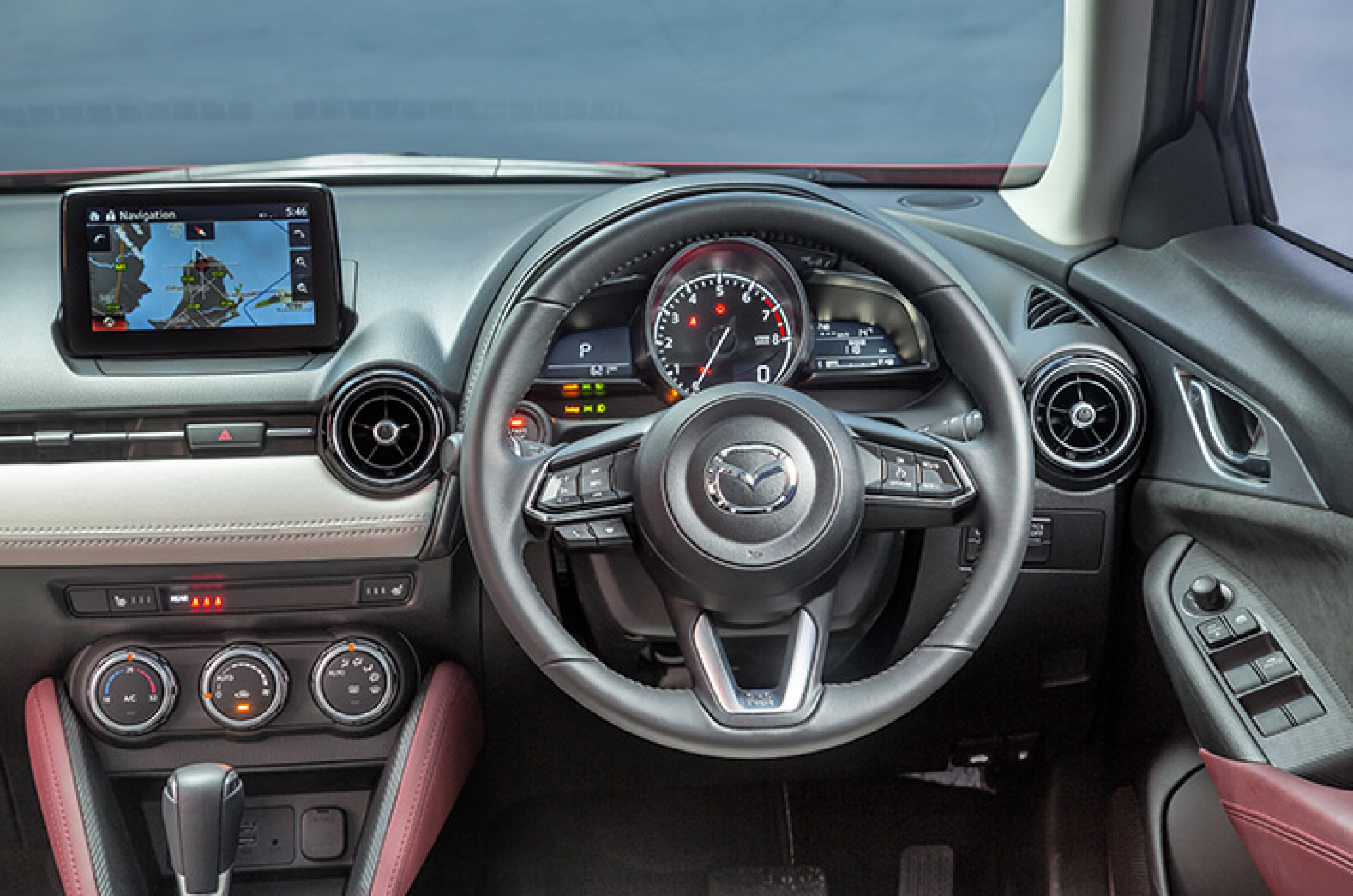
- Simpler electronics
- Fewer driver-assistance systems to fail
- Proven Skyactiv drivetrain
- Minimal recalls compared to peers
Many used-car buyers intentionally target early CX-3 models to avoid later-generation complexity without sacrificing build quality.
In reliability terms, that’s a smart strategy.
Common Mazda CX-3 Problems (And Why They’re Minor)
No vehicle is perfect. The CX-3 included.
But here’s what matters: problem severity.
Most CX-3 complaints fall into the “annoying, not catastrophic” category.
Reported issues include:
- Infotainment lag in early systems
- Interior trim squeaks over time
- Small battery capacity sensitivity in cold climates
- Limited rear cargo practicality
What you don’t see:
- Transmission failures
- Engine design flaws
- Chronic electrical gremlins
- Expensive drivetrain recalls
That absence is what defines good reliability.
Why CX-3 Reliability Looks Better Over Time
Reliability isn’t about the first year.
It’s about year six, seven, eight.
That’s where the CX-3 shines.
Owners report:
- Engines that run smoothly well past 150,000 km
- Transmissions that don’t hunt or slip
- Minimal oil consumption issues
- Predictable maintenance costs
In contrast, many competitors develop major issues once warranties expire.
The CX-3 rarely does.
Mazda CX-3 vs Modern Subcompact SUVs (Reliability Reality Check)
Newer subcompact SUVs often add:
- Turbocharged small engines
- CVT transmissions
- Mild hybrid systems
- Extensive driver-assistance tech
Each addition improves efficiency or features — and increases failure points.
The CX-3 avoided all of that.
That’s why, paradoxically, a discontinued model can be more reliable than newer alternatives.
Why Used Mazda CX-3 Values Stay Strong
Reliability directly impacts resale value.
Used CX-3 models hold value because:
- Buyers trust the drivetrain
- Mechanics understand the platform
- Parts availability is strong
- Long-term ownership risk is low
Vehicles with known transmission or engine issues depreciate fast.
The CX-3 didn’t.
Ownership Questions That Signal Confidence (Not Fear)
Look at the most common CX-3 questions people ask:
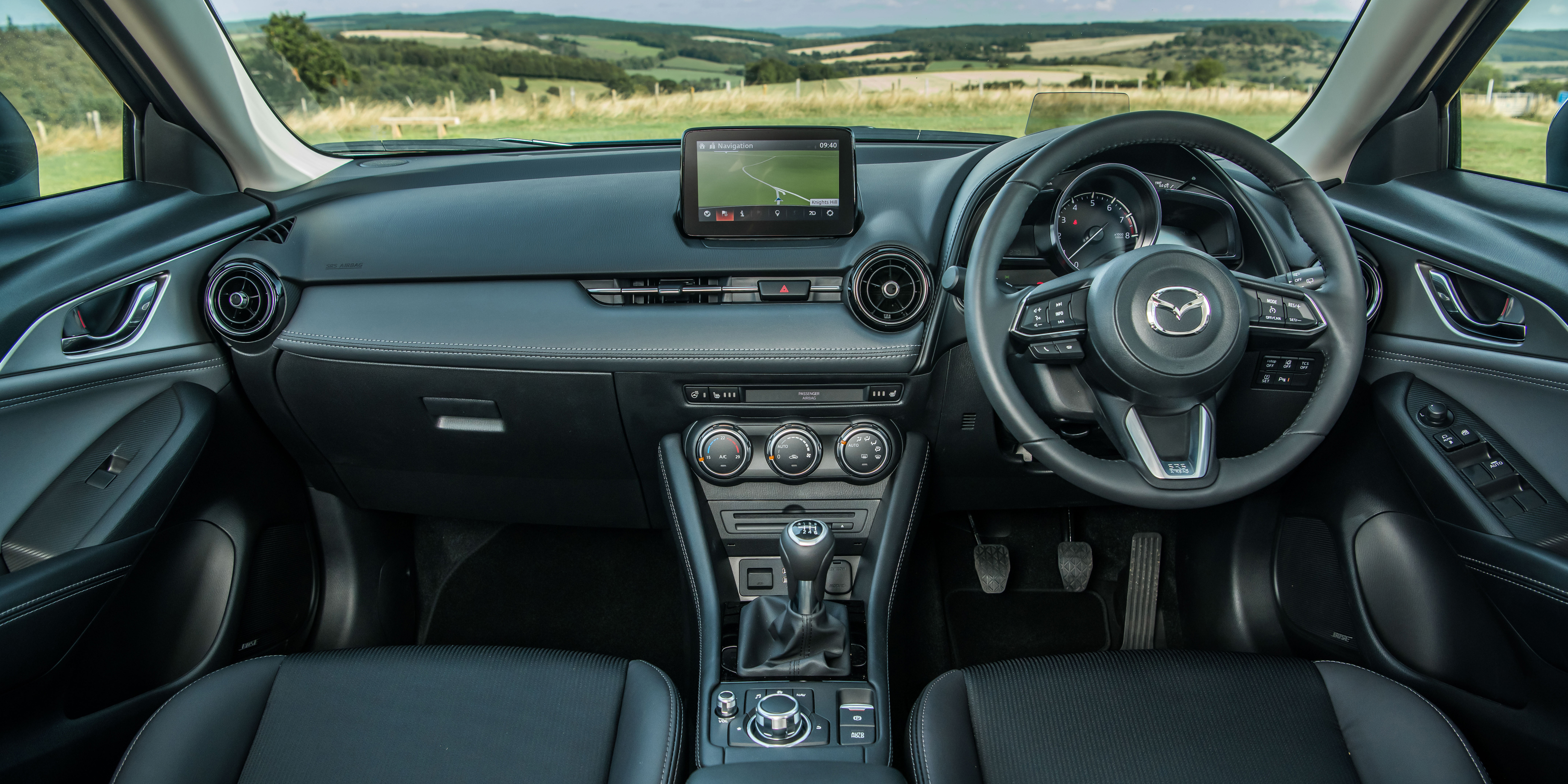
- How to change Mazda CX-3 wiper blades
- How to open Mazda CX-3 trunk from inside
- Does Mazda still make the CX-3
These are ownership questions — not breakdown questions.
People asking how to maintain a car usually plan to keep it.
That’s a reliability tell.
Does Mazda Still Make the CX-3?
No, Mazda no longer sells the CX-3 in North America.
But discontinuation does not mean parts support disappears.
Mazda continues to:
- Supply OEM parts
- Support service documentation
- Maintain dealership repair capability
From a reliability and ownership standpoint, the CX-3 is still fully viable.
Is There a New Mazda CX-3 Coming?
Mazda hasn’t confirmed a replacement.
If a CX-3 successor appears, it will likely:
- Be electrified
- Be heavier
- Be more complex
- Be more expensive
Which raises an ironic possibility:
The original CX-3 may remain the most reliable version of the idea Mazda ever built.
Who the Mazda CX-3 Is Actually Reliable For
The CX-3 is ideal if you value:
- Long-term dependability
- Predictable maintenance
- Simpler mechanical design
- Lower ownership stress
It’s less ideal if you need:
- Large rear seats
- Maximum cargo volume
- Cutting-edge tech features
Reliability always involves tradeoffs. The CX-3 chose the right ones.
Why Mazda CX-3 Reliability Still Matters in 2026
Used-car buyers are smarter now.
They don’t just ask:
“Is it new?”
They ask:
“Will it still work when it’s paid off?”
The CX-3 answers that question better than most vehicles in its class — new or used.
Final Verdict: The Mazda CX-3 Was Discontinued, Not Broken
The Mazda CX-3 didn’t disappear because it failed.
It disappeared because it didn’t fit Mazda’s future pricing strategy.
From a reliability standpoint, it remains:
- One of Mazda’s safest used bets
- A rare CVT-free subcompact SUV
- A mechanically honest vehicle in an over-engineered segment
That’s why people keep searching for it.
That’s why owners keep them.
And that’s why the CX-3’s reliability reputation keeps growing — long after production ended.
In a market obsessed with what’s next, the Mazda CX-3 quietly proves that what lasts matters more.

Connect with us


