


Looking at a used 2014 Mazda Mazda6 i Touring can be exciting: sleek looks, sporty driving dynamics, solid build quality, and Mazda’s reputation for engineering refinement. But with any nearly decade-old car, buyers are right to ask: Is it worth it? Should I buy this car? Is it reliable? What should I watch for?
This guide takes you step by step through everything that matters — not just mileage and price — so you can make an informed decision.
1. Understanding What You’re Considering
The 2014 Mazda Mazda6 i Touring sits in the midsize sedan category. It’s neither the cheapest used car nor the most expensive; instead, it promises a balanced blend of:
- Fuel efficiency
- Driving engagement
- Interior comfort
- Practical daily usability
But before diving into price and buying tips, let’s break down the core fundamentals: what the car actually is.
What “i Touring” Means
In Mazda’s trim structure of that era:
- “i” refers to the base engine — a naturally aspirated 2.5-liter four-cylinder
- “Touring” denotes a mid-level trim level
(between the base Sport and higher-end Grand Touring)
This means you get more equipment than a base model — but not all the bells and whistles of the top trims. This can be an advantage: less complexity often means fewer things to break.
2. Driving Experience: What Owners Really Feel
Every car has specifications, but only real driving tells the whole story.
Engaging, Balanced Handling
One of the things Mazda is known for — and the Mazda6 delivers — is driving dynamics that feel lively for the class. It’s not a sports car, but:
- Steering feels communicative
- Suspension balances comfort and handling
- The car feels planted and responsive on twisty roads
Unlike some midsize sedans that float or feel numb, the Mazda6 feels connected.
Smooth Power Delivery
The 2.5-liter engine is not a powerhouse, but it’s:
- Smooth and predictable
- Good on highway passing
- Friendly in daily traffic
If you want aggressive acceleration, you won’t get it here — but for most daily driving, it’s more than adequate.
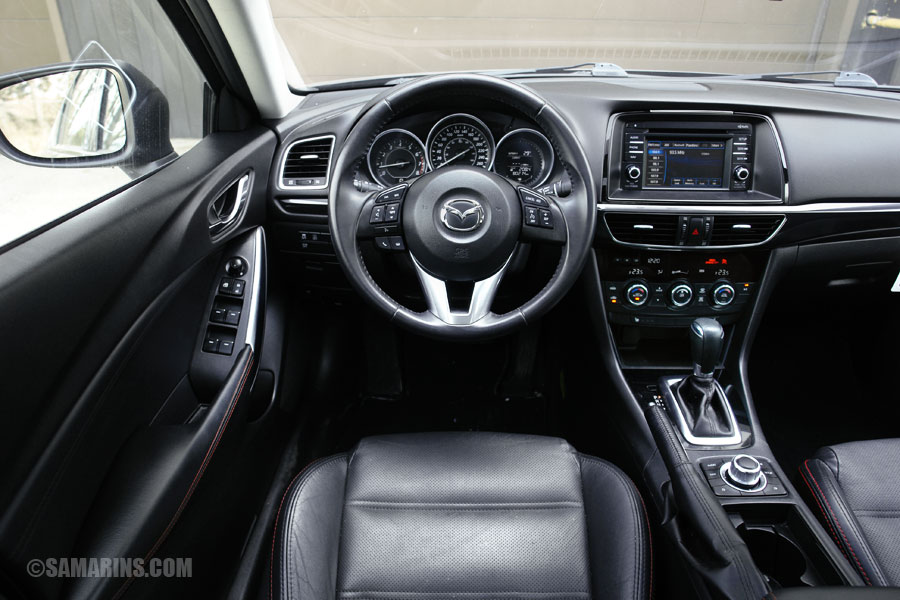
Interior Comfort and Ergonomics
Used Mazda6 owners often praise:
- Supportive seats
- Driver-focused cockpit
- Easily readable gauges
- Logical layout of controls
Unlike some luxury rivals that skimp on materials at this price point, the Mazda6 interior feels solid and well-appointed for its age.
3. Reliability — The Heart of the Question
If you’re asking “Should I buy it?”, you’re really asking a deeper question:
Will this car hold together and not cost a fortune to fix?
To answer that, we have to talk reliability in practical terms.
Overall Reliability Reputation
The Mazda6 — across its generations — has a generally good reputation for reliability. It is not at the very top of reliability lists like some Toyota or Honda models, but it’s consistently above average for mainstream midsize sedans.
Common reliability patterns with the 2014 Mazda6 include:
- Engine longevity — Generally strong if maintained
- Transmission — Automatic transmissions hold up well; shifts are predictable
- Electronics — Minor quirks reported but not widespread failures
- Interior trim — Wear happens, but nothing systemic
- Suspension wear — Common on high-mileage cars, not a design flaw
So the big picture: this car is not fragile. But as with all used cars, condition matters more than age.
4. What to Inspect Before You Buy
A used car is not a new guarantee. Here’s the checklist that separates good buys from future repair bills.
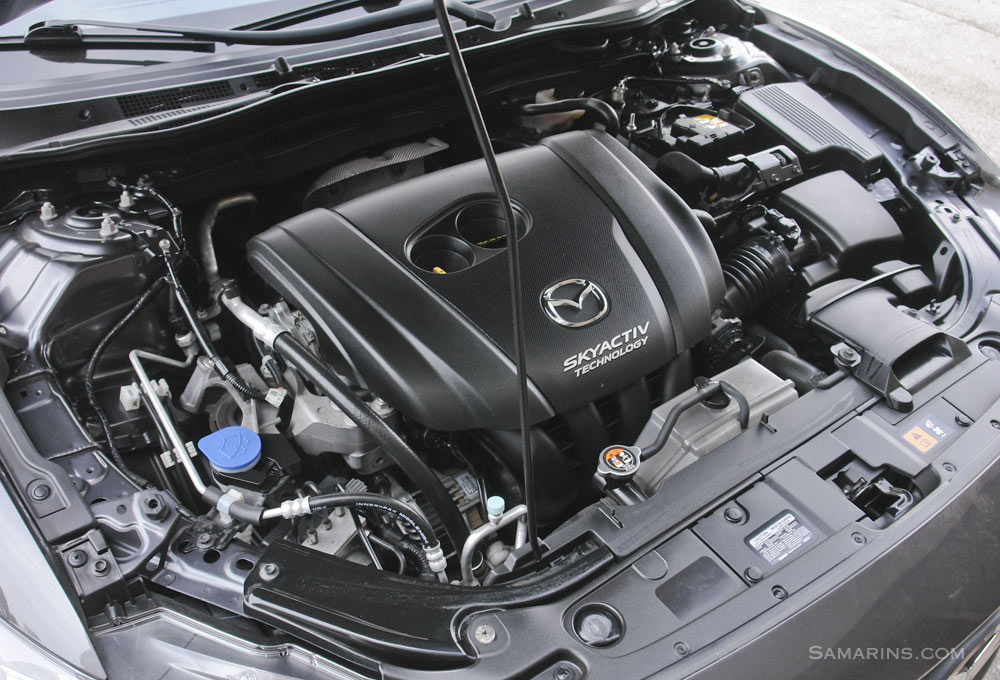
Engine Health
- Ask for service records — regular oil changes matter
- Look for oil leaks around valve covers, cam seals
- See if the engine starts cleanly without hesitation
- Check if the engine oil looks dark or sludgy (maintenance history unknown)
Transmission Operation
- Smooth, predictable shifts
- No hesitation when accelerating or decelerating
- No clunking or slipping between gears
Suspension and Brakes
Older cars — especially around 100,000 miles — often show:
- Worn struts and shocks
- Bushings that have deteriorated
- Brake rotors that may need resurfacing or replacement
These are maintenance items rather than catastrophic faults, but they all cost money.
Tires
Uneven tire wear can mean:
- Misalignment
- Suspension wear
- Aggressive braking/driving history
Not necessarily deal-breaking, but worth knowing before negotiations.
Rust and Body Condition
Check:
- Wheel arches
- Rocker panels
- Underbody
- Around door seals
Rust doesn’t happen overnight, but it does matter in northern climates with winter road salts.
Interior Electronics
Try everything:
- Infotainment system
- Climate controls
- Power seats (if equipped)
- Window switches
- Cruise control
Older cars can develop minor electrical gremlins.
Vehicle History Report
Getting a Carfax or AutoCheck report is worth every penny. Look for:
- Accidents
- Title issues
- Odometer inconsistencies
- Service history notes
5. Ownership Costs: Not Just Purchase Price
A car’s value is not just what you pay upfront — it’s what you pay over time.
Insurance
As a mid-sized sedan with good safety ratings, the Mazda6 usually falls in a reasonable insurance bracket, lower than many luxury competitors.
Fuel Economy
The 2.5-liter engine delivers competent fuel efficiency — generally better than V6-powered competitors of the era — which keeps running costs reasonable.
Scheduled Maintenance
Expect routine items such as:
- Oil changes every 5,000–7,500 miles
- Brake pads and rotors as they wear
- Coolant flushes
- Transmission fluid changes
- Suspension components over time
These are predictable costs — not surprises.
Unexpected Repairs
While this generation doesn’t have widespread catastrophic issues, any older car can have surprises. A good pre-purchase inspection helps minimize those.
6. Mileage and Why It Matters
Mileage isn’t a death sentence — but it’s a cost predictor.
At around:
- Under 80,000 miles – usually a solid value
- 80,000–120,000 miles – condition and maintenance become critical
- Over 120,000 miles – expect wearable components nearing replacement
A well-maintained 120k Mazda6 can still offer years of service, but the likelihood of suspension, brakes, and other wear items needing attention increases.
7. How the 2014 Mazda6 Compares to Rivals
Buying a 2014 Mazda6 doesn’t happen in a vacuum — you compare it mentally to other options.
Here’s how it stacks up against common rivals:
Toyota Camry
- Often seen as more conservative and slightly more reliable overall
- Mazda6 is more engaging to drive
- Camry tends to fetch higher resale values
Honda Accord
- Comparable reliability
- Accord may offer a slightly roomier interior
- Mazda6 often feels more refined to drive
Ford Fusion
- Fusion can be less expensive used
- Mazda6 often feels higher quality and more connected
Each has pros and cons — but the Mazda6 stands out for its balance of comfort and driving enjoyment.
8. Cost vs Value — What Is Fair Today?
Used prices vary widely by region, condition, mileage, and options. But as a general rule:
- A well-maintained 2014 Mazda6 i Touring with average mileage might price moderately in the midsize segment
- Cars with service history, no accidents, and good cosmetic condition command higher prices — and justifiably so
When comparing listings, prioritize:
- Condition over price
- Service history over sticker price
- A clean vehicle history report
You can often save a few hundred dollars in price only to pay thousands later in repairs if condition is ignored.
9. Pros and Cons Summarized
Here’s the decision in digestible bullets:
Pros
- Enjoyable to drive for its class
- Generally reliable engines and transmissions
- Solid build quality and interior feel
- Practical daily car with good fuel economy
- Reasonable ownership costs if maintained
Cons
- Not the very cheapest used car option
- Some suspension and brake wear typical at high mileage
- Infotainment/electronics are functional but not cutting-edge
- Value depends heavily on maintenance history
10. Real Owner Feedback
On owner forums and long-term reviews, common themes include:
- “I’ve had mine for years with nothing major”
- “Regular oil changes made this car last well beyond expectations”
- “Suspension parts wore out before anything serious broke”
- “I’d buy it again over other midsize sedans”
This is exactly the pattern you want to see: few catastrophic failures, more normal wear items.
11. Your Decision Framework
A good used-car decision isn’t emotional — it’s structured. Ask yourself:
- Does it have service records?
- Has it been in any accidents?
- Does it drive well on test?
- Does it have any warning lights?
- Is the price fair for its condition and mileage?
- Will the cost of upcoming maintenance fit your budget?
If you can answer yes to most of these, you’re in good territory.
12. Final Verdict
So, should you buy a used 2014 Mazda Mazda6 i Touring?
Yes — but only if:
- You confirm its maintenance history
- It passes a pre-purchase inspection
- It drives smoothly without warning signs
- The price reflects its condition and mileage
This car is not a gamble — it’s a sound used-car choice when chosen carefully.
It’s not the cheapest possible used car, nor the most luxurious. But it delivers balanced performance, reliability, and practicality in a package that still makes sense in daily life.
In other words:
If you’re looking for a reliable, enjoyable midsize sedan that won’t constantly nag you with repairs, the 2014 Mazda6 i Touring is a solid frontier for your next used car.
Want a Buyer’s Checklist?
If you’d like, I can turn the key inspection points above into a printable pre-purchase checklist you can use at the dealer or private sale. Just ask!
Connect with us


