

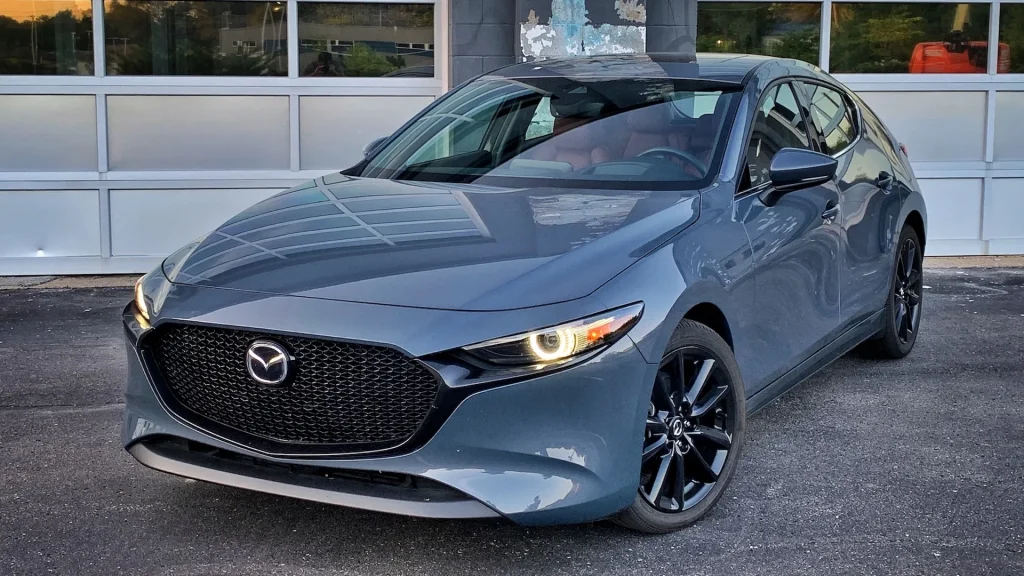
If you are shopping for a Mazda3, one of the biggest decisions is not just which trim, sedan or hatchback, or whether to go with front-wheel drive or all-wheel drive. The bigger question for many buyers is this: should you lease it or finance it?
A lot of dealership content answers that question too simply. Lease if you want lower payments. Finance if you want to own the car. That is true, but it is not enough. The better answer depends on who you are, how you drive, how long you keep cars, how much flexibility you want, and what kind of financial habits you actually have in real life.
That is especially true with the Mazda3, because this is not a throwaway economy car. It sits in a very interesting part of the market. It is affordable enough to be practical, refined enough to feel premium, and reliable enough that long-term ownership can make real sense. That changes the lease versus finance conversation quite a bit.
Mazda has built a reputation for making vehicles that feel more upscale than their price point suggests, and that is true whether you are looking at the Mazda3 or cross-shopping something bigger like the CX-50. In fact, if you also want to see how Mazda’s compact crossover compares in terms of value, design, efficiency, and everyday usability, this in-depth Mazda CX-50 review is a strong companion read.
So if you are trying to decide what is better for a Mazda3, this is the real breakdown.
Why the Mazda3 Makes This Question More Interesting Than Most Cars
The Mazda3 is not like every compact car. It has always carried a slightly different personality. While other compact sedans and hatchbacks often focus almost entirely on efficiency and price, the Mazda3 adds style, cabin quality, and driving enjoyment to the equation.
That matters because the way a car is positioned affects whether leasing or financing makes more sense.
For example, with a very basic low-cost car, many buyers finance because the goal is simply to own transportation as cheaply as possible over time. With a more expensive luxury vehicle, leasing can look attractive because depreciation is steeper and many buyers want to switch into a new one every few years.
The Mazda3 sits somewhere in the middle. It has enough quality and long-term appeal to justify ownership, but it also feels premium enough that some buyers treat it like a lifestyle car they want to refresh more often. That is why there is no one-size-fits-all answer. The right decision depends on the kind of Mazda3 buyer you are.
What Leasing a Mazda3 Really Means
Leasing is basically paying for the portion of the car you use during a fixed term rather than paying for the entire vehicle. You are not really buying the Mazda3 in the traditional sense. You are paying for a set period of use, usually with mileage and condition rules attached.
That is why lease payments are often lower than finance payments on the same vehicle. You are not covering the full price of the Mazda3. You are covering the expected depreciation during the lease period, plus rent charges and fees.
For many buyers, this creates immediate appeal. Lower monthly cost. Newer car. Warranty coverage. Less long-term commitment.
On the surface, a Mazda3 can actually be a very good lease candidate for the right person. It is stylish, modern, and pleasant to live with. If you want that experience for three years and then want the freedom to move on, leasing can be a clean solution.
But the catch is that a lease works best only when your driving habits and personality fit the structure.
If you drive more than average, tend to keep cars in rough condition, want freedom to modify the vehicle, or hate restrictions, leasing can become frustrating fast.
What Financing a Mazda3 Really Means
Financing is more straightforward. You are buying the Mazda3 over time with monthly payments. At the end of the term, assuming the loan is paid off, the car is yours.
That seems less glamorous in the short term because monthly payments are often higher than a lease, especially if the term is shorter. But financing changes the long-term math dramatically.
Once the loan is paid, you still have an asset. It may depreciate, yes, but it still has trade-in value, resale value, and utility value. Even if you keep it after it is paid off, those payment-free years are where ownership often starts making serious financial sense.
The Mazda3 is exactly the kind of car where this matters. It is not a vehicle people usually throw away after a short period. It is a sensible compact with a premium feel, and many owners keep them for years. That makes financing especially attractive for buyers who think beyond the first 36 months.
Lease a Mazda3 If You Want a New-Car Lifestyle
Let’s start with the buyer type that should seriously consider leasing.
If you like driving newer vehicles all the time, leasing a Mazda3 can make a lot of sense. The Mazda3 is one of those cars that looks good, feels well made, and offers a surprisingly upscale cabin for the class. If you enjoy that fresh-car experience and want to stay in a newer model every few years, leasing supports that lifestyle better than financing.
This is especially true if you are the kind of buyer who values convenience over long-term asset building. Some people simply do not want to think about keeping a car for eight years. They do not want to deal with aging tires, out-of-warranty repairs, or selling a used vehicle later. They want a predictable monthly cost, factory coverage, and an easy exit point. Leasing works well for that mindset.
A lease can also make sense for the buyer who wants a nicer trim than they would otherwise consider. Maybe the monthly difference between financing a base Mazda3 and leasing a better-equipped trim feels small enough that leasing opens the door to features you actually want. Better interior materials, more technology, maybe all-wheel drive or a hatchback configuration that feels more premium. For the right buyer, that can be worth it.
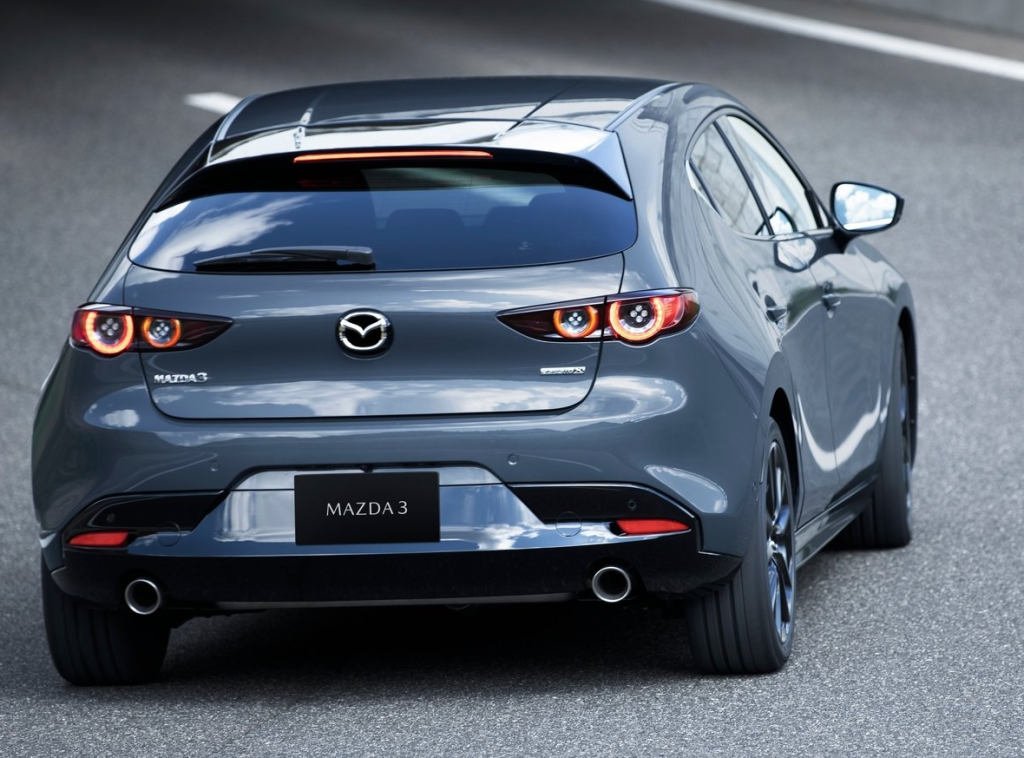
But the ideal Mazda3 lease customer usually has another key trait: low to moderate mileage. If you commute lightly, work from home part of the week, or mostly use the car for local driving, a lease becomes much easier to justify. If you are adding kilometres aggressively every year, leasing becomes less attractive because mileage penalties can erase the short-term payment advantage.
Finance a Mazda3 If You Want the Smartest Long-Term Value
Now let’s talk about the kind of buyer who should finance.
For most normal Mazda3 shoppers, financing is the stronger overall move.
Why? Because the Mazda3 is a car that makes sense to keep. It has the kind of reputation, packaging, and ownership appeal that rewards long-term use. This is not a vehicle that only makes sense during the warranty window. It is one of those compact cars that people buy because it stays practical long after the new-car smell disappears.
If you are buying a Mazda3 because you want dependable transportation with a premium edge, financing usually aligns better with that goal.
This is even more true if you drive a lot. Long commuters, regional salespeople, people with long highway routines, and anyone who racks up mileage quickly are usually better off financing. A financed Mazda3 gives you the freedom to drive without constantly thinking about lease thresholds and end-of-term penalties.
Financing is also better for the buyer who wants ownership flexibility. Once you own the car, you can keep it, trade it, sell it, or drive it payment-free. That freedom matters more than many people realize. A lease keeps you on a short leash, financially and contractually. Financing gives you more control.
The Mazda3’s personality also supports ownership. It is refined enough that you will probably still enjoy it years later, and practical enough that it does not become hard to justify once it is no longer brand new. That is not true of every car.
The Mazda3 Sedan Buyer vs the Mazda3 Hatchback Buyer
Interestingly, body style can sometimes hint at whether a buyer is more likely to prefer leasing or financing.
Mazda3 sedan buyers are often more practical. They may be looking for a refined commuter, something efficient and comfortable, something they can own for years without feeling bored. That buyer often leans finance because the vehicle is being chosen as a long-term value play.
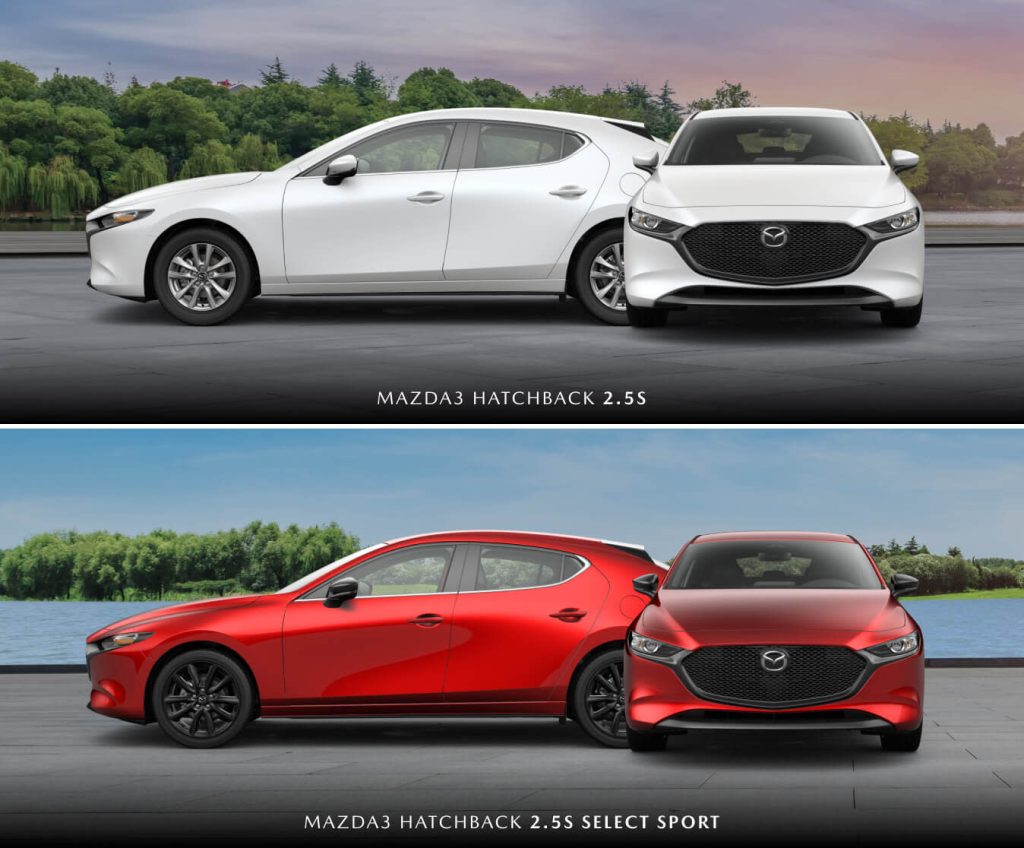
Mazda3 hatchback buyers are often a little more lifestyle-driven. Not always, but often. They may care more about design, flexibility, and a slightly more premium visual identity. Some of those buyers still finance, of course, but they are a bit more likely to fit the kind of profile that also considers leasing because they enjoy refreshing into newer vehicles more often.
That does not mean sedan equals finance and hatchback equals lease. It just means the buyer mindset sometimes aligns that way. The more practical and long-term your view is, the more financing usually wins. The more style-driven and short-cycle your view is, the more leasing starts to make sense.
Lease the Mazda3 If You Hate Ownership Risk
There is one more type of person who often prefers leasing: the person who hates uncertainty.
Some buyers do not necessarily want to maximize long-term value. They want to minimize risk and reduce hassle. They like knowing their car is newer, under warranty, and easier to hand back before it becomes an older used vehicle with age-related wear.
That logic is understandable.
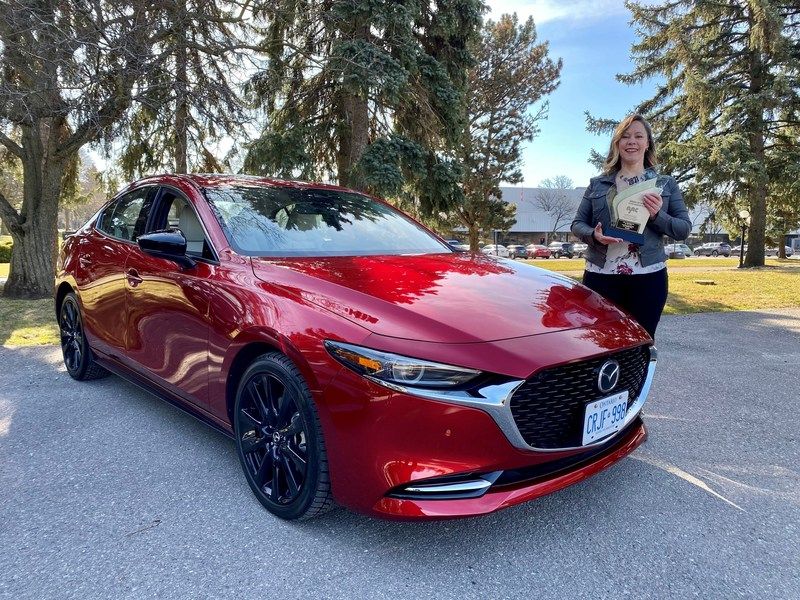
If you are the kind of person who does not want to think about long-term repair exposure, resale timing, or keeping a vehicle deep into its lifecycle, leasing gives you an orderly structure. You get in, enjoy the Mazda3, and get out on schedule.
For people who treat a car the same way others treat a phone contract or appliance cycle, leasing fits psychologically. The car is not something to keep forever. It is something to use efficiently for a defined period.
The catch is that this comfort comes at a price. While lease payments may look lower month to month, repeated leasing can keep you in a permanent payment cycle. That is great for convenience, but not always great for total long-term cost.
Finance the Mazda3 If You Think in Five-Year Blocks Instead of Three-Year Blocks
This is the biggest dividing line.
If you naturally think in three-year windows, leasing probably appeals to you more. If you think in five-year or seven-year windows, financing almost always becomes the stronger argument.
The Mazda3 is one of those cars where the ownership value starts to compound over time. The longer you keep it after the loan is paid off, the more the economics improve. Even if maintenance costs rise gradually as the car ages, you often still come out ahead versus staying on an endless cycle of short-term leased vehicles.
This is especially true for buyers who are financially disciplined. If you finance a Mazda3, pay it down properly, and then keep driving it after the payments end, you create a huge difference in your total transportation cost over time.
That is where financing really wins for the Mazda3. It is not always the prettiest short-term option, but it is often the smarter long-term one.
What Type of Guy Should Lease a Mazda3?

If we are being very direct, the ideal Mazda3 lease customer is usually this guy:
He wants a clean, refined, stylish daily driver but does not care much about keeping cars for a long time. He likes new design, new tech, lower short-term payments, and the feeling of being in something fresh. He probably drives average or below-average mileage. He prefers predictable monthly costs and likes the idea of handing the car back before it gets old enough to become his problem.
He may be a younger professional. He may be image-conscious without wanting a luxury badge. He may want a better trim than he would comfortably finance. He may value convenience more than ownership.
For that guy, leasing a Mazda3 makes perfect sense.
What Type of Guy Should Finance a Mazda3?
The ideal Mazda3 finance customer is different.
He sees the Mazda3 as a genuinely smart car to own, not just rent. He probably appreciates that it feels premium, but he is still grounded in long-term value. He drives enough that mileage restrictions would annoy him. He wants the flexibility to keep the vehicle, trade it on his own terms, or drive it payment-free later.
He may be a commuter. He may be a practical buyer who still wants something with personality. He may be someone buying his first genuinely nice daily driver and planning to keep it for years. He may simply understand that the Mazda3 is a car that often makes more sense to own than to cycle through repeatedly.
For that guy, financing is usually the better fit.
Where People Get This Decision Wrong
A lot of buyers choose based only on the monthly payment. That is where mistakes happen.
A lower payment does not automatically mean the better decision. It may mean you are paying less to use the car for now, but getting less long-term value in return.
On the other hand, a higher finance payment does not automatically mean the smarter move either. If you constantly trade early, get bored quickly, or never keep the car long enough to capture ownership value, financing loses much of its advantage.
The right answer comes from matching the structure to your behavior.
If you are the type to keep cars a long time, financing works because your behavior supports it.
If you are the type to move on every few years and prefer newness over ownership, leasing works because your behavior supports that.
The worst move is choosing a finance deal and trading out too early, or choosing a lease when you know you drive far too much and will hate the restrictions.
So Which Is Better for the Mazda3?
For most buyers, financing is better.
That is the honest answer.
The Mazda3 is not the kind of car that only makes sense as a short-term use product. It is well rounded, refined, practical, and generally worth owning. If you are the average compact-car buyer who wants strong long-term value, financing usually suits this vehicle better.
But leasing is still a very good choice for a specific kind of buyer. If you want lower short-term commitment, like changing cars often, drive limited mileage, and care more about convenience than long-term ownership, leasing can absolutely be the right move.
So the answer is not really lease versus finance in the abstract. It is this:
Finance the Mazda3 if you are a long-term value buyer. Lease the Mazda3 if you are a short-term lifestyle buyer.
That is the cleanest way to think about it.
Final Verdict
The Mazda3 is one of the few compact cars that genuinely works well either way, which is part of what makes it so appealing. It is practical enough to justify financing and polished enough to justify leasing.
Still, if you strip away the sales language and look at the kind of vehicle the Mazda3 really is, financing usually comes out ahead for most buyers. It aligns better with the Mazda3’s strengths: solid long-term value, everyday practicality, and the kind of ownership experience that remains satisfying well beyond the first few years.
Leasing still has its place. For the lower-mileage buyer who wants newer cars, lower short-term commitment, and a clean exit strategy, it can be a very smart move. But for the average guy shopping for a Mazda3 as a real-world daily driver, financing is usually the better fit.
If you want, I can also add your earlier Mazda3 sedan and hatchback review link into this same article so both Marin Mazda blog URLs are naturally interlinked.
Connect with us


