

Buyers arrive in nearly new compact SUVs. One, two, sometimes three years old. Fully loaded. Big screens. Hybrid badges. Fancy trims. On paper, they did everything “right.”
And yet, they’re getting rid of them.
What do they replace them with?
Not the newest thing.
Not the flashiest redesign.
Not the most futuristic option.
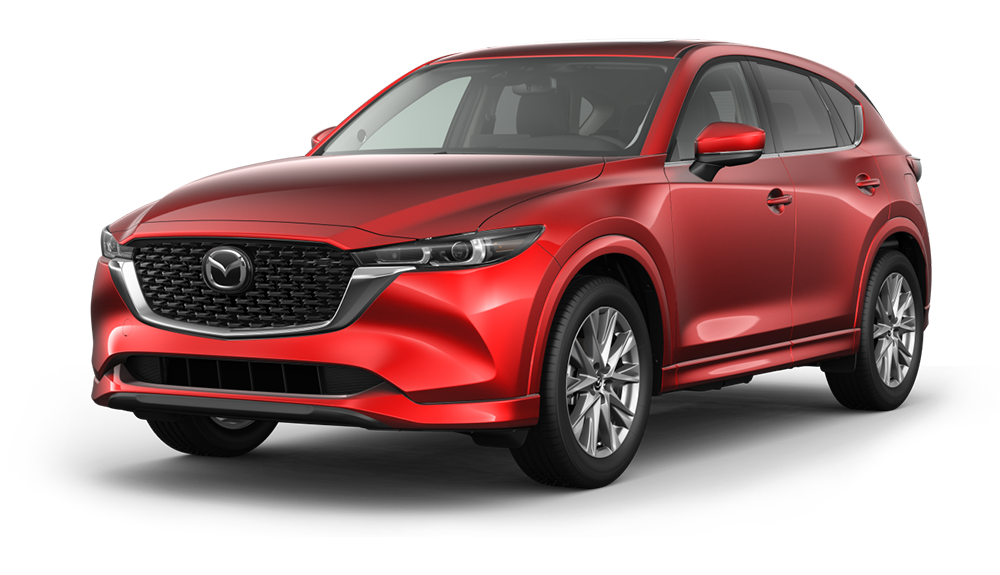
They’re buying the Mazda CX-5 — specifically the 2025 model.
That shouldn’t make sense.
But it does once you understand the mistake many modern SUV buyers make.
The SUV Market Sold People the Wrong Dream
For the past decade, compact SUVs have been marketed like tech products.
Bigger screens.
More features.
More complexity.
More “innovation.”
What rarely gets mentioned is what happens after the excitement fades.
Six months in, the novelty wears off.
A year in, the annoyances surface.
Two years in, ownership fatigue sets in.
The 2025 CX-5 exists because Mazda designed against that outcome.
It wasn’t engineered to impress on delivery day.
It was engineered to avoid regret.
Why Newer SUVs Feel Old Faster Than the CX-5
Here’s the uncomfortable truth most buyers discover too late:
Trendy design ages quickly. Solid design doesn’t.
Many newer SUVs already feel dated because they were designed around extremes:
- Overstyled exteriors tied to short-term trends
- Interiors dominated by screens that already feel obsolete
- Glossy materials that show wear immediately
- Touch-only controls that become frustrating in daily use
The CX-5 avoided all of that.
Its design didn’t chase the future. It respected fundamentals.
That’s why a 2025 CX-5 still looks expensive, restrained, and intentional — even next to vehicles launched years later.
The Interior Mistake Buyers Don’t Notice Until It’s Too Late
Most compact SUVs look impressive inside for about ten minutes.
Then reality sets in.
- Touch-sensitive climate controls that require menu digging
- Piano-black trim that scratches if you look at it wrong
- Seats that feel fine in the showroom but punish you on long drives
- Dashboards designed for photos, not ergonomics
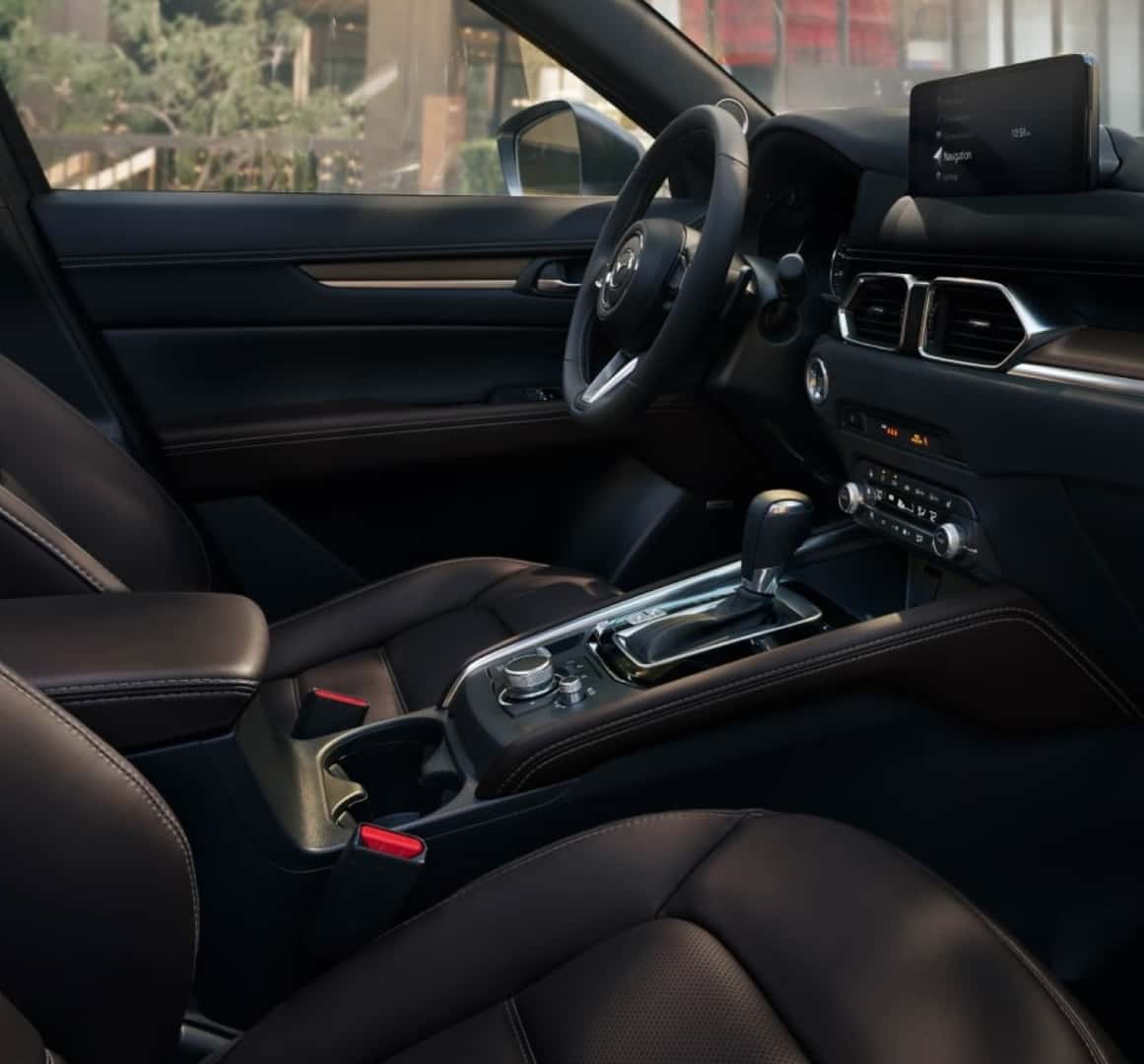
The CX-5’s interior was designed with a different priority: low cognitive load.
Everything is where your hands expect it to be.
Buttons feel mechanical.
Materials age well.
The cabin stays visually calm.
You don’t “learn” the CX-5 interior.
You simply use it.
That’s why owners don’t get tired of it.
Why the CX-5 Feels Better After a Year (Not Worse)
Most vehicles peak emotionally early.
The CX-5 does the opposite.
The steering feel becomes familiar.
The suspension behavior builds trust.
The power delivery stays predictable.
Nothing starts to feel annoying or gimmicky.
That’s because Mazda tuned this SUV like a long-term tool, not a short-term dopamine hit.
Many owners report liking the CX-5 more over time — something rarely said about modern crossovers.
The Engine Choice That Saved Owners From Buyer’s Remorse
In a market flooded with CVTs, experimental turbo setups, and early-generation hybrid systems, Mazda made a controversial choice:
It stayed conservative.
The 2025 CX-5 offers:
- A naturally aspirated engine built for longevity
- An optional turbo engine tuned for real-world torque
- A traditional automatic transmission
No CVT pretending to be sporty.
No laggy complexity.
No unpredictable behavior.
This matters because drivetrain regret is the fastest way to sour ownership.
The CX-5 avoids it entirely.
AWD That Prevents Stress Instead of Creating It
Many buyers don’t realize how reactive AWD systems work until they need them.
Slip first.
Correction later.
Mazda’s i-Activ AWD works differently. It anticipates traction loss by monitoring driver inputs and road conditions before anything goes wrong.
That’s why the CX-5 feels calm in rain, snow, and uneven pavement — without demanding attention or intervention.
It doesn’t make driving exciting.

The Driving Quality That Makes Other SUVs Feel Disposable
Here’s why many people trade out of newer SUVs:
They don’t trust them at speed.
Floaty suspension.
Vague steering.
Over-boosted brakes.
Disconnected throttle response.
The CX-5 avoids all of that.
It feels planted.
It responds predictably.
It communicates grip.
It doesn’t surprise you.
You don’t feel like you’re piloting software.
You feel like you’re driving a machine.
That difference is subtle at first — and impossible to ignore once noticed.
Why Screens Became a Liability (and CX-5 Owners Are Relieved)
Oversized displays were sold as progress.
In practice, they introduced:
- Glare
- Fingerprints
- Lag
- Distraction
- Long-term replacement anxiety
Mazda’s rotary-controller infotainment system now looks less like resistance and more like foresight.
You can operate it without looking.
You don’t need to reach forward.
You don’t rely on software updates for basic functions.
Owners don’t talk about it because it doesn’t bother them.
That’s the point.
The Ownership Phase Nobody Advertises
Marketing stops once the sale is done.
Ownership doesn’t.
This is where the CX-5 quietly outperforms:
- Stable fuel economy year-round
- Predictable maintenance costs
- Strong resale value
- Familiarity for service technicians
- Fewer “first-gen” surprises
Many newer SUVs feel exciting but exhausting.
The CX-5 feels boring in the best possible way.
Why the CX-5 Keeps Stealing Buyers From “Better” SUVs
Because many buyers now prioritize:
- Reliability over novelty
- Driving feel over screen size
- Long-term comfort over showroom impact
- Confidence over complexity
The CX-5 doesn’t win comparisons by being extreme.
It wins by being complete.
Who the 2025 CX-5 Is Actually For (and Who It Isn’t)
This SUV is not for:
- People chasing trends
- Early adopters of unproven tech
- Buyers who replace vehicles every two years
It is for:
- Long-term owners
- Commuters who drive daily
- Families who value predictability
- Drivers who notice how a vehicle behaves, not just how it looks
That audience is quieter — and far more loyal.
Final Take: The CX-5 Is the SUV People Buy After They Learn the Hard Way
The 2025 Mazda CX-5 doesn’t win because it’s new.
It wins because it’s finished.
Finished being refined.
Finished being balanced.
Finished being engineered for real life.
Many SUVs look better on paper.
Many feel more exciting for a week.
Very few still feel right years later.
That’s why people keep trading in their “better” SUVs — and driving away in a CX-5 instead.
Not because it’s trendy.
Because it avoids regret.
Connect with us


