


Why is everyone suddenly looking for a car that Mazda no longer sells?
The answer isn’t nostalgia.
It’s regret, market timing, and a gap Mazda accidentally created.
This is the untold story of the Mazda CX-3—why it was discontinued, whether it’s coming back, and why buyers are hunting for used CX-3 models more aggressively than ever.
What Was the Mazda CX-3, Really?
The Mazda CX-3 was Mazda’s entry-level subcompact crossover, positioned below the CX-30 and CX-5. It blended:
- Car-like driving dynamics
- Compact exterior dimensions
- Raised ride height
- Mazda’s premium interior philosophy
Introduced mid-decade, it was aimed squarely at urban drivers who wanted SUV styling without SUV bulk.
In many ways, it was ahead of its time.
Why the Mazda CX-3 Was Discontinued (The Real Reason)
Let’s address the top-searched question directly:
Why was the Mazda CX-3 discontinued?
It wasn’t because it was unreliable.
It wasn’t because it sold poorly worldwide.
And it definitely wasn’t because buyers hated it.
The CX-3 was discontinued primarily due to product overlap and margin strategy.
Here’s what happened:
- Mazda introduced the CX-30, which sat between the CX-3 and CX-5
- The CX-30 offered more space, more features, and higher profit margins
- Keeping both models caused internal competition
- Mazda chose the vehicle that made more money per unit
In short, the CX-3 was too good for its price point.
Mazda didn’t kill it because it failed.
Mazda killed it because it conflicted with a more profitable successor.
Does Mazda Still Make the CX-3?
Another high-volume query:
Does Mazda still make the CX-3?
No — at least not in North America.
Mazda officially discontinued the CX-3 in the U.S. and Canada after the 2021 model year. However, the story doesn’t end there.
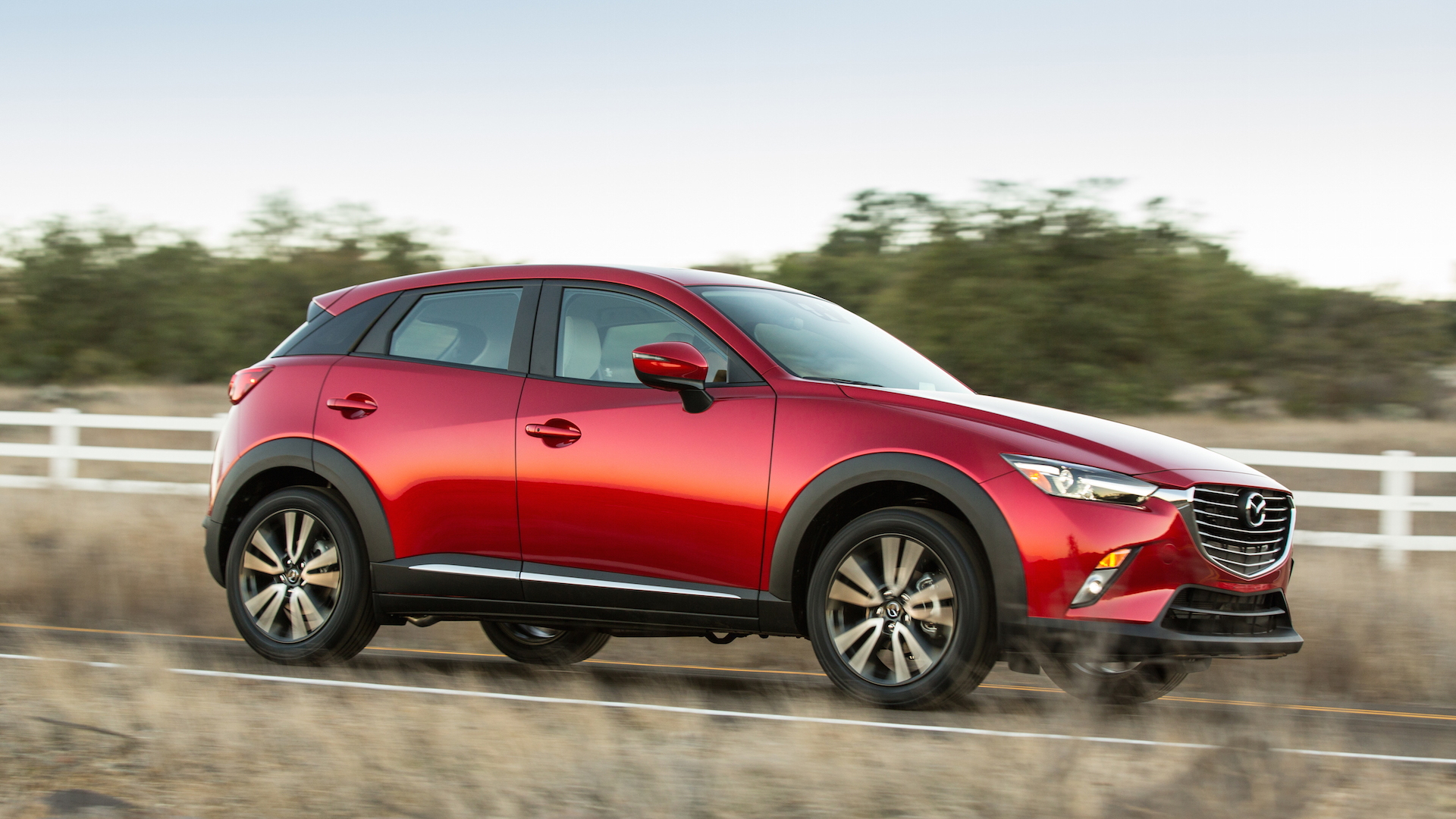
The CX-3 continued in select global markets for several years afterward, especially where:
- Smaller vehicles dominate
- Fuel costs are higher
- Urban density favors compact dimensions
That global continuation is one reason rumors about a CX-3 return keep resurfacing.
Is There a New Mazda CX-3 Coming?
This is where speculation gets interesting.
Is there a new Mazda CX-3 coming?
As of now, Mazda has not officially confirmed a next-generation CX-3 for North America.
However, industry signals suggest:
- Mazda recognizes renewed demand for smaller crossovers
- Rising fuel prices and urban congestion favor compact vehicles
- Buyers are pushing back against oversized SUVs
Instead of reviving the CX-3 nameplate directly, Mazda appears to be:
- Repositioning the CX-30
- Expanding hybrid and electrified offerings
- Watching market response carefully
A future CX-3 revival would likely be:
- Electrified
- More premium
- Positioned carefully to avoid cannibalizing other models
In other words, if it comes back, it won’t be the same CX-3.
Why Used Mazda CX-3 Models Are Suddenly Popular
Here’s the part nobody expected.
After discontinuation, CX-3 search volume didn’t drop.
It climbed.
Why?
Because the CX-3 occupies a size category that’s now underserved:
- Smaller than CX-30
- Easier to park than CX-5
- More engaging to drive than most subcompact SUVs
- Less expensive than newer alternatives
For urban drivers, first-time buyers, and downsizers, the CX-3 suddenly looks like the right-sized crossover everyone stopped making.
The 2016 Mazda CX-3: Why This Year Still Gets Searched
Search data shows strong interest in:
- 2016 Mazda CX-3
- 2016 Mazda CX-3 crossover
That’s no coincidence.
The 2016 model year marked:
- Early availability
- Simpler electronics
- Lighter curb weight
- Proven naturally aspirated drivetrain
Many buyers specifically target early CX-3 models because they avoid later complexity while retaining Mazda’s core driving DNA.
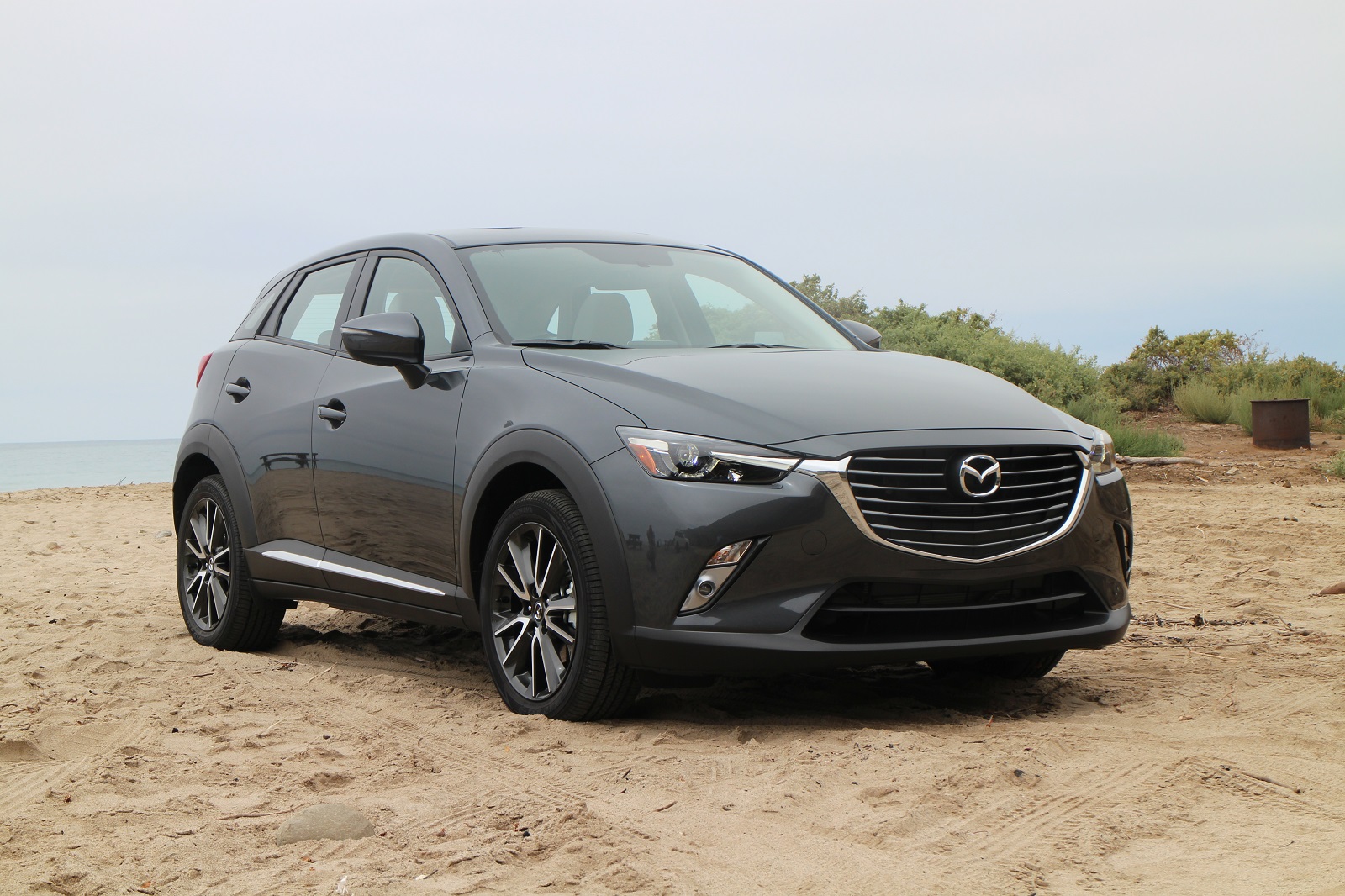
Driving Experience: Why CX-3 Owners Still Miss It
The CX-3 drove like a Mazda first and a crossover second.
Key traits owners still praise:
- Direct steering
- Minimal body roll
- Predictable throttle response
- Tight chassis feel
Compared to newer subcompact SUVs, the CX-3 feels:
- Less isolated
- Less floaty
- More connected
It didn’t try to be rugged.
It didn’t try to be luxurious.
It simply drove well.
That alone makes it stand out in today’s market.
Interior: Small but Surprisingly Premium
Mazda applied the same interior philosophy used in larger models:
- Clean dashboard layout
- High-quality materials for the class
- Minimal clutter
- Driver-focused ergonomics
While rear-seat space was limited, front-seat comfort was excellent, especially for commuters.
For many buyers, that tradeoff was worth it.
Common CX-3 Ownership Questions (Answered)
How to change Mazda CX-3 wiper blades
The CX-3 uses standard hook-style wiper arms. Replacement is straightforward:
- Lift the wiper arm away from the windshield
- Press the release tab
- Slide the blade off
- Attach the new blade until it clicks
No tools required.
How to open Mazda CX-3 trunk from inside
The CX-3 does not include an interior trunk release lever. Access is via:
- Key fob
- Exterior tailgate button
This is common for vehicles in this class and era.
CX-3 vs Modern Alternatives: Why Some Buyers Still Prefer It
Compared to newer subcompact SUVs, the CX-3 offers:
- Lower weight
- Simpler mechanicals
- More direct driving feel
- Fewer digital distractions
Newer competitors may offer:
- More space
- Larger screens
- Advanced driver assistance
But not everyone wants that tradeoff.
That’s why used CX-3 values remain stable despite age.
The CX-3’s Biggest Weakness (And Why It Didn’t Kill It)
Let’s be fair.
The CX-3 wasn’t perfect.
Its biggest drawback was rear-seat and cargo space.
For families with car seats, it was tight.
For road trips with four adults, it was limiting.
But for:
- Solo drivers
- Couples
- City commuters
It was more than enough.
Mazda didn’t discontinue it because it was bad.
They discontinued it because they changed priorities.
Why the CX-3 Feels “Right” Again in 2026
The market shifted.
- SUVs got bigger
- Prices went up
- Fuel costs increased
- Cities got denser
Suddenly, the CX-3’s size makes sense again.
That’s why people keep searching:
- “Does Mazda still make the CX-3?”
- “Is there a new CX-3 coming?”
- “Why was the CX-3 discontinued?”
They’re not asking out of curiosity.
They’re asking because they want one.
Final Verdict: The Mazda CX-3 Was Killed Too Early
The Mazda CX-3 didn’t fail the market.
The market failed to appreciate it in time.
Today, it represents:
- A rare blend of compact size and real driving feel
- Mazda’s pre-overengineering era
- A reminder that bigger isn’t always better
That’s why used CX-3 listings don’t sit long.
That’s why search interest keeps rising.
And that’s why Mazda may eventually bring something like it back.
Until then, the CX-3 remains one of Mazda’s most quietly missed vehicles — and one of the smartest used crossover buys for drivers who know exactly what they want.
Connect with us


