

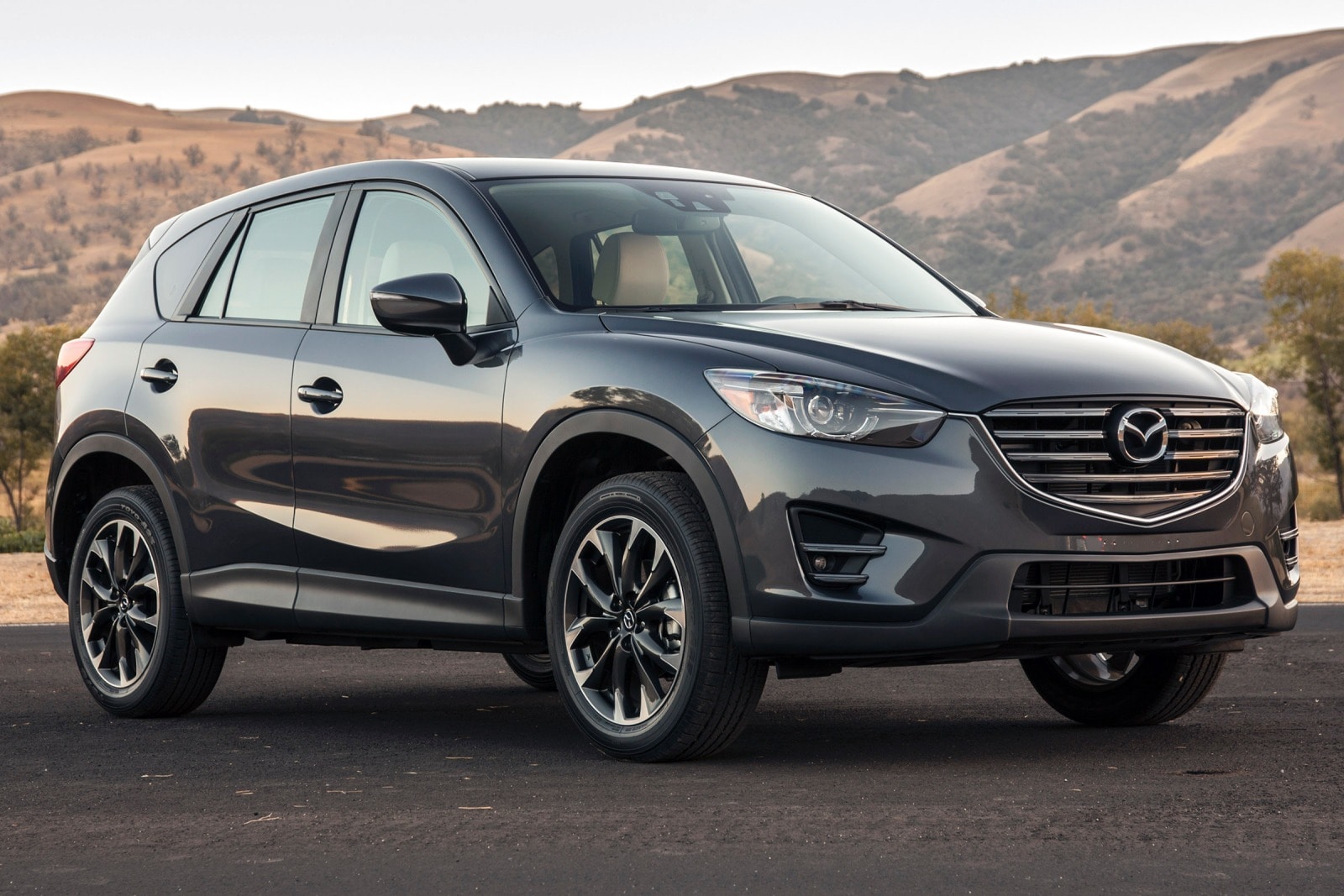
The Mazda CX-5 has long been one of Mazda’s most important vehicles, and the 2016 model year sits at a particularly interesting point in its lifecycle. It’s old enough to be affordable on the used market, yet modern enough to feel relevant for daily driving in 2026.
Search interest around 2016 mazda cx 5, 2016 mazda cx-5, and auto mazda cx 5 2016 shows that many buyers are asking the same core questions: Is it reliable? Does it have Apple CarPlay or Android Auto? Does it support remote start? And is it still a smart buy today?
This 1,500-word guide answers those questions honestly, in plain language, without sales fluff.
Why the 2016 Mazda CX-5 Still Gets Attention
The 2016 CX-5 represents the last major refresh before Mazda’s full interior and technology leap in later years. It benefits from Mazda’s early SKYACTIV engineering philosophy, which focused on efficiency, simplicity, and long-term durability.
For buyers, that matters because it means:
- Proven mechanical components
- Fewer experimental systems
- Predictable ownership costs
It’s not flashy, but it’s honest. And that’s why people keep searching for it.
Are 2016 Mazda CX-5 Reliable?
This is the most important question, and the answer is yes, the 2016 Mazda CX-5 is generally considered reliable, especially when compared to many competitors from the same era.
Why Reliability Is a Strong Point
Mazda’s approach in 2016 was conservative in a good way:
- Naturally aspirated engines (no small turbo stress)
- Traditional automatic transmission (not a CVT)
- Relatively simple electronics
- Proven platform already in production for several years
As a result, the 2016 CX-5 has developed a reputation for consistent, predictable reliability rather than headline-grabbing perfection.
Common Reliability Patterns
Owners and mechanics commonly report:
What holds up well
- Engine longevity with routine oil changes
- Smooth automatic transmission behavior
- Strong suspension tuning for daily driving
- Solid build quality
What can wear with age
- Suspension components (struts, bushings)
- Brakes and rotors
- Battery and minor electrical items
These are normal wear items, not design flaws.
Importantly, there are no widespread reports of catastrophic engine or transmission failures tied specifically to the 2016 model year.
Engine and Transmission Overview
Most 2016 Mazda CX-5 models came with a 2.0L or 2.5L four-cylinder engine, depending on trim and market.
What These Engines Are Like
- Smooth power delivery
- No turbocharger complexity
- Modest but adequate acceleration
- Good real-world fuel efficiency
They are not fast, but they are dependable. That’s exactly what many used-SUV buyers want.
Automatic Transmission Reliability
Mazda avoided CVTs in the CX-5, using a conventional automatic transmission instead. This has proven to be a long-term reliability advantage, especially as the vehicle ages past 100,000 miles.
Shifting is predictable, and issues usually give warning signs long before becoming serious.
Does the 2016 Mazda CX-5 Have Apple CarPlay?
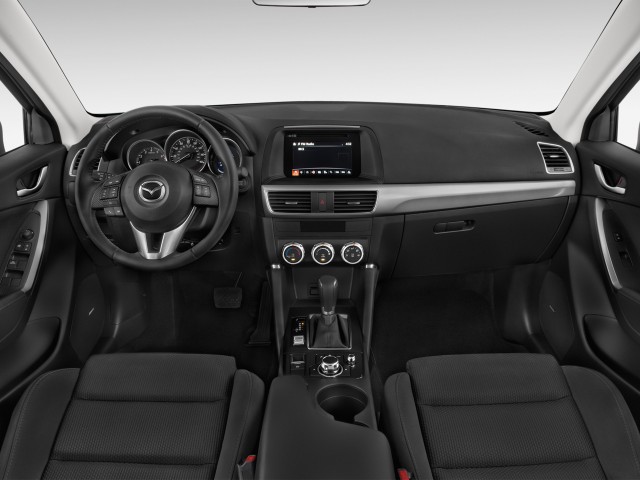
No, Apple CarPlay was not standard or factory-installed on the 2016 Mazda CX-5.
This is one of the most commonly misunderstood points.
Why It Didn’t Come with CarPlay
In 2016, Apple CarPlay and Android Auto were still emerging technologies. Mazda did not fully integrate them until later model years.
However, this doesn’t mean you’re stuck without modern smartphone integration.
Can Apple CarPlay Be Added?
Yes. Many owners retrofit Apple CarPlay using:
- Mazda-approved retrofit kits (availability varies by region)
- Aftermarket infotainment upgrades
Retrofits can provide:
- Apple CarPlay
- Android Auto
- Improved navigation and media support
This upgrade is one of the most popular modifications for 2016 CX-5 owners.
Does the 2016 Mazda CX-5 Have Android Auto?
Just like Apple CarPlay, Android Auto was not factory-equipped on the 2016 CX-5.
However, similar retrofit options exist, and many owners choose to upgrade rather than pass on an otherwise solid vehicle.
Does the 2016 Mazda CX-5 Have Remote Start?
From the factory, remote start was not standard on the 2016 Mazda CX-5.
That said, this is not a deal-breaker.
Remote Start Options
Many CX-5 owners install:
- Dealer-installed remote start systems
- Aftermarket remote start kits
These systems can be:
- Key-fob based
- App-based (depending on system)
Remote start is commonly added, especially in colder climates, and works well when installed properly.
Interior Quality and Comfort
One of the reasons the CX-5 has aged well is its interior design.
While it doesn’t look as modern as newer Mazdas, it still feels:
- Solidly built
- Ergonomically sound
- Easy to live with
Seats are supportive, controls are intuitive, and visibility is good. It doesn’t overwhelm the driver with screens or menus, which some buyers still prefer.
Space and Practicality
Passenger Space
The CX-5 offers:
- Comfortable front seating
- Adequate rear seating for adults on shorter trips
It’s not the roomiest in the class, but it’s well-balanced for most households.
Cargo Space
Cargo capacity is practical for:
- Groceries
- Strollers
- Weekend trips
It won’t match larger SUVs, but for a compact crossover, it remains competitive.
Fuel Economy and Ownership Costs
The 2016 CX-5 delivers solid fuel economy for its class, especially compared to older compact SUVs with larger engines.
Ownership costs tend to be manageable due to:
- Readily available parts
- Straightforward maintenance
- Fewer complex systems to fail
Insurance costs are typically reasonable thanks to strong safety ratings and modest performance output.
Safety Features
Safety was a strong point for Mazda even in 2016.
Depending on trim, features may include:
- Blind-spot monitoring
- Rear cross-traffic alert
- Stability control
- Multiple airbags
While it lacks some modern driver-assist features found in newer vehicles, it still meets the needs of most drivers.
Common Problems to Watch For
No used car is perfect. When inspecting a 2016 CX-5, pay attention to:
- Suspension noise over bumps
- Brake wear and vibration
- Battery health
- Tire condition and alignment
None of these are red flags on their own, but they affect total ownership cost.
A pre-purchase inspection is always recommended.
How the 2016 CX-5 Compares to Rivals
Compared to competitors from the same era:
Versus Toyota RAV4
- CX-5 drives better
- RAV4 may have a slight edge in long-term perception
Versus Honda CR-V
- CX-5 feels more refined
- CR-V offers slightly more interior space
Versus Ford Escape
- CX-5 tends to age more gracefully
- Escape may offer more power options
The CX-5 stands out for its balance, not extremes.
Who Should Buy a 2016 Mazda CX-5?
The 2016 CX-5 is a good fit if you:
- Want a reliable used compact SUV
- Value driving feel and build quality
- Are okay adding CarPlay or remote start later
- Prefer predictable ownership costs
It may not be ideal if you:
- Want the latest tech out of the box
- Need maximum rear-seat or cargo space
- Expect luxury-level features
Final Verdict: Is the 2016 Mazda CX-5 Still Worth Buying?
Yes — the 2016 Mazda CX-5 remains a smart used-car choice, especially for buyers who prioritize reliability, driving comfort, and long-term value over cutting-edge technology.
It doesn’t try to impress with gimmicks. Instead, it delivers a solid, dependable ownership experience that has aged better than many competitors.
If you find a well-maintained example with a clean history, the 2016 CX-5 can still serve reliably for years to come.
Connect with us


