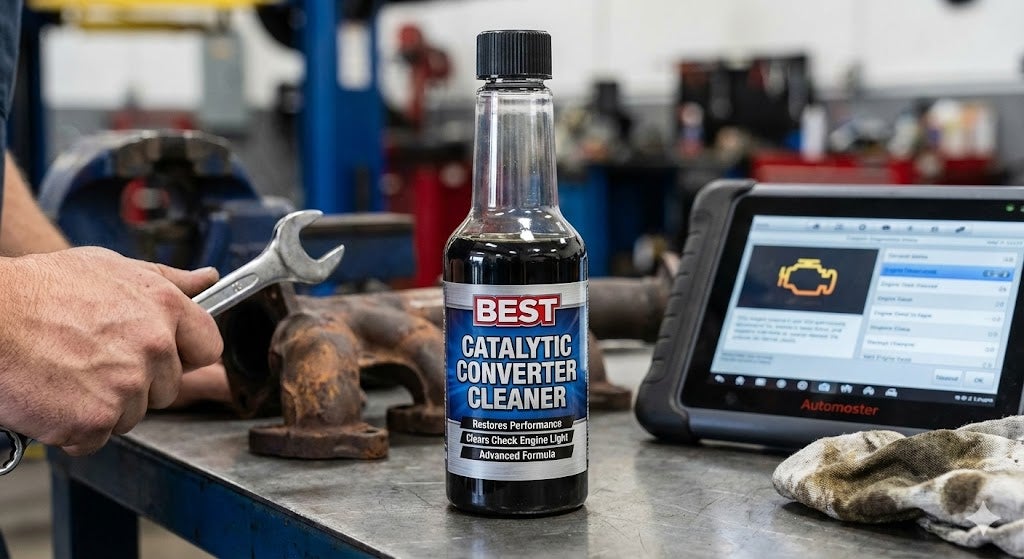
A Technical, Real-World Guide to Restoring Performance, Emissions Efficiency, and Engine Health
The catalytic converter is one of the most misunderstood components in a modern vehicle. Most drivers only think about it when the check engine light comes on or an emissions test is failed. But long before failure happens, catalytic converters degrade slowly through carbon buildup, soot accumulation, fuel residue, and incomplete combustion byproducts. This gradual contamination reduces efficiency, increases exhaust restriction, and quietly damages performance.
A high-quality catalytic converter cleaner does not replace a damaged converter, but when used correctly and early enough, it can restore flow efficiency, improve emissions performance, stabilize idle quality, and improve overall engine response. In real-world use, catalytic cleaners are not magic solutions, but they are one of the most cost-effective preventive maintenance tools available for modern engines.
This guide explains how catalytic converters fail, how cleaners work, what products are effective, how to use them correctly, and when they actually make sense.
Understanding the Catalytic Converter
A catalytic converter is not just a passive exhaust component. It is a chemically active emissions device. Inside the converter is a ceramic honeycomb substrate coated with precious metals, primarily platinum, palladium, and rhodium. These metals act as catalysts that trigger chemical reactions converting harmful exhaust gases into less harmful compounds.
The catalytic converter processes:
- Carbon monoxide into carbon dioxide
- Hydrocarbons into water vapor and carbon dioxide
- Nitrogen oxides into nitrogen and oxygen
This process requires:
- Proper exhaust temperature
- Clean exhaust flow
- Correct air-fuel mixture
- Proper combustion efficiency
When combustion is incomplete or contaminated, the converter becomes a collection point for carbon, soot, sulfur compounds, and fuel residue.
How Catalytic Converters Become Contaminated
Catalytic converters fail in three primary ways:
1. Carbon and Soot Buildup
This is the most common form of degradation. It occurs due to:
- Rich fuel mixtures
- Short trips and cold starts
- City driving
- Stop-and-go traffic
- Incomplete combustion
- Poor injector spray patterns
- Low-quality fuel
This buildup slowly coats the catalytic substrate, reducing its ability to process exhaust gases and restricting exhaust flow.
2. Chemical Contamination
Certain substances permanently damage catalytic surfaces:
- Lead additives
- Silicone sealants
- Fuel additives not emissions-safe
- Coolant leaks into combustion
- Oil burning
This type of damage cannot be reversed with cleaners.
3. Thermal Damage
Overheating from misfires or fuel dumping melts the ceramic substrate, physically destroying the converter structure.
This also cannot be repaired with cleaners.
Catalytic converter cleaners are designed only for carbon and soot contamination.
They are not structural repair products.
How Catalytic Converter Cleaners Actually Work
Most catalytic cleaners function through upstream combustion cleaning. They do not dissolve the converter internally. Instead, they improve combustion quality so that less carbon reaches the exhaust system.
There are three primary mechanisms:
Fuel System Cleaning
High-quality cleaners improve injector spray patterns, fuel atomization, and combustion efficiency. Cleaner combustion produces fewer carbon deposits.
Carbon Dissolution
Certain chemical agents bind to carbon particles and break them into smaller, burnable compounds that pass through the exhaust system.
Exhaust Path Conditioning
Some cleaners alter exhaust chemistry to allow carbon to oxidize more efficiently inside the catalytic substrate.
The effect is gradual, not instant.
What a Catalytic Converter Cleaner Can and Cannot Do
Can Do:
- Reduce carbon buildup
- Improve exhaust flow
- Improve emissions output
- Stabilize idle quality
- Improve throttle response
- Reduce check engine light recurrence related to emissions inefficiency
- Improve fuel economy
- Extend catalytic converter lifespan
Cannot Do:
- Repair melted substrates
- Fix broken ceramic cores
- Repair sensor failures
- Fix exhaust leaks
- Repair oil-burning engines
- Restore physically clogged converters
Characteristics of an Effective Catalytic Converter Cleaner
A high-quality product should have:
- Sensor-safe formulation
- Oxygen sensor compatibility
- Catalytic substrate safety
- Combustion chamber cleaning capability
- Injector cleaning capability
- Non-corrosive chemical composition
- Rubber and seal compatibility
- Fuel system compatibility
- Carbon-specific dissolving agents
- Manufacturer emissions compliance
Cheap products often lack these safeguards.
Best Catalytic Converter Cleaners (Technical Tier List)
Professional-Grade Tier
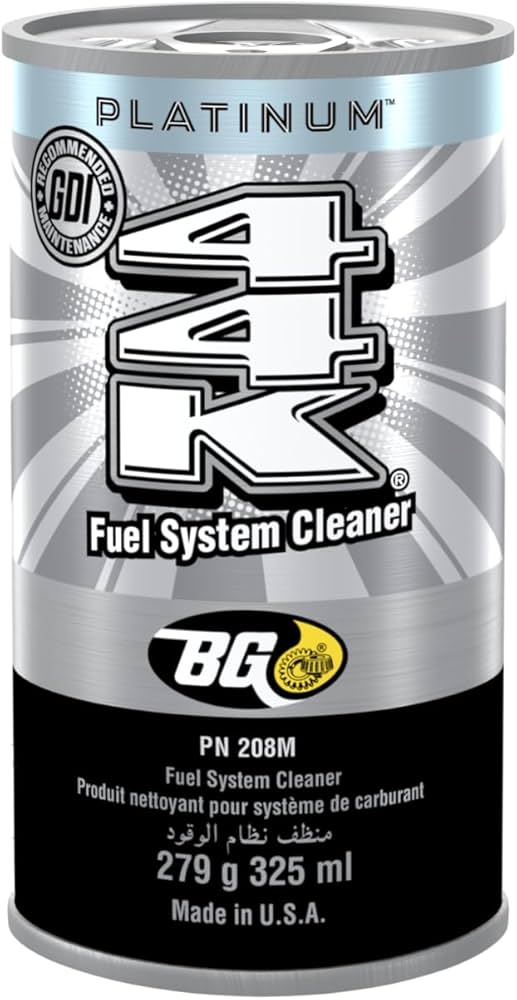
BG 44K Fuel System Cleaner
This is a professional-grade cleaner widely used in dealership service departments. It cleans injectors, combustion chambers, intake valves, and reduces upstream carbon formation before it reaches the catalytic converter. It is highly concentrated and effective for high-mileage vehicles and heavy buildup.
Best use case: High-mileage vehicles, performance loss, emissions preparation.
Advanced Consumer Tier
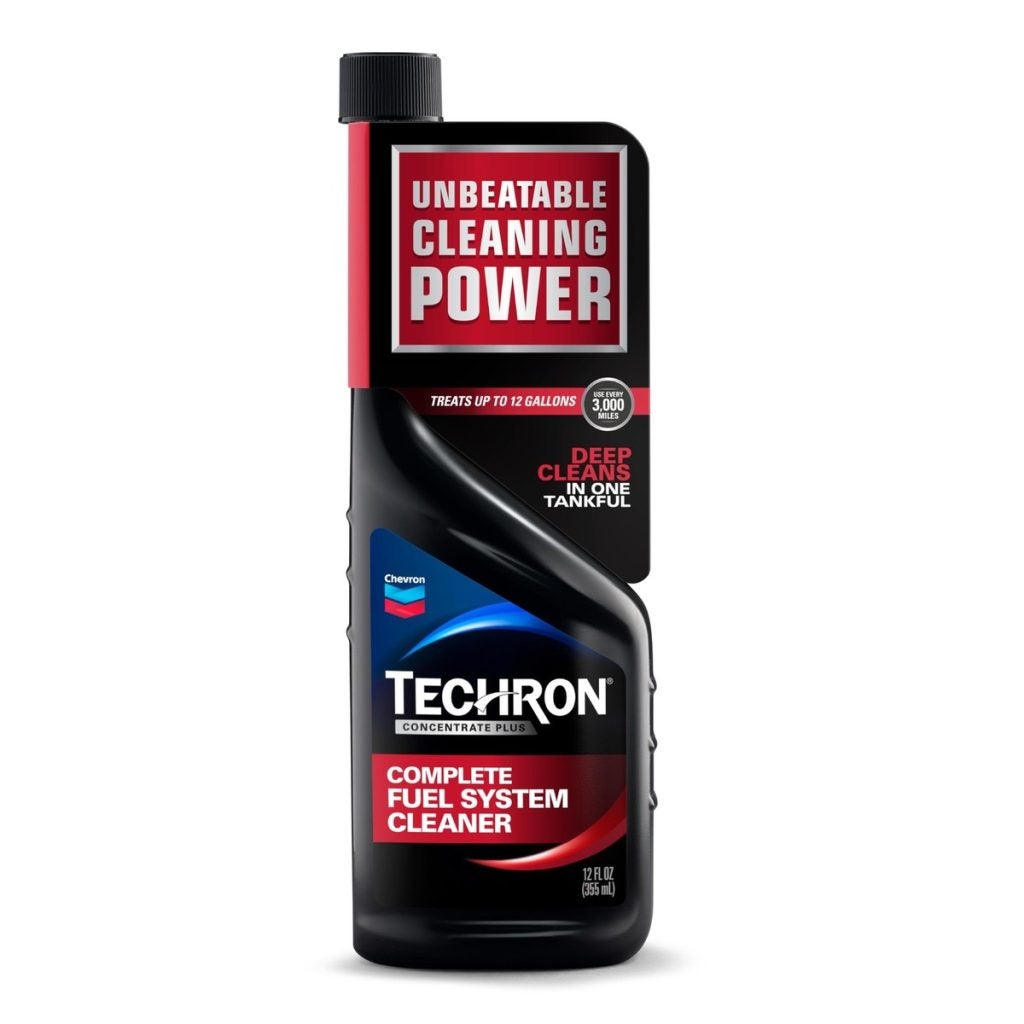
Chevron Techron Concentrate Plus
One of the most researched fuel system cleaners available. It reduces combustion deposits, improves injector efficiency, and indirectly protects catalytic converters by improving burn quality. Excellent for long-term preventive maintenance.
Best use case: Regular maintenance and moderate carbon buildup.
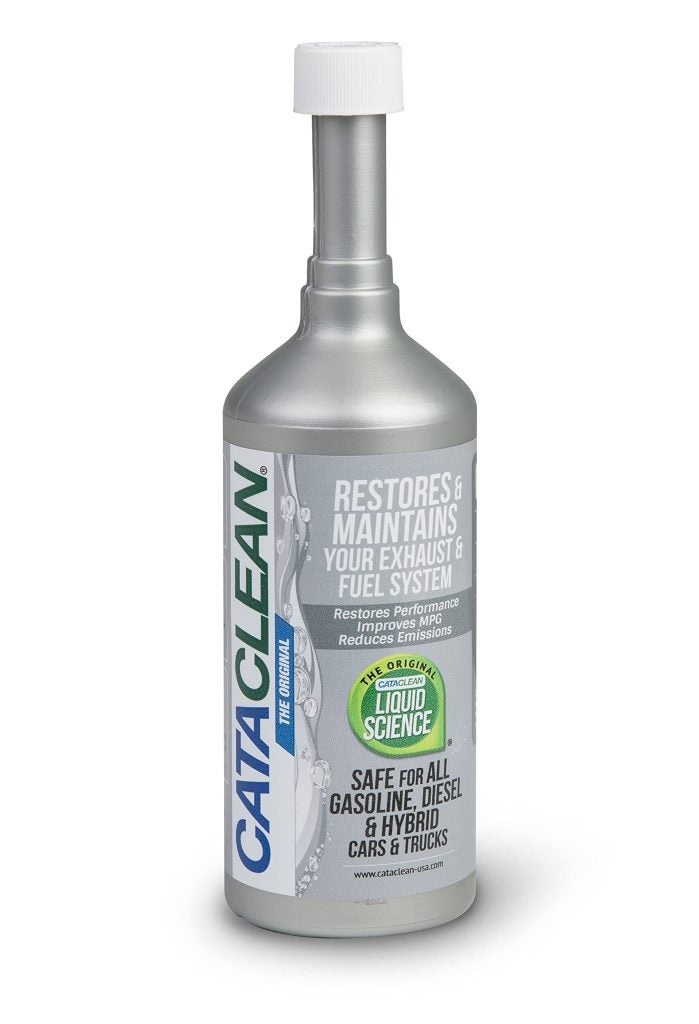
Cataclean Fuel and Emissions Cleaner
Designed specifically for emissions systems. It targets injectors, oxygen sensors, EGR systems, and catalytic converters. Works best when used as part of a routine maintenance cycle.
Best use case: Emissions-related check engine lights and smog preparation.
Multi-Purpose Tier
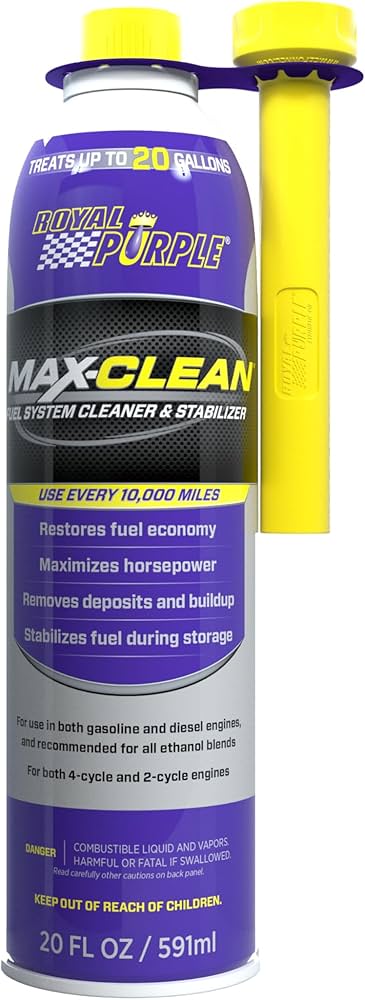
Royal Purple Max-Clean
Balanced cleaner that improves fuel system performance and emissions health. Less aggressive than professional products but good for long-term maintenance.
Best use case: Preventive maintenance and mild buildup.
SeaFoam Motor Treatment
Versatile cleaner that improves combustion quality and reduces carbon formation. Works best with repeated use rather than one-time application.
Best use case: Older vehicles and gradual buildup control.
How to Use a Catalytic Converter Cleaner Properly
- Start with a warm engine
- Fill the fuel tank at least halfway
- Add cleaner to the fuel tank
- Drive for at least 30 to 60 minutes
- Maintain highway speeds if possible
- Avoid short trips immediately after treatment
- Repeat treatment after several thousand miles if needed
The goal is sustained combustion flow through the exhaust system.
Real-World Use Scenarios
High-Mileage Vehicles
Carbon buildup is cumulative. Regular use can stabilize emissions and performance.
City Driving Vehicles
Frequent cold starts and low RPM driving create heavy soot buildup.
Emissions Test Preparation
Cleaners can reduce emissions output and improve pass rates when no mechanical faults exist.
Older Engines
Improved combustion quality reduces deposit formation.
Preventing Catalytic Converter Degradation
- Maintain proper air-fuel ratios
- Fix misfires immediately
- Use quality fuel
- Avoid unapproved additives
- Maintain injectors and ignition systems
- Avoid excessive idling
- Address oil consumption early
- Repair coolant leaks immediately
Catalytic health starts at combustion quality.
Maintenance Economics
Cleaner cost:
$10 to $30
Catalytic replacement cost:
$1,200 to $4,000+
Preventive maintenance value is self-evident.
FAQ
Do catalytic converter cleaners actually work?
Yes, for carbon-based contamination. They improve combustion quality and reduce deposit buildup that restricts exhaust flow.
How often should I use a catalytic converter cleaner?
Every 5,000 to 7,500 miles for maintenance, or before emissions testing.
Can it fix a clogged converter?
Only if clogging is due to carbon buildup. Physical damage requires replacement.
Will it harm oxygen sensors?
Not if the product is labeled sensor-safe and emissions-safe.
Can it remove sulfur smell?
Yes, sulfur odors often result from contaminated catalysts and can be reduced.
Is it safe for turbo engines?
Yes, if labeled safe for turbocharged systems.
Can I use it in diesel engines?
Only diesel-approved formulations. Gasoline cleaners are not interchangeable.
Will it clear check engine lights?
It may help if the code is emissions-efficiency related and caused by carbon buildup.
How long before results appear?
Usually within one to three driving cycles.
Is professional cleaning better?
Professional systems are more aggressive but more expensive. Fuel-based cleaners are effective for preventive maintenance.
Final Technical Conclusion
Catalytic converter cleaners are not miracle cures, but they are legitimate preventive maintenance tools when used correctly. Their value lies in reducing carbon formation, stabilizing combustion quality, and maintaining exhaust flow efficiency. Used early and consistently, they extend catalytic converter life, improve emissions performance, and protect one of the most expensive components in the exhaust system.
They do not replace mechanical repair.
They do not fix physical damage.
They do not reverse structural failure.
But as a maintenance strategy, they are effective, economical, and technically valid.