

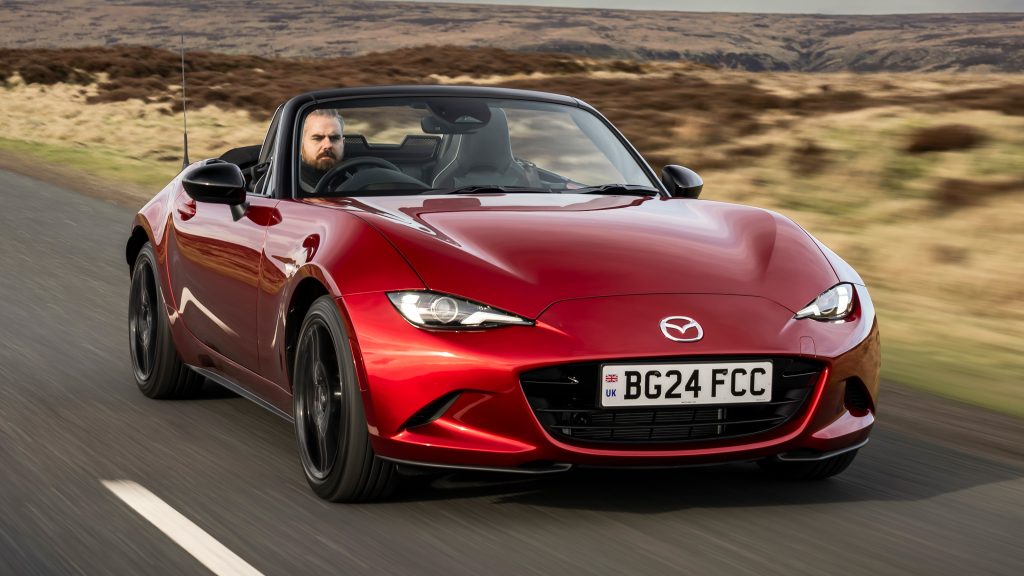
Few cars in automotive history have achieved the cultural icon status of the Mazda Miata. Known officially as the Mazda MX-5 Miata, this lightweight roadster has been delivering pure driving joy since 1989 — and it continues to define what a sports car should be.
Whether you’re searching for a Mazda Miata for sale, wondering “does Mazda still make the Miata?”, researching a Mazda Miata 1990, or asking “are Mazda Miatas reliable?”, this in-depth guide covers everything you need to know.
If you’re ready to explore current Mazda inventory or want to speak with a Mazda specialist, visit:
Let’s dive deep.
1. What Is the Mazda Miata?
The Mazda Miata, officially known as the Mazda MX-5 Miata, is a two-seat, rear-wheel-drive convertible sports car designed around one core philosophy:
Lightweight + Balance + Driver Engagement
It was first introduced in 1989 as a 1990 model, reviving the classic British roadster concept but adding Japanese reliability and modern engineering.
Today, the Miata remains:
- The best-selling two-seat sports car in history
- One of the most affordable rear-wheel-drive performance cars
- A benchmark for balanced chassis tuning
- A car that appeals to enthusiasts of all ages
2. Does Mazda Still Make the Miata?
Yes — Mazda still makes the Miata, and it remains one of the brand’s most beloved vehicles.
The current generation (ND platform) continues production with updates and refinements each year, including:
- Improved suspension tuning
- Updated infotainment
- Enhanced safety technology
- Interior refinements
- Special edition trims
The Miata is alive and well — and continues to evolve without losing its lightweight spirit.
To check availability of current Mazda models, visit:
3. 2025 Mazda MX-5 Miata Overview
The modern Mazda MX-5 Miata stays true to its roots but incorporates modern performance and safety standards.
Engine & Performance Specs
- Engine: 2.0-liter SKYACTIV-G 4-cylinder
- Horsepower: ~181 hp
- Torque: ~151 lb-ft
- Transmission: 6-speed manual (standard) or 6-speed automatic
- Drivetrain: Rear-wheel drive
- 0-60 mph: ~5.7–6.0 seconds
- Curb Weight: ~2,300–2,400 lbs
The Miata’s power may not look huge on paper, but because of its extremely low weight and near-perfect balance, acceleration feels immediate and lively.
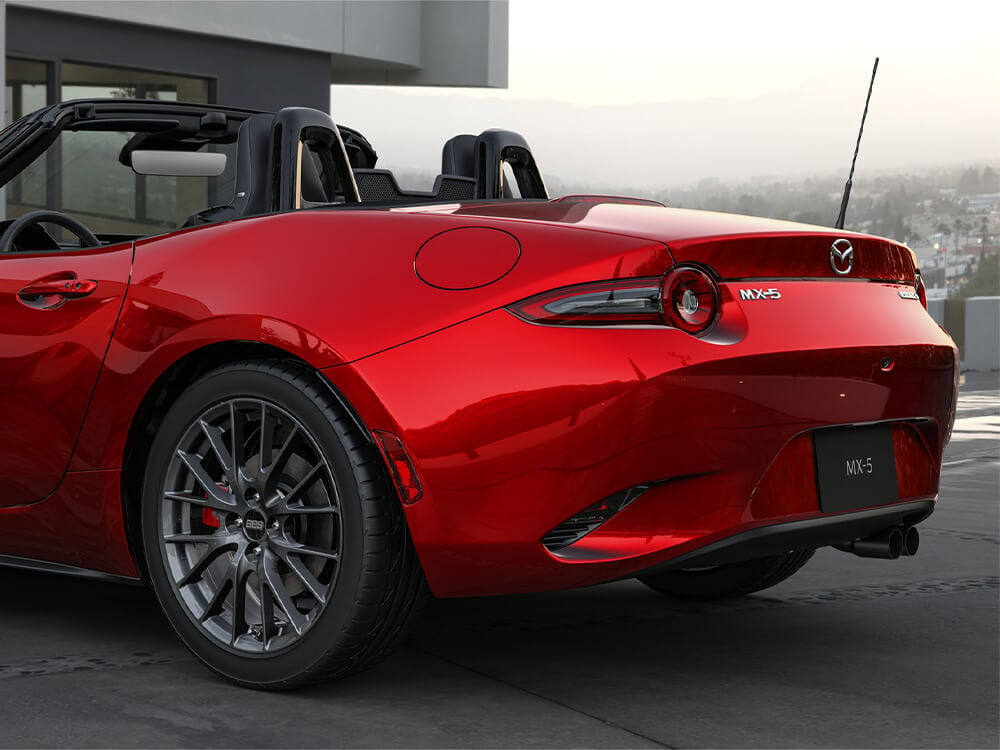
4. Mazda Miata Generations Explained
Understanding Miata history helps explain why it remains so iconic.
NA (1990–1997)
The original Mazda Miata 1990 introduced:
- Pop-up headlights
- 1.6L engine
- Lightweight construction
- Simple mechanical layout
Today, the 1990 Miata is considered a collector classic.
NB (1999–2005)
- Fixed headlights
- Slightly more power
- Improved safety
- Still lightweight
NC (2006–2015)
- Larger body
- More comfort features
- More powerful engine
- Slightly heavier
ND (2016–Present)
- Return to lightweight focus
- Modern safety features
- Refined interior
- Sharp styling
- Stronger engine
Each generation maintains the Miata’s DNA: balance, simplicity, joy.
5. How Much Is a Mazda Miata?
A common question: How much is a Mazda Miata?
Pricing depends on model year and trim.
New Mazda MX-5 Miata Pricing (Approximate Range)
- Base trim: Entry sports car pricing
- Mid trims: Add comfort features
- Club trim: Sport-focused
- Grand Touring: Premium interior features
Because pricing fluctuates by location and inventory, the best way to check current pricing is:
6. How Much Are Mazda Miatas Used?
Used Miata pricing varies by generation:
- Mazda Miata 1990–1997 (NA): Increasing collector value
- NB models: Affordable entry sports car
- NC models: Balance of price and comfort
- ND models (2016+): Higher resale value
Miatas tend to hold value well due to:
- Enthusiast demand
- Strong reliability
- Limited production relative to demand
- Strong aftermarket support
7. Are Mazda Miatas Reliable?
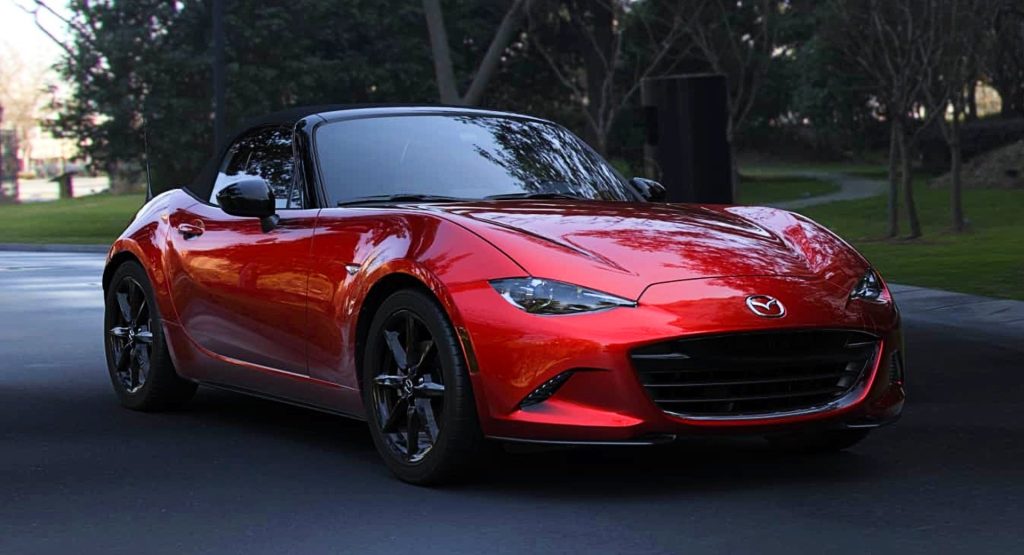
One of the most searched questions: Are Mazda Miatas reliable?
Short answer: Yes. Extremely.
Reasons why:
- Simple rear-wheel-drive layout
- Naturally aspirated engine (no turbo stress in most trims)
- Proven 6-speed transmission
- Lightweight design reduces strain on components
Many Miata owners report:
- 150,000+ miles with minimal issues
- Low maintenance costs
- Easy DIY maintenance
- Strong parts availability
The Miata has consistently ranked high in owner satisfaction and reliability ratings.
8. Mazda Miata Maintenance & Ownership Costs
Maintenance costs are typically lower than other sports cars because:
- 4-cylinder engine is fuel efficient
- Brake components are small & affordable
- Tires are modestly sized
- Insurance rates are often reasonable
Routine maintenance includes:
- Oil changes
- Brake pads
- Tire rotations
- Fluid checks
Compared to European sports cars, the Miata is dramatically cheaper to maintain.
9. Mazda Miata Driving Experience
The Miata’s magic is in its:
Balance
Near 50:50 weight distribution.
Steering Feel
Sharp, direct, communicative.
Chassis Control
Minimal body roll, excellent grip.
Manual Transmission
One of the best manual shifters in the industry.
The Miata isn’t about brute force — it’s about connection.
10. Mazda Miata for Sale: What to Look For
If searching for a Mazda Miata for sale, consider:
- Transmission type (manual preferred by enthusiasts)
- Service records
- Rust on older NA models
- Convertible top condition
- Aftermarket modifications
For certified and new Mazda inventory, explore:
11. How to Pair a New Key Fob With Mazda Miata
Another popular search: How to pair a new key fob with Mazda Miata
General steps (may vary by year):
- Sit inside vehicle with all doors closed
- Insert key into ignition
- Turn ignition ON and OFF multiple times
- Press lock/unlock on new fob
- Listen for confirmation beep
Important: Newer models often require dealer programming using Mazda diagnostic tools.
For accurate programming assistance, consult your local Mazda service department.
12. Mazda Miata vs Other Sports Cars
Compared to:
- Toyota GR86
- Subaru BRZ
- Ford Mustang EcoBoost
- Nissan Z
The Miata stands out for:
- Convertible option
- Lower curb weight
- Manual transmission excellence
- Affordable entry price
It may not have the highest horsepower, but it consistently wins in driving engagement.
13. Why Enthusiasts Love the Miata
Miata culture includes:
- Track days
- Autocross events
- Weekend road trips
- Modification communities
- Collector editions
It’s not just a car — it’s a lifestyle platform.
14. Mazda Miata Pros & Cons
Pros
✔ Lightweight fun
✔ Affordable sports car
✔ Reliable
✔ Manual transmission excellence
✔ Strong resale value
Cons
✘ Limited cargo space
✘ Only 2 seats
✘ Road noise at highway speeds
✘ Not ideal for snow without winter tires
15. Is the Mazda Miata Worth It?
If you value:
- Driving engagement
- Affordable sports performance
- Reliability
- Convertible experience
Then yes — the Mazda Miata is absolutely worth it.
It remains one of the purest driver-focused cars available today.
Final Thoughts
The Mazda MX-5 Miata continues to define the lightweight sports car segment decades after its debut.
From the iconic Mazda Miata 1990 to the modern ND generation, it has maintained a reputation for:
- Reliability
- Driving joy
- Strong resale
- Affordability
Whether you’re researching how much a Mazda Miata costs, checking reliability, or looking for a Mazda Miata for sale, the Miata remains one of the smartest enthusiast purchases available.
To explore Mazda inventory, speak with specialists, or schedule a test drive, visit:
Mazda CX-30: Expert Review
Specs, Reliability, Comparisons, Ownership Tips + More
Introduction
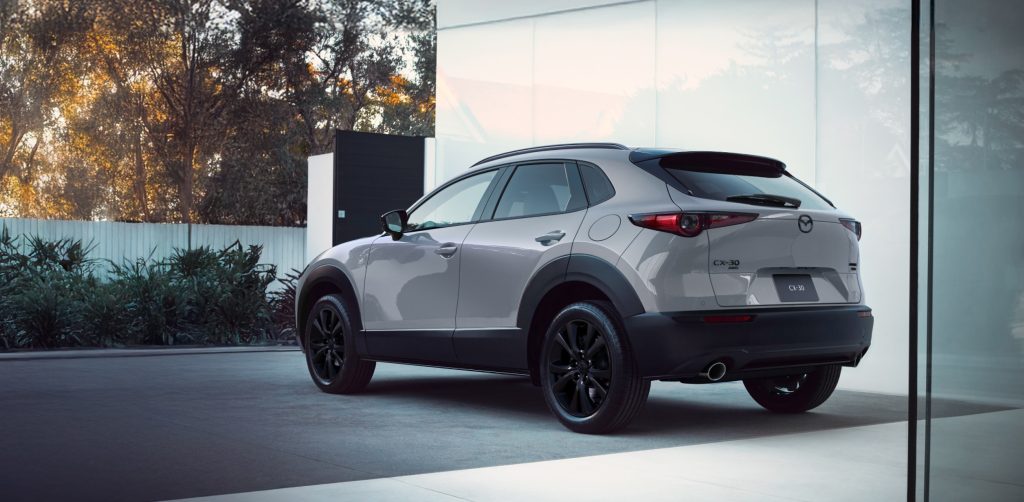
The Mazda CX-30 has rapidly become one of the most popular compact crossover SUVs on the road. Bridging the gap between the Mazda3 hatchback and the larger Mazda CX-5, the CX-30 presents a seemingly perfect blend of style, performance, comfort, and everyday practicality.
Whether you’re asking “is Mazda CX-30 a good car?”, “are Mazda CX-30 reliable?”, or “how does the CX-30 compare to the CX-5?”, this comprehensive guide covers every angle — backed by data, user experience insights, and real-world ownership perspective.
If you’re ready to see what the Mazda CX-30 has to offer or explore current inventory, trim levels, and pricing in California, visit:
Chapter 1 — What Is the Mazda CX-30?
The Mazda CX-30 is a compact crossover SUV introduced by Mazda as a slightly larger alternative to the Mazda3 hatchback and smaller alternative to the Mazda CX-5. It was first released for the 2020 model year and quickly gained attention for its premium interior, attentive handling, and strong safety scores.
In many markets, including the U.S. and Canada, the CX-30 sits in the ever-popular compact SUV space — a segment dominated by vehicles like the Honda CR-V, Toyota RAV4, and Subaru Crosstrek.
However, Mazda continues to differentiate the CX-30 with a focus on driver engagement, upscale design, and modern technology.
Chapter 2 — Mazda CX-30 Design: Exterior & Interior
Exterior Styling
The CX-30 is instantly recognizable for its modern interpretation of Mazda’s Kodo — Soul of Motion design language. Key characteristics include:
- Sculpted, flowing body lines
- Slim LED headlights
- A boldly framed grille
- Hidden roof rails for cleaner aerodynamics
- Standard 18-inch wheels (larger sizes available)
The result is a vehicle that looks sleek and sporty without sacrificing SUV practicality.
Interior Quality
Inside, the CX-30 is often compared to vehicles one class above its price point. Standard and available features include:
- Soft-touch materials across the dash and doors
- Sporty yet comfortable seating
- Minimalist, driver-centric layout
- Available leather upholstery on higher trims
- Ambient interior lighting for a premium feel
The interior feels intentional — not cluttered — which helps the CX-30 stand out in a segment where many vehicles opt for cheap plastics and textbook layouts.
Chapter 3 — 2025 Mazda CX-30: What’s New
With the 2025 Mazda CX-30 model, Mazda has introduced refinements that tighten its appeal:
- Updated infotainment system with larger display
- Expanded standard safety features
- Enhanced suspension tuning
- Optional premium packages
- Improved fuel efficiency across trims
While the overall shape and philosophy remain the same, these refinements ensure that the 2025 model feels up to date in terms of technology, comfort, and on-road feel.
To explore full 2025 CX-30 trim levels and pricing, visit:
Chapter 4 — Mazda CX-30 Engine & Performance
The CX-30’s performance package is a major reason it doesn’t feel like a typical economy crossover.
Standard Powertrain
Most CX-30 trims come with a 2.5-liter naturally aspirated four-cylinder engine that delivers:
- Horsepower: ~187 hp
- Torque: ~186 lb-ft
- Transmission: 6-speed automatic
- Drivetrain: FWD standard, AWD available
This powertrain offers a responsive midrange, confident passing power, and a crunchy spirited feel that keeps the driving experience engaging rather than detached.
Optional Turbocharged Engine
One of the reasons the CX-30 gets attention from enthusiasts is the turbocharged engine available on select trims:
- Engine: 2.5L turbocharged 4-cylinder
- Horsepower: ~227 hp (premium fuel)
- Torque: ~310 lb-ft
This turbo engine transforms the CX-30 from a comfortable commuter to a serious pocket-rocket crossover with brisk acceleration and strong highway pulling power.
The combination of Mazda’s well-tuned suspension, available All-Wheel Drive, and precise steering makes the CX-30 one of the most fun crossovers to drive in its class.
Chapter 5 — Mazda CX-30 Specs (2025)
Here’s a detailed look at the core 2025 Mazda CX-30 specifications:
| Category | Specification |
|---|---|
| Engine Options | 2.5L NA / 2.5L Turbo |
| Horsepower | 187 – 227 hp |
| Torque | 186 – 310 lb-ft |
| Transmission | 6-speed automatic |
| Drivetrain | FWD (std), AWD (opt) |
| Towing Capacity | up to 2,000 lbs |
| Fuel Economy (est) | 24–28 mpg city / 31–33 mpg hwy |
| Curb Weight | ~3,300–3,600 lbs |
| Fuel Tank | ~14.8 gallons |
| Cargo Volume | ~20.2 cu ft / ~45.2 cu ft w/ seats down |
These figures position the CX-30 as both efficient and capable — especially when compared to lightweight crossovers that lack AWD or towing capacity.
Chapter 6 — How Much Is a Mazda CX-30?
Pricing for the CX-30 varies by trim, drivetrain, and options. Here’s a general breakdown for 2025 models:
- Base / Preferred Trim: Most affordable starting point
- Premium Trim: Adds comfort & tech features
- Turbo Trim: Adds the more powerful turbocharged engine
- Turbo Premium / Turbo Premium Plus: Highest trims with luxury features
For exact pricing, monthly payment options, and lease specials, check:
Mazda’s value proposition shines here: competitive pricing, strong standard features, and excellent resale value make the CX-30 price point compelling in a crowded market.
Chapter 7 — Is the Mazda CX-30 a Good Car?
Pros
✔ Fun to drive — rare for a compact SUV
✔ Premium interior quality
✔ Strong safety suite (standard)
✔ Efficient fuel economy
✔ Available turbo engine
✔ AWD available for all weather confidence
Cons
✘ Cargo space is smaller than some rivals
✘ Not as powerful as some sport SUVs
✘ Road noise slightly higher at highway speeds
Answering the question: Yes — the Mazda CX-30 is a good car, especially for buyers who want a premium feel without premium pricing and driving dynamics that feel more refined than typical crossovers.
Chapter 8 — Are Mazda CX-30 Reliable?
When it comes to reliability, the CX-30 consistently scores well in surveys and owner reports. Owners often praise:
✅ Durability of engine and transmission
✅ Quality fit and finish
✅ Lower than average unscheduled repairs
✅ Smooth performance over time
The most common maintenance items are brake wear, tire rotation, and routine fluid changes — which is typical for any vehicle.
Fewer reports of major mechanical failures compared to many competitors also strengthens its reliability reputation.
Bottom line: The Mazda CX-30 is widely regarded as reliable, especially when properly maintained with scheduled service visits.
Chapter 9 — Safety & Tech Features
Safety is a core strength of the Mazda CX-30. Standard and available advanced driver assistance technologies include:
- Adaptive Cruise Control
- Automatic Emergency Braking
- Lane Keep Assist
- Blind Spot Monitoring
- Rear Cross Traffic Alert
- Traffic Sign Recognition
- Driver Attention Alert
- 360° View Camera (on higher trims)
Tech features further enhance the ownership experience:
- 8.8″ or larger Mazda Connect infotainment display
- Wireless Apple CarPlay / Android Auto
- Bluetooth hands-free
- Available premium audio system
- Navigation (on higher trims)
These features contribute to the CX-30’s appeal as a daily driver with modern connectivity and robust safety technology.
Chapter 10 — Mazda CX-30 vs Mazda CX-5: Which Is Bigger?
A frequent search question is: “Which is bigger, Mazda CX-5 or CX-30?”
Here’s a clear comparison:
| Dimension | CX-30 | CX-5 |
|---|---|---|
| Wheelbase | ~104.5 in | ~106.2 in |
| Length | ~173 in | ~179 in |
| Height | Slightly shorter | Taller |
| Cargo Space (Seats Up) | ~20.2 cu ft | ~30.9 cu ft |
| Cargo Space (Seats Down) | ~45.2 cu ft | ~59.6 cu ft |
Summary: The Mazda CX-5 is larger in almost every dimension — especially in cargo volume and overall length. If you regularly carry gear, pets, or passengers, the CX-5’s size advantage is worth considering. The CX-30, however, excels in maneuverability, city friendliness, and fuel efficiency.
Chapter 11 — Mazda CX-30 Ownership Cost
Fuel Costs
Thanks to efficient engines and lighter curb weight, the Mazda CX-30 delivers good real-world fuel economy — often beating rivals with similar AWD capability.
Insurance & Maintenance
Insurance costs are typically average compared to other compact SUVs. Scheduled maintenance (oil changes, brake service, etc.) remains competitive in price.
Resale Value
Mazda vehicles hold value well, thanks to:
💠 Reputation for reliability
💠 Desirable styling & quality
💠 Limited depreciation vs. rivals
This often translates to a higher resale price compared to many competitors when it’s time to sell or trade.
Chapter 12 — Best Mazda CX-30 Trim for You
Here’s a quick buyer’s guide based on lifestyle:
🧑💼 Commuter
Base / Preferred Trim
- Strong safety tech
- Efficient design
- Great everyday value
🚗 Weekend Adventurer
AWD Preferred or Premium
- AWD confidence
- Premium comfort features
- Tech upgrades
🏎 Performance Enthusiast
Turbo or Turbo Premium
- Strong acceleration
- Better passing power
- Sportier feel
👨👩👧 Family-Oriented
Turbo Premium Plus
- Most safety features
- Comfort amenities
- Best tech package
No matter your lifestyle, there’s a CX-30 trim that fits — and you can explore them in detail here:
Chapter 13 — Top FAQs About Mazda CX-30
Q — Is Mazda CX-30 worth buying?
A — Yes. It’s one of the more fun, feature-rich compact SUVs with strong safety ratings and high owner satisfaction.
Q — Does CX-30 have good resale value?
A — Yes. Mazda models, especially the CX-30, tend to hold value better than many rivals.
Q — How does AWD perform on the CX-30?
A — Mazda’s AWD system provides confident traction in rain, light snow, and slippery conditions — ideal for all-season driving.
Q — Is the turbo engine worth it?
A — For many owners, yes — the turbo adds lively acceleration and passing power without sacrificing practicality.
Conclusion
The Mazda CX-30 deserves its place among the most compelling compact SUVs on the market. With a premium interior, engaging driving dynamics, strong safety features, solid reliability, and modern technology, it is a vehicle that excels in both everyday life and weekend adventures.
If you’re ready to explore trim levels, pricing, test drive options, or financing, start your journey at:
Whether you want a turbo-charged performance crossover or a fuel-efficient AWD commuter, the CX-30 delivers personality, capability, and value in a package that competes with the best of its class.
2026 Mazda CX-90 — Guide
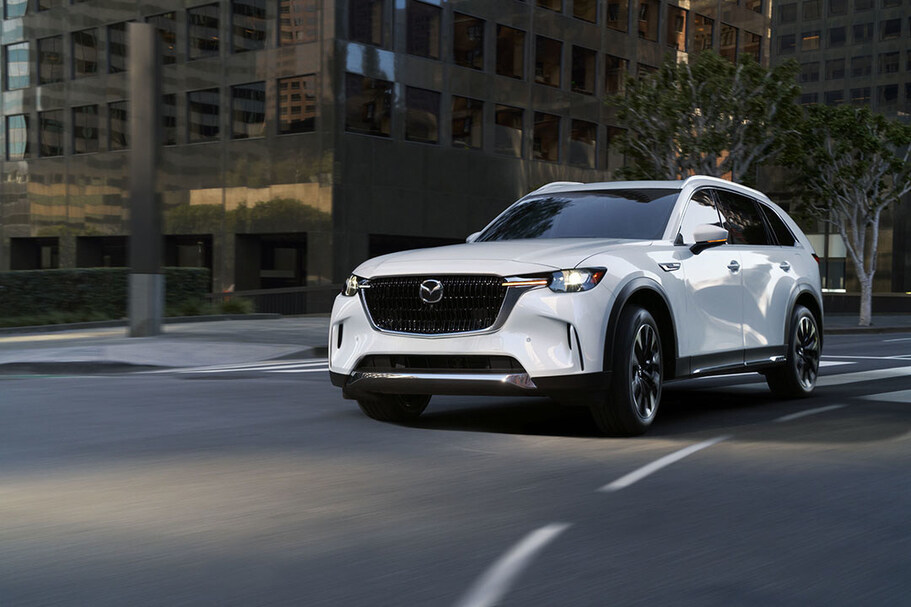
The 2026 Mazda CX-90 represents a bold new chapter for Mazda’s SUV lineup. Positioned as the brand’s flagship three-row SUV, the CX-90 brings premium engineering, spirited performance, cutting-edge technology, and thoughtful design — all wrapped in Mazda’s signature driving dynamics that challenge the norms of the SUV segment.
In this comprehensive guide, we’ll dive into:
- Full specifications & powertrain details
- Trim level breakdown
- Interior space, comfort & cargo
- Technology & infotainment systems
- Safety & driver assistance features
- Driving dynamics & performance
- Fuel economy & emissions
- Configurations, options & packages
- Pricing, value & ownership
- Comparisons to segment rivals
- Who the CX-90 is designed for
- Pros & cons based on real-world usage
- Final buying considerations
Whether you’re comparing SUV options or preparing to take a test drive, this article gives you everything you need to know about the 2026 Mazda CX-90 — and directs you to real-world availability and pricing at:
Let’s begin.
1. Introduction to the 2026 Mazda CX-90
The CX-90 builds on Mazda’s philosophy of people-centric engineering, delivering a blend of performance, utility, comfort, and advanced technology that pushes the brand closer to premium European rivals.
As Mazda’s largest SUV to date, the CX-90 is aimed at families, adventure-seekers, and drivers who want the space of a three-row vehicle without sacrificing driving engagement.
The 2026 model year continues themes established in earlier versions but introduces subtle refinements in features, refinement, and available technologies that enhance both comfort and capability.
2. Powertrain & Performance Specifications
The 2026 Mazda CX-90 lineup offers multiple powertrains depending on the trim and market region, designed to balance performance, efficiency, and responsiveness.
a. Standard Powertrain — 3.3L Turbocharged Inline-6
- Engine Type: 3.3-liter turbocharged inline-6
- Horsepower: ~277–340 hp (varies by fuel grade)
- Torque: Up to ~369 lb-ft
- Transmission: 8-speed automatic
- Drivetrain: Standard Mazda i-Activ AWD
- Fuel Type: Regular or Premium (higher output with premium fuel)
This engine delivers robust torque across a broad RPM range, enabling confident acceleration whether merging on highways or towing.
b. Plug-In Hybrid (PHEV) Option
The CX-90 introduces Mazda’s more advanced electrified powertrain:
- Engine: 2.5L four-cylinder plus electric motor
- Total System Output: ~323 hp combined
- Battery: High-capacity traction battery for EV mode
- Electric-Only Driving: Estimated 20+ miles (exact range may vary)
- Charging: Standard Level 2 plug-in capability
The PHEV version appeals to buyers seeking strong efficiency and reduced carbon footprint while retaining SUV capability.
c. Drivetrain & AWD System
All CX-90 configurations come standard with Mazda’s i-Activ All-Wheel Drive (AWD) platform. This AWD system predicts traction conditions using sensor data and proactively adjusts torque distribution to maximize stability in rain, snow, and light off-road conditions.
3. Trim Levels & Configurations
The 2026 Mazda CX-90 is offered in multiple trims that build in features, comfort, and performance:
a. CX-90 Base / Select
- Entry-level trim with essential technology and comfort
- Standard i-Activ AWD
- Safety suite included
- Good balance of features and value
b. CX-90 Preferred
- Adds more comfort features
- Upgraded infotainment
- Enhanced driver aids
- Optional packages available
c. CX-90 Premium
- Leather seating surfaces (or premium synthetic leather)
- Power-adjustable seats
- Heated seats common
- Larger wheels and aesthetic upgrades
d. CX-90 Premium Plus
- Advanced technology options
- Larger infotainment display available
- Enhanced comfort features
- Premium audio system
e. CX-90 Premium Plus PHEV
- Plug-in hybrid powertrain standard
- Unique PHEV badging and calibrations
- Higher trims or options included
Each configuration offers distinct combinations of features, allowing buyers to prioritize comfort, technology, performance, or efficiency.
To explore available configurations, local stock, and pricing details, visit:
4. Exterior Design & Features
Mazda’s design philosophy, Kodo: Soul of Motion, is fully expressed in the CX-90’s exterior. The 2026 model distinguishes itself with:
- A bold signature grille with premium chrome accents
- Sleek LED headlights and taillights
- Sculpted body lines that emphasize athletic posture
- Available panoramic moonroof
- Stylish wheel options (18″ to 21″ depending on configuration)
- Distinctive rear skid plate and dual exhaust outlets
The CX-90 looks purposeful yet refined — striking a balance between urban sophistication and rugged capability.
5. Interior & Cabin Experience
The CX-90’s interior is designed around passenger comfort and usability:
Seating & Space
- Three rows of seating for up to 7 passengers
- Second-row captain’s chairs available (reduces to 6 passengers)
- Third-row seating suitable for adults on shorter trips or children comfortably
- Premium materials throughout (synthetic leather or genuine leather in high trims)
Climate & Comfort
- Tri-zone automatic climate control
- Available heated and ventilated front seats
- Available heated second-row seats
- Quiet cabin insulation for low NVH (Noise, Vibration, Harshness)
Storage & Flexibility
- Large cargo area behind the third row
- Fold-flat second and third rows for extended cargo space
- Smart storage cubbies and wireless phone charging
The interior layout emphasizes ergonomic placement of controls, intuitive infotainment interaction, and a premium ambience that rivals vehicles costing significantly more.
6. Infotainment & Connectivity
The 2026 CX-90 comes standard with a high-resolution infotainment system that includes:
- 10.25-inch (or larger) display screen
- Wireless Apple CarPlay & Android Auto
- Bluetooth connectivity
- In-vehicle Wi-Fi hotspot capability
- Voice command functionality
- Available premium audio systems (Bose® or equivalent, depending on trim)
Higher trims may include navigation integration, larger screens, and enhanced user interface enhancements for intuitive control.
A floating center display works in tandem with Mazda’s controller and steering-wheel controls, minimizing driver distraction while delivering rich connectivity features.
7. Safety & Driver Assistance Systems
Mazda outfits the CX-90 with an extensive suite of advanced driver assistance technologies under the i-Activsense umbrella. Standard and available safety features include:
- Adaptive Cruise Control
- Lane Keep Assist & Lane Departure Warning
- Blind Spot Monitoring
- Rear Cross-Traffic Alert
- Automatic Emergency Braking
- Forward Collision Warning with Pedestrian Detection
- Traffic Jam Assist
- Driver Attention Alert
Higher trims add sensors and cameras that enable 360° view monitoring and advanced parking assistance.
These systems contribute to both everyday peace of mind and safety on long highway trips.
8. Driving Dynamics & Ride Comfort
One of the CX-90’s defining characteristics is its engaging driving dynamics — a Mazda hallmark.
Chassis & Suspension
- Refined suspension tuning for balanced handling
- Independent suspension front and rear for stability
- Enhanced body control even with high center of gravity
Steering Feel
- Linear, communicative steering enhances driver confidence
- Well-weighted feedback for both urban and highway driving
Powertrain Response
- Turbocharged inline-6 delivers smooth, powerful acceleration
- PHEV delivers instant torque from the electric motor for quick launch
Whether navigating mountain roads or city traffic, the CX-90 feels stable and composed, combining comfort with responsiveness.
9. Fuel Efficiency & Environmental Considerations
Fuel economy varies by configuration:
Turbocharged Inline-6
- Competitive highway and city mileage for a large SUV
- Strong torque delivery supports efficient highway cruising
PHEV Model
- Offers significant gains in overall efficiency
- Estimated 20+ miles of electric-only range — excellent for daily commuting
- Reduced carbon footprint for environmentally conscious buyers
Exact EPA figures vary based on drivetrain and equipment, but plug-in hybrid technology positions the CX-90 as one of the more eco-friendly large SUVs available.
10. Cargo & Practicality Specs
Cargo Capacities
- Behind Third Row: Ample space for groceries or small luggage
- Second Row Folded: Large expanded cargo bay
- All Rear Seats Down: Maximum cargo volume for large gear, camping, or business use
The flexible seating and cargo arrangement allows the CX-90 to transition from family hauler to adventure rig effortlessly.
11. Pricing & Value Proposition
The 2026 CX-90 spans a broad range of pricing depending on trim and options:
- Base trims: Well-equipped with standard safety and convenience tech
- Mid trims: Add comfort and advanced connectivity
- Premium trims & PHEV: Offer leather seating, luxury appointments, and electrified performance
The CX-90’s pricing is competitive against rivals from luxury brands, yet Mazda’s value positioning often results in lower ownership cost over time.
To explore real pricing, incentives, and available inventory near you, visit:
12. Comparisons to Key Competitors
The CX-90 competes with other three-row SUVs including:
- Toyota Highlander / Highlander Hybrid
- Honda Pilot / Pilot Hybrid (if equipped)
- Ford Explorer / Explorer Hybrid
- Jeep Grand Cherokee L
- Volkswagen Atlas
Why CX-90 Stands Out
- Stronger emphasis on driving feel than most rivals
- Premium interior finishes that rival near-luxury brands
- Standard AWD on most configurations
- Advanced hybrid efficiency in PHEV trims
While some competitors may offer slightly more cargo volume or lower starting prices, the CX-90 stands out for its balanced approach to performance, quality, and refinement.
13. Ownership & Long-Term Reliability
Mazda has made strides in reliability in recent model years, and the CX-90 is built using tested SKYACTIV architecture and Mazda engineering standards.
Ownership Highlights
- Lower long-term maintenance costs compared to many luxury rivals
- Competitive warranty coverage
- Strong resale values in the midsize SUV segment
Routine maintenance and proper service intervals preserve peak performance and efficiency.
14. Frequently Asked Questions
Q: Is the Mazda CX-90 good for families?
Yes — with its three rows, advanced safety tech, and flexible cargo space, it’s ideal for families large and small.
Q: What is the difference between the gas and PHEV models?
The PHEV model adds electric propulsion for improved efficiency and electric-only driving, while the gas model prioritizes traditional power delivery with strong torque and performance.
Q: Does the CX-90 tow?
Yes — especially petrol turbo models, which are rated competitively for towing recreational gear and trailers.
Q: Where can I see the CX-90 in person?
To view trim levels, compare configurations, and test drive the 2026 CX-90, visit:
15. Final Verdict
The 2026 Mazda CX-90 is a compelling choice for buyers who want:
- A three-row SUV with engaging driving dynamics
- Premium comfort and technology features
- Efficient hybrid options
- Advanced safety systems as standard
- Value that rivals many luxury SUVs
Between the standard turbocharged performance and plug-in hybrid efficiency, Mazda has crafted a vehicle that satisfies both enthusiast drivers and practical SUV shoppers.
For current inventory, pricing, and test drive scheduling, explore:
2026 Mazda CX-50 Hybrid Configurations
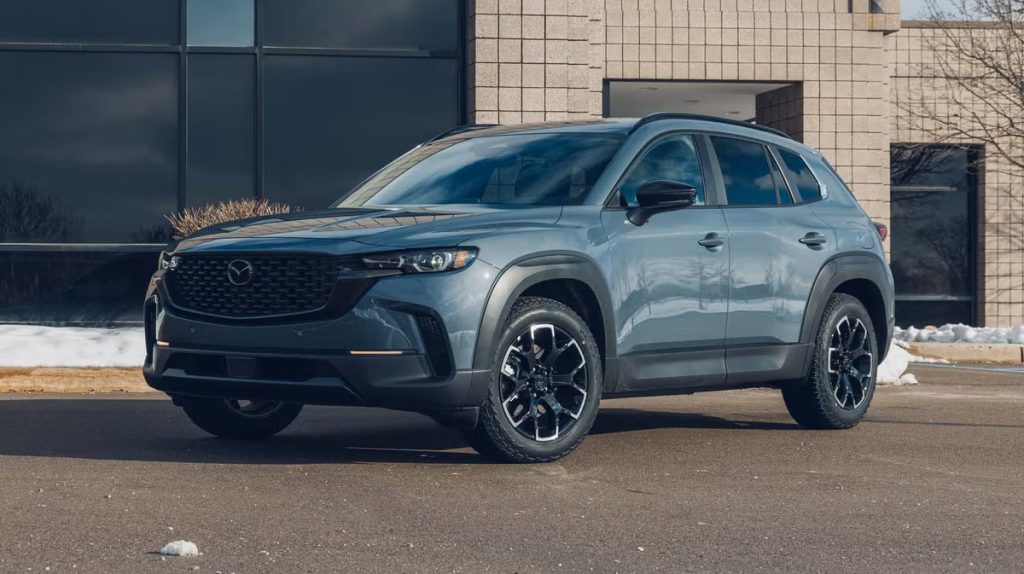
The 2026 Mazda CX-50 Hybrid marks a major step in Mazda’s SUV lineup by introducing a fuel-efficient electrified powertrain to one of the brand’s most versatile vehicles. Combining Mazda’s renowned driving dynamics with hybrid efficiency and standard all-wheel drive (e-AWD), the 2026 CX-50 Hybrid appeals to buyers who want strong everyday usability without sacrificing capability.
In this guide, we’ll walk through all available 2026 CX-50 Hybrid configurations, key features by trim, major differences between trim levels, and what each offers in terms of comfort, technology, and performance.
If you’d like to see these configurations in person or explore pricing and inventory, visit:
Hybrid Powertrain Overview
All 2026 Mazda CX-50 Hybrid configurations share the same foundational hybrid system:
Powertrain Specifications
- Engine: 2.5-liter naturally aspirated 4-cylinder
- Electric Motors: 3-motor hybrid system
- Transmission: Electronically controlled Continuously Variable Transmission (e-CVT)
- Drivetrain: Standard Mazda e-AWD (electronic all-wheel drive)
- Combined Output: ~219 hp
- Towing Capacity: ~1,500 lbs
- Estimated Fuel Economy: ~38 MPG combined (varies by trim and conditions)
This hybrid setup blends gasoline and electric propulsion to maximize efficiency while retaining Mazda’s balanced driving feel.
2026 Mazda CX-50 Hybrid Trim Configurations
Unlike traditional gasoline-only trims, the hybrid lineup is structured to emphasize both efficiency and feature richness. The hybrid SUV is available in the following configurations:
1. CX-50 Hybrid Preferred
Entry-Level Hybrid Configuration
The CX-50 Hybrid Preferred is the base hybrid trim and offers strong standard equipment alongside the efficient powertrain.
Key Standard Features
- Standard i-AWD (Mazda’s e-AWD hybrid drivetrain)
- 10.25-inch infotainment display
- Wireless Apple CarPlay & Android Auto
- 8-speaker audio system
- Dual-zone automatic climate control
- LED headlights & LED taillights
- Cloth seats with comfortable seating surfaces
- Keyless entry & push-button start
- Rear-view camera
- Adaptive cruise control
- Lane-keep assist & blind-spot monitoring
What Makes This Trim Stand Out
This configuration combines hybrid efficiency with a strong standard safety and tech suite, making it a solid choice for buyers who want value and fuel savings without sacrificing comfort or connectivity.
2. CX-50 Hybrid Premium
Mid-Tier Comfort & Convenience
The Hybrid Premium builds on the Preferred configuration by adding features that enhance comfort, style, and usability.
Additional Features Over Preferred
- Larger wheels with an upgraded design
- Heated front seats
- Power-adjustable driver’s seat
- Upgraded upholstery (synthetic leather / enhanced cloth depending on region)
- Heated side mirrors
- Integrated fog lamps
- Privacy glass
- Additional USB ports
- Enhanced driver assist features (depending on option packages)
Who This Trim Is For
The Hybrid Premium is ideal for drivers who want a more refined cabin experience and extra comfort on longer drives without stepping all the way up to the top configuration.
3. CX-50 Hybrid Premium Plus
Top Hybrid Trim with Premium Comfort & Tech
At the top of the 2026 hybrid range, the Hybrid Premium Plus brings luxury-oriented features, advanced tech, and a more upscale interior.
Key Features Unique to Premium Plus
- Leather-wrapped steering wheel and shift knob
- Ventilated front seats (for climate comfort)
- Heated rear seats (where available)
- Premium Bose® audio system with more speakers
- Navigation system integration
- Head-Up Display (HUD)
- Power liftgate
- 360° View Monitor system
- Adaptive front lighting system (AFS)
- Additional advanced safety tech (depending on packages/options)
Who This Trim Is For
The Hybrid Premium Plus is designed for buyers who want near-luxury comfort and technology — especially useful for commuters, frequent travelers, or those who want the most complete hybrid CX-50 experience.
Feature Comparisons: Hybrid Trims at a Glance
| Feature | Hybrid Preferred | Hybrid Premium | Hybrid Premium Plus |
|---|---|---|---|
| e-AWD Hybrid Powertrain | Standard | Standard | Standard |
| 10.25″ Infotainment | Standard | Standard | Standard |
| Wireless Apple CarPlay/Android Auto | Standard | Standard | Standard |
| Heated Front Seats | — | Standard | Standard |
| Power Driver’s Seat | — | Standard | Standard |
| Leather or Premium Trim | — | Optional/Available | Standard |
| Bose® Premium Audio | — | — | Standard |
| Head-Up Display | — | — | Standard |
| Navigation | — | Optional | Standard |
| 360° View Monitor | — | — | Standard |
| Power Liftgate | — | Optional/Available | Standard |
This table highlights the progression of features as you move up the hybrid lineup.
Safety & Advanced Driver Assistance
All 2026 Mazda CX-50 Hybrid configurations include Mazda’s i-Activsense safety suite, which features:
- Adaptive Cruise Control
- Lane Departure Warning & Lane-Keep Assist
- Blind-Spot Monitoring
- Rear Cross-Traffic Alert
- Automatic Emergency Braking
- Forward Collision Warning
- Traffic Sign Recognition
- Available 360° Camera System (Premium Plus)
Mazda prioritizes safety across all trims, which means even base hybrid configurations come with a robust suite of driver-assist technologies.
Above & Beyond: Optional Packages
Depending on region and dealer availability, 2026 CX-50 Hybrid trims can be ordered with optional packages that further enhance:
✔ Premium Plus Technology Package
Includes features like:
- Adaptive front lighting
- Enhanced HUD interface
- Parking sensors
- Additional safety sensors
✔ All-Weather Package
Ideal for climates with cold winters:
- Heated steering wheel
- All-weather floor mats
- Additional comfort upgrades
These packages tailor the CX-50 Hybrid’s feature set to specific driver needs.
Why Choose 2026 CX-50 Hybrid
Here’s why the hybrid configurations stand out compared to gasoline-only CX-50 trims:
Fuel Efficiency
With an estimated ~38 MPG combined, the hybrid delivers significantly better fuel economy than gasoline models.
Standard e-AWD
All hybrid trims include standard electronic all-wheel drive — no extra cost — for better traction and confidence in varied weather.
Balanced Driving Experience
The hybrid system provides smooth power delivery and a calm, quiet cabin environment, especially in urban stop-and-go traffic.
Practical Daily Use
Ample technology, strong safety credentials, and flexible cargo space make the CX-50 Hybrid ideal for:
- Commuters
- Families
- Outdoor enthusiasts
- Drivers who want efficiency without sacrificing capability
Mazda’s hybrid system is optimized for real-world usage, not just peak ratings.
🛠 Ownership & Long-Term Value
Hybrid vehicles, including the 2026 Mazda CX-50 Hybrid, tend to exhibit:
- Lower fuel costs over time
- Reduced emissions
- Stable long-term value, especially as hybrid demand increases
- Standard AWD without penalty
Routine maintenance remains straightforward, and Mazda’s service network is well-equipped to support hybrid models.
If you’re considering ownership and want help comparing hybrid trims, pricing, or available features, you can explore the full inventory and speak to Mazda experts here:
Summary: 2026 Mazda CX-50 Hybrid Configurations
Here’s a recap of the 2026 hybrid lineup:
- CX-50 Hybrid Preferred – Value-oriented hybrid with essential tech and safety
- CX-50 Hybrid Premium – Adds comfort features and convenience upgrades
- CX-50 Hybrid Premium Plus – Top-tier hybrid with premium tech, luxury features, and advanced safety systems
All configurations share Mazda’s efficient hybrid powertrain, standard all-wheel drive, and a rich set of safety and connectivity features.
These options make the 2026 Mazda CX-50 Hybrid a compelling choice for buyers who want efficiency listed alongside SUV capability.
To see these configurations in person, compare pricing, or schedule a test drive, visit:

When you’re researching compact and midsize SUVs from Mazda, two models come up again and again: the Mazda CX-50 and the Mazda CX-5. Both deliver Mazda’s signature blend of driving dynamics, premium interior feel, and strong safety credentials, but they are built for slightly different buyers — and that shows clearly when you look at the specs.
Whether you’re comparing torque figures, cargo dimensions, safety tech, or fuel economy, this detailed guide breaks down every key specification — and what it means in the real world. If after reading you’re ready to see either vehicle in person or explore pricing and availability in California, visit:
Let’s compare the Mazda CX-50 vs Mazda CX-5 specs with clarity and depth.
Overview: Mazda CX-50 vs Mazda CX-5
Before we dive into numbers, here’s a quick high-level summary:
- Mazda CX-5 — Compact SUV known for balanced handling, premium interior, excellent urban maneuverability.
- Mazda CX-50 — Newer, slightly larger SUV with rugged styling, enhanced capability, and a focus on outdoor/adventure lifestyle.
Both are built on Mazda’s SKYACTIV chassis philosophy, but the CX-50 has been engineered with additional grounding for adventurous use (towing, light off-road), while the CX-5 prioritizes refined everyday driving.
Now, let’s compare the key specifications that matter most to buyers.
Engine & Performance Specs
| Specification | 2025 Mazda CX-5 | 2025 Mazda CX-50 |
|---|---|---|
| Base Engine | 2.5L SKYACTIV-G 4-cyl | 2.5L SKYACTIV-G 4-cyl |
| Base Horsepower | ~187 hp @ 6,000 rpm | ~187 hp @ 6,000 rpm |
| Base Torque | ~186 lb-ft @ 4,000 rpm | ~186 lb-ft @ 4,000 rpm |
| Turbo Engine (Optional) | 2.5L Turbo: ~227–256 hp / 320 lb-ft | 2.5L Turbo: ~227–256 hp / 320 lb-ft |
| Transmission | 6-speed automatic | 6-speed automatic |
| Drivetrain | Standard AWD available | Standard AWD |
| Towing Capacity | Up to 2,000 lbs | Up to 3,500 lbs (Turbo) |
Analysis
In pure engine specs, the Mazda CX-50 and CX-5 are nearly identical. Both offer the naturally aspirated 2.5-liter engine and the same available turbocharged variant with roughly 256 horsepower and 320 lb-ft of torque when premium fuel is used.
However, where they diverge is purpose:
- CX-5 delivers balanced handling, lower curb weight, and more nimble urban driving.
- CX-50 is engineered for adventure with a stronger towing capacity — up to 3,500 pounds when equipped with the turbo engine — making it better suited for trail gear, small trailers, or boats.
Both use Mazda’s intelligent all-wheel-drive system as standard (no extra charge), which helps traction in rain, snow, and light trails.
Dimensions & Space Specs
| Dimension | CX-5 | CX-50 |
|---|---|---|
| Wheelbase | ~106.2 in | ~112.2 in |
| Overall Length | ~179.1 in | ~185.4 in |
| Overall Width | ~72.6 in | ~74.2 in |
| Overall Height | ~65.4 in | ~63.6 in |
| Cargo Capacity (Behind 2nd Row) | ~30.9 cu ft | ~31.4 cu ft |
| Cargo Capacity (Seats Folded) | ~59.6 cu ft | ~65.2 cu ft |
Analysis
The CX-50 is taller and longer than the CX-5, providing:
- More interior space
- Larger cargo capacity with rear seats down
- Roomier feel overall
Even though the CX-50’s cargo numbers are only slightly larger behind the second row, once rear seats are folded, the difference becomes significant — nearly 5 cu ft more usable volume than the CX-5.
The longer wheelbase also contributes to a smoother highway ride with reduced bump reaction and improved longitudinal stability.
Interior & Cargo Space
Mazda CX-5 Interior
- Passenger volume: Comfortable for 5 adults
- Standard cloth seats (upgradable)
- Premium materials available in higher trims
- Intuitive center console layout
Mazda CX-50 Interior
- Passenger volume: Slightly more rear legroom
- Rugged styling cues & available contrast stitching
- Larger touchscreen interface across trims
- More under-seat and overhead storage points
Though similar in basic layout, the CX-50 creates a more spacious feel, especially in the rear seats and cargo area. For families or outdoor gear haulers, that extra real-world utility is meaningful.
This difference becomes more apparent on long trips or when loading equipment like bikes, boards, or camping gear.
Infotainment & Tech Specs
| Feature | CX-5 | CX-50 |
|---|---|---|
| Infotainment Screen | 10.25″ | 10.25″ or available larger screen |
| Apple CarPlay | Wireless | Wireless |
| Android Auto | Wireless | Wireless |
| Wi-Fi Hotspot | Optional | Optional |
| Bose Premium Audio | Available | Available |
| Head-Up Display | Available | Available |
| Wireless Charging | Available | Available |
Analysis
Both SUVs offer a strong tech suite, including wireless Apple CarPlay and Android Auto, available Bose premium audio, and available advanced driver aids.
While the CX-5 has a well-executed, driver-centric dashboard with Mazda’s rotary controller, the CX-50 pushes more modern styling and available display size. Every major tech spec is shared between the two, but the CX-50 has the edge in optional touchscreen size and interface responsiveness.
Safety & Driver Assistance Specs
Both models include Mazda’s i-Activsense safety suite, featuring:
- Adaptive Cruise Control
- Lane Keep Assist
- Blind Spot Monitoring
- Rear Cross Traffic Alert
- Automatic Emergency Braking
- High-Beam Control
Advanced versions add:
- Traffic Jam Assist
- Driver Attention Alert
- Front/Rear Parking Sensors
Safety Ratings:
Both the Mazda CX-5 and Mazda CX-50 consistently earn high safety scores from IIHS and NHTSA across trims thanks to Mazda’s:
- Rigid chassis design
- Standard driver aids
- Excellent crash test performance
In safety specifications, they are practically tied.
Fuel Economy Specs
| Specification | Mazda CX-5 | Mazda CX-50 |
|---|---|---|
| 2.5L FWD | ~25-28 mpg combined | Not typically offered |
| 2.5L AWD | ~25-27 mpg combined | ~24-26 mpg combined |
| Turbo AWD | ~23-25 mpg combined | ~22-24 mpg combined |
Analysis of Fuel Specs
The CX-5 often has a slight advantage in fuel economy, largely due to its:
- Smaller overall size
- Slightly lower curb weight
- More urban-oriented chassis tuning
The CX-50’s rugged under-pinnings and larger dimensions result in a small fuel economy penalty, especially in the turbo AWD configuration.
For buyers prioritizing maximum efficiency, the naturally aspirated CX-5 is usually the better pick.
Suspension & Chassis Specs
CX-5 Suspension
- Front: MacPherson strut
- Rear: Multi-link setup
- Tuned for balanced everyday handling
CX-50 Suspension
- Front: MacPherson strut
- Rear: Multi-link with additional rugged tuning
- Optional cylinder deactivation and Dynamic Stability Control enhancements
The CX-50’s suspension has been designed with:
- Greater articulation
- Enhanced damping for rough terrain
- Better balance under load (towing/cargo)
This doesn’t make the CX-50 a hardcore off-roader — it’s still a road-biased SUV — but it does offer improved compliance on uneven surfaces.
Real-World Driving Performance
Mazda CX-5
- Nimble steering feel
- Lower center of gravity
- Balanced body control
- Excellent user-friendly ergonomics
Ideal for:
Daily commuting, city driving, highways, and mild off-pavement use
Mazda CX-50
- More planted feel on rough roads
- Slightly heavier steering (confidence-oriented)
- Less body roll at highway speeds
- Better towing responsiveness
Ideal for:
Active lifestyles, weekend getaways, trails, towing small trailers
Trim Levels & Specs Differences
Although core specs overlap, trim levels can affect equipment:
CX-5 Key Trims
- Sport
- Touring
- Carbon Edition
- Grand Touring
- Grand Touring Reserve
- Signature
Higher trims add:
- Leather seats
- Heated/ventilated seating
- Bose audio
- HUD
- Navigation and more
CX-50 Key Trims
- 2.5 S Preferred
- 2.5 S Premium
- 2.5 Turbo
- 2.5 Turbo Premium
- 2.5 Turbo Capstone
CX-50 Capstone adds premium materials, rugged styling cues, and unique wheel/trim treatments to set it apart from CX-5 maximum levels.
Practical Ownership Differences
| Spec Category | CX-5 | CX-50 |
|---|---|---|
| Daily Comfort | Excellent | Excellent |
| Off-Road Capability | Limited | Slightly Better |
| Towing | 2,000 lbs | Up to 3,500 lbs |
| Fuel Efficiency | Better | Slightly Lower |
| Interior Space | Slightly Smaller | Slightly Larger |
| Cargo Space | Good | Better |
The spec comparison shows that on paper, many numbers are similar — but in real life, the CX-50’s larger dimensions and chassis tuning translate to more usable space and capability.
Which Should You Choose Based on Specs?
Here’s a quick guide:
Choose Mazda CX-5 If:
- You want maximum fuel efficiency
- You prioritize urban drivability
- You want a slightly lower price point
- You prefer a slightly smaller SUV
Choose Mazda CX-50 If:
- You plan to tow gear or small trailers
- You want more cargo and passenger space
- You enjoy weekend outdoor adventures
- You want a slightly more rugged specification
Long-Term Value & Reliability
Both models share Mazda’s:
- Proven SKYACTIV engines
- Durable transmissions
- High-strength steel chassis
- Excellent long-term reliability history
Maintaining routine service is key to keeping either SUV in top condition.
See Them In Person
Specs are essential, but nothing replaces seeing, touching, and driving these SUVs yourself.
To compare feature packages, test drive both, and explore real-world option pricing, visit:
The team there can help you match your lifestyle and budget to the right Mazda SUV.
Final Thoughts: Mazda CX-50 vs Mazda CX-5 Specs
When comparing Mazda CX-50 vs Mazda CX-5 specs, the conclusion is straightforward:
- Both SUVs share Mazda’s strong engineering and driving fun characteristics.
- The CX-5 leans slightly more toward comfort, efficiency, and everyday practicality.
- The CX-50 emphasizes capability, space, and adventure-ready flexibility.
In pure numbers, many specs are similar or shared — but the intent behind the shape of those specs differs. If your priorities include towing, cargo space, and capability, the CX-50 has a spec edge. If you want fuel efficiency, city friendliness, and lower overall vehicle size, the CX-5 often gets the nod.
For current pricing and inventory to see how these specs translate into actual vehicles on the lot, go to:
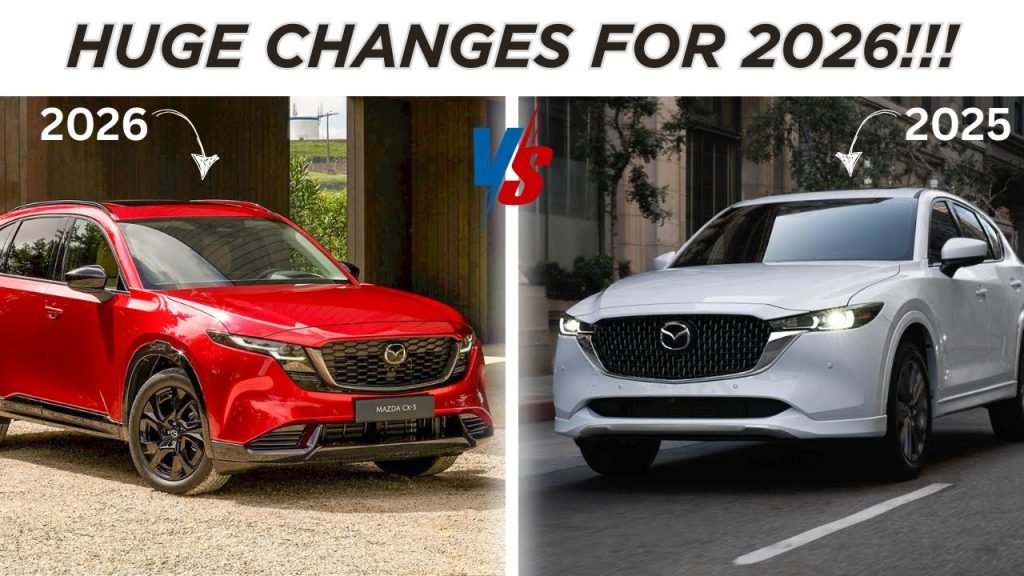
The Mazda CX-5 has been the backbone of Mazda’s SUV lineup for nearly a decade. It is the vehicle that elevated Mazda from “value brand” to “premium-adjacent disruptor.”
But 2026 marks something bigger than a typical refresh. It represents a structural shift in Mazda’s compact SUV philosophy.
So which one should you buy?
The final-year, fully matured 2025 Mazda CX-5?
Or the fully redesigned, tech-forward 2026 Mazda CX-5?
This guide breaks down:
- Platform & structural engineering changes
- Interior redesign philosophy
- Powertrain differences
- Real-world performance analysis
- Ride & handling tuning changes
- Technology interface evolution
- Safety system upgrades
- Ownership costs & depreciation
- Buyer profile analysis
- Long-term resale considerations
For current inventory, trim pricing, and lease options in California, visit:
https://marinmazda.net/
1. Platform Evolution: Refinement vs Reinvention
2025 Mazda CX-5: The Final Evolution of a Proven Platform
The 2025 model represents the last iteration of Mazda’s second-generation CX-5 platform introduced in 2017 and heavily refined through mid-cycle updates.
Key characteristics:
- Compact footprint
- Shorter wheelbase (approx. 106.2 inches)
- Excellent chassis rigidity for its size
- Mature suspension tuning
- Refined NVH (Noise, Vibration, Harshness) control
By 2025, this platform is extremely well-sorted. Engineers have fine-tuned steering weight, throttle mapping, brake feel, and body roll control over multiple years.
This is what automotive engineers call a “fully amortized architecture.” It is predictable, durable, and well-understood.
2026 Mazda CX-5: A Structural Redesign
The 2026 model introduces:
- Wheelbase stretched approximately 4.5 inches
- Overall length increased
- Wider track
- Larger rear door apertures
- Revised subframe mounting
- Structural reinforcements for safety upgrades
The extended wheelbase fundamentally changes vehicle dynamics. A longer wheelbase generally improves:
- Highway stability
- Ride composure
- Rear passenger legroom
- Weight distribution balance
But it can slightly reduce agility in tight urban environments compared to a shorter-wheelbase SUV.
Mazda has tuned the 2026 CX-5 carefully to retain its signature driving feel, but structurally, it is a larger, more substantial vehicle.
2. Exterior Design Philosophy
2025 CX-5 Design Language
The 2025 CX-5 represents peak Kodo design restraint:
- Clean body surfacing
- Subtle chrome accents
- Elegant grille treatment
- Balanced proportions
- Athletic but not aggressive
Its proportions emphasize compact agility. It looks tight, controlled, and cohesive.
2026 CX-5 Design Direction
The 2026 redesign shifts toward:
- More sculpted fender flares
- Broader grille
- Slimmer lighting signatures
- Lower visual center of gravity
- Larger wheel availability
The design now aligns more closely with the CX-70 and CX-90 aesthetic direction.
Visually, the 2026 feels more premium and contemporary. The stance is wider and more confident.
3. Interior Architecture & Ergonomics
This is where the biggest philosophical divide exists.
2025 Interior: Driver-Centric Analog-Digital Balance
The 2025 CX-5 interior includes:
- 10.25-inch infotainment display
- Rotary controller interface
- Physical climate control knobs
- Dedicated volume knob
- Traditional gauge cluster
This layout prioritizes tactile feedback and minimal driver distraction. The rotary dial allows operation without looking down.
For drivers who prefer physical controls, this layout is intuitive and safe.
2026 Interior: Digital-First Experience
The 2026 CX-5 introduces:
- Up to 15.6-inch touchscreen
- Google Built-In integration
- Reduced physical button count
- Digital gauge enhancements
- Updated center console design
Mazda has transitioned away from heavy reliance on the rotary controller. The system now emphasizes touchscreen operation.
Advantages:
- Modern interface
- Native Google Maps
- Voice-activated Google Assistant
- Larger visual clarity
Trade-offs:
- More reliance on touch interaction
- Fewer tactile shortcuts
For tech-focused buyers, the 2026 cabin feels futuristic. For traditionalists, the 2025 may feel more ergonomic.
4. Powertrain Comparison
2025 Mazda CX-5 Engine Options
Two main configurations:
2.5L Naturally Aspirated
- Approx. 187 horsepower
- Approx. 186 lb-ft torque
- 6-speed automatic transmission
2.5L Turbocharged
- Up to 256 horsepower (premium fuel)
- 320 lb-ft torque
- Strong mid-range acceleration
The turbo variant transforms the CX-5 into one of the most powerful compact SUVs in its class.
2026 Mazda CX-5 Engine Strategy
The 2026 CX-5 currently offers:
- 2.5L naturally aspirated engine only
- Turbo discontinued
- Hybrid expected in later model year
This is significant.
The 2026 model prioritizes refinement and efficiency over outright acceleration.
If you want performance, the 2025 turbo model is objectively superior.
5. Driving Dynamics
Mazda has always differentiated itself through steering precision and chassis tuning.
2025 Driving Feel
- Slightly lighter curb weight
- Shorter wheelbase = quicker rotation
- Turbo option provides strong passing power
- Sportier feel in tight corners
It feels agile and responsive, especially in city driving.
2026 Driving Feel
- Longer wheelbase = smoother highway ride
- Improved suspension damping
- Enhanced body control over rough pavement
- More mature, composed demeanor
The 2026 feels more stable at speed and more comfortable on long drives.
It trades a small amount of nimbleness for composure.
6. Cabin Space & Practicality
Rear Passenger Space
2026 improvements include:
- Increased legroom
- Larger rear doors
- Improved seat cushioning
The 2025 rear seat is adequate but tighter for taller adults.
Cargo Capacity
The 2026 adds:
- Additional cargo length
- Slight increase in vertical height
- Lower lift-over height
For families, this is meaningful.
7. Safety & Driver Assistance
Both models include:
- Blind Spot Monitoring
- Adaptive Cruise Control
- Lane Keep Assist
- Automatic Emergency Braking
The 2026 standardizes more advanced features across trims and improves lane-centering sophistication.
Structural rigidity improvements in 2026 also enhance crash protection.
8. Technology Ecosystem
2025
- Apple CarPlay / Android Auto
- Standard Mazda Connect system
- Traditional navigation option
2026
- Google Built-In
- Over-the-air updates
- Expanded voice functionality
- Larger display resolution
If you rely heavily on Google Maps and ecosystem apps, 2026 is stronger.
9. Fuel Economy & Efficiency
Both use similar base engines.
However:
- 2025 turbo models consume more fuel
- 2026 standard models focus on balanced efficiency
- Future 2026 hybrid may significantly outperform 2025 models
10. Cost of Ownership
Depreciation
- 2026 likely holds stronger initial resale due to redesign
- 2025 turbo may become desirable niche model
Maintenance
Both models share similar 2.5L engine architecture. Long-term maintenance costs are expected to remain comparable.
11. Buyer Profile Analysis
Choose 2025 If:
- You want turbo performance
- You prefer physical controls
- You value proven reliability
- You want potential year-end incentives
Choose 2026 If:
- You want more space
- You prefer a large touchscreen
- You prioritize updated safety tech
- You plan to keep vehicle long-term
12. Segment Comparison Context
The CX-5 competes with:
- Toyota RAV4
- Honda CR-V
- Hyundai Tucson
- Subaru Forester
The 2026 redesign pushes it closer to a premium tier within this segment.
13. Long-Term Strategy Consideration
Mazda is shifting toward:
- Hybridization
- Premium positioning
- Larger interior footprint
- Digital ecosystems
The 2026 CX-5 is aligned with that trajectory.
The 2025 is the final iteration of Mazda’s previous design philosophy.
Final Verdict
The 2025 CX-5 represents peak refinement of a compact, driver-focused SUV with an available turbocharged engine that elevates performance above segment norms.
The 2026 CX-5 represents Mazda’s future: larger, more technologically advanced, more spacious, and structurally upgraded.
Both are excellent.
Your choice depends on whether you prioritize:
- Performance & tactile control (2025)
or - Space, technology & future-ready architecture (2026)
For pricing, availability, lease offers, and financing options in California, explore current inventory at:
Marin Mazda – https://marinmazda.net/
Mazda CX-5 Tire Pressure — The Ultimate Guide
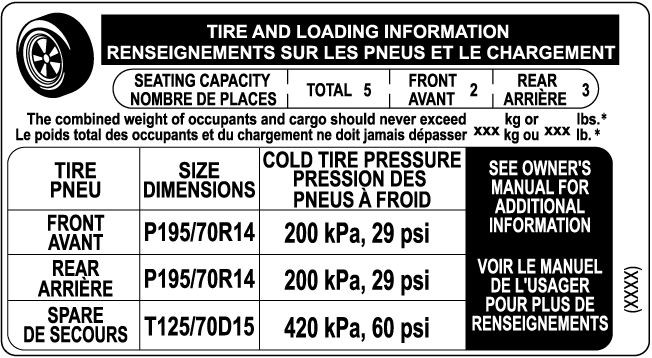
Keeping the water, brakes, and engine in good shape matters — but tire pressure is one of the most important maintenance items most drivers overlook. Proper tire inflation affects safety, fuel economy, tire life, handling, and even braking distance, and varies with wheel size, load, and temperature. In this detailed guide we’ll explain Mazda-specific recommendations and real-world considerations for every CX-5 owner.
📍 Schedule tire and service maintenance here: https://marinmazda.net/
(Visit the official dealer site for factory-correct checks and adjustments)
Recommended Mazda CX-5 Tire Pressure Values
Mazda’s recommended inflation levels for the CX-5 tires depend on wheel size — the most common factory configurations are:
- 34 psi for 17-inch wheels
- 36 psi for 19-inch wheels
These are the pressures Mazda and many dealer service guides list as target cold inflation pressure for the CX-5.
What “cold pressure” means:
“Cold” means the vehicle hasn’t been driven in the past three hours or has been driven less than a short distance at low speed (tires haven’t heated up). Pressure increases when tires are warm, so always check when cold.
Where to find your exact value:
Your specific model year and tire size may vary slightly — always check the tire placard on the driver’s door jamb or owner’s manual first. Mazda prints the official PSI values there.
🧠 Why Tire Pressure Matters
Proper inflation isn’t just about preventing a limp tire — it plays a role in how the CX-5 behaves and performs every mile:
🚗 Safety & Handling
When tires are at the correct pressure:
- The contact patch with the road is optimized
- Braking distances stay within design limits
- Cornering grip improves
Under-inflated tires can overheat and become unstable, increasing crash risk.
⛽ Fuel Efficiency
Each psi below the recommended level increases rolling resistance, which requires more energy (fuel) to move the vehicle. Correct pressures help maintain the CX-5’s efficient performance.
🛞 Tire Wear & Life
Under-inflation wears tread edges prematurely, while over-inflation excessively wears the center — both shorten tire life and reduce value.
📉 Comfort & Performance
Traditional Mazda CX-5 tire settings are chosen to balance ride comfort and responsive steering. Straying far from recommended PSI can make the ride harsh or sluggish.
🔍 How to Check Tire Pressure
🛠 What You Need
- Quality tire pressure gauge (digital or dial)
- Air compressor (at a station or home unit)
- Manufacturer recommended PSI (from door placard or owner’s manual)
🪄 Step-by-Step
- Check when cold: Before driving or after the vehicle sits for a few hours.
- Unscrew valve caps: From each tire.
- Press gauge on valve: Ensure an accurate reading.
- Compare to recommended numbers: 34 psi (17″) or 36 psi (19″).
- Add or release air as needed: Until tires match the target pressure.
- Replace valve caps: To keep dirt out.
Checking monthly (or before long trips) is best practice — and because pressure naturally drops over time even without an obvious leak, waiting until a light comes on means you’re already significantly under-inflated.
📶 Tire Pressure Monitoring System (TPMS)
The Mazda CX-5 includes a Tire Pressure Monitoring System (TPMS) designed to alert you when pressures are significantly below recommended levels.
🚨 TPMS Warning Light Behavior
- Solid light: Means at least one tire is under-inflated to a level the system considers unsafe.
- Flashing light at startup: Often indicates a TPMS sensor fault rather than low tire pressure.
📊 Limitations of TPMS
- TPMS doesn’t display exact psi values on many CX-5 models; it simply alerts low pressure.
- Sensors usually trigger when pressure drops about 25% below the recommended value — eg approximately 28 psi for 34–36 psi settings — which means the light may come on later than ideal.
Because of this, manual pressure checks remain important — especially if your vehicle doesn’t show real-time psi in the dash.
🌡 Temperature & Tire Pressure
Tire pressure changes with temperature:
- For every 10 °F drop, pressure can decrease ~1-2 psi.
- Cold mornings or seasonal drops can make a properly set tire become under-inflated overnight.
This is why you should check tire pressures more often in winter, and possibly adjust before heavy cold snaps.
🧪 Adjusting Pressure for Loads
If you often haul heavy cargo or passengers, slightly raising tire pressures (within manufacturer tolerances) can reduce sidewall flex and improve stability. However:
- Any adjustment should stay within a few psi of the recommended value to preserve safety and tire wear balance.
- Always consult the door placard or owner’s manual for exact limits.
🧰 Best Practices for Maintaining Proper Tire Pressure
Here’s a checklist to follow:
✔ Monthly Pressure Checks
Use a gauge and check all four tires even if TPMS light is off.
✔ Before Long Trips
Check and adjust before highway drives or heavy loads.
✔ After Seasonal Temperature Changes
Significant ambient changes demand ahead-of-time checks.
✔ After a Pressure Warning Light
Immediately check and adjust that tire — and all others — even if the light goes off.
✔ Use Reliable Tools
Cheap stick gauges are often inaccurate; digital gauges or professional station gauges are best.
🧩 Common Myths & Misconceptions
❌ “PSI Doesn’t Matter Much”
Incorrect — even a few psi off the recommended number can noticeably affect handling, fuel economy, and wear.
❌ “TPMS Is Precise”
TPMS indicates low pressure, but it doesn’t give accurate psi values. Manual checks still matter.
❌ “All Tires Same PSI”
Different wheel sizes on the CX-5 (17″ vs 19″) have different recommendations (34 psi vs 36 psi).
🚘 When to Seek Professional Help
If you notice any of the following, it’s worth having your CX-5 inspected by professionals:
- TPMS light stays on despite correct psi
- Rapid or frequent pressure loss
- Uneven tire wear
- Damaged valve stems or rims
- Persistent vibration or pulling at highway speeds
You can always have Mazda-certified technicians inspect and service your tires at https://marinmazda.net/.
📊 Quick Reference Summary
| Wheel Size | Recommended Tire Pressure |
|---|---|
| 17″ wheels | 34 psi (cold) |
| 19″ wheels | 36 psi (cold) |
If exact specs aren’t clear for your specific trim, always defer to the tire placard inside the driver’s door or the Mazda owner’s manual first.
🧠 Final Takeaways
- Proper tire pressure enhances safety, handling, and fuel economy.
- Mazda CX-5 typically uses 34 psi (17″) or 36 psi (19″) cold pressure.
- Monthly checks and seasonal adjustments help maintain correct pressures.
- TPMS alerts are useful, but manual checks are still required.
- For professional checks, sensor calibration, or pressure adjustments, trust certified service at https://marinmazda.net/.
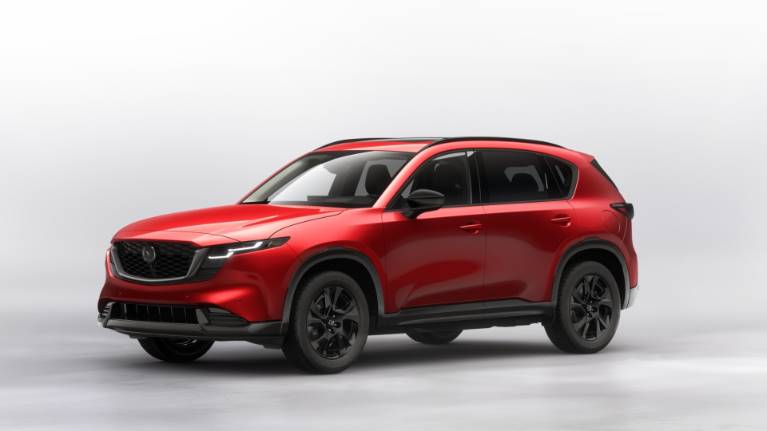
Proper maintenance isn’t just about “keeping the car running.” Regular servicing preserves engine health, improves efficiency, keeps safety systems functioning, and protects your long-term ownership investment. Mazda has designed a detailed schedule based on time, mileage, and driving conditions to help you get the most out of your CX-5. Below is a full explanation of what should be done — and when — along with the reasoning behind each task.
Schedule your CX-5 maintenance at Marin Mazda:
https://www.marinmazda.net/
🧭 How Mazda Defines Its Maintenance Intervals
Mazda uses a combination of time-based and distance-based intervals for maintenance. In many manuals, including the 2024 CX-5, Mazda mentions two types of maintenance tracking:
- Flexible Oil Maintenance: The vehicle tracks oil life and alerts you using the wrench indicator when service is due based on actual usage and operating conditions. This is Mazda’s default setting in many North American models.
- Fixed Maintenance: A strict schedule based on mileage and months since the last service.
The wrench icon will illuminate when the vehicle detects it’s time for service — commonly tied to oil life and other basic milestones. It’s best to schedule service promptly when that light appears.
🗓 Scheduled Maintenance Breakdown by Interval
Mazda’s maintenance schedule for the CX-5 consists of a series of service milestones that repeat over the life of the vehicle. Below is a breakdown of what is typically recommended:
🔹 Every 7,500 miles (12,000 km) or 12 months
This is the cornerstone interval in Mazda’s maintenance plan.
Tasks at this interval typically include:
- Replace engine oil and oil filter — either when the wrench indicator shows or every 7,500 miles/12 months.
- Rotate tires to promote even wear.
- Multi-point inspection of key systems.
- Inspect brake system, belts, hoses, battery, lights, and fluids.
- Tire inflation pressure and wear check.
Why It Matters:
Oil degrades with use and time, and fresh oil is critical to protect internal engine components. Tire rotation extends tread life. Multi-point inspections catch early wear before it becomes costly. If you drive under severe periods (lots of short trips, extreme weather, dusty roads), changing the oil on the early side (about every 5,000 miles) may be recommended by your service advisor to ensure peak performance.
🔹 Every 15,000 miles (24,000 km) or 24 months
At this stage, your Mazda goes beyond basic checks.
Tasks typically recommended:
- Engine oil & filter replacement.
- Tire rotation.
- Replace cabin air filter to maintain interior air quality.
- Replace/inspect brake fluid.
- Check steering links, suspension, driveshaft dust boots.
- Inspect fuel lines and brake hoses.
- Tighten chassis and body bolts to original torque specs.
Why It Matters:
Filters trap contaminants; old cabin filters reduce HVAC effectiveness and introduce dust or allergens into the interior. Brake fluid absorbs moisture over time, which lowers performance and increases corrosion risk.
🔹 Every 22,500–30,000 miles (36,000–48,000 km) or 36–48 months
Core service points may include:
- Air filter replacement to maintain engine performance and fuel economy.
- Comprehensive inspection of drivetrain components.
- Coolant checks and service as needed.
- Inspection of emission tubes and belts.
- Brake line, hoses, and connection inspections.
Why It Matters:
Your engine breathing clean air makes combustion more efficient and power delivery smoother. Belts and hoses naturally age over time — checking for cracks or loosening prevents failures that could leave you stranded.
🔹 Every 60,000 miles (96,000 km) and beyond
As your CX-5 ages, additional services are recommended:
Tasks at or around this interval:
- Replace spark plugs (intervals differ by engine type — see below).
- Inspect/replace timing belt if applicable (older CX-5 turbo engines).
- Check transmission and differential fluids.
- Transmission fluid service as needed.
Why It Matters:
Spark plugs wear out over time and delivery less efficient combustion as they age. While many CX-5 models use maintenance monitoring rather than set mileage for transmission fluid, it’s wise to have it checked and replaced based on your driving conditions.
⚙️ Detailed Component Intervals
Beyond basic oil changes and rotations, here’s how other major systems fit into the schedule:
🔧 Engine Oil & Filter
- Replace when wrench indicator shows, or at least every 12 months / ~7,500 miles.
- Mazda’s own manuals advise that service should occur within 15 days or ~600 miles after the warning appears.
Best practice — even if not driven far — is to NOT go beyond 12 months without oil service, as oil breaks down over time even without heavy use. Severe conditions warrant shorter intervals.
🔄 Tire Rotation
- Typically every 7,500 miles.
- Helps ensure even tire wear and extends the life of your tires.
Rotating tires also alerts your technician to early defects or alignment issues that may otherwise go unnoticed.
🪶 Cabin Air Filter
- Recommended every 24 months to maintain healthy interior air quality.
- If you frequently drive in dusty conditions, plan for earlier replacement.
A clogged cabin filter can make HVAC systems work harder and reduce airflow inside your SUV.
🍃 Engine Air Filter
- Usually replaced between 30,000–40,000 miles depending on environment and driving conditions.
- Helps maintain efficient combustion and engine performance.
Air filters keep dirt and debris out of the engine, protecting long-term performance.
🔌 Spark Plugs
- For SKYACTIV-G 2.5 (non-turbo) models, spark plugs are typically replaced around 75,000 miles.
- For SKYACTIV-G 2.5T (turbo) models, plugs are typically replaced around 40,000 miles.
Spark plugs are critical for smooth combustion — worn plugs can cause rough idle, misfires, or reduced efficiency.
🧊 Coolant Replacement
- Mazda often suggests replacing engine coolant around 120,000 miles or 10 years for the first time.
- After that, subsequent replacements occur roughly every 60,000 miles or 5 years.
Coolant degrades over time and can lose its anti-corrosion and boiling/antifreeze properties, especially in extreme climates.
💧 Brake Fluid
- Brake fluid absorbs moisture over time, which can reduce braking performance. Many service schedules call for brake fluid replacement every 2 years or based on inspection results.
- This fluid exchange is often done as part of the intermediate service at ~15,000–30,000 miles.
🔩 Belts, Hoses, and Connections
- Regular inspection is critical, especially around 24,000–36,000 miles.
- Belts and hoses are integral to engine cooling, accessory drives, and vacuum systems. Over time they harden and crack, risking failure if not addressed.
📊 High-Mileage and Long-Term Services
As your CX-5 passes higher mileage thresholds — beyond 60,000–75,000 miles — technicians begin checking items that degrade over long periods:
- Inspect exhaust system and heat shields.
- Inspect ball joints, wheel bearings, suspension linkages.
- Differential fluid inspection if AWD model.
- Additional timing belt or chain services if applicable.
These checks help catch wear before it leads to failures requiring costly repairs.
🚘 Severe Driving Conditions Adjustments
Mazda defines “severe” driving conditions as frequent short trips, heavy traffic, dusty roads, hot climates, towing, or mountain driving. Under these conditions:
- Oil changes may be recommended more frequently (e.g., every 5,000 miles).
- Filter changes and visual inspections are done sooner.
- Brake, tranny, and suspension checks may be accelerated.
Your service advisor at https://www.marinmazda.net/ can help tailor the schedule to your driving pattern.
🧠 Interpreting the Wrench Indicator
Mazda’s maintenance monitoring system displays a wrench icon on the dashboard when service is due. This isn’t just an oil reminder — it’s an integrated cue based on the vehicle’s internal monitoring system. Mazda states that when this warning appears, service should be scheduled within the next 600 miles or 15 days to avoid overdue maintenance.
Keeping Service Records and Warranty Protection
• Always have your maintenance logged by the service facility.
• Using Genuine Mazda Parts preserves performance and warranty coverage.
• A well documented service history boosts resale value and ensures smooth warranty support.
You can schedule all of these services, get reminders, and review your service history with Mazda-trained technicians at the service center:
https://www.marinmazda.net/
Summary
Below is a concise table of key Mazda CX-5 maintenance intervals:
| Interval | Typical Tasks |
|---|---|
| Every 7,500 mi / 12 months | Oil & filter, tire rotation, multi-point inspection |
| Every 15,000 mi / 24 months | Cable/hoses check, brake fluid, cabin filter |
| Every 30,000–36,000 mi | Air filter, suspension & engine system checks |
| 40,000–75,000 mi | Spark plugs, belts, fluid inspections |
| 120,000 mi / 10 yrs | First coolant replacement, then periodic repeats |
Regular maintenance safeguards performance, safety, and long-term value. To keep your Mazda CX-5 in peak condition, follow the intervals above and consult your owner’s manual — and when you’re ready, schedule your next service at https://www.marinmazda.net/.
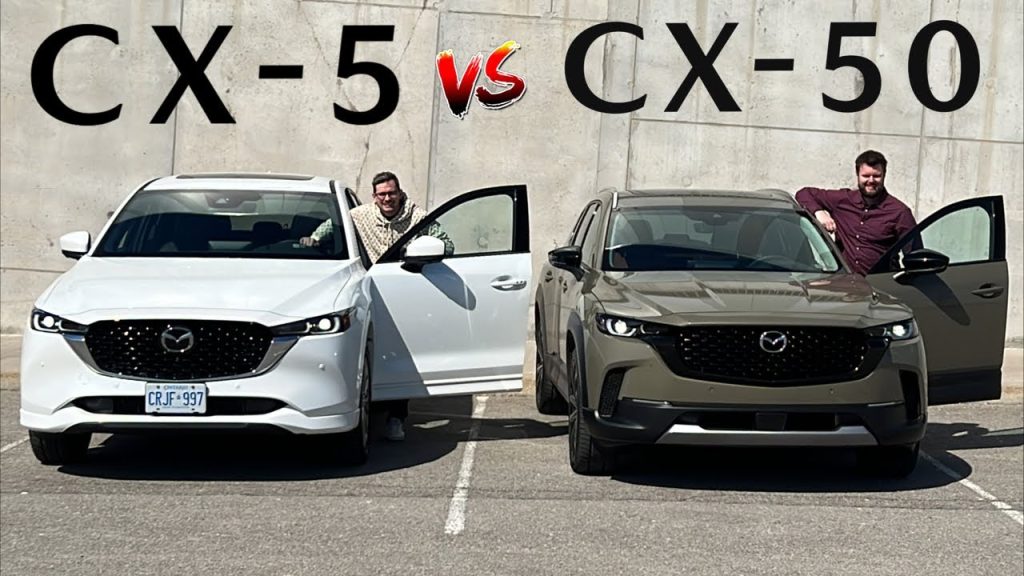
Whether you’re shopping for a new compact SUV for daily driving, family use, weekend adventures, or a blend of all three, Mazda’s CX-5 and CX-50 stand out for their stylish design, premium interior appointments, dynamic driving feel, and well-rounded safety tech. Understanding how these two models differ and overlap in specification, performance, utility, and ownership experience is crucial before choosing the right SUV for your lifestyle.
Start your comparison and see both SUVs available at Marin Mazda:
https://www.marinmazda.net/
In this deep dive, we’ll break down every key aspect below — from powertrain and fuel economy to cargo space, technology, safety systems, driving dynamics, pricing, and how they fit into different real-world use cases.
1. Overview – What Mazda Offers
Mazda positions the CX-5 as a refined compact SUV with balanced everyday usability, comfort, and technology. The CX-50, while similar in footprint and functionality, emphasizes rugged styling and versatility, and has optional performance-oriented or efficiency-focused powertrains such as turbocharged and hybrid options. Both share Mazda’s Skyactiv engineering philosophy, but deliver slightly different SUV experiences tuned to distinct buyer priorities.
2. Powertrain & Performance Specs
Standard Engines
Both models use a naturally aspirated 2.5-liter four-cylinder engine as their base powertrain, producing around 187 hp with smooth delivery and predictable performance in daily driving conditions. This standard engine is paired with an automatic transmission and all-wheel drive in most trims, contributing to a confident driving experience in rain, light off-road, and on-road scenarios.
Optional Powertrains (CX-50 Advantage)
The CX-50 expands what’s available:
- Turbo Engine: Mazda’s available Skyactiv-G 2.5T turbocharged engine produces significantly more power — around 256 hp and 320 lb-ft with premium fuel — giving pronounced improvements in acceleration and highway passing.
- Hybrid Option: Mazda offers a hybrid version of the CX-50 that boosts fuel efficiency into the high-30s (≈38 mpg combined) thanks to electric assist systems — a meaningful shift for buyers focusing on economy or reducing fuel cost.
By contrast, the 2026 Mazda CX-5 redesign retains only the base engine — Mazda has discontinued the turbo option for this model year in favor of simplicity and plans to introduce a hybrid in future years.
What This Means for Buyers:
➡ CX-5 — Reliable, balanced performance with a focus on everyday comfort and efficiency.
➡ CX-50 — More flexibility with performance or efficiency options, suitable for those who want more power or significant fuel-economy benefits.
3. Size, Dimensions & Cargo Space
At a glance, both SUVs fall into the same compact class, but Mazda designs them with slightly different proportions and space priorities:
Exterior Size Comparison
- For previous model years — the CX-50 has generally been slightly larger than the CX-5, with a longer overall body and wheelbase, giving it a more planted appearance.
- For 2026, the redesigned CX-5 now shares the same 110.8-inch wheelbase as the CX-50, and is only about 1.2 inches shorter in overall length, which narrows the size gap between them.
Interior Passenger Space
According to detailed spec comparisons:
- Earlier models showed the CX-5 having slightly more passenger volume than the CX-50, even if the CX-50 had a longer exterior footprint.
- Real-world usage reports suggest that both SUVs comfortably seat five passengers with similar legroom and headroom dimensions, though roofline and seat placement can affect perceived spaciousness.
Cargo & Versatility
Cargo capacity varies slightly depending on how it’s measured:
- Rear Cargo (Seats Up):
- CX-50: ~31.4 cu ft
- CX-5: ~30.8 cu ft
- Maximum Cargo (Seats Folded):
- CX-5 holds more overall space when rear seats are folded (~59.3 cu ft) than the CX-50 (~56.3 cu ft).
With flat load floors and split-folding rear seats, both SUVs make loading gear, groceries, strollers, or luggage straightforward. The CX-50’s slightly lower rear opening and wider load area can make loading bulky items easier, even if the CX-5 wins on folded cargo maximums.
Buyer Insight:
➡ CX-5’s advantage — slightly greater maximum cargo space with seats folded.
➡ CX-50’s advantage — broader loading area and slightly larger rear cargo volume with seats in place.
4. Fuel Economy & Efficiency
Fuel economy in compact SUVs can make a difference for long-term ownership costs:
- Base engine fuel economy is similar for both models — roughly 26 mpg combined — as noted in Mazda’s EPA classifications.
- The CX-50 Turbo sees a modest drop in combined mileage (~25 mpg) due to higher performance output, while the hybrid CX-50 stands out around 38 mpg combined — a significant advantage for many buyers.
Real-World Takeaway:
➡ If efficiency is a priority, the CX-50 Hybrid makes the biggest difference.
➡ If fuel economy is less critical than performance or comfort, the base engine versions of both SUVs deliver comparable results.
5. Suspension, Handling & Ride Quality
Ride and handling feedback from experts and spec comparisons points to subtle differences grounded in design focus:
- The CX-5 historically uses a multilink rear suspension with a stabilizer bar, tuned for roadway comfort and refined on-road manners.
- The CX-50 uses a torsion beam rear suspension, which helps support higher ride height adaptability and a more rugged stance without sacrificing stability.
Both SUVs maintain independent MacPherson front struts, ensuring responsive handling and well-controlled body motions under normal driving conditions.
Center of Gravity and Driving Feel:
➡ CX-5 — Slightly softer, comfort-oriented handling that prioritizes smooth everyday use.
➡ CX-50 — A bit firmer with an adventure-leaning setup suited for light off-pavement travel or unpaved roads.
6. Infotainment, Connectivity & Tech
Display & User Interface Differences
Infotainment systems vary between the two models and across trims:
- CX-5: Some trims (especially 2026 models) offer a larger display (up to 15.6 inches) and updated interface with integrated smartphone mirroring and Google-based controls, marking a major tech upgrade.
- CX-50: Typically features Mazda’s traditional Mazda Connect™ system with smaller screens (8.8–10.25 inches), controlled via console knob or touch depending on trim. Third-party comparisons note differences in display size and speaker configurations between CX-5 and CX-50.
Both support Apple CarPlay™ and Android Auto™, Bluetooth connectivity, USB ports, and optional premium audio options, though the CX-5’s larger screen provides a noticeable tech upgrade on higher trims.
7. Safety & Driver-Assist Features
Both SUVs include Mazda’s suite of advanced driver-assist and safety tech, such as:
- Blind-Spot Monitoring
- Rear Cross-Traffic Alert
- Lane-Keep Assist and Lane-Departure Warning
- Adaptive Cruise Control
- Automatic Emergency Braking
While specifics vary by trim, standard safety equipment is robust on both vehicles, and advanced assistive features are available or standard on many configurations. jfurther details on safety tech are often provided by Mazda and dealership spec sheets.
Safety Focus:
➡ CX-5 aims to provide refined, predictable protection centered on everyday driving.
➡ CX-50 typically extends access to more driver-assist options on upper trims, appealing to buyers who want broad coverage and extra safety support.
8. Interior Comfort, Materials & Build Quality
Both models offer premium interior materials and comfortable seating across trims, including:
- Cloth or leather seating options
- Heated and ventilated front seats
- Panoramic sunroofs on select trims
- Quality infotainment and climate systems
Interior build quality is often cited as a highlight of Mazda’s line, with soft-touch materials and thoughtful ergonomics. Some buyers prefer the CX-5’s slightly larger rear passenger area and taller seating position, while others appreciate the CX-50’s rugged-leaning interior styling and utility feel.
9. Pricing & Value
Price comparisons help illustrate the models’ relative value:
- Mazda CX-5 typically starts at a slightly lower MSRP compared with the CX-50.
- Mazda CX-50 base pricing starts around the same range but includes the potential for turbo and hybrid powertrains, making it slightly more versatile in value per feature set.
Because trims and features vary widely, buyers are encouraged to review the full inventory and current pricing at Marin Mazda to find the best match for their budget and requirements:
https://www.marinmazda.net/
10. Real-World Use Cases – Which One Fits You?
Urban & Everyday Commuting
The Mazda CX-5 excels in everyday driving due to its refined comfort, quiet cabin, and ease of maneuvering in daily traffic or city environments. Its updated technology and spacious interior in the 2026 redesign also make it family-friendly and practical for road-trip use.
Adventure & Outdoor Lifestyles
The Mazda CX-50 is engineered for active lifestyles with a rugged design ethos, available turbo power for extra punch, and hybrid efficiency for long trips. Its higher towing capacity and hands-on utility features make it especially attractive for buyers who frequently haul gear or navigate light off-road scenarios.
Specification Summary
| Feature | Mazda CX-5 | Mazda CX-50 |
|---|---|---|
| Base Engine | 2.5 L naturally aspirated | 2.5 L naturally aspirated |
| Optional Turbo | Discontinued (2026) | Available Turbo |
| Hybrid Option | Future (2027+) | Available |
| Cargo Behind Seats | ~30.8 cu ft | ~31.4 cu ft |
| Max Cargo | ~59.3 cu ft | ~56.3 cu ft |
| Fuel Economy | ~26 mpg combined | ~26 mpg combined (higher with hybrid) |
| Towing | ~2,000 lbs | ~3,500 lbs (turbo) |
| Tech | Large integrated touchscreen available | Mazda Connect™ |
| Ride Focus | Refined, comfort | Rugged, versatile |
| MSRP Range | Often lower | Slightly higher or similar |
Final Thoughts
Both Mazda SUVs deliver compelling blends of performance, technology, safety, and comfort. If you value everyday refinement, newer tech interfaces, and slightly more cargo flexibility, the CX-5 may be your best fit. If you want more power options, rugged styling, hybrid availability, and stronger towing capability, the CX-50 expands what Mazda’s compact SUV line can do.
Explore both SUVs, compare trim levels, and find pricing and availability at Marin Mazda:
https://www.marinmazda.net/
If you’d like this formatted as SEO-optimized HTML with headings and meta structure ready for your blog, just ask!
2022 Mazda CX-5 In-Depth Review
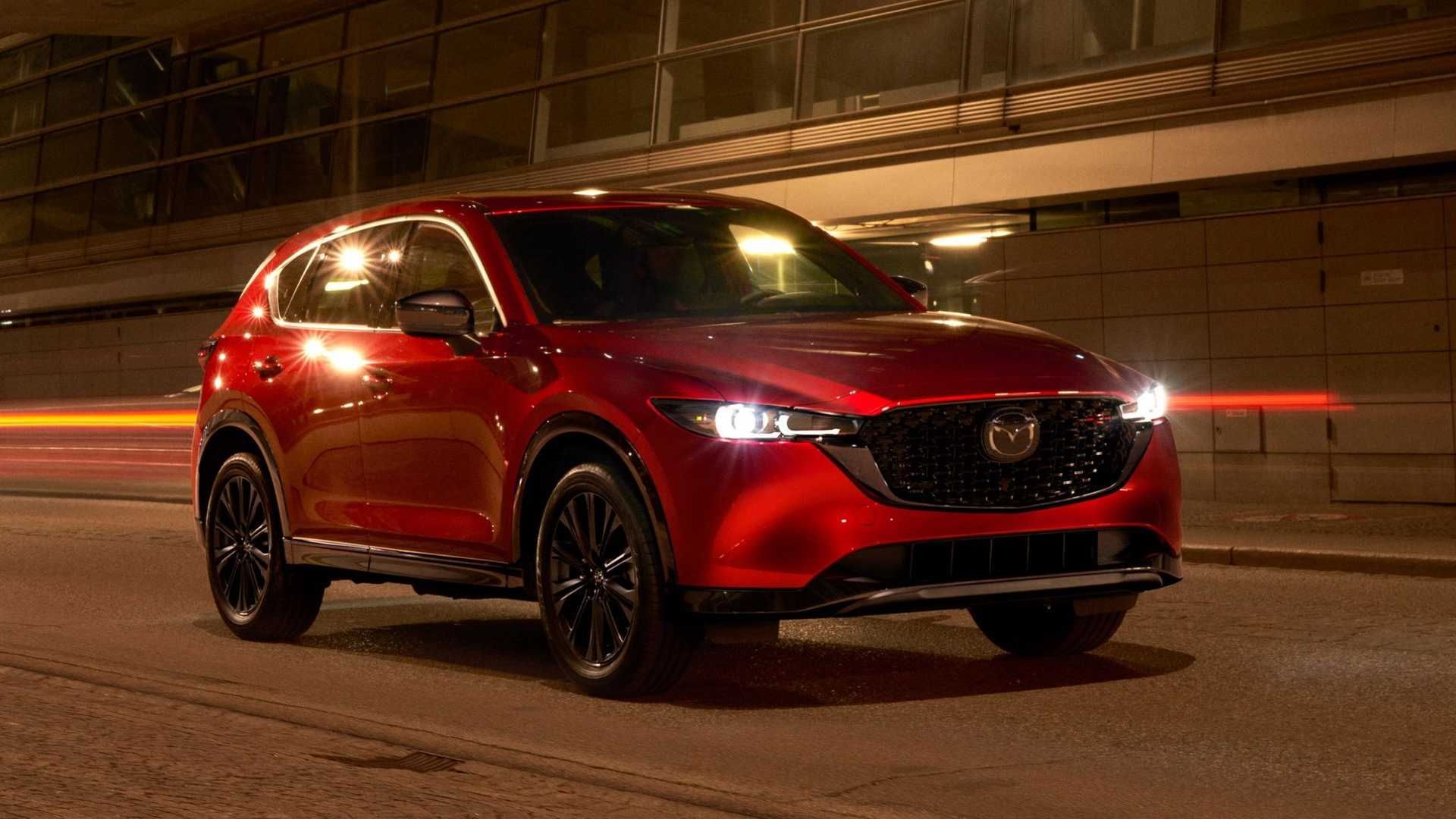
Price, reliability, interior space, Apple CarPlay, remote start, and ownership questions answered
The Mazda CX-5 has been one of Mazda’s most consistent success stories, and the 2022 model year represents a particularly important chapter. It sits at the intersection of old-school Mazda reliability and newer premium design cues, making it one of the most searched used and nearly-new compact SUVs today.
Search demand around 2022 mazda cx-5, mazda cx 5 2022, and questions like does 2022 mazda cx 5 have apple carplay or how much does a 2022 mazda cx 5 cost suggests buyers want a clear, real-world breakdown, not brochure claims.
This 2,000-word guide answers every major ownership and buying question in plain, human language.
Why the 2022 Mazda CX-5 Still Matters
By 2022, the CX-5 was no longer a new experiment. Mazda had refined it through multiple updates, ironing out early quirks while keeping the core formula intact: sharp driving dynamics, conservative mechanical engineering, and an interior that punches above its price class.
What makes the 2022 model especially appealing is that it:
- Benefits from Mazda’s design refresh
- Avoids first-year redesign problems
- Offers modern tech without excessive complexity
- Is widely available on the used market
In other words, it’s mature, not outdated.
2022 Mazda CX-5 Design and Exterior Changes
Mazda updated the CX-5’s exterior styling for 2022 with subtle but effective changes. This wasn’t a radical redesign, but it gave the vehicle a more premium, confident look.
Key exterior updates include:
- Revised front grille and headlights
- Sharper bumper styling
- Updated taillight design
- New wheel options depending on trim
The CX-5 still looks conservative compared to some rivals, but that restraint is exactly why it ages well.
Interior Quality and Comfort
Mazda has long been praised for interior quality, and the 2022 CX-5 continues that tradition.
Front Seats and Driving Position
The driver’s seat is one of the CX-5’s strongest points:
- Excellent seat support
- Comfortable for long drives
- Intuitive control layout
- Clear, uncluttered dashboard
Mazda’s “less is more” approach makes the cabin feel calm rather than overwhelming.
Rear Seat Space and Shoulder Room
One of the more specific search queries is “2022 mazda cx-5 rear shoulder room inches.”
The CX-5’s rear shoulder room measures approximately 54.8 inches, which is competitive for the compact SUV segment. While it’s not class-leading, it’s sufficient for:
- Two adults comfortably
- Three passengers for shorter trips
Legroom is adequate, though taller rear passengers may notice it’s tighter than some boxier rivals.

Cargo Space and Practicality
With the rear seats up, the CX-5 offers practical cargo space for:
- Groceries
- Strollers
- Weekend luggage
Folding the rear seats expands cargo capacity significantly, making it suitable for small families and active lifestyles. It’s not the largest in the segment, but the space is well-shaped and easy to use.
Engines and Performance
The 2022 Mazda CX-5 offers two main engine options, depending on trim.
Naturally Aspirated Engine
The standard engine focuses on:
- Smooth power delivery
- Good fuel efficiency
- Long-term durability
It’s not quick, but it’s predictable and reliable, which many buyers prefer in a daily SUV.
Turbocharged Engine (Select Trims)
Higher trims offer a turbocharged option for drivers who want:
- Stronger acceleration
- Better highway passing power
- A more responsive feel
This engine adds complexity but remains well-regarded when properly maintained.
Fuel Economy and Daily Driving Costs
Fuel economy for the 2022 CX-5 is competitive within the compact SUV class. Real-world mileage tends to align closely with official ratings, especially in non-turbo trims.
Ownership costs remain reasonable due to:
- Readily available parts
- Conventional automatic transmission
- Proven engine designs
Insurance costs are typically moderate, helped by strong safety ratings and a low theft profile.
Reliability: Is the 2022 Mazda CX-5 a Good Long-Term Buy?
Mazda’s reliability reputation has improved steadily over the past decade, and the 2022 CX-5 benefits from that upward trend.
Why Reliability Is a Strength
- No CVT transmission
- Conservative engine tuning
- Incremental updates rather than risky redesigns
- Solid build quality
Most reported issues involve normal wear items rather than systemic failures.
What to Expect Over Time
Owners typically report:
- Strong engine longevity
- Smooth transmission behavior
- Minimal electronic issues
- Predictable maintenance costs
With routine servicing, the 2022 CX-5 is expected to age well beyond 150,000 miles.
Does the 2022 Mazda CX-5 Have Apple CarPlay?
Yes. Apple CarPlay is available on the 2022 Mazda CX-5.
In most markets, Apple CarPlay (and Android Auto) is either:
- Standard across most trims, or
- Included as part of an infotainment package
The system supports:
- Wired Apple CarPlay
- Voice commands via Siri
- Navigation, music, and messaging integration
Mazda’s infotainment system uses a rotary controller rather than full-time touch input, which some buyers need time to adjust to.
Does the 2022 Mazda CX-5 Have Remote Start?
This is a common question, and the answer depends on how you define “remote start.”
Factory Remote Start
The 2022 CX-5 does not include traditional key-fob remote start as standard equipment.
Mazda Connected Services
Mazda offers app-based remote start through its connected services system on supported trims. This allows:
- Remote engine start via smartphone
- Vehicle status monitoring
- Lock/unlock functionality
Availability can vary by region and subscription status.
How Much Does a 2022 Mazda CX-5 Cost?
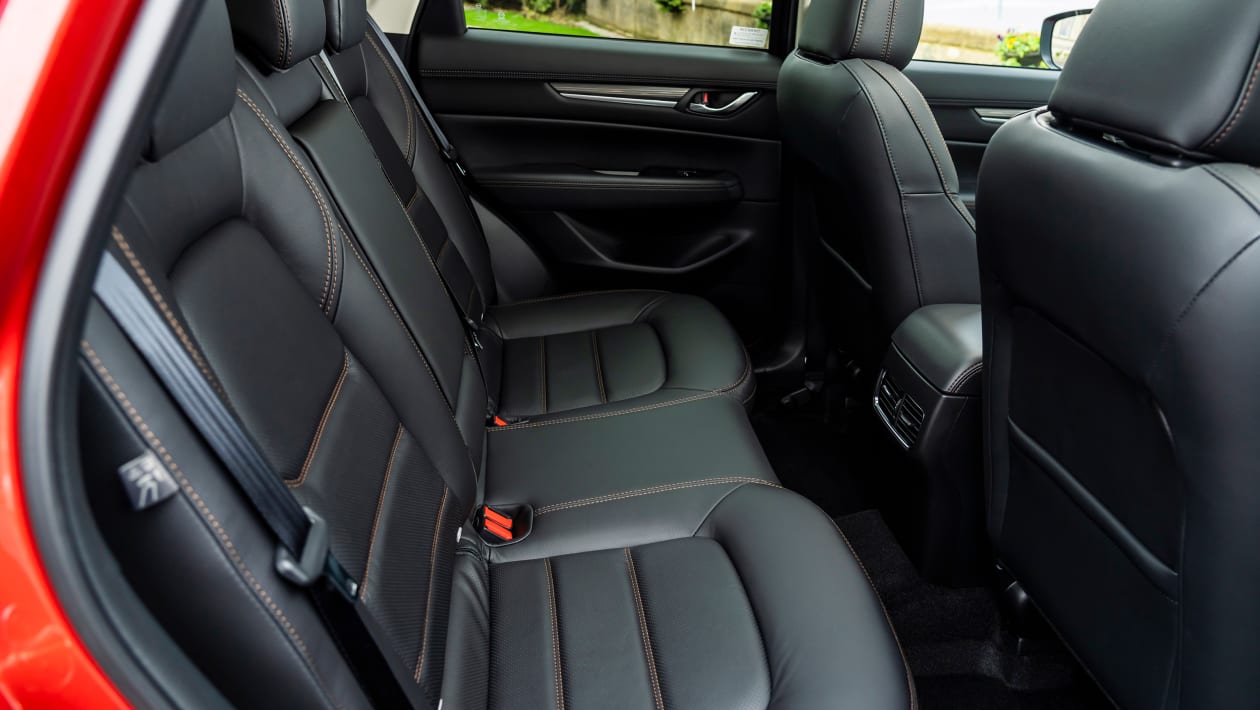
Searches for how much does a 2022 mazda cx 5 cost reflect wide pricing variation.
Factors that influence price:
- Trim level
- Mileage
- Condition
- Market demand
- Turbo vs non-turbo engine
In general terms:
- Lower trims fall into the affordable compact SUV range
- Higher trims approach entry-level luxury pricing
On the used market, the 2022 CX-5 often represents strong value compared to newer models with minimal differences.
How to Replace the Battery for a 2022 Mazda CX-5 Key
One of the most practical questions owners ask is how to replace the battery for the Mazda CX-5 key (2022).
Key Fob Battery Replacement (Overview)
- The key fob uses a small coin-style battery
- The fob can be gently opened using the release latch
- Replace the old battery with the same type
- Ensure proper orientation before closing
This is a quick, inexpensive maintenance task most owners can do at home.
How to Change the Time on a 2022 Mazda CX-5
Another common question: how to change the time on a Mazda CX-5 2022.
In most cases:
- The time is adjusted through the infotainment system
- Settings allow manual adjustment or automatic sync
- Time may reset after battery replacement
Mazda’s menu system is straightforward once familiar.
Safety and Driver Assistance Features
The 2022 CX-5 includes a robust set of safety features, many of which are standard or widely available.
Common systems include:
- Blind-spot monitoring
- Rear cross-traffic alert
- Adaptive cruise control
- Lane departure warning
- Automatic emergency braking
Mazda integrates these features smoothly, avoiding intrusive alerts.
How the 2022 CX-5 Compares to Rivals
Compared to competitors like the Toyota RAV4 and Honda CR-V, the CX-5 stands out for:
- Interior quality
- Driving feel
- Steering response
It may not offer the largest cargo space or rear legroom, but it feels more refined and engaging behind the wheel.
Who Should Buy a 2022 Mazda CX-5?
The 2022 CX-5 is an excellent fit for buyers who:
- Want a reliable compact SUV
- Value interior quality and comfort
- Prefer smooth, confident driving dynamics
- Don’t need maximum interior volume
It may not be ideal for buyers who:
- Need the largest rear seat or cargo area
- Want a hybrid-only option
- Prefer full touchscreen infotainment
Final Verdict: Is the 2022 Mazda CX-5 Worth It?
Yes. The 2022 Mazda CX-5 remains one of the most well-rounded compact SUVs you can buy, especially on the used or nearly-new market.
It combines:
- Strong reliability
- Premium interior feel
- Sensible technology
- Engaging driving dynamics
Rather than chasing trends, Mazda refined what already worked. That approach makes the 2022 CX-5 a smart, low-regret purchase for drivers who want quality without complexity.
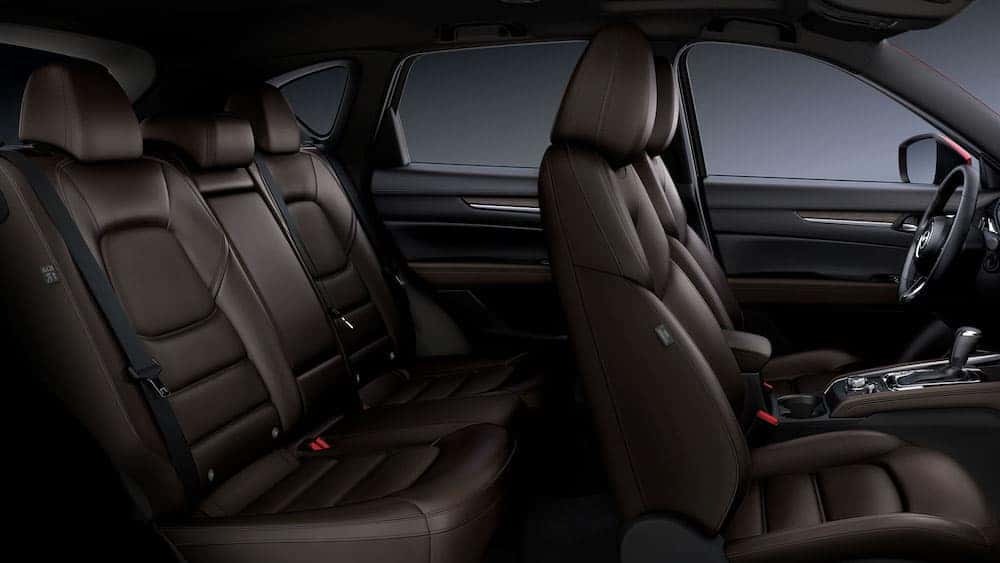
Connect with us


