

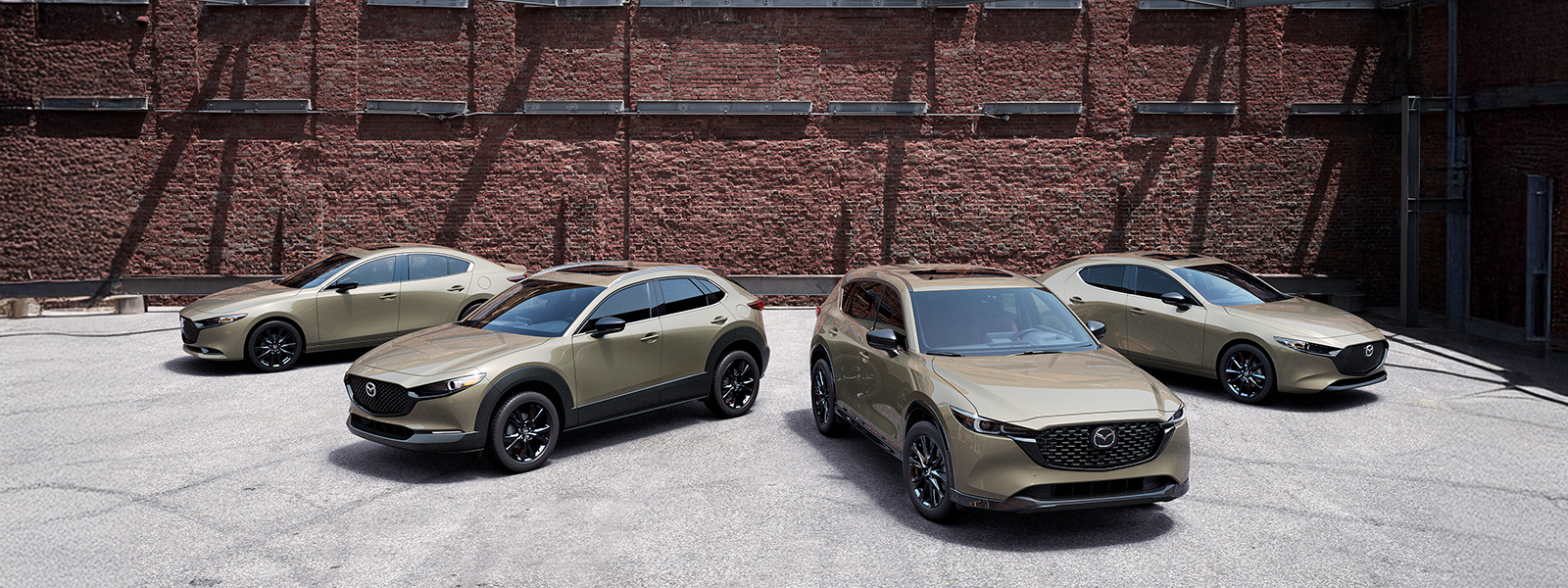
Mazda is one of the few automakers that has managed to stay distinct in a crowded global market. While many brands chase scale, screens, or gimmicks, Mazda has taken a more deliberate path: balanced engineering, driver engagement, and clean design rooted in Japanese craftsmanship.
If you’re searching for Mazda models, you’re likely trying to understand how the lineup fits together, which models still exist, which have been discontinued, and which Mazda best suits your needs today.
This in-depth guide breaks down every major Mazda model, past and present, explaining what each one is, who it’s for, and why it exists.
Mazda as a Brand: How the Lineup Is Structured
Mazda structures its lineup around three core pillars:
- Cars that are enjoyable to drive
- Vehicles that age gracefully
- Design that feels premium without luxury-brand pricing
Mazda no longer floods the market with dozens of nameplates. Instead, it focuses on a tight, intentional lineup split across:
- Sedans & hatchbacks
- SUVs & crossovers
- Sports cars
Each model has a clear role. There is very little overlap, which makes Mazda’s range easier to understand than many competitors.
Mazda Sedans and Hatchbacks
Although SUVs dominate sales today, Mazda’s reputation was built on cars. These models emphasize balance, efficiency, and driver feel.
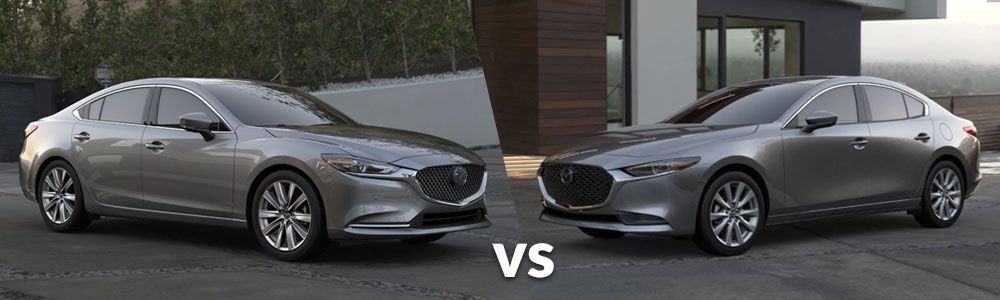
Mazda3
The Mazda3 is Mazda’s global best-known car and the foundation of the brand’s modern identity.
Available as:
- Sedan
- Hatchback
Key characteristics:
- Compact size
- Premium interior for the class
- Engaging steering and handling
- Strong reliability reputation
The Mazda3 appeals to drivers who want something more refined than a basic economy car without stepping into luxury pricing. It’s often compared to the Toyota Corolla and Honda Civic, but it leans more toward driving enjoyment and interior quality.
Mazda6 (Discontinued)
The Mazda6 was Mazda’s midsize sedan for many years and remains popular on the used market.
What defined it:
- Elegant design
- Excellent ride and handling balance
- Naturally aspirated engines
- Strong long-term reliability
Mazda discontinued the Mazda6 as sedan demand declined globally. However, it remains a highly respected used-car option, especially for buyers who prefer sedans over SUVs.
Mazda Sports Cars
Mazda’s sports cars are where the brand’s philosophy is most visible. These vehicles are built around driver involvement rather than raw numbers.
MX-5 Miata
The MX-5 Miata is one of the most important sports cars ever made.
Why it matters:
- Lightweight design
- Rear-wheel drive
- Near-perfect balance
- Exceptional reliability for a sports car
Unlike many performance vehicles, the Miata prioritizes feel over horsepower. This makes it approachable, affordable, and rewarding even at legal speeds.
The Miata has earned a reputation as:
- One of the most reliable sports cars ever
- A favorite among driving purists
- A car that delivers joy without excess
Mazda RX-8 (Discontinued)
The RX-8 remains one of Mazda’s most controversial models.
Key traits:
- Rotary engine
- Rear-hinged doors
- Near-perfect weight distribution
- Exceptional handling
The RX-8’s rotary engine required careful ownership, which hurt its reputation. While discontinued, it remains a cult classic and an important part of Mazda’s engineering history.
Mazda SUVs and Crossovers
Mazda’s current lineup is heavily SUV-focused, but unlike many competitors, Mazda prioritizes driving feel and design over sheer size.
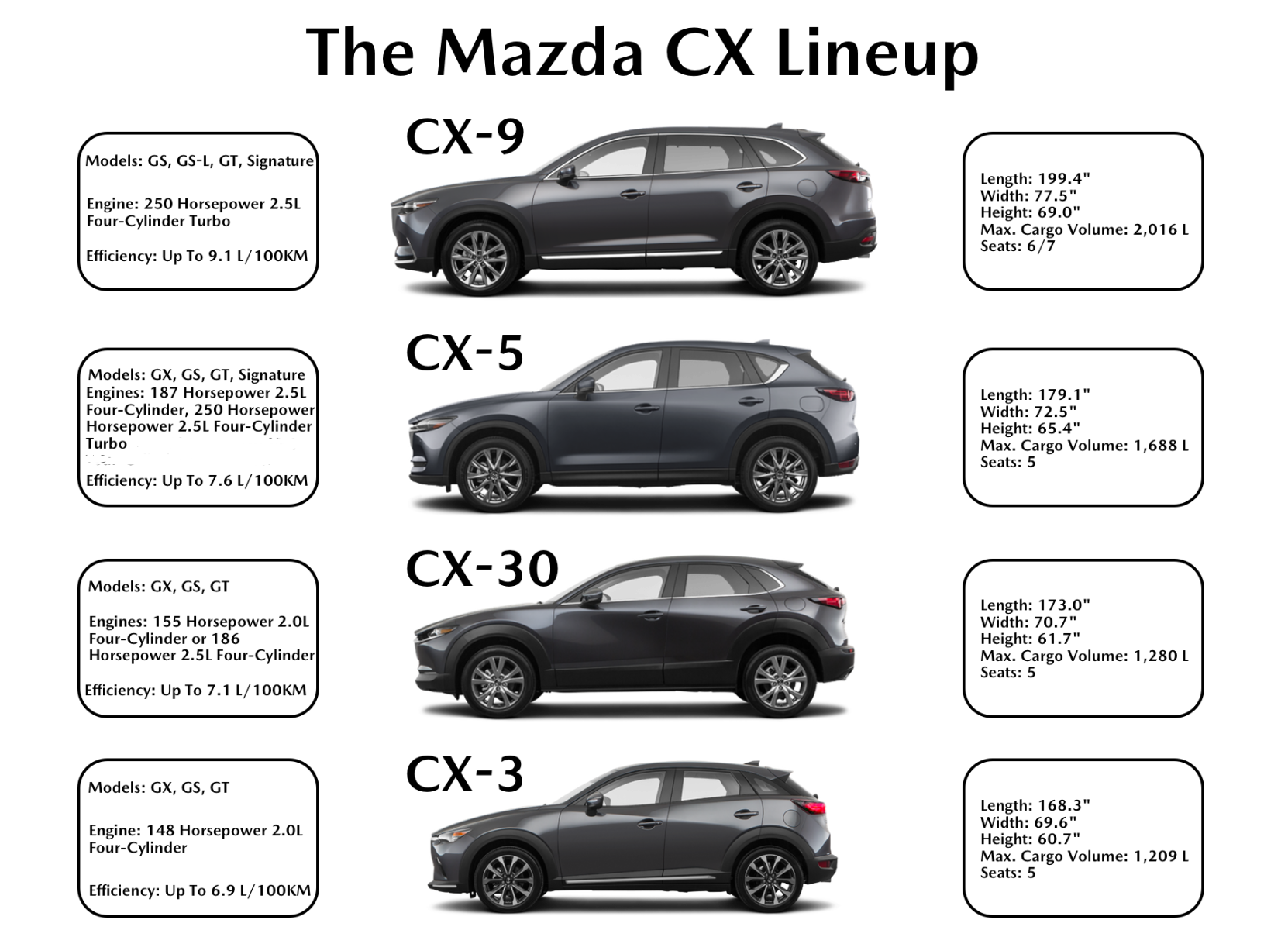
Mazda CX-30
The CX-30 bridges the gap between the Mazda3 and larger SUVs.
What it offers:
- Compact size
- Available all-wheel drive
- Premium interior
- City-friendly dimensions
It’s ideal for buyers who want:
- A higher seating position
- Compact exterior size
- Daily usability without bulk
The CX-30 is often described as a raised Mazda3 with SUV styling, which is exactly its appeal.
Mazda CX-5
The CX-5 is Mazda’s most successful and recognizable SUV.
Why it sells so well:
- Excellent balance of size and comfort
- Strong reliability track record
- Refined interior
- Confident handling
The CX-5 competes directly with the Toyota RAV4 and Honda CR-V but differentiates itself with driving engagement and design quality.
Mazda CX-50
The CX-50 is a more rugged, adventure-oriented alternative to the CX-5.
Key differences:
- Wider stance
- More aggressive styling
- Focus on outdoor lifestyles
- Enhanced off-road capability (light-duty)
While the CX-5 feels urban and refined, the CX-50 targets buyers who want a more active, outdoors-inspired image.
Mazda CX-9 (Discontinued)
The CX-9 served as Mazda’s three-row SUV for years.
Highlights:
- Strong turbocharged engine
- Comfortable ride
- Upscale interior for the segment
It was eventually replaced by a more ambitious flagship model, reflecting Mazda’s shift toward a premium direction.
Mazda CX-90
The CX-90 is Mazda’s current flagship SUV.
What makes it important:
- Rear-biased platform
- Inline-six engine options
- Plug-in hybrid availability
- Premium interior materials
The CX-90 represents Mazda’s boldest move into near-luxury territory without becoming a luxury brand.
Mazda CX-70
The CX-70 is a two-row alternative to the CX-90.
Designed for buyers who:
- Want premium features
- Don’t need a third row
- Prefer a sportier, cleaner profile
It targets professionals and small families who value refinement over maximum seating.
Mazda Electrification and Hybrid Models
Mazda has taken a measured approach to electrification.
Mazda MX-30
The MX-30 was Mazda’s first mass-market EV.
Characteristics:
- Unique design
- Compact size
- Limited range
- Focus on urban use
While not a long-range EV, it demonstrated Mazda’s design-led approach to electrification.
Plug-In Hybrid (PHEV) Models
Mazda now offers PHEV versions of select SUVs, combining:
- Electric-only driving for short trips
- Gasoline engines for longer journeys
This approach suits buyers who want electrification without full EV commitment.
Discontinued Mazda Models Worth Knowing
Mazda’s history includes several notable discontinued vehicles:
- Mazda2 (subcompact car)
- Mazda5 (compact MPV)
- Mazda Protegé (predecessor to Mazda3)
- Mazda Tribute (early SUV)
These models still appear on the used market and are part of Mazda’s evolution.
How to Choose the Right Mazda Model
Choosing among Mazda models comes down to priorities:
- Daily commuting: Mazda3, CX-30
- Small families: CX-5, CX-50
- Larger families: CX-90
- Driving enthusiasts: MX-5 Miata
- Urban electrification: MX-30
Mazda’s lineup avoids redundancy, making selection more intuitive than many brands.
Why Mazda Models Age Well
Mazda vehicles are known for:
- Conservative engine tuning
- Avoidance of CVTs
- Clean interior layouts
- Strong build quality
This contributes to better long-term ownership experiences, especially in the used market.
Final Thoughts: Mazda’s Lineup in Perspective
Mazda models stand out because they are purpose-driven. Each one exists for a reason, with clear design and engineering goals. Mazda doesn’t chase trends blindly. Instead, it refines, simplifies, and focuses.
Whether you’re looking for:
- A reliable daily driver
- A refined SUV
- A true driver’s sports car
There is likely a Mazda model that fits — and fits well.

2016 Mazda CX-5 Review: Reliability, Apple CarPlay, Remote Start, and What to Know Before Buying
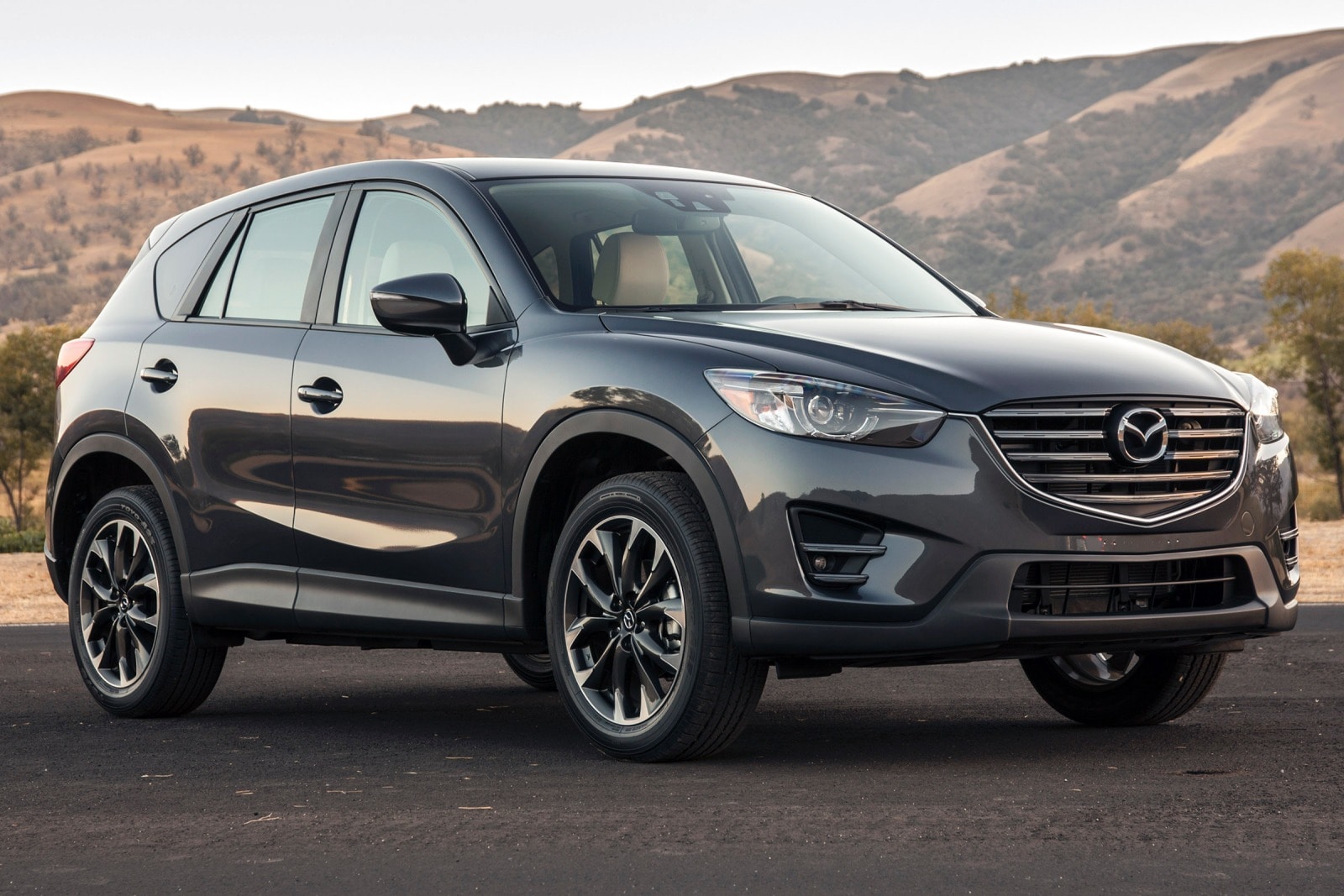
The Mazda CX-5 has long been one of Mazda’s most important vehicles, and the 2016 model year sits at a particularly interesting point in its lifecycle. It’s old enough to be affordable on the used market, yet modern enough to feel relevant for daily driving in 2026.
Search interest around 2016 mazda cx 5, 2016 mazda cx-5, and auto mazda cx 5 2016 shows that many buyers are asking the same core questions: Is it reliable? Does it have Apple CarPlay or Android Auto? Does it support remote start? And is it still a smart buy today?
This 1,500-word guide answers those questions honestly, in plain language, without sales fluff.
Why the 2016 Mazda CX-5 Still Gets Attention
The 2016 CX-5 represents the last major refresh before Mazda’s full interior and technology leap in later years. It benefits from Mazda’s early SKYACTIV engineering philosophy, which focused on efficiency, simplicity, and long-term durability.
For buyers, that matters because it means:
- Proven mechanical components
- Fewer experimental systems
- Predictable ownership costs
It’s not flashy, but it’s honest. And that’s why people keep searching for it.
Are 2016 Mazda CX-5 Reliable?
This is the most important question, and the answer is yes, the 2016 Mazda CX-5 is generally considered reliable, especially when compared to many competitors from the same era.
Why Reliability Is a Strong Point
Mazda’s approach in 2016 was conservative in a good way:
- Naturally aspirated engines (no small turbo stress)
- Traditional automatic transmission (not a CVT)
- Relatively simple electronics
- Proven platform already in production for several years
As a result, the 2016 CX-5 has developed a reputation for consistent, predictable reliability rather than headline-grabbing perfection.
Common Reliability Patterns
Owners and mechanics commonly report:
What holds up well
- Engine longevity with routine oil changes
- Smooth automatic transmission behavior
- Strong suspension tuning for daily driving
- Solid build quality
What can wear with age
- Suspension components (struts, bushings)
- Brakes and rotors
- Battery and minor electrical items
These are normal wear items, not design flaws.
Importantly, there are no widespread reports of catastrophic engine or transmission failures tied specifically to the 2016 model year.
Engine and Transmission Overview
Most 2016 Mazda CX-5 models came with a 2.0L or 2.5L four-cylinder engine, depending on trim and market.
What These Engines Are Like
- Smooth power delivery
- No turbocharger complexity
- Modest but adequate acceleration
- Good real-world fuel efficiency
They are not fast, but they are dependable. That’s exactly what many used-SUV buyers want.
Automatic Transmission Reliability
Mazda avoided CVTs in the CX-5, using a conventional automatic transmission instead. This has proven to be a long-term reliability advantage, especially as the vehicle ages past 100,000 miles.
Shifting is predictable, and issues usually give warning signs long before becoming serious.
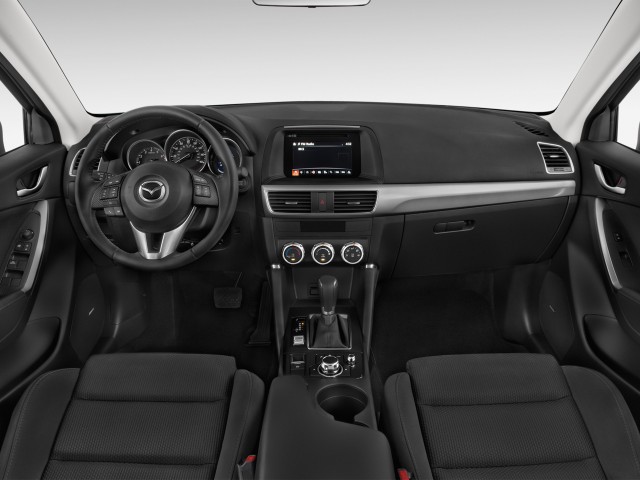
Does the 2016 Mazda CX-5 Have Apple CarPlay?
No, Apple CarPlay was not standard or factory-installed on the 2016 Mazda CX-5.
This is one of the most commonly misunderstood points.
Why It Didn’t Come with CarPlay
In 2016, Apple CarPlay and Android Auto were still emerging technologies. Mazda did not fully integrate them until later model years.
However, this doesn’t mean you’re stuck without modern smartphone integration.
Can Apple CarPlay Be Added?
Yes. Many owners retrofit Apple CarPlay using:
- Mazda-approved retrofit kits (availability varies by region)
- Aftermarket infotainment upgrades
Retrofits can provide:
- Apple CarPlay
- Android Auto
- Improved navigation and media support
This upgrade is one of the most popular modifications for 2016 CX-5 owners.
Does the 2016 Mazda CX-5 Have Android Auto?
Just like Apple CarPlay, Android Auto was not factory-equipped on the 2016 CX-5.
However, similar retrofit options exist, and many owners choose to upgrade rather than pass on an otherwise solid vehicle.
Does the 2016 Mazda CX-5 Have Remote Start?
From the factory, remote start was not standard on the 2016 Mazda CX-5.
That said, this is not a deal-breaker.
Remote Start Options
Many CX-5 owners install:
- Dealer-installed remote start systems
- Aftermarket remote start kits
These systems can be:
- Key-fob based
- App-based (depending on system)
Remote start is commonly added, especially in colder climates, and works well when installed properly.
Interior Quality and Comfort
One of the reasons the CX-5 has aged well is its interior design.
While it doesn’t look as modern as newer Mazdas, it still feels:
- Solidly built
- Ergonomically sound
- Easy to live with
Seats are supportive, controls are intuitive, and visibility is good. It doesn’t overwhelm the driver with screens or menus, which some buyers still prefer.
Space and Practicality
Passenger Space
The CX-5 offers:
- Comfortable front seating
- Adequate rear seating for adults on shorter trips
It’s not the roomiest in the class, but it’s well-balanced for most households.
Cargo Space
Cargo capacity is practical for:
- Groceries
- Strollers
- Weekend trips
It won’t match larger SUVs, but for a compact crossover, it remains competitive.
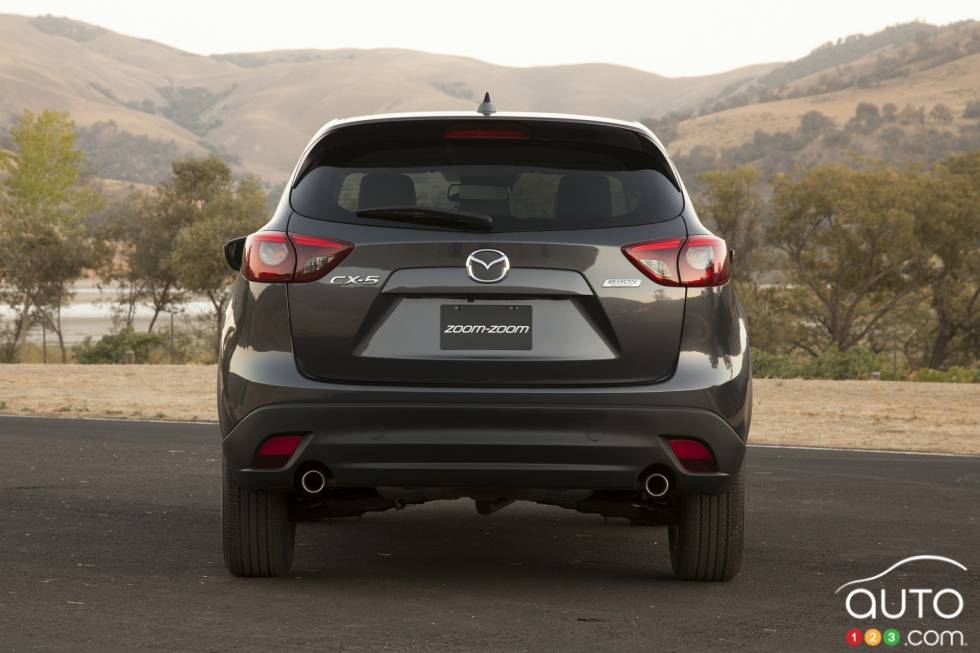
Fuel Economy and Ownership Costs
The 2016 CX-5 delivers solid fuel economy for its class, especially compared to older compact SUVs with larger engines.
Ownership costs tend to be manageable due to:
- Readily available parts
- Straightforward maintenance
- Fewer complex systems to fail
Insurance costs are typically reasonable thanks to strong safety ratings and modest performance output.
Safety Features
Safety was a strong point for Mazda even in 2016.
Depending on trim, features may include:
- Blind-spot monitoring
- Rear cross-traffic alert
- Stability control
- Multiple airbags
While it lacks some modern driver-assist features found in newer vehicles, it still meets the needs of most drivers.
Common Problems to Watch For
No used car is perfect. When inspecting a 2016 CX-5, pay attention to:
- Suspension noise over bumps
- Brake wear and vibration
- Battery health
- Tire condition and alignment
None of these are red flags on their own, but they affect total ownership cost.
A pre-purchase inspection is always recommended.
How the 2016 CX-5 Compares to Rivals
Compared to competitors from the same era:
Versus Toyota RAV4
- CX-5 drives better
- RAV4 may have a slight edge in long-term perception
Versus Honda CR-V
- CX-5 feels more refined
- CR-V offers slightly more interior space
Versus Ford Escape
- CX-5 tends to age more gracefully
- Escape may offer more power options
The CX-5 stands out for its balance, not extremes.
Who Should Buy a 2016 Mazda CX-5?
The 2016 CX-5 is a good fit if you:
- Want a reliable used compact SUV
- Value driving feel and build quality
- Are okay adding CarPlay or remote start later
- Prefer predictable ownership costs
It may not be ideal if you:
- Want the latest tech out of the box
- Need maximum rear-seat or cargo space
- Expect luxury-level features
Final Verdict: Is the 2016 Mazda CX-5 Still Worth Buying?
Yes — the 2016 Mazda CX-5 remains a smart used-car choice, especially for buyers who prioritize reliability, driving comfort, and long-term value over cutting-edge technology.
It doesn’t try to impress with gimmicks. Instead, it delivers a solid, dependable ownership experience that has aged better than many competitors.
If you find a well-maintained example with a clean history, the 2016 CX-5 can still serve reliably for years to come.
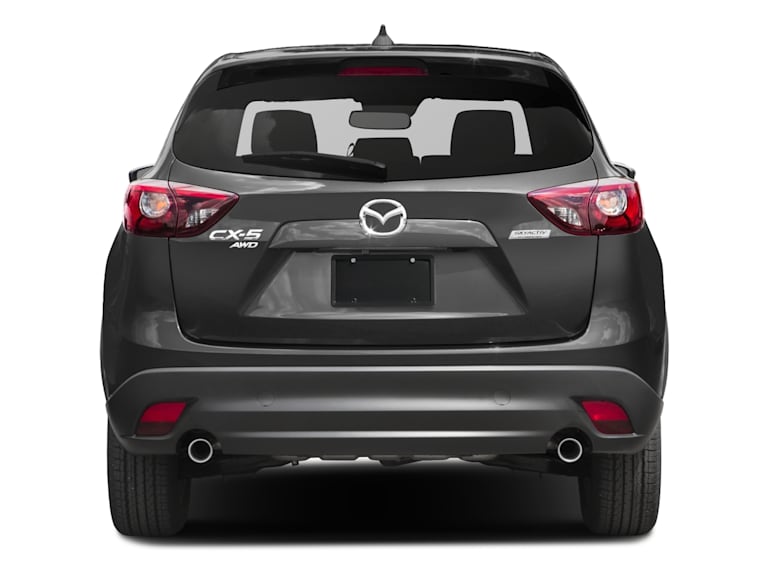

A deep, human, no-nonsense look at one of the most controversial sports cars ever built
Few cars trigger as much debate as the Mazda RX-8. Mention it in a car forum or at a meet, and you’ll hear two completely different stories. One side calls it unreliable, fragile, and expensive to own. The other side calls it one of the best-handling driver’s cars ever made, unfairly blamed for problems most owners caused themselves.
So what’s the truth?
Is the Mazda RX-8 really that bad?
Is it a good car to buy today?
And why does it still attract so much attention nearly two decades later?
This in-depth article cuts through the myths, the horror stories, and the nostalgia to explain what the RX-8 actually is, why it failed commercially, and whether it makes sense for a real buyer in today’s market.
What the Mazda RX-8 Was Meant to Be
To understand the RX-8, you have to understand Mazda’s mindset in the early 2000s.
At the time, most sports coupes were doing one of two things:
- Chasing straight-line speed
- Chasing luxury
Mazda went in a completely different direction.
The RX-8 was designed to be:
- Naturally balanced
- Lightweight for its size
- Perfectly distributed front-to-rear
- Engineered around feel rather than numbers
It wasn’t built to dominate drag races or dyno charts. It was built to reward the driver, especially on twisty roads and track days.
And in that one area, it succeeded brilliantly.
The Rotary Engine: Genius and the Source of All Trouble
The RX-8’s reputation lives and dies by one thing: the rotary engine.
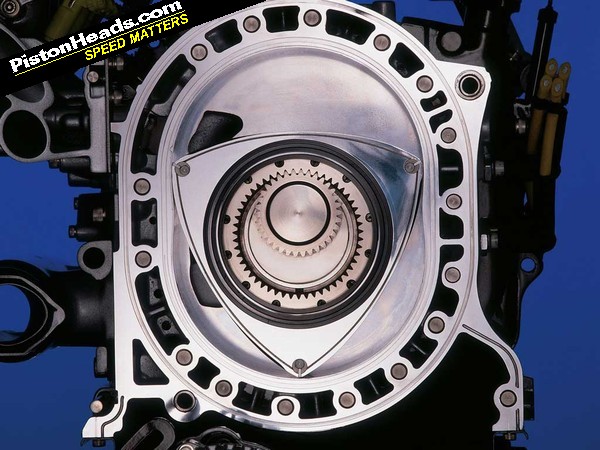
Mazda used the RENESIS rotary, a compact, high-revving engine unlike anything else sold in a mass-production car at the time. No pistons. No valves. Just smooth rotation and sky-high revs.
Why Mazda Loved the Rotary
From an engineering perspective, the rotary had huge advantages:
- Extremely compact size
- Very low center of gravity
- Smooth power delivery
- Ability to rev safely past 9,000 RPM
This allowed Mazda to mount the engine far back in the chassis, giving the RX-8 near-perfect weight distribution.
The result?
Handling that embarrassed cars with far more power.
Why Owners Hated It
The rotary also came with serious downsides:
- High oil consumption (by design, not a defect)
- Poor fuel economy
- Sensitivity to maintenance
- Cold-start and flooding issues if abused
Here’s the critical point many people miss:
The RX-8 didn’t fail because the rotary was bad.
It failed because most owners didn’t understand it.
Is the Mazda RX-8 a Good Car?
This is the most searched question, and the answer depends entirely on who you are.
The Honest Short Answer
For the average car buyer looking for cheap, reliable transportation: no.
For an enthusiast who understands what they’re buying: yes, absolutely.
The RX-8 is not a forgiving car. It does not tolerate neglect, ignorance, or cheap ownership habits. But when cared for properly, it delivers something few cars ever have: pure, mechanical connection.
Why the RX-8 Got Such a Bad Reputation
The RX-8 entered the market at exactly the wrong time.
Problem #1: Sold to the Wrong Buyers
Mazda marketed the RX-8 like a normal sporty coupe. That attracted buyers who:
- Never checked oil levels
- Did short, cold trips only
- Ignored warm-up procedures
- Treated it like a Corolla with a spoiler
Rotary engines don’t work that way.
Problem #2: Oil Consumption Shock
RX-8s intentionally burn oil as part of normal operation. Owners unfamiliar with this panicked, ignored it, or blamed Mazda.
Running low on oil in a rotary engine is catastrophic.
Problem #3: Emissions Regulations
The RENESIS engine was clean enough to launch, but tightening emissions rules killed its long-term viability. Mazda had to make compromises that affected durability.
The RX-8 became a victim of regulations as much as engineering.
What the RX-8 Gets Right (Even Today)
Despite the reputation, the RX-8 excels in areas that still matter.
Handling and Balance
This is where the RX-8 shines brightest.
- Near 50:50 weight distribution
- Hydraulic steering with real feedback
- Neutral cornering behavior
- Predictable chassis at the limit
Even modern sports cars struggle to match the RX-8’s chassis feel without electronic trickery.
Steering Feel
The RX-8’s steering is often described as “telepathic.” It communicates road texture, grip limits, and chassis balance in a way modern EPS systems rarely do.
This alone keeps the RX-8 relevant among enthusiasts.
Practicality (Surprisingly)
Thanks to its rear-hinged doors, the RX-8 offers:
- Usable rear seats
- Easier access than most coupes
- Decent trunk space for a sports car
It’s one of the few true sports coupes that can function as a daily driver if you accept its quirks.
Reliability: The Real Story
The RX-8 is not unreliable in the traditional sense. It doesn’t randomly break electrical systems or eat transmissions. Its reputation comes almost entirely from engine failures, and those failures follow patterns.
Common RX-8 Problems
- Loss of compression over time
- Apex seal wear
- Flooded engines from improper shutdown
- Weak ignition coils in early models
Here’s the important distinction:
Most RX-8 engine failures are preventable.
Owners who:
- Check oil regularly
- Warm the engine properly
- Use quality ignition components
- Avoid short cold starts
often see far better longevity than the horror stories suggest.
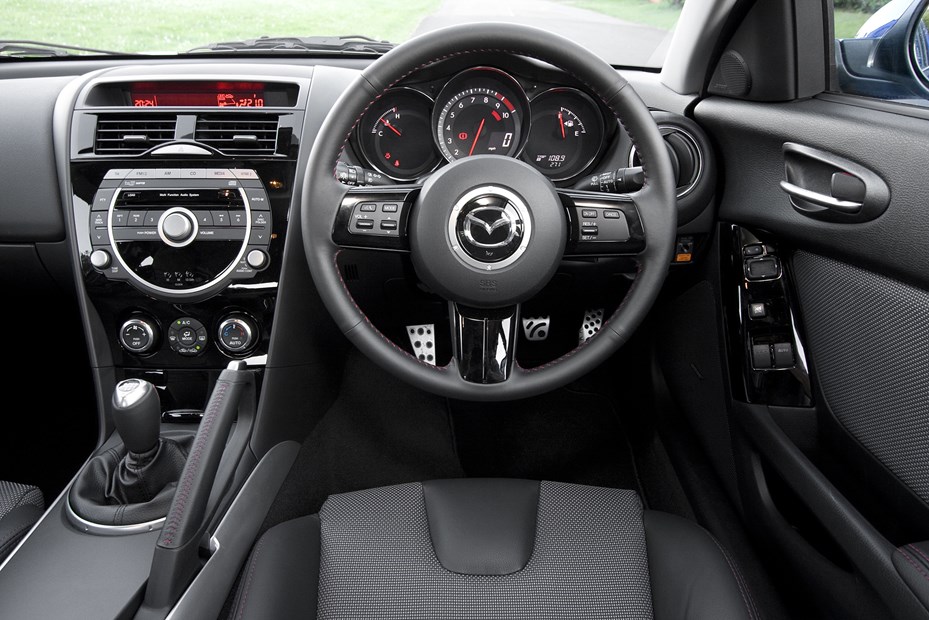
Buying a Used Mazda RX-8 Today
Searches for “Mazda RX-8 for sale” and “RX-8 coupe for sale” are rising, largely because prices are still relatively low.
Why Prices Are Tempting
- Depreciation hit the RX-8 hard
- Fear keeps demand low
- Many clean examples still exist
This creates an unusual situation: exceptional chassis for very little money.
What to Check Before Buying
If you’re considering an RX-8, these checks are non-negotiable:
- Compression test (rotary-specific)
- Cold start behavior
- Hot restart behavior
- Oil consumption history
- Ignition system condition
Skipping these steps is how people end up hating the RX-8.
Ownership Costs: What No One Tells You
The RX-8 is not cheap to own, but it’s not outrageous either if expectations are realistic.
Fuel
Fuel economy is poor by modern standards. This is the price of high-revving rotary performance.
Oil
You will add oil between changes. This is normal.
Maintenance
Preventive maintenance is essential. Reactive maintenance is expensive.
The RX-8 punishes laziness more than incompetence.
Is the Mazda RX-8 Really That Bad?
No.
But it is honest.
It doesn’t hide its demands. It doesn’t forgive neglect. It doesn’t pretend to be something it’s not.
The RX-8 is a car that asks something of its owner in return for what it gives. In an era of increasingly isolated, automated driving, that relationship is rare.
Who Should Buy an RX-8?
The RX-8 makes sense if:
- You enjoy learning your car
- You value handling over horsepower
- You understand rotary ownership
- You want something genuinely different
It does not make sense if:
- You want cheap transportation
- You hate maintenance
- You expect Toyota-level indifference
- You never check fluids
The RX-8’s Legacy
The Mazda RX-8 represents the end of an era. It was the last mass-produced rotary sports car, and likely the last of its kind.
It failed commercially, not because it was bad, but because it demanded more from buyers than the market was willing to give.
Ironically, that’s exactly why it’s so interesting today.
Final Verdict
So, is the Mazda RX-8 a good car?
Yes for the right person.
No for the wrong expectations.
It is one of the most misunderstood cars ever built. Treat it like an appliance, and it will punish you. Treat it like a machine with character, and it will reward you in ways few cars can.
The RX-8 isn’t bad.
It’s just honest.
And honesty, in cars and in life, often gets blamed for things it didn’t do.
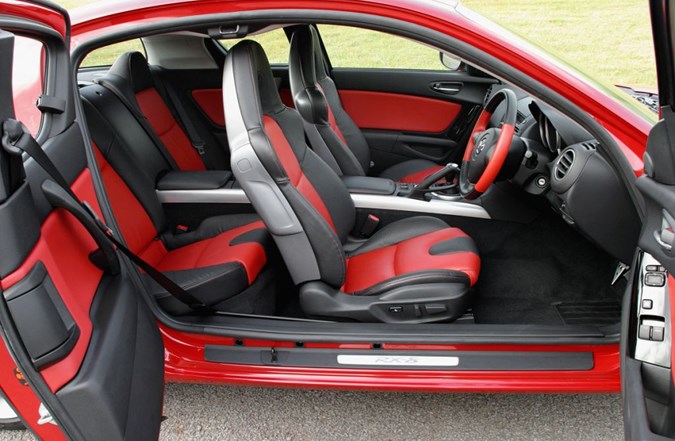

The Mazda CX-90 represents a major shift for Mazda. This isn’t just another family SUV added to the lineup. It’s Mazda’s flagship three-row vehicle, designed to compete not only with mainstream rivals, but also to edge into near-luxury territory without wearing a luxury badge.
Search demand around terms like mazda cx 90, 2024 mazda cx-90, 2025 mazda cx-90, and mazda cx 90 phev shows that buyers are seriously cross-shopping this SUV. The most common questions are practical and direct: Is it a good car? How much does it cost? Where is it made? Does the PHEV require premium fuel?
This 1,800-word guide answers those questions clearly, without brochure hype.
What Is the Mazda CX-90?
The Mazda CX-90 is a three-row midsize SUV that replaces the outgoing CX-9 and sits at the top of Mazda’s SUV lineup. It is built on Mazda’s new rear-biased large-platform architecture, which is a major departure from the front-wheel-drive roots of most Mazda SUVs.
That platform change matters because it affects:
- Ride quality
- Handling balance
- Towing capability
- Powertrain layout
Mazda positioned the CX-90 as a more refined, more driver-focused alternative to conventional three-row SUVs.
Is the Mazda CX-90 a Good Car?
Short answer: Yes, if you value refinement, design, and driving feel.
Long answer: the CX-90 is not trying to be the cheapest or the most rugged three-row SUV. It’s trying to feel premium, and in many ways, it succeeds.
Strengths That Stand Out
Interior quality
The CX-90’s cabin is one of its biggest selling points. Materials, stitching, and layout feel more upscale than most mainstream competitors. Mazda has intentionally moved away from busy dashboards and instead focused on clean, minimal design.
Ride and handling
Despite its size, the CX-90 feels composed and balanced. Steering is more precise than what most buyers expect from a three-row SUV. This is especially noticeable on highways and winding roads.
Powertrain variety
Mazda offers both turbocharged gasoline engines and a plug-in hybrid option, giving buyers flexibility depending on priorities.
Brand reliability trend
Mazda’s recent reliability record has been strong, especially compared to brands that aggressively pushed complex turbo and CVT combinations earlier.
Where It May Not Be for Everyone
Third-row space
The third row is usable, but it is best suited for children or shorter trips for adults. This is common in the segment, but buyers expecting minivan-like space should manage expectations.
Not a rugged off-roader
This is not a body-on-frame SUV. It’s designed for comfort and on-road refinement, not heavy off-road use.
2024 Mazda CX-90 vs 2025 Mazda CX-90
Search interest around 2024 mazda cx-90 and 2025 mazda cx-90 suggests buyers are trying to decide whether to buy now or wait.
What Has Stayed the Same
- Core design and platform
- Powertrain lineup
- Interior layout and infotainment approach
- Safety technology suite
Mazda favors incremental refinement rather than frequent redesigns, which is a positive for reliability.
What Changes for 2025
For 2025, changes are expected to be modest:
- Trim and feature adjustments
- Minor pricing updates
- Small software or calibration refinements
There is no full redesign planned. For most buyers, a well-priced 2024 model offers nearly identical real-world ownership.

Mazda CX-90 PHEV Explained
The Mazda CX-90 PHEV is one of the most searched variants, and for good reason. It allows buyers to combine electric driving with three-row practicality.
What the PHEV Does Well
- Short daily commutes can often be completed on electric power alone
- Smooth transition between electric and gas operation
- Strong low-speed torque for city driving
Does the Mazda CX-90 PHEV Require Premium Fuel?
This is one of the most common questions.
The Mazda CX-90 PHEV does not strictly require premium fuel, but fuel recommendations can vary by market and driving conditions. Using higher-octane fuel may optimize performance and efficiency, but the vehicle is designed to operate safely on regular fuel.
For buyers focused on cost savings, this is an important consideration.
How Much Is a Mazda CX-90?
Searches for how much is a mazda cx 90 reflect a wide range of pricing expectations.
Pricing varies based on:
- Model year (2024 vs 2025)
- Powertrain (gas vs PHEV)
- Trim level
- Market and incentives
In general terms:
- Gasoline models start in the midsize-SUV price range
- PHEV models carry a premium due to electrification technology
- Higher trims push the CX-90 closer to entry-luxury pricing
While the CX-90 is not the cheapest three-row SUV, it justifies its pricing with design, materials, and driving refinement.
Where Is the Mazda CX-90 Made?
Queries like where is the mazda cx 90 made and where is mazda cx-90 made are very common.
The Mazda CX-90 is manufactured in Japan, aligning it with Mazda’s highest production standards. This matters to many buyers who associate Japanese manufacturing with consistency and quality control.
That said, modern Mazda quality standards are applied globally, so long-term reliability depends more on maintenance than assembly location alone.
Powertrain Overview: Gas vs PHEV
Turbocharged Gas Models
- Smooth, linear power delivery
- Strong highway performance
- Better suited for towing compared to many competitors
Plug-In Hybrid (PHEV)
- Ideal for short commutes and urban driving
- Lower fuel consumption for drivers who charge regularly
- More complex system, but one that Mazda has engineered conservatively
Mazda deliberately avoided a CVT in the CX-90, which is a long-term durability advantage.
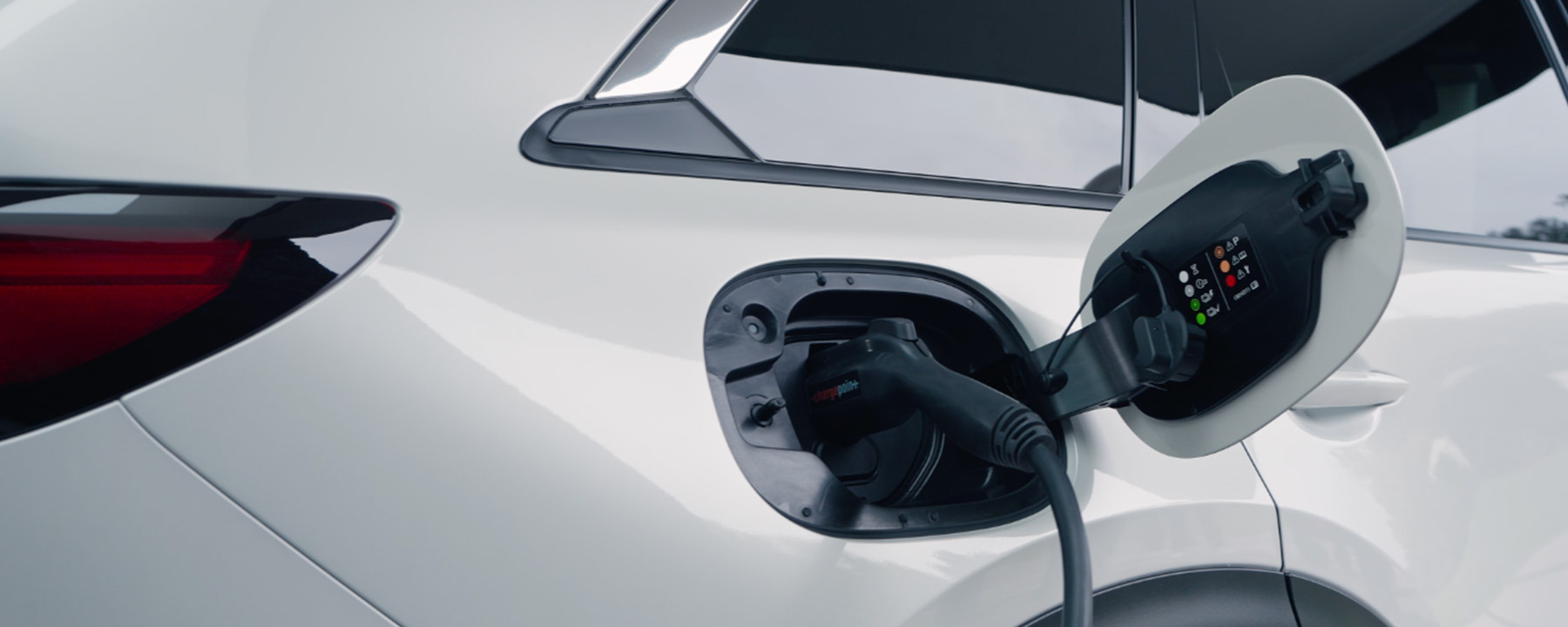
Interior Space and Practicality
First and Second Rows
- Comfortable seating with strong support
- High-quality materials even in non-top trims
- Logical control placement
Third Row
- Adequate for children or occasional adult use
- Easier access than many midsize rivals
- Best considered supplemental, not primary seating
Cargo Space
With the third row folded, cargo space is competitive. With all seats up, capacity is limited, which is typical for the segment.
Technology and Infotainment
Mazda’s infotainment philosophy prioritizes reduced distraction.
Key points:
- Rotary controller instead of touch-heavy systems
- Screen positioned high for visibility
- Clean interface with fewer layers
Some buyers prefer full touchscreens, but many owners report appreciating the Mazda system over time, especially on longer drives.
Safety and Driver Assistance
The CX-90 includes a wide range of standard and available safety features, contributing to strong safety scores.
Common systems include:
- Adaptive cruise control
- Lane-keeping assistance
- Blind-spot monitoring
- Emergency braking
Mazda integrates these features smoothly rather than aggressively, which reduces driver fatigue.
Reliability Expectations
While the CX-90 is still relatively new, Mazda’s overall reliability trajectory is positive.
Factors working in its favor:
- Conservative engine tuning
- Avoidance of CVTs
- Incremental engineering changes
- Strong quality-control reputation
As with any new platform, long-term data will mature over time, but early ownership trends are encouraging.
Who Should Buy the Mazda CX-90?
The CX-90 is ideal for buyers who:
- Want a refined three-row SUV without luxury-brand pricing
- Value interior quality and driving feel
- Need occasional third-row seating
- Are open to electrification via the PHEV
It may not be ideal for buyers who:
- Need maximum third-row space for adults
- Want a rugged, off-road-focused SUV
- Are shopping strictly on lowest price
Mazda CX-90 vs Typical Three-Row Rivals
Compared to many competitors, the CX-90:
- Feels more premium inside
- Drives more confidently
- Prioritizes balance over sheer size
It trades some interior volume for refinement, which will appeal to certain buyers more than others.
Final Verdict: Is the Mazda CX-90 Worth It?
The Mazda CX-90 is a strong entry in the three-row SUV segment, especially for buyers who want something that feels thoughtfully engineered rather than mass-produced.
It is not trying to dominate with numbers alone. Instead, it focuses on how the vehicle feels to drive, sit in, and live with. For many families and professionals, that approach makes the CX-90 one of the most compelling options in its class.
If your priorities include design, comfort, modern powertrains, and Mazda’s growing reputation for reliability, the CX-90 deserves a serious look.
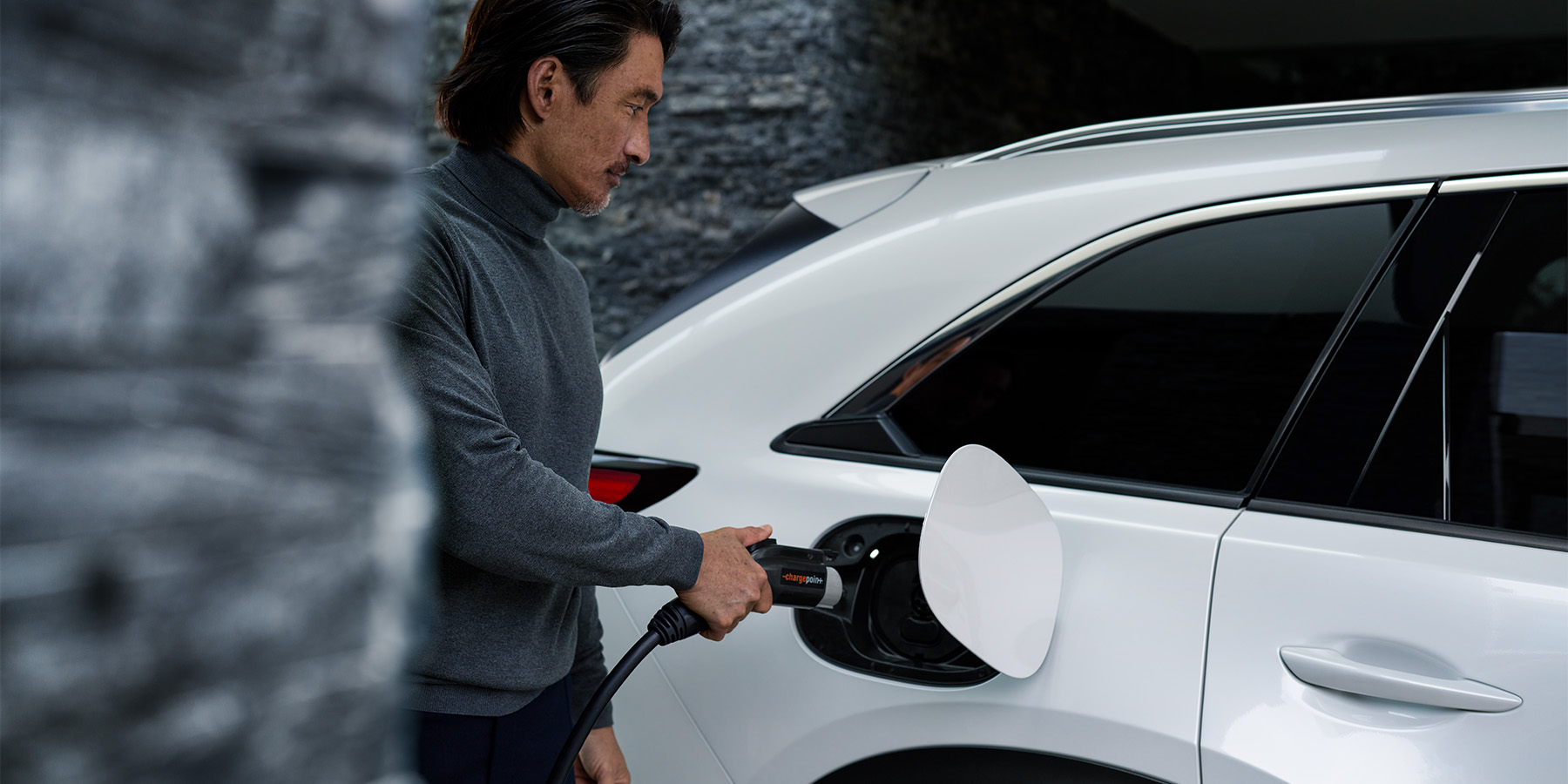
Should I Buy a Used 2014 Mazda Mazda6 i Touring?

Looking at a used 2014 Mazda Mazda6 i Touring can be exciting: sleek looks, sporty driving dynamics, solid build quality, and Mazda’s reputation for engineering refinement. But with any nearly decade-old car, buyers are right to ask: Is it worth it? Should I buy this car? Is it reliable? What should I watch for?
This guide takes you step by step through everything that matters — not just mileage and price — so you can make an informed decision.
1. Understanding What You’re Considering
The 2014 Mazda Mazda6 i Touring sits in the midsize sedan category. It’s neither the cheapest used car nor the most expensive; instead, it promises a balanced blend of:
- Fuel efficiency
- Driving engagement
- Interior comfort
- Practical daily usability
But before diving into price and buying tips, let’s break down the core fundamentals: what the car actually is.
What “i Touring” Means
In Mazda’s trim structure of that era:
- “i” refers to the base engine — a naturally aspirated 2.5-liter four-cylinder
- “Touring” denotes a mid-level trim level
(between the base Sport and higher-end Grand Touring)
This means you get more equipment than a base model — but not all the bells and whistles of the top trims. This can be an advantage: less complexity often means fewer things to break.
2. Driving Experience: What Owners Really Feel
Every car has specifications, but only real driving tells the whole story.
Engaging, Balanced Handling
One of the things Mazda is known for — and the Mazda6 delivers — is driving dynamics that feel lively for the class. It’s not a sports car, but:
- Steering feels communicative
- Suspension balances comfort and handling
- The car feels planted and responsive on twisty roads
Unlike some midsize sedans that float or feel numb, the Mazda6 feels connected.
Smooth Power Delivery
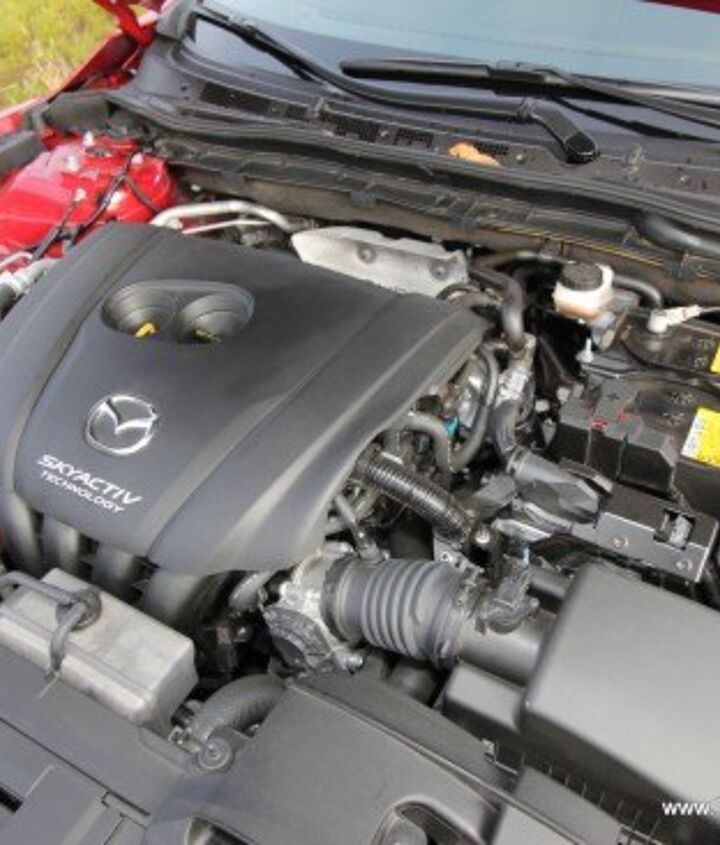
The 2.5-liter engine is not a powerhouse, but it’s:
- Smooth and predictable
- Good on highway passing
- Friendly in daily traffic
If you want aggressive acceleration, you won’t get it here — but for most daily driving, it’s more than adequate.
Interior Comfort and Ergonomics
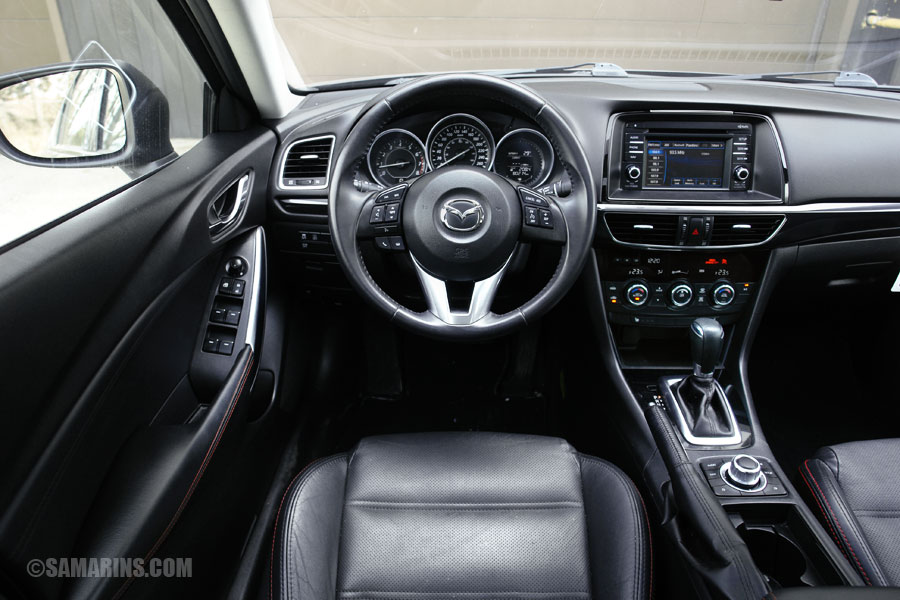
Used Mazda6 owners often praise:
- Supportive seats
- Driver-focused cockpit
- Easily readable gauges
- Logical layout of controls
Unlike some luxury rivals that skimp on materials at this price point, the Mazda6 interior feels solid and well-appointed for its age.
3. Reliability — The Heart of the Question
If you’re asking “Should I buy it?”, you’re really asking a deeper question:
Will this car hold together and not cost a fortune to fix?
To answer that, we have to talk reliability in practical terms.
Overall Reliability Reputation
The Mazda6 — across its generations — has a generally good reputation for reliability. It is not at the very top of reliability lists like some Toyota or Honda models, but it’s consistently above average for mainstream midsize sedans.
Common reliability patterns with the 2014 Mazda6 include:
- Engine longevity — Generally strong if maintained
- Transmission — Automatic transmissions hold up well; shifts are predictable
- Electronics — Minor quirks reported but not widespread failures
- Interior trim — Wear happens, but nothing systemic
- Suspension wear — Common on high-mileage cars, not a design flaw
So the big picture: this car is not fragile. But as with all used cars, condition matters more than age.
4. What to Inspect Before You Buy
A used car is not a new guarantee. Here’s the checklist that separates good buys from future repair bills.
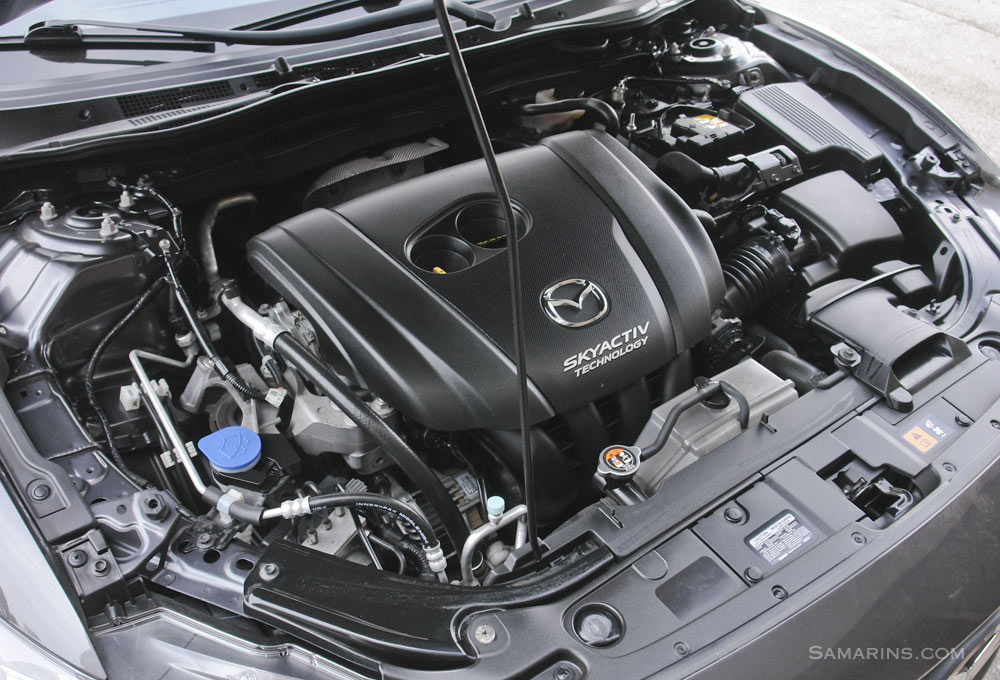
Engine Health
- Ask for service records — regular oil changes matter
- Look for oil leaks around valve covers, cam seals
- See if the engine starts cleanly without hesitation
- Check if the engine oil looks dark or sludgy (maintenance history unknown)
Transmission Operation
- Smooth, predictable shifts
- No hesitation when accelerating or decelerating
- No clunking or slipping between gears
Suspension and Brakes
Older cars — especially around 100,000 miles — often show:
- Worn struts and shocks
- Bushings that have deteriorated
- Brake rotors that may need resurfacing or replacement
These are maintenance items rather than catastrophic faults, but they all cost money.
Tires
Uneven tire wear can mean:
- Misalignment
- Suspension wear
- Aggressive braking/driving history
Not necessarily deal-breaking, but worth knowing before negotiations.
Rust and Body Condition
Check:
- Wheel arches
- Rocker panels
- Underbody
- Around door seals
Rust doesn’t happen overnight, but it does matter in northern climates with winter road salts.
Interior Electronics
Try everything:
- Infotainment system
- Climate controls
- Power seats (if equipped)
- Window switches
- Cruise control
Older cars can develop minor electrical gremlins.
Vehicle History Report
Getting a Carfax or AutoCheck report is worth every penny. Look for:
- Accidents
- Title issues
- Odometer inconsistencies
- Service history notes
5. Ownership Costs: Not Just Purchase Price
A car’s value is not just what you pay upfront — it’s what you pay over time.
Insurance
As a mid-sized sedan with good safety ratings, the Mazda6 usually falls in a reasonable insurance bracket, lower than many luxury competitors.
Fuel Economy
The 2.5-liter engine delivers competent fuel efficiency — generally better than V6-powered competitors of the era — which keeps running costs reasonable.
Scheduled Maintenance
Expect routine items such as:
- Oil changes every 5,000–7,500 miles
- Brake pads and rotors as they wear
- Coolant flushes
- Transmission fluid changes
- Suspension components over time
These are predictable costs — not surprises.
Unexpected Repairs
While this generation doesn’t have widespread catastrophic issues, any older car can have surprises. A good pre-purchase inspection helps minimize those.
6. Mileage and Why It Matters
Mileage isn’t a death sentence — but it’s a cost predictor.
At around:
- Under 80,000 miles – usually a solid value
- 80,000–120,000 miles – condition and maintenance become critical
- Over 120,000 miles – expect wearable components nearing replacement
A well-maintained 120k Mazda6 can still offer years of service, but the likelihood of suspension, brakes, and other wear items needing attention increases.
7. How the 2014 Mazda6 Compares to Rivals
Buying a 2014 Mazda6 doesn’t happen in a vacuum — you compare it mentally to other options.
Here’s how it stacks up against common rivals:
Toyota Camry
- Often seen as more conservative and slightly more reliable overall
- Mazda6 is more engaging to drive
- Camry tends to fetch higher resale values
Honda Accord
- Comparable reliability
- Accord may offer a slightly roomier interior
- Mazda6 often feels more refined to drive
Ford Fusion
- Fusion can be less expensive used
- Mazda6 often feels higher quality and more connected
Each has pros and cons — but the Mazda6 stands out for its balance of comfort and driving enjoyment.
8. Cost vs Value — What Is Fair Today?
Used prices vary widely by region, condition, mileage, and options. But as a general rule:
- A well-maintained 2014 Mazda6 i Touring with average mileage might price moderately in the midsize segment
- Cars with service history, no accidents, and good cosmetic condition command higher prices — and justifiably so
When comparing listings, prioritize:
- Condition over price
- Service history over sticker price
- A clean vehicle history report
You can often save a few hundred dollars in price only to pay thousands later in repairs if condition is ignored.
9. Pros and Cons Summarized
Here’s the decision in digestible bullets:
Pros
- Enjoyable to drive for its class
- Generally reliable engines and transmissions
- Solid build quality and interior feel
- Practical daily car with good fuel economy
- Reasonable ownership costs if maintained
Cons
- Not the very cheapest used car option
- Some suspension and brake wear typical at high mileage
- Infotainment/electronics are functional but not cutting-edge
- Value depends heavily on maintenance history
10. Real Owner Feedback
On owner forums and long-term reviews, common themes include:
- “I’ve had mine for years with nothing major”
- “Regular oil changes made this car last well beyond expectations”
- “Suspension parts wore out before anything serious broke”
- “I’d buy it again over other midsize sedans”
This is exactly the pattern you want to see: few catastrophic failures, more normal wear items.
11. Your Decision Framework
A good used-car decision isn’t emotional — it’s structured. Ask yourself:
- Does it have service records?
- Has it been in any accidents?
- Does it drive well on test?
- Does it have any warning lights?
- Is the price fair for its condition and mileage?
- Will the cost of upcoming maintenance fit your budget?
If you can answer yes to most of these, you’re in good territory.
12. Final Verdict
So, should you buy a used 2014 Mazda Mazda6 i Touring?
Yes — but only if:
- You confirm its maintenance history
- It passes a pre-purchase inspection
- It drives smoothly without warning signs
- The price reflects its condition and mileage
This car is not a gamble — it’s a sound used-car choice when chosen carefully.
It’s not the cheapest possible used car, nor the most luxurious. But it delivers balanced performance, reliability, and practicality in a package that still makes sense in daily life.
In other words:
If you’re looking for a reliable, enjoyable midsize sedan that won’t constantly nag you with repairs, the 2014 Mazda6 i Touring is a solid frontier for your next used car.
Want a Buyer’s Checklist?
If you’d like, I can turn the key inspection points above into a printable pre-purchase checklist you can use at the dealer or private sale. Just ask!
What Country Are Mazda Cars From?

A complete, editor-level look at Mazda’s origins, manufacturing, and global identity
If you’ve ever asked, “What country are Mazda cars from?”, the simple answer is Japan. But like most things in the modern automotive world, the full story is more layered than a one-word reply.
Mazda is a Japanese car company. It was founded in Japan, headquartered in Japan, engineered in Japan, and still operates as an independent Japanese automaker today. However, like most global manufacturers, Mazda builds vehicles in multiple countries to serve different markets.
Understanding where Mazda comes from means understanding its history, philosophy, and how globalization reshaped automotive production.
Let’s break it down properly.
Mazda’s Origin: Hiroshima, Japan
Mazda was founded in 1920 in Hiroshima, Japan. The company originally began as Toyo Cork Kogyo Co., Ltd., producing cork products rather than automobiles.
By the 1930s, Mazda shifted into machinery and eventually vehicle production. The first Mazda-branded vehicle was a three-wheeled truck introduced in 1931. Passenger cars followed later, with the company steadily growing into one of Japan’s major automakers.
Unlike some manufacturers that moved headquarters or were acquired by foreign corporations, Mazda’s corporate heart has always remained in Hiroshima.
That matters more than people think.
What Makes Mazda “Japanese”?
When people ask where a car is from, they usually mean one of three things:
- Where was the company founded?
- Where is the company headquartered?
- Where is the vehicle built?
For Mazda:
- Founded in: Japan
- Headquarters: Hiroshima, Japan
- Corporate identity: Japanese
- Major engineering operations: Japan
Mazda remains culturally and structurally Japanese. Strategic decisions, engineering philosophies, and design direction originate from Japan.
Where Are Mazda Cars Built Today?
Even though Mazda is Japanese, not every Mazda vehicle is built in Japan.
Modern automotive manufacturing is global. Companies build cars closer to their largest markets to reduce shipping costs, tariffs, and supply chain delays.
Here are Mazda’s primary production locations:
Japan
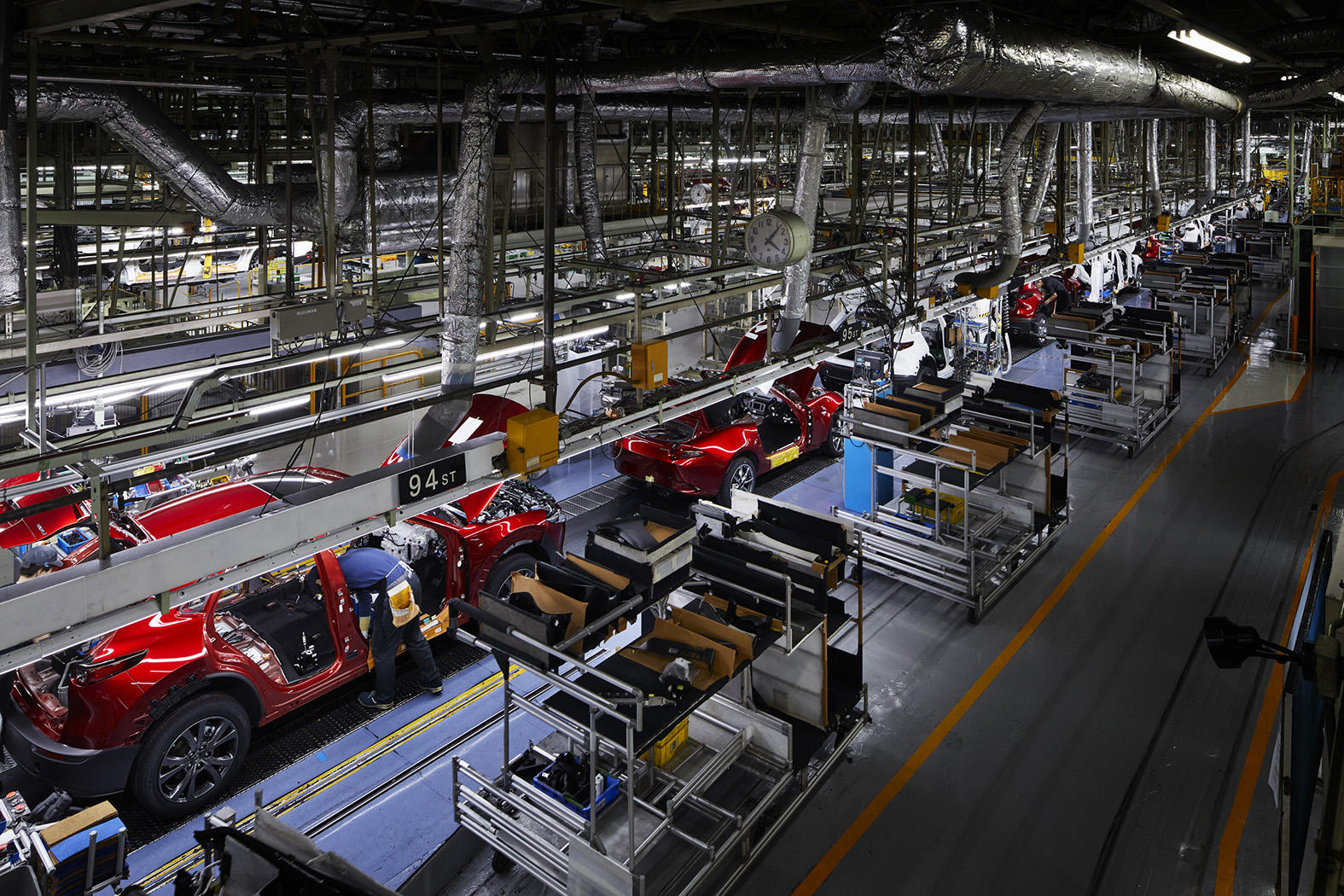
Mazda’s core production facilities remain in Japan, including:
- Hiroshima Plant (Main factory)
- Hofu Plant
These factories produce many global models and are considered Mazda’s flagship manufacturing sites.
Mexico
Mazda operates a major plant in Salamanca, Mexico. This facility builds several models for North America and other regions.
United States
Mazda co-owns a manufacturing facility in Huntsville, Alabama, through a joint venture with Toyota. This plant produces select models for the U.S. market.
Does Build Location Change the Brand’s Origin?
No.
A Mazda built in Mexico or the United States is still a Japanese vehicle brand. The engineering, design philosophy, and company leadership remain Japanese.
This is no different from:
- Toyota building vehicles in Kentucky
- Honda building vehicles in Ohio
- BMW building vehicles in South Carolina
The brand identity and national origin remain tied to the company’s headquarters and ownership.
Is Mazda Owned by Another Country?
Mazda is not owned by a foreign automaker.
Historically:
- Ford once held a controlling stake in Mazda (1990s–early 2010s)
- That relationship ended, and Mazda regained independence
Today:
- Toyota holds a minority stake in Mazda
- Mazda remains an independent Japanese automaker
It is not owned by Toyota, nor is it a subsidiary of another country’s corporation.
Why Mazda’s Japanese Identity Matters
Japan has built a global reputation for automotive reliability and disciplined engineering. Mazda reflects many of these cultural traits:
- Continuous refinement instead of radical redesign
- Mechanical simplicity where possible
- Strong emphasis on efficiency and durability
- Precision manufacturing standards
Mazda’s design philosophy, known as “Jinba Ittai” (horse and rider as one), reflects traditional Japanese attention to harmony between driver and machine.
This cultural foundation is deeply Japanese.
Mazda’s Global Growth
Mazda expanded internationally throughout the late 20th century. By the 1970s and 1980s, Mazda vehicles were sold widely in North America and Europe.
One major milestone was the development of the rotary engine, which became a signature innovation for the company. Few automakers were willing to take such engineering risks, and Mazda’s willingness to pursue unconventional solutions became part of its identity.
Even as Mazda expanded globally, its leadership and engineering base remained in Hiroshima.

Are Japanese-Built Mazdas More Reliable?
Some buyers specifically seek vehicles built in Japan, believing they are more reliable.
While Japanese factories are known for extremely high quality control standards, modern global manufacturing is highly standardized. Mazda applies strict quality protocols across all its facilities.
In practice:
- A Mazda built in Mexico is held to Mazda’s engineering standards
- A Mazda built in Alabama follows Mazda’s quality systems
Reliability differences are more likely to depend on model design and maintenance history than assembly location.
How Mazda Compares to Other Japanese Brands
Mazda is often mentioned alongside:
- Toyota
- Honda
- Subaru
- Nissan
Among these brands, Mazda occupies a unique position. It emphasizes driving engagement and premium interior design more than some competitors, while still maintaining strong reliability records.
Unlike Toyota, Mazda does not pursue ultra-conservative engineering at all costs. Instead, it balances reliability with performance and refinement.
That balance is very much rooted in Japanese design philosophy.
The Economic Importance of Hiroshima
Mazda is not just headquartered in Hiroshima; it is deeply tied to the region’s economy and identity.
The company is one of Hiroshima’s largest employers and remains symbolically linked to the city’s post-war recovery and growth. Mazda’s presence has shaped Hiroshima into a major automotive hub.
Few global automakers are as geographically tied to their founding city as Mazda is to Hiroshima.
Common Confusion About Mazda’s Origin
Some people assume Mazda is:
- Owned by Ford (historically true, but not anymore)
- Owned by Toyota (not true; only a minority partnership)
- An American brand because it builds cars in North America
None of those assumptions are accurate today.
Mazda remains Japanese in origin, headquarters, and corporate identity.
The Final Answer
Mazda cars are from Japan.
The company was founded in Hiroshima in 1920 and continues to operate as a Japanese automaker. While many Mazda vehicles are built in Mexico or the United States for global markets, the brand itself remains rooted in Japan.
Its engineering philosophy, corporate leadership, and cultural identity are unmistakably Japanese.
How to Charge the 12V Battery on a Mazda CX-90
A complete, editor-level guide for gas, mild-hybrid, and PHEV owners
The Mazda CX-90 is one of Mazda’s most advanced vehicles to date. With turbocharged inline-six engines, mild-hybrid systems, and a plug-in hybrid variant, it feels worlds apart from the simple crossovers of the past. But despite all that modern tech, it still relies on something surprisingly old-school: a 12-volt battery.
And when that battery runs low, owners often panic.
Dash lights flare up. The vehicle may refuse to start. On PHEV models, the big high-voltage battery might be fully charged, yet the car still seems “dead.” That’s when many owners realize they don’t fully understand how the CX-90’s 12V system works or how to charge it correctly.
This guide explains exactly how to charge the 12V battery on a Mazda CX-90, step by step, without guesswork, shortcuts, or dealership fluff.
Why the 12V Battery Matters More Than You Think
It’s tempting to assume the large hybrid or PHEV battery does all the heavy lifting. It doesn’t.
The 12-volt battery is responsible for:
- Powering the vehicle’s computers and control modules
- Unlocking doors and enabling push-button start
- Booting the infotainment and safety systems
- Acting as the gateway that allows the hybrid system to activate
If the 12V battery is weak, the CX-90 will not start, regardless of how charged the high-voltage battery is.
This is not a Mazda quirk. It’s how modern electrified vehicles are engineered.
Which Mazda CX-90 Models Use a 12V Battery?
All CX-90 variants use a conventional 12-volt battery, including:
- Turbo inline-6 gasoline models
- Turbo inline-6 mild-hybrid (MHEV) models
- Plug-in Hybrid Electric Vehicle (PHEV) models
The charging process is the same across all trims, with only minor access differences.
Where Is the 12V Battery Located on the Mazda CX-90?
Unlike some hybrids that hide the 12V battery in the trunk or under seats, the Mazda CX-90 keeps things simple.
Battery location:
- Under the hood
- Passenger-side of the engine bay
- Covered by a plastic protective shroud
Mazda also provides clearly marked jump-start terminals, which are important if you’re charging without direct access to the battery posts.
Signs Your CX-90’s 12V Battery Needs Charging
Before you grab a charger, it helps to recognize the symptoms of a low 12V battery:
- Slow or unresponsive push-button start
- “Keyless system malfunction” warnings
- Multiple warning lights appearing at once
- Infotainment system failing to boot
- Vehicle not entering Ready mode on hybrids
- Random electrical glitches
These issues often appear after short trips, extended parking, or cold weather.
What You Need to Charge the 12V Battery
You do not need dealership equipment. A basic, quality charger is enough.
Required tools:
- A 12V smart battery charger (2A–10A recommended)
- A standard household power outlet
- Safety gloves (recommended)
What NOT to use:
- Old, unregulated “dumb” chargers
- High-amp boost chargers for routine charging
- Jump-starting as a substitute for charging
A modern smart charger automatically adjusts voltage and shuts off when charging is complete. This is critical for vehicles like the CX-90 that have sensitive electronics.
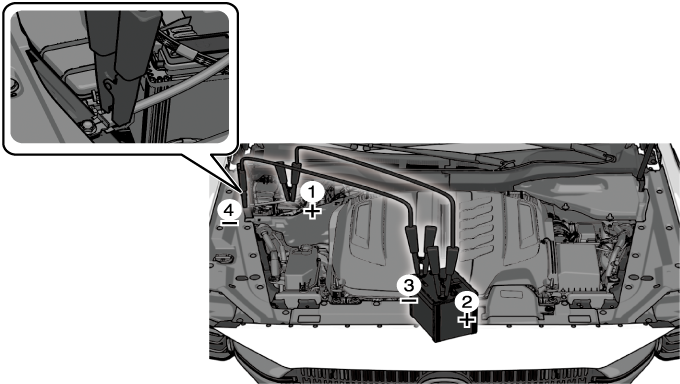
Step-by-Step: How to Charge the 12V Battery on a Mazda CX-90
Step 1: Turn the Vehicle Completely Off
- Make sure the engine is off
- Ensure the vehicle is not in accessory mode
- Remove the key fob from the vehicle
- Close all doors
This prevents electrical interference and protects onboard systems.
Step 2: Open the Hood and Locate the Terminals
You have two options:
- Direct battery terminals (preferred if accessible)
- Under-hood jump-start terminals (Mazda-approved and safe)
On most CX-90s, the positive terminal is marked with a red cover and a “+” symbol.
Step 3: Connect the Charger Correctly
Order matters.
- Connect the positive (red) clamp to the positive terminal
- Connect the negative (black) clamp to:
- The negative battery terminal, or
- A designated grounding point on the chassis
Do not connect the negative clamp to random metal components.
Step 4: Set the Charger Properly
Recommended settings:
- Battery type: Standard lead-acid or AGM (check battery label)
- Charge rate: 2A to 5A for safest results
- Mode: Normal or maintenance mode
Avoid fast-charge or boost modes unless the battery is critically low.
Step 5: Plug In and Let It Charge
Charging time varies:
- Light discharge: 1–2 hours
- Moderate discharge: 4–6 hours
- Deep discharge: Up to 12 hours
A smart charger will automatically stop when the battery is full.
Step 6: Disconnect in Reverse Order
- Unplug the charger from the wall
- Remove the negative clamp
- Remove the positive clamp
- Secure the battery cover
Your CX-90 should now start normally.
Special Notes for Mazda CX-90 PHEV Owners
This is where many owners get confused.
Plugging in the CX-90 PHEV does NOT directly charge the 12V battery.
The high-voltage battery can maintain the 12V system while driving or in Ready mode, but it does not revive a deeply discharged 12V battery.
If the 12V battery is dead:
- The vehicle may not wake up
- The charging port may not respond
- The car may not allow EV mode
Manual charging is still required.
Can You Jump-Start a Mazda CX-90 Instead?
Yes, but it should be a temporary solution only.
Jump-starting:
- Gets you moving
- Does not restore battery health
- Can leave you stranded again
Repeated jump-starts often indicate a battery nearing the end of its life.
How Long Does the CX-90 12V Battery Last?
Typical lifespan:
- 3–5 years, depending on climate and driving habits
Factors that shorten battery life:
- Short trips only
- Long periods of inactivity
- Cold weather
- Heavy accessory use
If your CX-90 is repeatedly needing charging, replacement may be the smarter long-term solution.
When Charging Isn’t Enough
Replace the battery if you notice:
- Voltage dropping quickly after charging
- Repeated warning messages
- Difficulty starting even after a full charge
- Battery age exceeding five years
Modern vehicles are far less tolerant of weak batteries than older cars.
Common Mistakes to Avoid
- Charging with the vehicle in accessory mode
- Using boost chargers on sensitive electronics
- Ignoring warning lights after charging
- Assuming the hybrid battery replaces the 12V system
These mistakes often lead to unnecessary dealership visits.
Editor’s Take: This Is Normal, Not a Flaw
The Mazda CX-90 doesn’t have a bad electrical system. It has a modern one.
As vehicles become more software-driven, the 12V battery becomes more critical, not less. Learning how to charge it properly is no longer optional for owners who want reliability and peace of mind.
Once you understand the process, charging the 12V battery on a CX-90 is straightforward, safe, and something most owners can handle at home.
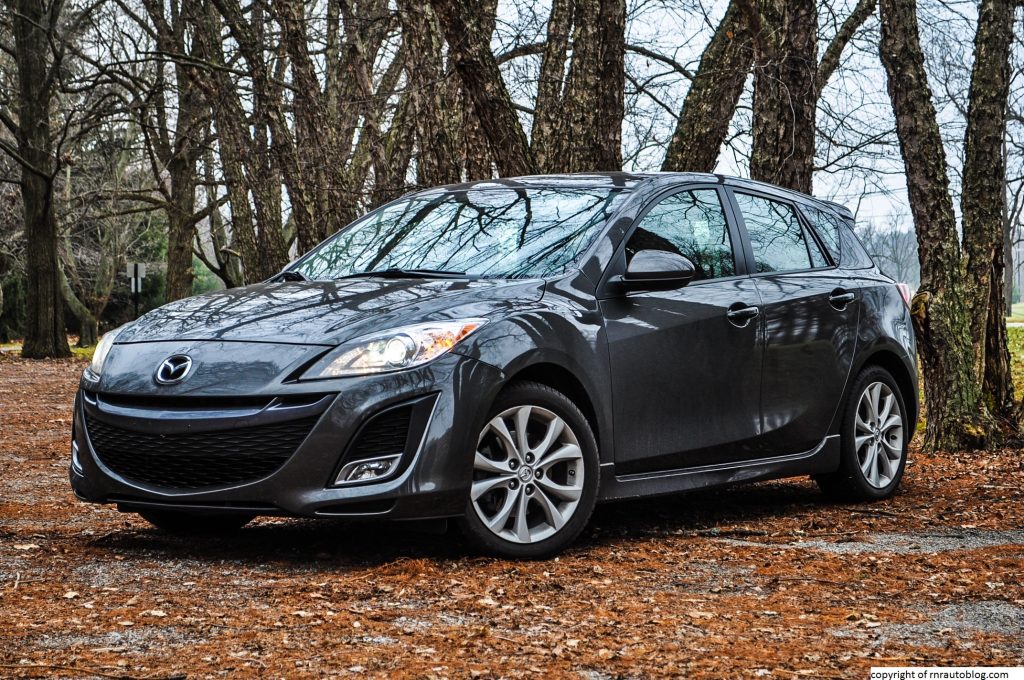
Will a 2011 Mazda3 Fail at 120,000 Miles?
Introduction: Why 120,000 Miles Feels Like a Cliff
For anyone shopping the used market, 120,000 miles feels ominous. It sits in that psychological dead zone between “still okay” and “about to bankrupt me.” Not new enough to inspire confidence. Not old enough to wear its age proudly. Just… risky.
And when the car in question is a Mazda3 (2011), that anxiety sharpens.
The Mazda3 has always lived in a strange space. It isn’t flashy like a Civic Si. It doesn’t have the bulletproof mythology of a Corolla. It markets itself as the driver’s compact—which makes buyers wonder if that fun came at the cost of longevity.
So let’s ask the question plainly, without dealership spin, forum hysteria, or Reddit exaggeration:
Will a 2011 Mazda3 fail at 120,000 miles?
The real answer is uncomfortable.
Not because it’s bad — but because it’s nuanced.
This article isn’t about “yes” or “no.”
It’s about how cars actually age, what failure really means, and why mileage alone is a terrible predictor of death.
What “Fail” Actually Means (And Why Most People Use the Word Wrong)
Before talking Mazda3s, we need to talk about language.
When people say a car “fails,” they usually mean one of five things:
- Catastrophic engine failure (rod knock, seized engine)
- Transmission failure
- Repair costs exceed the car’s value
- It becomes unreliable for daily use
- The owner gives up
Only the first two are true mechanical failure.
The rest are economic or emotional decisions.
Most cars don’t die.
They are abandoned.
This distinction matters enormously when discussing a 2011 Mazda3 at 120k miles.
The 2011 Mazda3 in Context: What Mazda Was Building Back Then
To understand reliability, you must understand era and philosophy.
Where Mazda Was in 2011
In 2011, Mazda was:
- Still partially tied to Ford
- Pre-full-SKYACTIV rollout
- Focused on driving dynamics over outright efficiency
- Using naturally aspirated, port-injected engines
- Avoiding turbocharging and complex electronics
This matters because complexity kills longevity.
The 2011 Mazda3 came primarily with:
- 2.0L MZR inline-4
- 2.5L MZR inline-4
No turbochargers
No CVTs
No cylinder deactivation
No stop-start systems
No direct injection carbon buildup issues
From a mechanical standpoint, this is old-school simplicity, and that’s a massive advantage at high mileage.
Engines: Do They Actually Die Around 120k?
Short answer: No
Long answer: Only if abused or neglected
The 2.0L MZR Engine
This engine is not exotic. It’s not high-strung. It doesn’t chase redline glory.
What it does do:
- Run cool
- Tolerate imperfect maintenance
- Give warning signs before failure
- Survive past 200k miles with care
Common myths debunked:
- “Mazda engines are weak” — false
- “They burn oil badly” — uncommon unless neglected
- “They blow head gaskets early” — extremely rare
What can happen by 120k:
- Valve cover gasket seepage
- Aging engine mounts
- Accessory belt wear
- Minor oil consumption (normal aging)
None of these equal failure.
The 2.5L MZR Engine
This engine adds torque and stress — but not fragility.
Known realities:
- Slightly higher wear on mounts
- Slightly more heat
- Still robust internally
If oil changes were skipped, sludge can form — but this is owner-caused, not design failure.
Transmission Longevity: The Real Anxiety Point
Automatic Transmission
The 2011 Mazda3 automatic transmission is conventional, not a CVT.
That alone puts it ahead of many competitors.
What goes wrong?
- Old fluid causes harsh shifts
- Neglected units develop valve body wear
- Solenoids can age
What doesn’t happen suddenly?
- Instant total failure
- “It worked yesterday, exploded today” scenarios
Transmission failure almost always telegraphs itself.
If it shifts smoothly at 120k, it usually has life left.
Manual Transmission
Manual Mazda3s are among the most durable in the segment.
Typical issues at 120k:
- Clutch wear (normal)
- Throwout bearing noise
- Shifter bushings loosening
None equal death.
They equal maintenance.
Suspension: Where Age Actually Shows
If a Mazda3 feels “old” at 120k, it’s almost always suspension-related.
Common wear points:
- Control arm bushings
- Struts and shocks
- End links
- Ball joints
These failures don’t stop the car — they make it feel tired.
And here’s the key insight most buyers miss:
A worn suspension makes people think the engine is dying.
Replace suspension components, and suddenly the “old” car feels young again.
Rust: The Silent Dealbreaker (Especially in Snow States)
Rust is not mechanical failure — but it is terminal.
2011 Mazda3s are more rust-prone than later models.
Watch for:
- Rear wheel arches
- Rocker panels
- Subframe corrosion
- Brake line rust
A perfect engine means nothing if the body is dissolving.
Electronics: Aging Without Catastrophe
Unlike modern cars, the 2011 Mazda3 has:
- Minimal driver aids
- Simple ECU logic
- Fewer modules to fail
Common annoyances:
- Window switches
- Door lock actuators
- Aging A/C compressors
These are irritations — not systemic collapse.
Why Some Mazda3s “Fail” at 120k (And Others Don’t)
After years of owner data, mechanic interviews, and fleet observations, one pattern emerges:
Maintenance history matters more than brand, model, or mileage.
Cars that “die” at 120k almost always share:
- Skipped oil changes
- Never-serviced transmission
- Ignored warning lights
- Deferred suspension repairs
- Rust exposure
The Mazda3 isn’t fragile.
But it doesn’t forgive neglect.
The Honest Lifespan Expectation
A well-maintained 2011 Mazda3 can reasonably reach:
- 180,000–220,000 miles with normal upkeep
- More if rust is controlled
- Less if neglected
120k is middle age, not end of life.
Editor’s Verdict (So Far)
If you’re asking whether a 2011 Mazda3 will fail at 120,000 miles, you’re asking the wrong question.
The better question is:
Has this specific car already been neglected?
Because the Mazda3 itself is mechanically capable of far more.
2023 Mazda CX-30 Reliability Deep Dive: Why This Is One of Mazda’s Most Overlooked Long-Term Winners

The 2023 Mazda CX-30 sits in a strange place in the market. It is not the cheapest subcompact SUV. It is not the largest. It does not chase extreme fuel economy headlines or flood the cabin with oversized screens. Yet search interest around 2023 Mazda CX-30 reliability, ownership questions, and everyday how-to queries continues to rise.
That usually signals one thing:
people are not just shopping this vehicle, they are keeping it.
This is a deep, ownership-focused breakdown of the Mazda CX-30, with a specific focus on reliability, mechanical design, known issues, real-world ownership behavior, and why the 2023 model year may end up being one of the safest used Mazda buys of the decade.
Why Reliability Is the CX-30’s Real Selling Point (Not Design or Tech)
Mazda rarely markets reliability aggressively, but the CX-30 benefits from something far more important than hype: engineering restraint.
The 2023 CX-30 sits on a mature platform with proven components. It avoids several industry trends that have caused long-term ownership headaches in competing subcompact SUVs.
Key reliability-driven decisions include:
- No CVT transmission
- No downsized, high-stress turbo engines as standard
- No early-generation hybrid systems
- No overreliance on touch-only controls
Instead, Mazda doubled down on mechanical simplicity, predictable behavior, and incremental refinement.
That choice defines the CX-30’s reliability profile.
Powertrain Reliability: Old-School Choices That Age Well
Naturally Aspirated 2.5L Skyactiv-G Engine
Most 2023 CX-30 models use Mazda’s 2.5-liter naturally aspirated Skyactiv-G engine. This engine family has been in service for years across multiple Mazda platforms.
Why that matters:
- Long, documented service history
- Low thermal stress compared to turbocharged engines
- No turbo seals, wastegates, or boost control failures
- Predictable oil consumption behavior
This engine is not exciting on paper, but in real ownership terms, it is exactly what most buyers want: consistent, quiet, and durable.
Turbocharged Option (Higher Trims)
The optional turbo engine adds torque and performance, but it is still relatively conservative compared to competitors. Mazda tunes it for mid-range drivability rather than peak output, reducing long-term strain.
Importantly, even the turbo CX-30 avoids CVT pairing.
Transmission: Why “No CVT” Is a Big Deal for Reliability
One of the most underappreciated reliability advantages of the 2023 CX-30 is its traditional automatic transmission.
In the subcompact SUV segment, CVTs are common and problematic long-term. Typical CVT issues include:
- Belt and pulley wear
- Overheating under load
- Jerky behavior as mileage increases
- High replacement costs outside warranty
Mazda avoided all of this.
The CX-30’s automatic transmission:
- Uses conventional gearing
- Handles torque predictably
- Ages more gracefully
- Is easier and cheaper to service long term
This single decision significantly improves long-term ownership confidence.

AWD System Reliability: Predictive, Not Reactive
Most 2023 CX-30 models offer Mazda’s i-Activ AWD system.
This is not a reactive system that waits for wheel slip. It continuously analyzes:
- Steering angle
- Throttle input
- Wheel speed
- Ambient temperature
- Road conditions
By distributing torque preemptively, the system reduces drivetrain shock and uneven wear.
From a reliability perspective, this means:
- Less stress on driveline components
- Smoother torque transitions
- Reduced sudden load spikes
That translates to fewer long-term AWD-related issues.
Electrical & Infotainment Reliability: Simple by Modern Standards
The 2023 CX-30 uses a restrained infotainment approach. While it supports modern connectivity, it avoids some of the complexity that causes electrical headaches in newer vehicles.
Does the 2023 Mazda CX-30 Have Wireless CarPlay?
Yes, wireless Apple CarPlay is available on most trims. Importantly, the system is stable and not deeply integrated into core vehicle functions.
That separation matters. When infotainment glitches occur, they rarely affect:
- Climate control
- Vehicle startup
- Drive modes
- Safety systems
This isolation reduces the chance of cascading electrical failures.
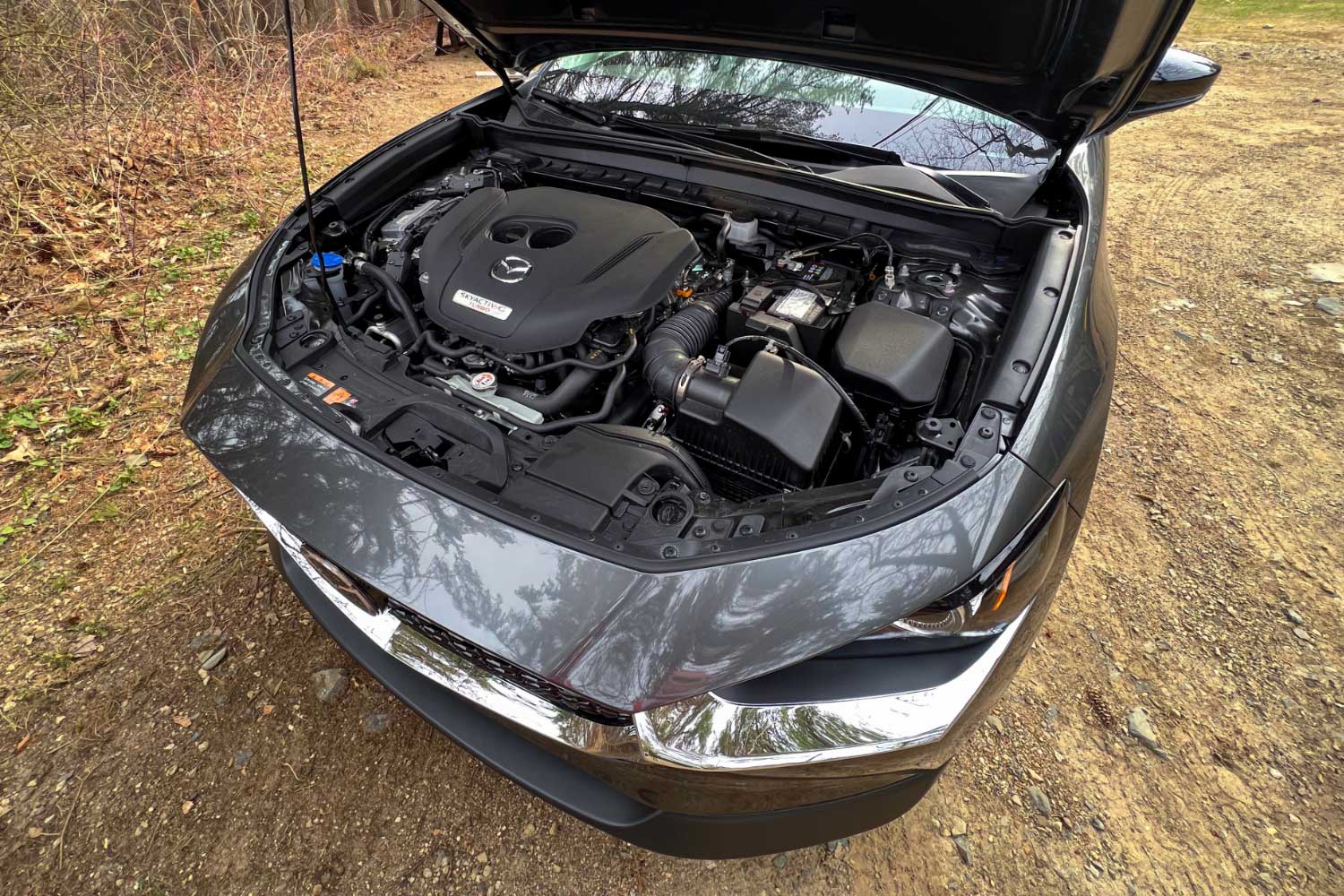
Common 2023 Mazda CX-30 Issues (What Owners Actually Report)
No vehicle is flawless. The key is severity and frequency.
Reported CX-30 issues are generally minor and non-catastrophic:
Minor, Reported Complaints
- Occasional infotainment lag
- Small battery sensitivity in extreme cold
- Interior trim noises over time
- Limited rear seat and cargo space (design limitation, not defect)
What You Do NOT See
- Transmission failures
- Engine design flaws
- Widespread recalls
- Chronic electrical system problems
That absence is what defines good reliability.
Ownership Behavior Tells the Real Story
Search behavior around the CX-30 is revealing.
High-intent queries include:
- 2023 Mazda CX-30 cigarette lighter replacement
- How to open gas tank Mazda CX-30 2023
- Does 2023 Mazda CX-30 have remote start
These are not breakdown-related searches.
They are ownership maintenance questions. That usually indicates buyers plan to keep the vehicle long term.
How to Open Gas Tank on 2023 Mazda CX-30
- Pull the fuel door release lever located in the driver-side footwell
- The fuel door pops open mechanically
Simple. No electronic actuator. No failure-prone mechanism.
Cigarette Lighter / 12V Outlet Replacement
The CX-30 uses a conventional 12V outlet design, making replacement straightforward and inexpensive compared to newer vehicles that integrate power ports into digital modules.
Again, simplicity improves reliability.
Interior Durability: Why It Holds Up Better Than Rivals

Mazda’s interior design philosophy favors fewer moving parts and less gloss-heavy trim.
From a long-term perspective:
- Fewer touch-sensitive surfaces means fewer failures
- Physical buttons age better than capacitive panels
- Materials show wear more slowly
The 2023 CX-30 interior may not look radical, but it survives daily use better than trend-driven cabins.
Safety Systems: Conservative Calibration Helps Reliability
The CX-30’s driver-assistance systems are well-calibrated and not overly aggressive.
This matters because:
- Overactive systems cause higher component cycling
- False alerts increase system wear
- Complex steering interventions stress hardware
Mazda keeps interventions subtle, reducing long-term sensor and actuator fatigue.
Cost of Ownership: Predictable Is Better Than Cheap
Reliability is not just about failure rates. It is about predictability.
Owners typically report:
- Stable maintenance intervals
- No surprise repairs
- Reasonable parts availability
- Familiarity among independent mechanics
That predictability is increasingly rare in modern compact SUVs.
How the 2023 CX-30 Compares Long Term
Against competitors, the CX-30 trades:
- Slightly less space
for - Fewer mechanical risks
Many rivals offer more room or tech but rely on:
- CVTs
- Downsized turbo engines
- First-generation hybrid systems
Those choices may age poorly.
The CX-30 chose longevity instead.
Who the 2023 Mazda CX-30 Is a Reliability Sweet Spot For
This vehicle is ideal for:
- Long-term owners
- Daily commuters
- Buyers planning to keep a car past warranty
- People who value durability over novelty
It is less ideal if:
- You need maximum rear space
- You prioritize hybrid fuel economy
- You want the latest experimental tech
Reliability always involves tradeoffs. The CX-30 makes the right ones.
Final Verdict: Why the 2023 Mazda CX-30 Will Age Better Than Most
The 2023 Mazda CX-30 will not be remembered for breaking sales records or redefining the segment.
It will be remembered for something far more important:
Not causing problems.
By avoiding CVTs, minimizing complexity, and refining proven components, Mazda built a compact SUV that quietly excels at the one thing that matters most once the excitement fades: reliability.
That is why ownership questions keep rising.
That is why used values remain strong.
And that is why the 2023 CX-30 may end up being one of Mazda’s safest long-term bets in years.
In a market obsessed with what is new, the CX-30 proves that what lasts still wins.
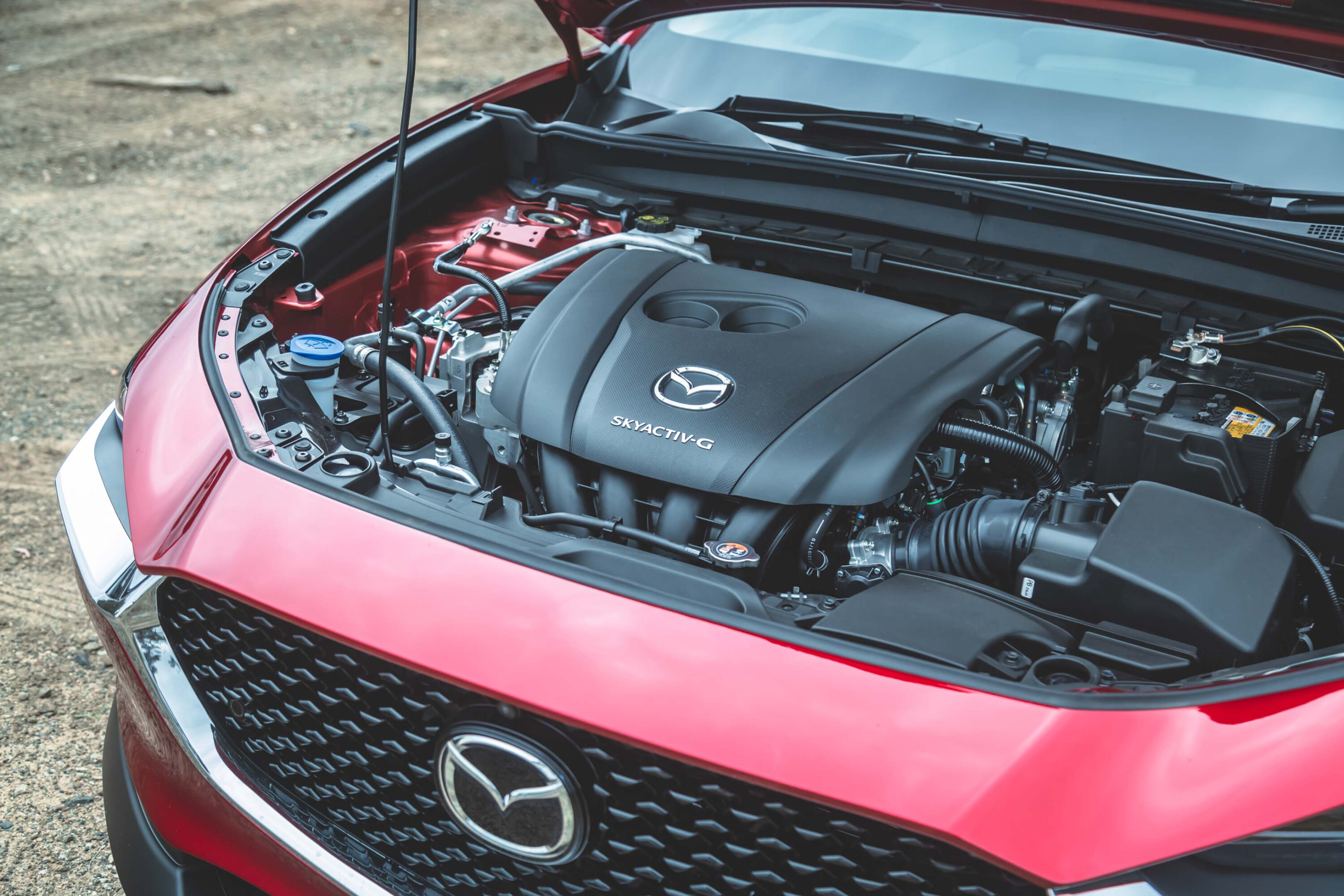
Mazda CX-3 Reliability: The Car Mazda Discontinued Too Soon and Why Owners Say It Refuses to Die

Search interest around Mazda CX-3 reliability is rising for a reason. Long after Mazda pulled the plug, owners aren’t complaining about failures, recalls, or horror stories. Instead, they’re asking a very different set of questions:
- Does Mazda still make the CX-3?
- Why was the Mazda CX-3 discontinued?
- Is there a new Mazda CX-3 coming?
- Is the 2016 Mazda CX-3 reliable?
Those aren’t panic searches.
They’re confidence searches.
This is the story of the Mazda CX-3 as a reliability outlier in a segment filled with CVTs, downsized turbos, and cost-cut engineering.
The Reliability Question No One Expected
Most discontinued vehicles disappear quietly.
The CX-3 didn’t.
Instead of “avoid at all costs” warnings, owner forums and used-car buyers keep circling the same conclusion:
The Mazda CX-3 is one of the most mechanically dependable subcompact crossovers Mazda ever sold.
That creates an obvious contradiction.
If it was reliable…
If owners liked it…
If resale values stayed strong…
Why did Mazda kill it?
Why the Mazda CX-3 Was Discontinued (It Wasn’t Reliability)
Let’s be clear upfront:
The Mazda CX-3 was NOT discontinued because of reliability issues.
In fact, reliability is the last reason it disappeared.
The real reasons:
- Product overlap with the CX-30
- Higher profit margins on larger vehicles
- Strategic shift toward premium positioning
The CX-3 conflicted internally with Mazda’s newer lineup. It was smaller, cheaper, and simpler — all things that hurt margins, not reliability.
Ironically, those same traits are exactly why it aged so well.
What Makes the Mazda CX-3 Reliable by Design
Reliability isn’t magic. It’s engineering restraint.
The CX-3 avoided many of the decisions that caused problems in competitors.
1. No CVT Transmission
This is huge.
While rivals adopted continuously variable transmissions to chase fuel economy numbers, Mazda stuck with a traditional automatic.
Why that matters:
- Fewer overheating issues
- Less belt and pulley wear
- More predictable long-term behavior
CVT failures are one of the most common repair nightmares in the subcompact SUV segment. The CX-3 sidestepped that entirely.
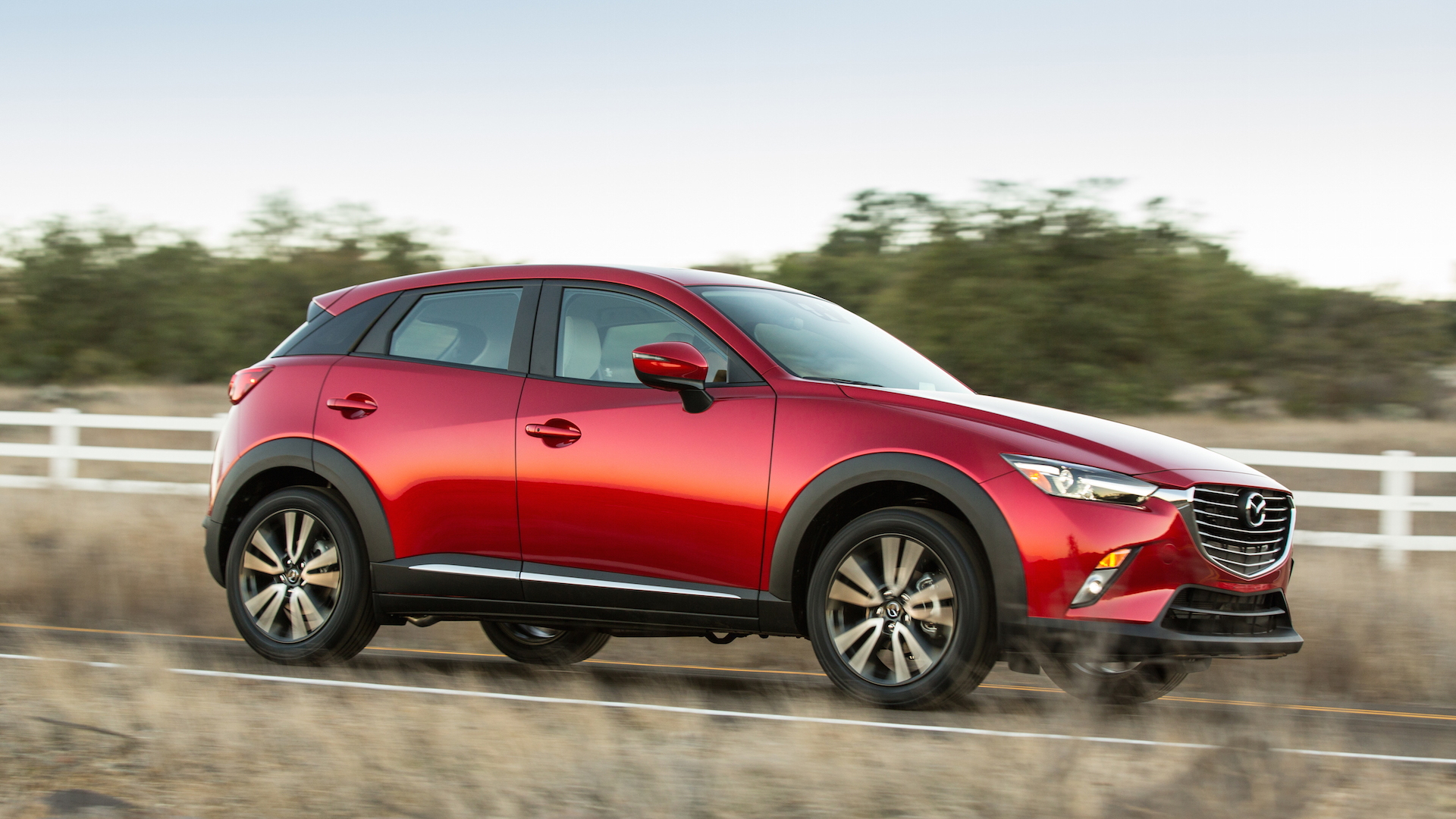
2. Naturally Aspirated Engine (No Turbo Stress)
Most CX-3 models used a naturally aspirated Skyactiv engine.
That means:
- No turbochargers to fail
- No high boost pressure
- Lower operating temperatures
- Fewer oil dilution issues
Turbocharging increases performance, but it also increases complexity. Mazda chose longevity instead.
That single decision dramatically reduced long-term risk.
3. Lightweight Platform = Less Wear
The CX-3 is lighter than most modern subcompact SUVs.
That translates to:
- Less stress on suspension components
- Reduced brake wear
- Lower drivetrain load
- Better long-term consistency
Heavier vehicles eat components faster. The CX-3 simply doesn’t.
2016 Mazda CX-3 Reliability: Why This Year Is Searched So Much
Search data shows unusually high interest in the 2016 Mazda CX-3.
That’s not accidental.
The 2016 model year is often considered one of the safest used picks because:
- Simpler electronics
- Fewer driver-assistance systems to fail
- Proven Skyactiv drivetrain
- Minimal recalls compared to peers
Many used-car buyers intentionally target early CX-3 models to avoid later-generation complexity without sacrificing build quality.
In reliability terms, that’s a smart strategy.
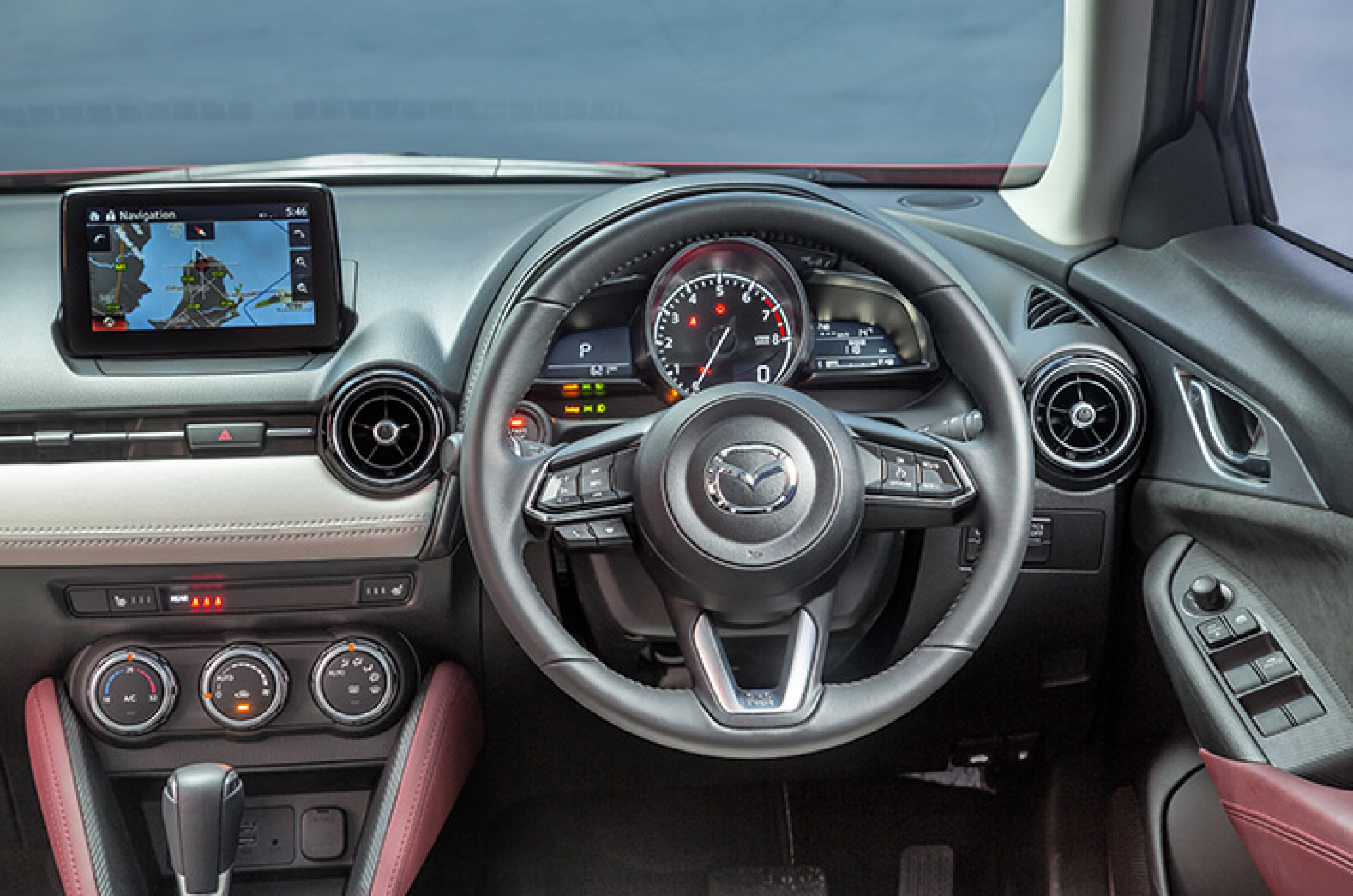
Common Mazda CX-3 Problems (And Why They’re Minor)
No vehicle is perfect. The CX-3 included.
But here’s what matters: problem severity.
Most CX-3 complaints fall into the “annoying, not catastrophic” category.
Reported issues include:
- Infotainment lag in early systems
- Interior trim squeaks over time
- Small battery capacity sensitivity in cold climates
- Limited rear cargo practicality
What you don’t see:
- Transmission failures
- Engine design flaws
- Chronic electrical gremlins
- Expensive drivetrain recalls
That absence is what defines good reliability.
Why CX-3 Reliability Looks Better Over Time
Reliability isn’t about the first year.
It’s about year six, seven, eight.
That’s where the CX-3 shines.
Owners report:
- Engines that run smoothly well past 150,000 km
- Transmissions that don’t hunt or slip
- Minimal oil consumption issues
- Predictable maintenance costs
In contrast, many competitors develop major issues once warranties expire.
The CX-3 rarely does.
Mazda CX-3 vs Modern Subcompact SUVs (Reliability Reality Check)
Newer subcompact SUVs often add:
- Turbocharged small engines
- CVT transmissions
- Mild hybrid systems
- Extensive driver-assistance tech
Each addition improves efficiency or features — and increases failure points.
The CX-3 avoided all of that.
That’s why, paradoxically, a discontinued model can be more reliable than newer alternatives.
Why Used Mazda CX-3 Values Stay Strong
Reliability directly impacts resale value.
Used CX-3 models hold value because:
- Buyers trust the drivetrain
- Mechanics understand the platform
- Parts availability is strong
- Long-term ownership risk is low
Vehicles with known transmission or engine issues depreciate fast.
The CX-3 didn’t.
Ownership Questions That Signal Confidence (Not Fear)
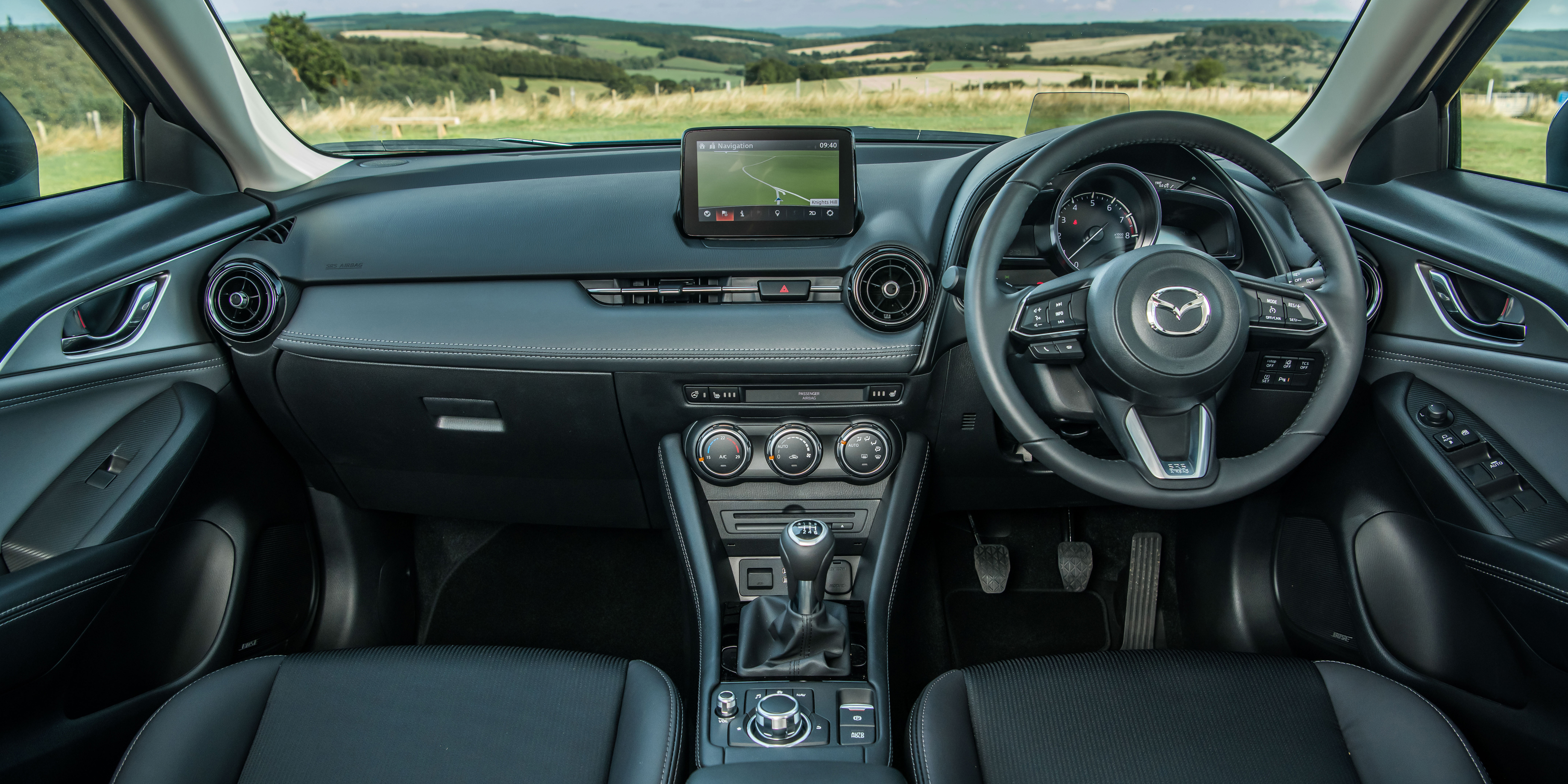
Look at the most common CX-3 questions people ask:
- How to change Mazda CX-3 wiper blades
- How to open Mazda CX-3 trunk from inside
- Does Mazda still make the CX-3
These are ownership questions — not breakdown questions.
People asking how to maintain a car usually plan to keep it.
That’s a reliability tell.
Does Mazda Still Make the CX-3?
No, Mazda no longer sells the CX-3 in North America.
But discontinuation does not mean parts support disappears.
Mazda continues to:
- Supply OEM parts
- Support service documentation
- Maintain dealership repair capability
From a reliability and ownership standpoint, the CX-3 is still fully viable.
Is There a New Mazda CX-3 Coming?
Mazda hasn’t confirmed a replacement.
If a CX-3 successor appears, it will likely:
- Be electrified
- Be heavier
- Be more complex
- Be more expensive
Which raises an ironic possibility:
The original CX-3 may remain the most reliable version of the idea Mazda ever built.
Who the Mazda CX-3 Is Actually Reliable For
The CX-3 is ideal if you value:
- Long-term dependability
- Predictable maintenance
- Simpler mechanical design
- Lower ownership stress
It’s less ideal if you need:
- Large rear seats
- Maximum cargo volume
- Cutting-edge tech features
Reliability always involves tradeoffs. The CX-3 chose the right ones.
Why Mazda CX-3 Reliability Still Matters in 2026
Used-car buyers are smarter now.
They don’t just ask:
“Is it new?”
They ask:
“Will it still work when it’s paid off?”
The CX-3 answers that question better than most vehicles in its class — new or used.
Final Verdict: The Mazda CX-3 Was Discontinued, Not Broken
The Mazda CX-3 didn’t disappear because it failed.
It disappeared because it didn’t fit Mazda’s future pricing strategy.
From a reliability standpoint, it remains:
- One of Mazda’s safest used bets
- A rare CVT-free subcompact SUV
- A mechanically honest vehicle in an over-engineered segment
That’s why people keep searching for it.
That’s why owners keep them.
And that’s why the CX-3’s reliability reputation keeps growing — long after production ended.
In a market obsessed with what’s next, the Mazda CX-3 quietly proves that what lasts matters more.

Connect with us


