

Mazda Quietly Killed the CX-3 Here’s the Real Reason (and Why Used Ones Are Suddenly in Demand)

Why is everyone suddenly looking for a car that Mazda no longer sells?
The answer isn’t nostalgia.
It’s regret, market timing, and a gap Mazda accidentally created.
This is the untold story of the Mazda CX-3—why it was discontinued, whether it’s coming back, and why buyers are hunting for used CX-3 models more aggressively than ever.
What Was the Mazda CX-3, Really?
The Mazda CX-3 was Mazda’s entry-level subcompact crossover, positioned below the CX-30 and CX-5. It blended:
- Car-like driving dynamics
- Compact exterior dimensions
- Raised ride height
- Mazda’s premium interior philosophy
Introduced mid-decade, it was aimed squarely at urban drivers who wanted SUV styling without SUV bulk.
In many ways, it was ahead of its time.
Why the Mazda CX-3 Was Discontinued (The Real Reason)
Let’s address the top-searched question directly:
Why was the Mazda CX-3 discontinued?
It wasn’t because it was unreliable.
It wasn’t because it sold poorly worldwide.
And it definitely wasn’t because buyers hated it.
The CX-3 was discontinued primarily due to product overlap and margin strategy.
Here’s what happened:
- Mazda introduced the CX-30, which sat between the CX-3 and CX-5
- The CX-30 offered more space, more features, and higher profit margins
- Keeping both models caused internal competition
- Mazda chose the vehicle that made more money per unit
In short, the CX-3 was too good for its price point.
Mazda didn’t kill it because it failed.
Mazda killed it because it conflicted with a more profitable successor.
Does Mazda Still Make the CX-3?
Another high-volume query:
Does Mazda still make the CX-3?
No — at least not in North America.
Mazda officially discontinued the CX-3 in the U.S. and Canada after the 2021 model year. However, the story doesn’t end there.
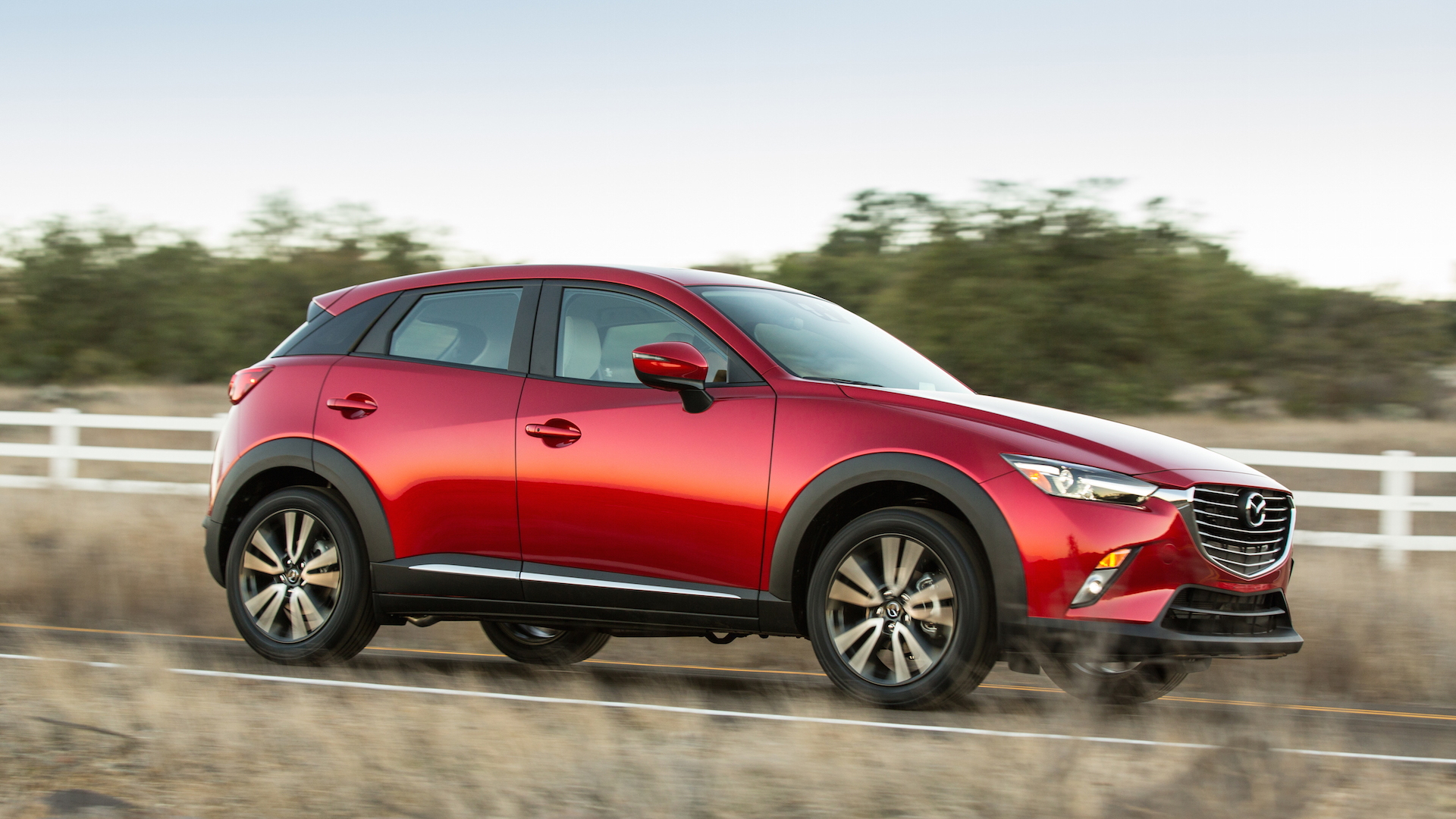
The CX-3 continued in select global markets for several years afterward, especially where:
- Smaller vehicles dominate
- Fuel costs are higher
- Urban density favors compact dimensions
That global continuation is one reason rumors about a CX-3 return keep resurfacing.
Is There a New Mazda CX-3 Coming?
This is where speculation gets interesting.
Is there a new Mazda CX-3 coming?
As of now, Mazda has not officially confirmed a next-generation CX-3 for North America.
However, industry signals suggest:
- Mazda recognizes renewed demand for smaller crossovers
- Rising fuel prices and urban congestion favor compact vehicles
- Buyers are pushing back against oversized SUVs
Instead of reviving the CX-3 nameplate directly, Mazda appears to be:
- Repositioning the CX-30
- Expanding hybrid and electrified offerings
- Watching market response carefully
A future CX-3 revival would likely be:
- Electrified
- More premium
- Positioned carefully to avoid cannibalizing other models
In other words, if it comes back, it won’t be the same CX-3.
Why Used Mazda CX-3 Models Are Suddenly Popular
Here’s the part nobody expected.
After discontinuation, CX-3 search volume didn’t drop.
It climbed.
Why?
Because the CX-3 occupies a size category that’s now underserved:
- Smaller than CX-30
- Easier to park than CX-5
- More engaging to drive than most subcompact SUVs
- Less expensive than newer alternatives
For urban drivers, first-time buyers, and downsizers, the CX-3 suddenly looks like the right-sized crossover everyone stopped making.
The 2016 Mazda CX-3: Why This Year Still Gets Searched
Search data shows strong interest in:
- 2016 Mazda CX-3
- 2016 Mazda CX-3 crossover
That’s no coincidence.
The 2016 model year marked:
- Early availability
- Simpler electronics
- Lighter curb weight
- Proven naturally aspirated drivetrain
Many buyers specifically target early CX-3 models because they avoid later complexity while retaining Mazda’s core driving DNA.
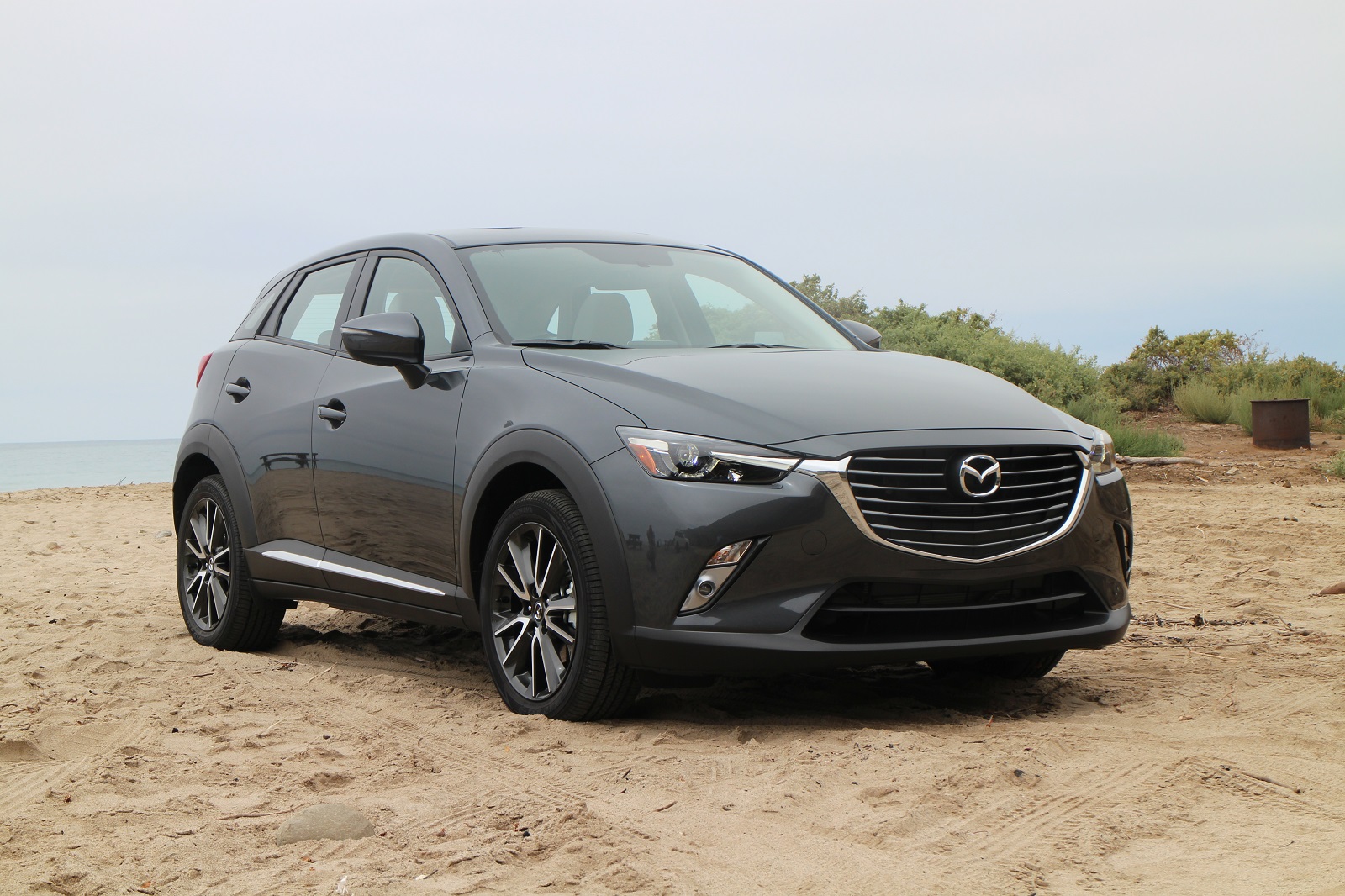
Driving Experience: Why CX-3 Owners Still Miss It
The CX-3 drove like a Mazda first and a crossover second.
Key traits owners still praise:
- Direct steering
- Minimal body roll
- Predictable throttle response
- Tight chassis feel
Compared to newer subcompact SUVs, the CX-3 feels:
- Less isolated
- Less floaty
- More connected
It didn’t try to be rugged.
It didn’t try to be luxurious.
It simply drove well.
That alone makes it stand out in today’s market.
Interior: Small but Surprisingly Premium
Mazda applied the same interior philosophy used in larger models:
- Clean dashboard layout
- High-quality materials for the class
- Minimal clutter
- Driver-focused ergonomics
While rear-seat space was limited, front-seat comfort was excellent, especially for commuters.
For many buyers, that tradeoff was worth it.
Common CX-3 Ownership Questions (Answered)
How to change Mazda CX-3 wiper blades
The CX-3 uses standard hook-style wiper arms. Replacement is straightforward:
- Lift the wiper arm away from the windshield
- Press the release tab
- Slide the blade off
- Attach the new blade until it clicks
No tools required.
How to open Mazda CX-3 trunk from inside
The CX-3 does not include an interior trunk release lever. Access is via:
- Key fob
- Exterior tailgate button
This is common for vehicles in this class and era.
CX-3 vs Modern Alternatives: Why Some Buyers Still Prefer It
Compared to newer subcompact SUVs, the CX-3 offers:
- Lower weight
- Simpler mechanicals
- More direct driving feel
- Fewer digital distractions
Newer competitors may offer:
- More space
- Larger screens
- Advanced driver assistance
But not everyone wants that tradeoff.
That’s why used CX-3 values remain stable despite age.
The CX-3’s Biggest Weakness (And Why It Didn’t Kill It)
Let’s be fair.
The CX-3 wasn’t perfect.
Its biggest drawback was rear-seat and cargo space.
For families with car seats, it was tight.
For road trips with four adults, it was limiting.
But for:
- Solo drivers
- Couples
- City commuters
It was more than enough.
Mazda didn’t discontinue it because it was bad.
They discontinued it because they changed priorities.
Why the CX-3 Feels “Right” Again in 2026
The market shifted.
- SUVs got bigger
- Prices went up
- Fuel costs increased
- Cities got denser
Suddenly, the CX-3’s size makes sense again.
That’s why people keep searching:
- “Does Mazda still make the CX-3?”
- “Is there a new CX-3 coming?”
- “Why was the CX-3 discontinued?”
They’re not asking out of curiosity.
They’re asking because they want one.
Final Verdict: The Mazda CX-3 Was Killed Too Early
The Mazda CX-3 didn’t fail the market.
The market failed to appreciate it in time.
Today, it represents:
- A rare blend of compact size and real driving feel
- Mazda’s pre-overengineering era
- A reminder that bigger isn’t always better
That’s why used CX-3 listings don’t sit long.
That’s why search interest keeps rising.
And that’s why Mazda may eventually bring something like it back.
Until then, the CX-3 remains one of Mazda’s most quietly missed vehicles — and one of the smartest used crossover buys for drivers who know exactly what they want.
People Keep Trading In Their “New” SUVs and Buying the 2025 Mazda CX-5 Instead. Here’s the Regret No One Talks About
Buyers arrive in nearly new compact SUVs. One, two, sometimes three years old. Fully loaded. Big screens. Hybrid badges. Fancy trims. On paper, they did everything “right.”
And yet, they’re getting rid of them.
What do they replace them with?
Not the newest thing.
Not the flashiest redesign.
Not the most futuristic option.
They’re buying the Mazda CX-5 — specifically the 2025 model.
That shouldn’t make sense.
But it does once you understand the mistake many modern SUV buyers make.
The SUV Market Sold People the Wrong Dream
For the past decade, compact SUVs have been marketed like tech products.
Bigger screens.
More features.
More complexity.
More “innovation.”
What rarely gets mentioned is what happens after the excitement fades.
Six months in, the novelty wears off.
A year in, the annoyances surface.
Two years in, ownership fatigue sets in.
The 2025 CX-5 exists because Mazda designed against that outcome.
It wasn’t engineered to impress on delivery day.
It was engineered to avoid regret.
Why Newer SUVs Feel Old Faster Than the CX-5
Here’s the uncomfortable truth most buyers discover too late:
Trendy design ages quickly. Solid design doesn’t.
Many newer SUVs already feel dated because they were designed around extremes:
- Overstyled exteriors tied to short-term trends
- Interiors dominated by screens that already feel obsolete
- Glossy materials that show wear immediately
- Touch-only controls that become frustrating in daily use
The CX-5 avoided all of that.
Its design didn’t chase the future. It respected fundamentals.
That’s why a 2025 CX-5 still looks expensive, restrained, and intentional — even next to vehicles launched years later.
The Interior Mistake Buyers Don’t Notice Until It’s Too Late
Most compact SUVs look impressive inside for about ten minutes.
Then reality sets in.
- Touch-sensitive climate controls that require menu digging
- Piano-black trim that scratches if you look at it wrong
- Seats that feel fine in the showroom but punish you on long drives
- Dashboards designed for photos, not ergonomics
The CX-5’s interior was designed with a different priority: low cognitive load.
Everything is where your hands expect it to be.
Buttons feel mechanical.
Materials age well.
The cabin stays visually calm.
You don’t “learn” the CX-5 interior.
You simply use it.
That’s why owners don’t get tired of it.
Why the CX-5 Feels Better After a Year (Not Worse)
Most vehicles peak emotionally early.
The CX-5 does the opposite.
The steering feel becomes familiar.
The suspension behavior builds trust.
The power delivery stays predictable.
Nothing starts to feel annoying or gimmicky.
That’s because Mazda tuned this SUV like a long-term tool, not a short-term dopamine hit.
Many owners report liking the CX-5 more over time — something rarely said about modern crossovers.
The Engine Choice That Saved Owners From Buyer’s Remorse
In a market flooded with CVTs, experimental turbo setups, and early-generation hybrid systems, Mazda made a controversial choice:
It stayed conservative.
The 2025 CX-5 offers:
- A naturally aspirated engine built for longevity
- An optional turbo engine tuned for real-world torque
- A traditional automatic transmission
No CVT pretending to be sporty.
No laggy complexity.
No unpredictable behavior.
This matters because drivetrain regret is the fastest way to sour ownership.
The CX-5 avoids it entirely.
AWD That Prevents Stress Instead of Creating It
Many buyers don’t realize how reactive AWD systems work until they need them.
Slip first.
Correction later.
Mazda’s i-Activ AWD works differently. It anticipates traction loss by monitoring driver inputs and road conditions before anything goes wrong.
That’s why the CX-5 feels calm in rain, snow, and uneven pavement — without demanding attention or intervention.
It doesn’t make driving exciting.

The Driving Quality That Makes Other SUVs Feel Disposable
Here’s why many people trade out of newer SUVs:
They don’t trust them at speed.
Floaty suspension.
Vague steering.
Over-boosted brakes.
Disconnected throttle response.
The CX-5 avoids all of that.
It feels planted.
It responds predictably.
It communicates grip.
It doesn’t surprise you.
You don’t feel like you’re piloting software.
You feel like you’re driving a machine.
That difference is subtle at first — and impossible to ignore once noticed.
Why Screens Became a Liability (and CX-5 Owners Are Relieved)
Oversized displays were sold as progress.
In practice, they introduced:
- Glare
- Fingerprints
- Lag
- Distraction
- Long-term replacement anxiety
Mazda’s rotary-controller infotainment system now looks less like resistance and more like foresight.
You can operate it without looking.
You don’t need to reach forward.
You don’t rely on software updates for basic functions.
Owners don’t talk about it because it doesn’t bother them.
That’s the point.
The Ownership Phase Nobody Advertises
Marketing stops once the sale is done.
Ownership doesn’t.
This is where the CX-5 quietly outperforms:
- Stable fuel economy year-round
- Predictable maintenance costs
- Strong resale value
- Familiarity for service technicians
- Fewer “first-gen” surprises
Many newer SUVs feel exciting but exhausting.
The CX-5 feels boring in the best possible way.
Why the CX-5 Keeps Stealing Buyers From “Better” SUVs
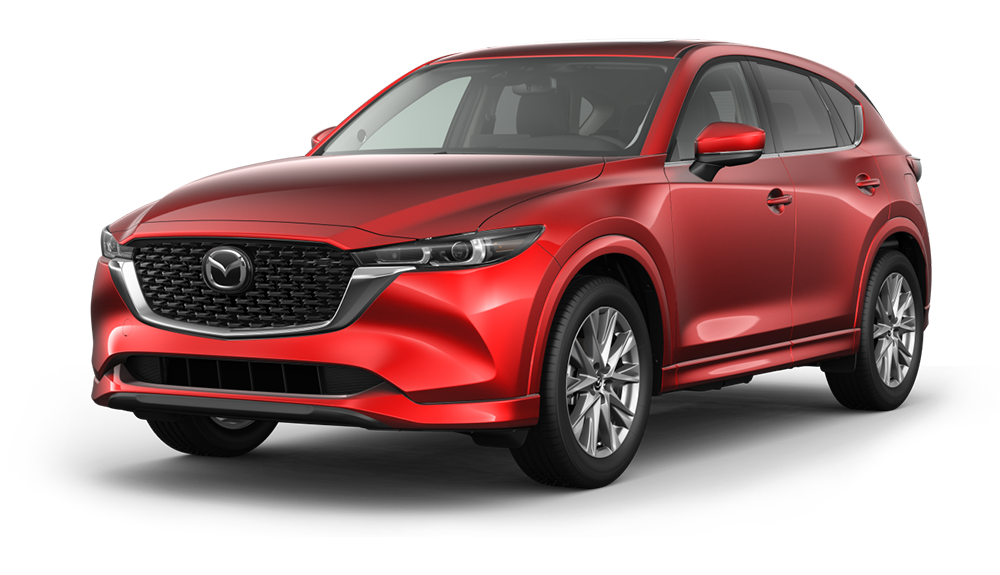
Because many buyers now prioritize:
- Reliability over novelty
- Driving feel over screen size
- Long-term comfort over showroom impact
- Confidence over complexity
The CX-5 doesn’t win comparisons by being extreme.
It wins by being complete.
Who the 2025 CX-5 Is Actually For (and Who It Isn’t)
This SUV is not for:
- People chasing trends
- Early adopters of unproven tech
- Buyers who replace vehicles every two years
It is for:
- Long-term owners
- Commuters who drive daily
- Families who value predictability
- Drivers who notice how a vehicle behaves, not just how it looks
That audience is quieter — and far more loyal.
Final Take: The CX-5 Is the SUV People Buy After They Learn the Hard Way
The 2025 Mazda CX-5 doesn’t win because it’s new.
It wins because it’s finished.
Finished being refined.
Finished being balanced.
Finished being engineered for real life.
Many SUVs look better on paper.
Many feel more exciting for a week.
Very few still feel right years later.
That’s why people keep trading in their “better” SUVs — and driving away in a CX-5 instead.
Not because it’s trendy.
Because it avoids regret.
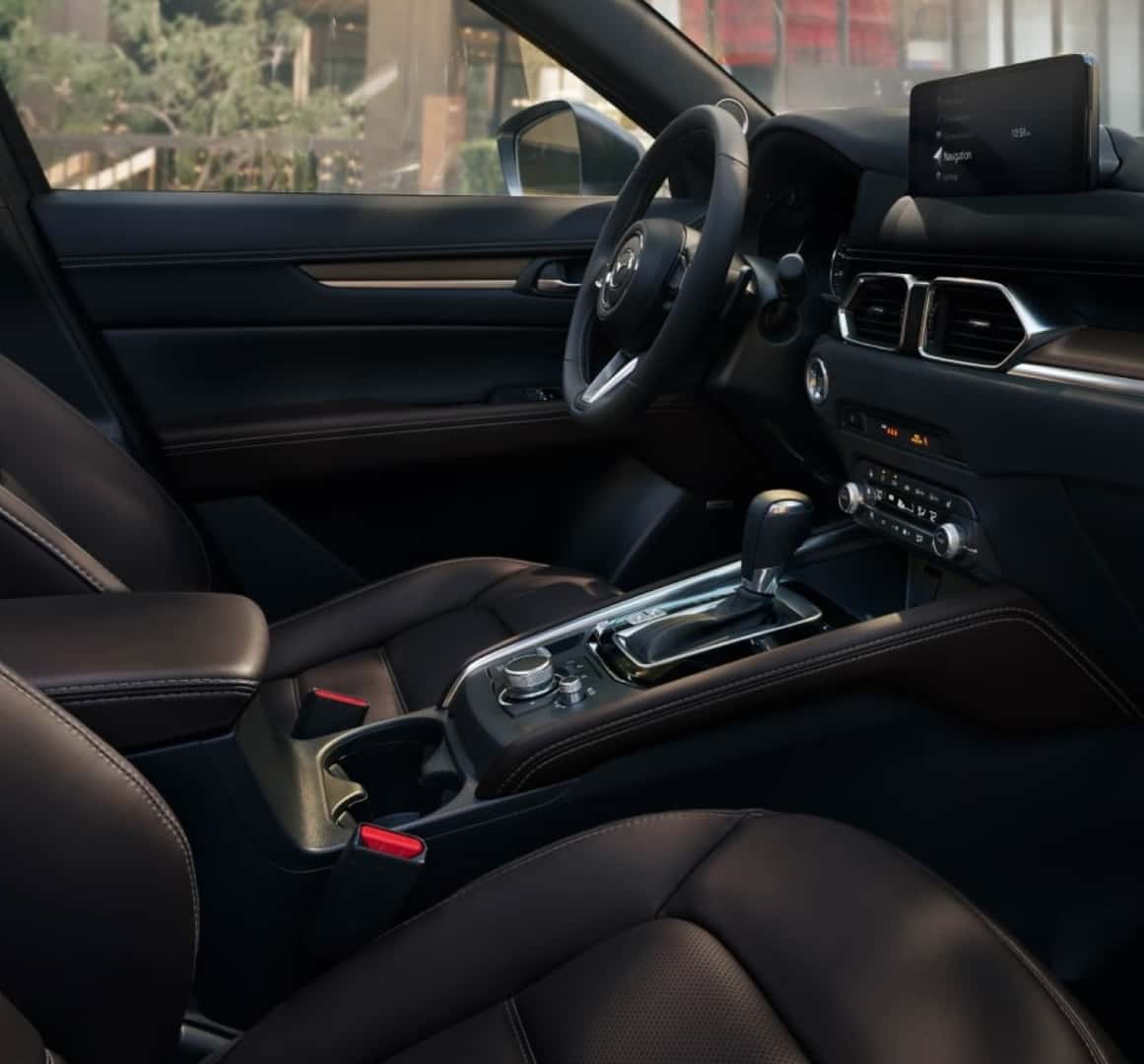
Everyone’s Waiting for the “All-New” SUV — The 2025 Mazda CX-5 Quietly Exposes Why That’s a Mistake
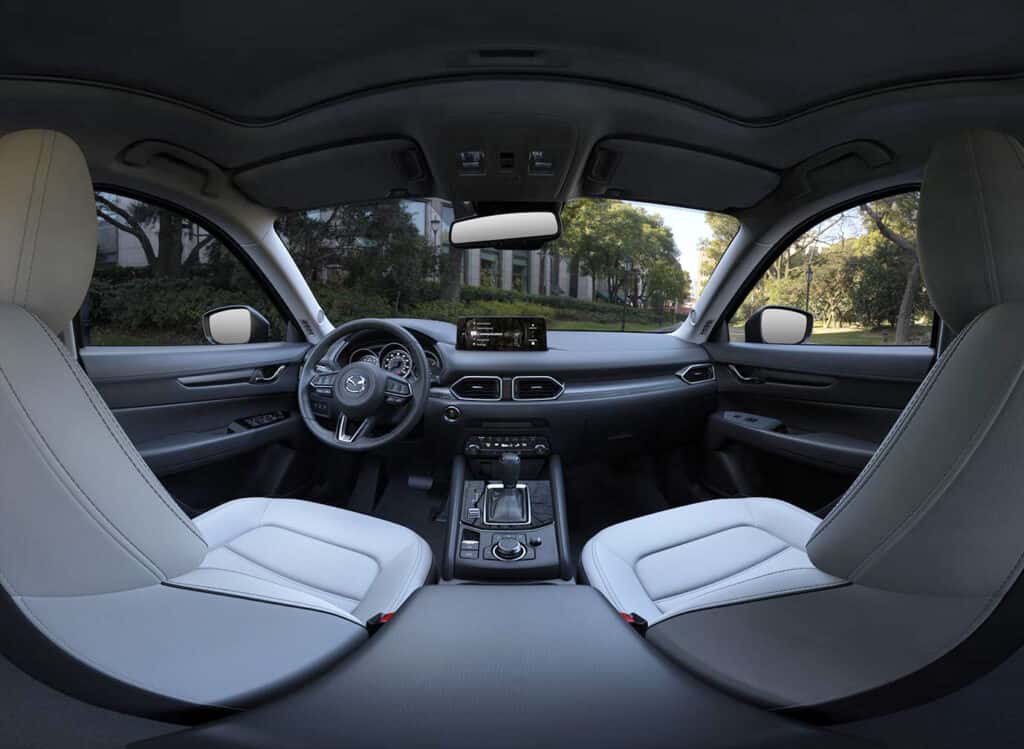
There’s a strange phenomenon happening in the compact SUV market right now.
Buyers keep saying they want the newest thing. Bigger screens. New platforms. Hybrid badges. Radical redesigns. But when it comes time to actually sign the paperwork, a surprising number of them walk straight past the flashy newcomers and buy the same vehicle they’ve been told is “due for replacement.”
That vehicle is the Mazda CX-5.
The 2025 Mazda CX-5 shouldn’t still be this relevant. On paper, it lacks the buzzwords dominating automotive headlines. Yet in the real world, it keeps winning buyers who care less about novelty and more about how a vehicle actually behaves after the first six months of ownership.
This isn’t an accident. It’s a quiet correction to where the SUV market went wrong.
The Compact SUV Market Has a Problem — and the CX-5 Isn’t Part of It
Modern compact SUVs suffer from an identity crisis.
They’re taller than cars but don’t drive like SUVs. They’re packed with technology that ages quickly. They promise “sporty” handling but feel numb. And many rely on complex powertrains that look great in marketing slides but introduce long-term ownership risk.
The 2025 CX-5 goes against all of that.
Instead of asking, “What will look impressive on launch day?” Mazda asked a more dangerous question:
“What will still feel good after five years?”
That mindset explains nearly every decision baked into this vehicle.
Design That Doesn’t Beg for Attention (and That’s the Point)
While competitors pile on styling elements to signal “newness,” the CX-5’s design philosophy is restraint.
The proportions are balanced.
The surfaces are clean.
The detailing is subtle.
For 2025, Mazda didn’t chase shock value. It refined what already worked:
- Cleaner lighting signatures
- Improved wheel designs
- Minor trim-level visual distinctions
- Paint finishes that highlight body curvature instead of sharp creases
This is a vehicle that looks more expensive than it is — not because it’s loud, but because it’s confident.
And confidence ages far better than trends.
Why the Interior Feels Better Than SUVs That Cost More
Sit inside the CX-5 after driving newer competitors and something becomes obvious very quickly.
This cabin wasn’t designed around a screen.
It was designed around a human.
Mazda’s interior execution prioritizes:
- Natural hand placement
- Logical button spacing
- Minimal visual clutter
- Material quality where you touch it most
Soft-touch surfaces dominate the dash and door panels. Stitching is genuine. The seats are shaped for long-distance comfort, not just showroom appeal.
Most importantly, the driving position feels right. Not artificially tall. Not car-low. Just balanced.
This is one of the few compact SUVs where you don’t need time to “adjust” to the cockpit. It feels intuitive immediately.
The Anti-Trend Infotainment Decision That Paid Off
Mazda’s refusal to fully embrace touchscreen-only infotainment has aged better than anyone expected.
In the 2025 CX-5, the rotary controller still handles most functions. Critics once called it outdated. Owners call it sensible.
Why?
- You don’t have to lean forward while driving
- You don’t hunt through menus mid-turn
- You don’t smudge the display constantly
- You can operate it by feel alone
Wireless smartphone integration is available, but Mazda keeps the screen as a tool, not the centerpiece of the cabin.
This is infotainment designed for driving — not for showing passengers how modern you are.
Powertrains Built for Ownership, Not Headlines
The CX-5 doesn’t try to win spec-sheet wars.
Instead, it wins trust.
Naturally Aspirated Engine: The Long Game
Mazda’s base engine choice prioritizes predictability and longevity. No sudden torque spikes. No artificial throttle mapping. Just smooth, linear response.
This matters because:
- Power delivery stays consistent over time
- Maintenance complexity remains low
- Real-world fuel economy is dependable
Turbocharged Option: Real Performance, Not Drama
The turbo CX-5 doesn’t shout about speed, but the moment you merge onto a highway, you feel the difference.
Strong mid-range torque. Effortless passing. No frantic downshifts.
And crucially, it pairs with a traditional automatic transmission — not a CVT pretending to be sporty.
That decision alone makes the CX-5 feel mechanically honest in a segment full of compromises.

AWD That Works Before You Need It
Mazda’s i-Activ AWD system is predictive, not reactive.
Instead of waiting for wheel slip, it constantly analyzes:
- Steering angle
- Throttle input
- Wheel speed
- Temperature
- Road conditions
It distributes torque before traction loss occurs.
That’s why the CX-5 feels composed in bad weather without advertising itself as an off-road machine.
This isn’t lifestyle AWD.
It’s functional AWD.
The Driving Experience Everyone Else Forgot About
Here’s the uncomfortable truth for the segment:
Most compact SUVs are engineered to isolate drivers, not engage them.
The CX-5 refuses to do that.
Steering feedback is present.
Body control is disciplined.
Weight transfer feels predictable.
You don’t drive around this SUV.
You drive with it.
Mazda’s suspension tuning avoids the floaty softness common in competitors. The result is confidence at speed without sacrificing comfort on rough roads.
It’s the difference between “comfortable” and “controlled.”
Why Real-World Fuel Economy Beats Brochure Numbers
Some rivals advertise slightly better ratings.
Owners often report the opposite experience.
The CX-5 delivers consistency:
- Predictable highway efficiency
- Minimal winter penalties
- No dramatic AWD fuel loss
- Stable long-term averages
This matters because fuel economy isn’t about best-case scenarios. It’s about what happens when traffic, weather, and real driving intervene.
Safety That Doesn’t Fight the Driver
Mazda’s safety systems feel like a co-pilot, not a supervisor.
Lane assistance nudges, not yanks.
Alerts inform, not panic.
Interventions feel deliberate, not aggressive.
This tuning philosophy prevents driver fatigue — something many overactive systems unintentionally cause.
Safety should reduce stress.
The CX-5 actually does.
Practicality Without Overpromising
Cargo space is well-shaped and usable.
Rear seats fold flat.
Lift-over height is low.
Is it the biggest in the class?
No.
Is it intelligently designed?
Absolutely.
Mazda didn’t sacrifice driving dynamics just to inflate cubic-foot numbers, and most owners never miss what they don’t use.
Why Reliability Is the CX-5’s Hidden Weapon
The 2025 CX-5 benefits from something rare in today’s market: platform maturity.
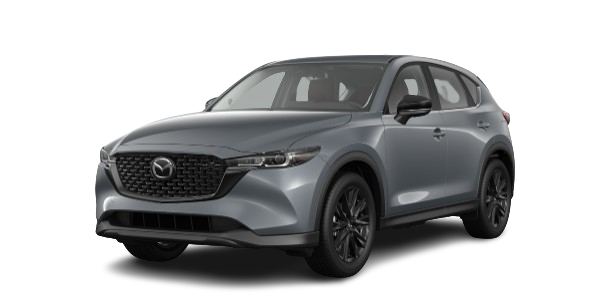
That means:
- Known service intervals
- Established repair data
- Proven components
- Fewer experimental systems
While others rush new tech to market, Mazda refines what already works.
Over time, that restraint saves money, frustration, and resale value.
Who the 2025 CX-5 Is Actually For
This SUV isn’t for buyers chasing trends.
It isn’t for those who replace vehicles every two years.
It isn’t for people who value screens over steering feel.
It’s for:
- Long-term owners
- Drivers who care about feel
- Buyers who value build quality
- People who plan to keep their vehicle past the warranty
That audience may be quieter, but it’s growing.
Final Verdict: The CX-5 Isn’t Old — the Market Just Grew Up
The 2025 Mazda CX-5 exposes an uncomfortable truth:
New doesn’t always mean better.
While others chase reinvention, Mazda refined execution. While competitors added complexity, Mazda added polish. While the segment chased hype, the CX-5 focused on ownership reality.
It doesn’t need a redesign to stay relevant.
It needs drivers who know what actually matters after the excitement fades.
And that’s why, despite everything the market says should have replaced it, the CX-5 continues to win where it counts: real people, real roads, real ownership.
The 2025 Mazda CX-5 Isn’t Supposed to Be This Good Here’s Why It Still Embarrasses Newer SUVs
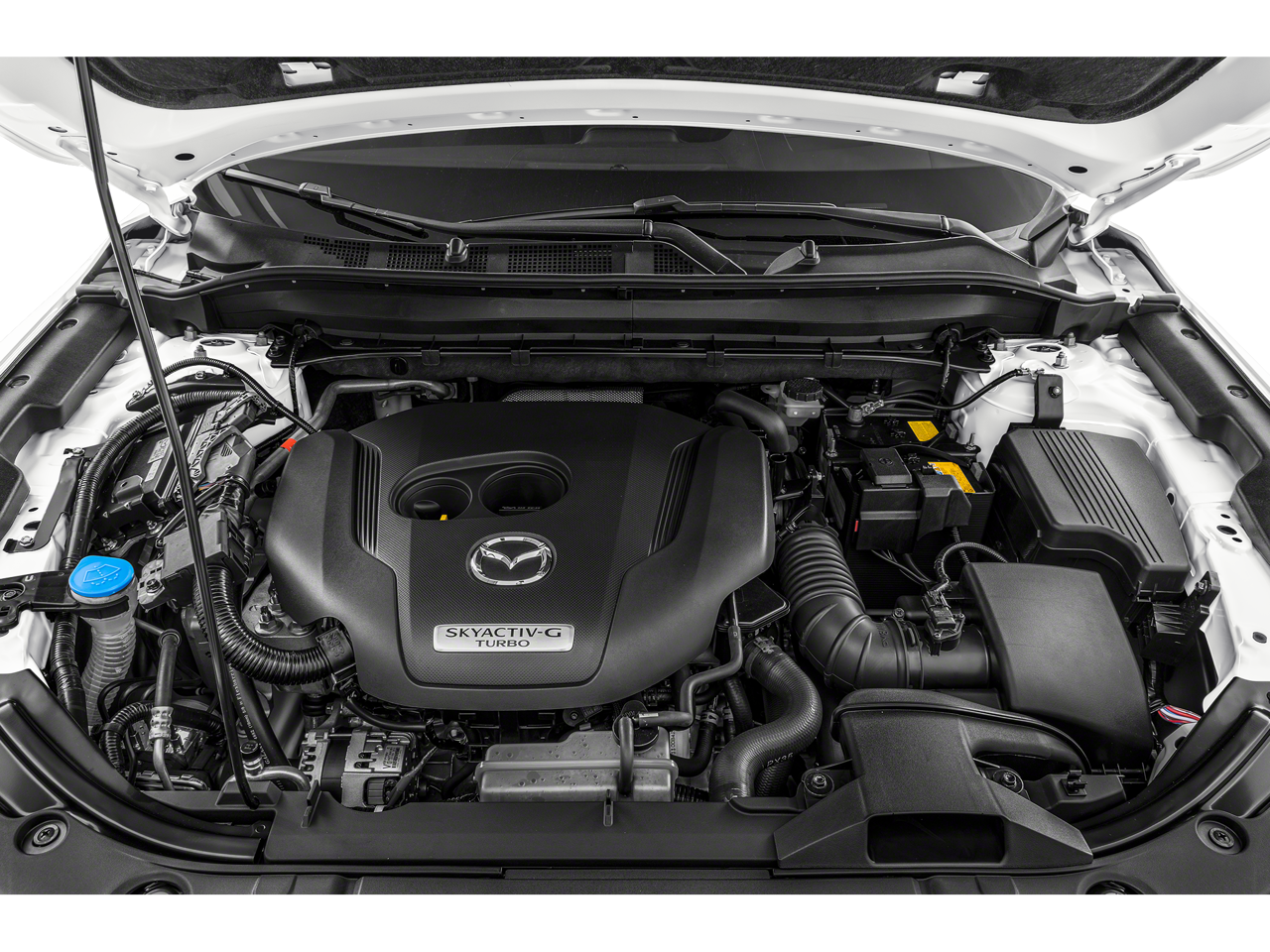
In an era where automakers redesign vehicles every few years just to stay relevant, the 2025 Mazda CX-5 does something almost rebellious: it stays the course. No radical reinvention. No oversized, glued-on tablet screens. No desperate electrification gimmicks just to check a marketing box.
And yet, year after year, the CX-5 remains one of the best-selling compact SUVs in North America.
So what’s the secret?
It isn’t hype. It isn’t incentives. It isn’t blind brand loyalty.
It’s engineering maturity.
The 2025 Mazda CX-5 continues refining a formula that competitors are still trying to copy: premium design, real driving dynamics, mechanical reliability, and an ownership experience that doesn’t fall apart after 36 months.
Let’s break down why this SUV refuses to fade away.
Exterior Design: Aging Better Than the Competition
Mazda’s Kodo design philosophy emphasizes motion within stillness. Instead of aggressive creases and exaggerated body lines, the CX-5 relies on proportion, surfacing, and subtle detailing.
For 2025, the updates remain deliberate rather than dramatic:
- Refined grille accents
- Updated lighting signatures
- Fresh alloy wheel designs
- Subtle trim-specific styling differentiation
The result is an SUV that still looks expensive parked next to rivals released far more recently.
While some competitors chase futuristic themes that may age poorly, the CX-5 leans into timelessness. It doesn’t try to look like an EV. It doesn’t pretend to be off-road extreme. It simply looks refined.
That restraint is its advantage.
Interior: The Compact SUV That Feels Like a Luxury Car
Open the door and you immediately understand why so many buyers cross-shop the CX-5 with entry-level luxury SUVs.
Mazda’s interior philosophy revolves around driver-centric ergonomics and tactile quality. Instead of overwhelming occupants with screens and gloss black surfaces, the CX-5 focuses on:
- Horizontal layout for visual calmness
- Premium soft-touch materials across the dash and door panels
- Real stitching on higher trims
- Minimalist button placement with intuitive logic
- Excellent seat bolstering and long-distance comfort
The driving position is particularly noteworthy. Unlike many compact SUVs that exaggerate ride height, the CX-5 positions the driver in a more car-like posture. That contributes significantly to its dynamic feel.
Noise insulation also deserves attention. Road and wind noise are impressively controlled for this segment, giving the CX-5 a composed highway demeanor.
Infotainment: Practical Over Flashy
The infotainment system continues Mazda’s rotary-command controller approach rather than full touchscreen dominance.
On paper, some criticize this.
In real-world driving, it makes sense.
Why?
- Reduced distraction
- Easier control without reaching forward
- Better tactile precision
- No smudged display surfaces
Wireless Apple CarPlay and Android Auto are integrated on most trims, and the display resolution remains crisp and well-positioned.
Mazda’s philosophy is clear: technology should support the driving experience, not overwhelm it.
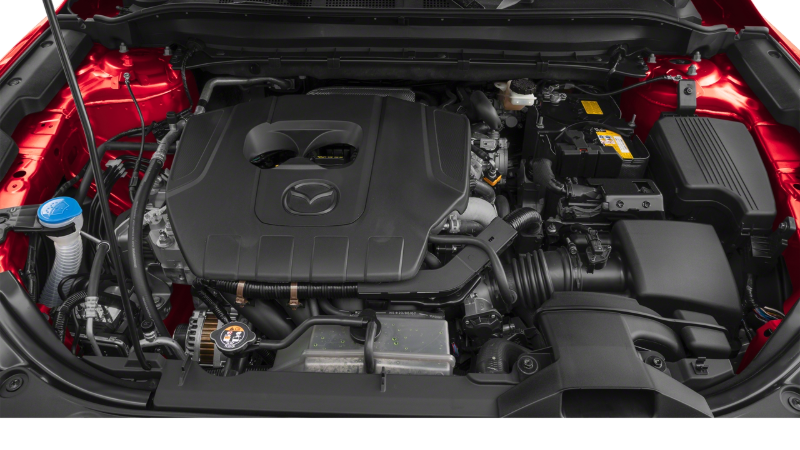
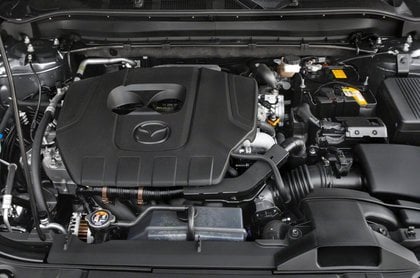
Powertrain Options: Proven, Refined, Reliable
The 2025 Mazda CX-5 retains two engine choices.
2.5L Naturally Aspirated Inline-Four
This engine focuses on linear power delivery and long-term durability. It’s smooth, predictable, and perfectly adequate for urban commuting and highway merging.
Advantages:
- Strong reliability history
- No turbo lag
- Lower long-term maintenance risk
- Consistent fuel economy
2.5L Turbocharged Engine
For drivers wanting more urgency, the turbo option delivers substantial mid-range torque.
Benefits include:
- Confident highway passing power
- Strong acceleration without excessive noise
- Improved towing capability
- Seamless integration with AWD
Both engines pair with a traditional 6-speed automatic transmission. No CVT. No dual-clutch complexity.
That decision alone sets the CX-5 apart in a segment increasingly dominated by CVT-equipped competitors.
All-Wheel Drive: Not Just a Checkbox
Mazda’s i-Activ AWD system comes standard in many markets.
Unlike reactive systems that engage only after slip occurs, i-Activ continuously monitors:
- Steering input
- Throttle application
- Wheel speed
- Ambient temperature
- Road surface conditions
It preloads torque to rear wheels before traction loss becomes obvious.
The result is an SUV that feels planted in rain and snow without feeling heavy or inefficient.
For Canadian climates and northern U.S. winters, that’s not a luxury feature. It’s a necessity.
Driving Dynamics: Still the Benchmark
This is where the CX-5 separates itself from the pack.
Mazda engineers tune suspension geometry for balance rather than softness. The steering offers actual feedback. Body roll is minimal.
You don’t get the floating sensation common in many compact SUVs.
Instead, you get:
- Precise turn-in
- Stable mid-corner behavior
- Predictable weight transfer
- Confident highway composure
Even after years on the market, few rivals match the CX-5’s steering calibration.
It doesn’t drive like an appliance.
It drives like a vehicle designed by enthusiasts.
Ride Comfort: Balanced, Not Mushy
The CX-5 avoids extremes.
It isn’t harsh.
It isn’t overly soft.
Instead, it delivers:
- Controlled absorption of road imperfections
- Minimal vertical oscillation
- Stable highway tracking
- Reduced cabin vibration
Mazda’s G-Vectoring Control Plus system subtly adjusts engine torque and braking inputs to improve stability during cornering. It operates in the background, unnoticed, but contributes to the vehicle’s overall composure.
Fuel Economy: Real-World Consistency
While some competitors advertise slightly better laboratory ratings, the CX-5 delivers predictable efficiency in everyday use.
Owners frequently report:
- Stable highway economy
- Minimal winter performance drop
- No dramatic AWD penalties
- Consistent long-term averages
In practical ownership, consistency often matters more than marginal spec-sheet advantages.
Safety: Intelligent Without Being Intrusive
The 2025 CX-5 includes an advanced suite of safety technologies.
Standard or available features include:
- Adaptive cruise control
- Lane departure warning
- Lane-keeping assist
- Blind spot monitoring
- Rear cross-traffic alert
- Automatic emergency braking
Importantly, these systems are calibrated to avoid excessive false alerts.
Mazda avoids aggressive steering corrections that can frustrate drivers. Instead, the assistance feels supportive and measured.
Cargo and Practicality
The CX-5 remains competitive in cargo capacity within the compact SUV class.
Key strengths:
- Wide rear opening
- Low lift-over height
- Flat-folding rear seats
- Under-floor storage compartments
While some rivals may offer marginally larger cubic-foot numbers, the CX-5’s space is usable and intelligently designed.
Rear passenger comfort is solid, though taller occupants may prefer midsize options.
Trim Strategy: Logical and Transparent
Mazda structures trims with clarity.
Base trims are not stripped-down penalty boxes.
Mid-level trims add meaningful comfort upgrades.
Top trims introduce premium materials and turbo performance.
There’s no obvious “bait trim” forcing buyers into expensive packages for basic necessities.
That transparency builds consumer trust.
Reliability: The Quiet Advantage
One of the biggest advantages of the 2025 CX-5 is maturity.
This platform has been refined for years.
That means:
- Known mechanical performance
- Established service procedures
- Strong reliability data
- Fewer first-year redesign surprises
In contrast, many competitors rely on new-generation hybrid systems or experimental turbo configurations.
Mazda chose evolution over revolution.
Long-term owners benefit.
Cost of Ownership: Manageable and Predictable
Maintenance costs remain reasonable.
Insurance rates tend to be competitive within the segment.
Parts availability is strong.
Independent service familiarity is widespread.
Nothing about owning a CX-5 feels complicated.
That simplicity reduces long-term stress.
Where It Faces Competition
It’s important to be balanced.
The CX-5 does not offer:
- A hybrid variant
- A full digital dashboard
- Massive interior screens
- Third-row seating
If electrification is a priority, buyers may look elsewhere.
But if driving quality, material refinement, and long-term durability rank higher, the CX-5 remains difficult to beat.
Why Buyers Keep Choosing It
Because it delivers a rare combination:
- Premium-level interior quality
- Engaging driving dynamics
- Proven powertrains
- Refined AWD system
- Competitive pricing
- Long-term reliability confidence
Many compact SUVs compete on features.
The CX-5 competes on feel.
That distinction matters more than most buyers initially realize.
Final Verdict: The SUV That Didn’t Need to Change
The 2025 Mazda CX-5 proves that constant redesign isn’t required for relevance.
Instead of chasing trends, it focuses on fundamentals:
- Mechanical honesty
- Ergonomic intelligence
- Design maturity
- Driver engagement
In a market increasingly crowded with flashy, over-digitized crossovers, the CX-5 feels refreshingly deliberate.
It doesn’t try to impress you in the showroom.
It impresses you every day after purchase.
And that’s why, even without a dramatic overhaul, the 2025 Mazda CX-5 continues to dominate conversations in the compact SUV segment.
If you value how a vehicle drives, feels, and lasts, the CX-5 remains one of the smartest buys on the road today.
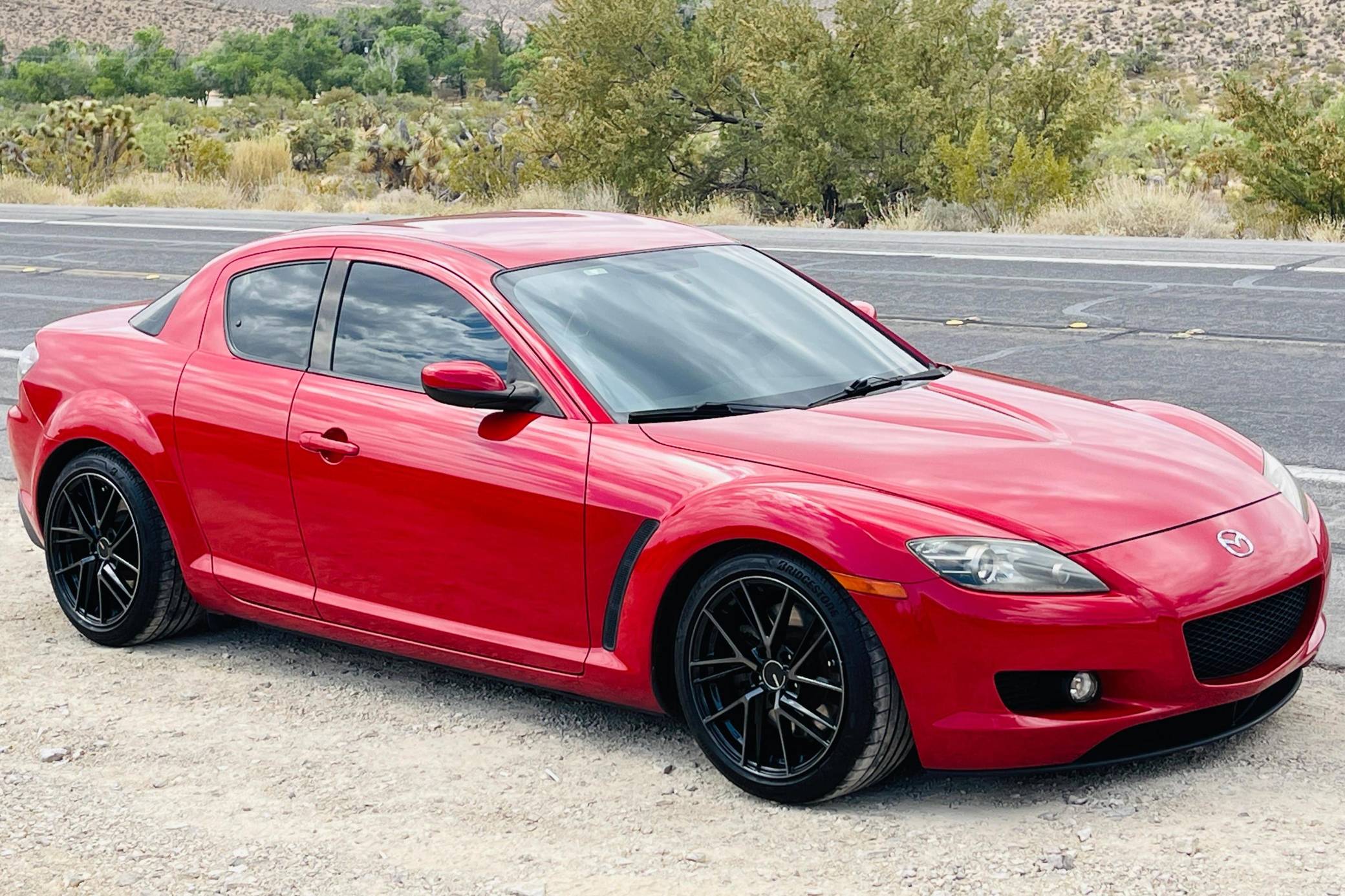
The Mazda RX-8 is one of the most misunderstood modern sports cars ever sold. To some, it is a financial time bomb with an “unreliable” rotary engine. To others, it is one of the last truly analog, high-revving driver’s cars you can buy for real money without selling a kidney.
In 2026, RX-8 prices are still low, examples are getting rarer, and buyer confusion is at an all-time high. This guide exists for one reason: to tell you exactly what you’re getting into before you buy one.
No myths. No nostalgia goggles. Just the mechanical, financial, and ownership reality.
The RX-8’s Real Identity (And Why Most Buyers Get It Wrong)
The RX-8 was never meant to be a muscle car, a commuter appliance, or a torque monster. Mazda engineered it around a philosophy that now barely exists: lightweight balance, high revs, and mechanical feel over raw numbers.
Unlike turbocharged four-cylinders or lazy V6 coupes of the era, the RX-8’s rotary engine behaves more like a motorcycle engine trapped inside a sports car. Power builds with revs. The redline sits high. The reward comes only if you drive it properly.
This is the first reality check:
If you short-shift, baby it, or drive only short city trips, an RX-8 will punish you.
This is why the RX-8 earned its reputation. Not because it was inherently fragile, but because it was widely misunderstood and badly owned.
For broader context on Mazda’s engineering mindset and why the RX-8 is such an outlier, readers should first understand Mazda’s brand reliability philosophy. This is covered in depth in Marin Mazda’s long-form breakdown on whether Mazdas are actually good long-term vehicles.
Engine Deep Dive: The Renesis Rotary Explained Properly
At the center of everything is the 1.3-liter Renesis rotary engine. Calling it “1.3 liters” is misleading, but that’s how it’s officially rated. What matters more is how it works.
How a Rotary Is Different
A rotary engine doesn’t use pistons. Instead, it uses triangular rotors spinning inside a housing. Fewer moving parts. Less vibration. A compact footprint that allows the engine to sit far back in the chassis for near-perfect weight distribution.

Key Advantages
- Exceptionally smooth at high RPM
- Extremely compact and lightweight
- Allows a true 50:50 weight balance
- Unique exhaust note and throttle response
Key Disadvantages
- Low torque compared to piston engines
- Burns oil by design
- Sensitive to neglect and improper driving habits
This last point is critical. Rotary engines must burn oil to lubricate internal seals. That is not a defect. That is how they are designed. Owners who don’t check oil regularly or run extended oil change intervals are the ones who end up needing engine rebuilds early.
RX-8 Performance Specs (What the Numbers Don’t Tell You)
On paper, RX-8 specs look underwhelming in 2026. In reality, they tell only half the story.
Typical Manual RX-8 Specs:
- Horsepower: ~232–238 hp
- Torque: ~159 lb-ft
- Redline: ~9,000 RPM
- 0–60 mph: ~6.5 seconds
- Drivetrain: Rear-wheel drive
- Weight Distribution: Nearly perfect 50:50
Those numbers won’t scare modern turbo hot hatches. But numbers don’t capture how the RX-8 delivers performance.
The RX-8 rewards commitment. Keep it above 6,000 RPM and it comes alive. Let it breathe, and it delivers one of the most communicative chassis experiences Mazda has ever produced, rivaled only by the MX-5 Miata in purity.
This is why RX-8 owners who understand the car love it, while casual buyers sell it within a year.
Handling: Where the RX-8 Still Embarrasses New Cars
Even in 2026, few cars at this price point handle like an RX-8.
- Near-perfect steering feedback
- Neutral cornering behavior
- Predictable breakaway at the limit
- Excellent balance on twisty roads
This isn’t accidental. Mazda engineered the RX-8 around handling first. The rotary’s compact size allowed the engine to sit low and far back, lowering the center of gravity and improving turn-in.
If you’ve read Marin Mazda’s breakdown of Mazda sports cars ranked by driving feel, the RX-8 consistently sits near the top despite its age.
The Truth About RX-8 Reliability (No Sugarcoating)
Let’s address the elephant in the room.
Are RX-8s Reliable?
They are conditionally reliable.
That means reliability depends heavily on:
- Ownership history
- Maintenance discipline
- Driving habits
The Most Common RX-8 Problems
- Ignition Coil Failure
Weak coils cause misfires, poor starts, and eventually engine damage if ignored. - Flooding Issues (Early Cars)
Short trips and cold shutdowns can cause unburnt fuel buildup, especially on early models. - Low Compression
Worn apex seals lead to poor hot starts and loss of power. This is the big one. - Oil Neglect
Owners unfamiliar with rotary oil consumption destroy engines without realizing it.
Engine Rebuild Reality
Many RX-8 engines need rebuilding between 80,000–120,000 miles if poorly maintained. Well-maintained examples can exceed that comfortably.
This is why service records matter more than mileage.
For readers comparing rotary reliability to traditional Mazda engines, Marin Mazda’s long-form guide on Mazda engine longevity provides essential context.
Model Years That Matter (Buy These, Avoid These)
Not all RX-8s are created equal.
2004–2006 (Early Years)
- More prone to flooding
- Early ignition issues
- Least desirable unless already rebuilt
2007–2008 (Improved)
- Updated engine management
- Better reliability overall
- Solid value buys if documented
2009–2011 (Best Years)
- Revised internals
- Improved oil metering
- Best choice for 2026 buyers
If you’re shopping seriously, prioritize 2009–2011 manual cars with compression test results.
What to Check Before Buying an RX-8 (Non-Negotiable)
If a seller can’t provide these, walk away.
Mandatory Checks
- Rotary-specific compression test
- Ignition coil replacement history
- Oil consumption records
- Warm and cold start behavior
- Cooling system condition
A clean Carfax means nothing if compression is low.
This inspection mindset mirrors Marin Mazda’s used Mazda buying checklist, which applies doubly to specialty models like the RX-8.
Ownership Costs in 2026 (Realistic Numbers)
Fuel
RX-8s are not fuel efficient. Expect consumption similar to a V6 sports coupe.
Maintenance
- Frequent oil checks
- Regular spark plug and coil replacements
- Higher labor costs due to rotary specialization
Repairs
- Minor repairs are manageable
- Engine rebuilds are expensive but not inevitable
If you budget like an enthusiast instead of a commuter, ownership makes sense.
Who Should Buy an RX-8 in 2026?
You should buy an RX-8 if:
- You enjoy driving for the sake of driving
- You understand mechanical responsibility
- You value handling over straight-line speed
- You want something genuinely different
You should not buy an RX-8 if:
- You want low-effort ownership
- You ignore maintenance
- You expect torque at 2,000 RPM
- You need a reliable short-trip city car
Final Verdict: Is the RX-8 a Smart Buy in 2026?
The RX-8 is not a bad car.
It is a misunderstood enthusiast car.
For buyers who do their homework, inspect properly, and maintain it correctly, the RX-8 remains one of the most rewarding driver’s cars Mazda has ever built. For buyers who treat it like a normal used coupe, it becomes an expensive lesson.
That gap is why prices are still low. And that gap is exactly where smart buyers win.
If you’re exploring Mazda ownership beyond the RX-8, Marin Mazda’s in-depth guides on Mazda reliability, sports car history, and long-term ownership costs are essential reading before making any decision.

2006 Mazda 6 : What to Know Before Buying
The 2006 Mazda 6 remains one of the most searched mid-size sedans from the mid-2000s, and for good reason. Known for its sharp handling, sporty design, and solid engine options, the Mazda 6 from this era offered something many rivals did not: a genuine driver-focused feel at an affordable price. Whether you are researching mazda 6 2006 specs, checking 2006 Mazda 6 reliability, or looking for a 2006 Mazda 6 for sale, this guide breaks down everything you need to know.
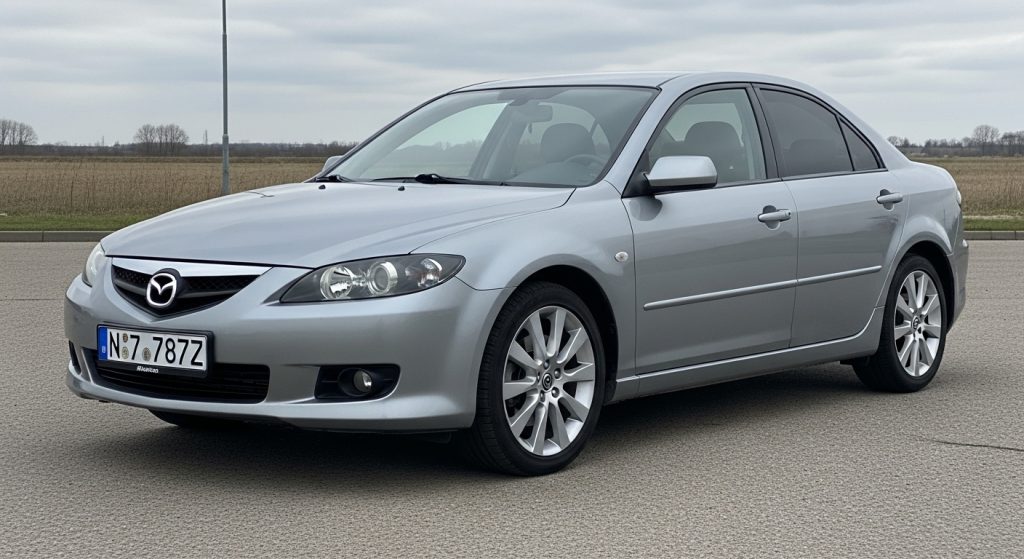
Overview: 2006 Mazda 6 at a Glance
The 2006 model year sits within the first generation Mazda 6, a platform Mazda developed during its partnership era with Ford but tuned with Mazda’s own suspension and steering philosophy. The result was a car that handled better than most competitors in its class while remaining practical for daily use.
Buyers in 2006 could choose from multiple body styles, engines, and trims, including sport-oriented versions and a high-performance Mazdaspeed variant.
2006 Mazda 6 Body Styles Explained
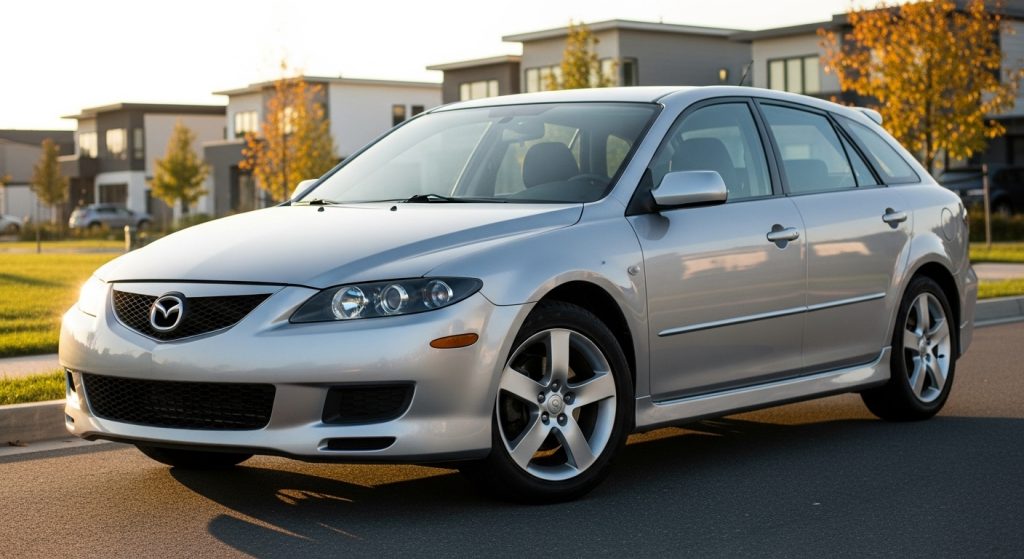
Mazda offered the 6 in more configurations than most mid-size sedans of the time.
The 2006 Mazda 6 sedan was the most common option, offering four doors and a traditional trunk. It appealed to buyers who wanted practicality without sacrificing styling.
The 2006 Mazda 6 hatchback added extra cargo flexibility with a liftback design, making it popular among drivers who wanted sedan handling with wagon-like usability.
Mazda also offered a 2006 Mazda 6 wagon, sometimes referred to as the station wagon. This version focused on cargo space and family use, while still retaining Mazda’s sport-tuned suspension.
2006 Mazda 6 Engines and Performance
One of the biggest strengths of the 2006 Mazda 6 lineup was its range of engines.
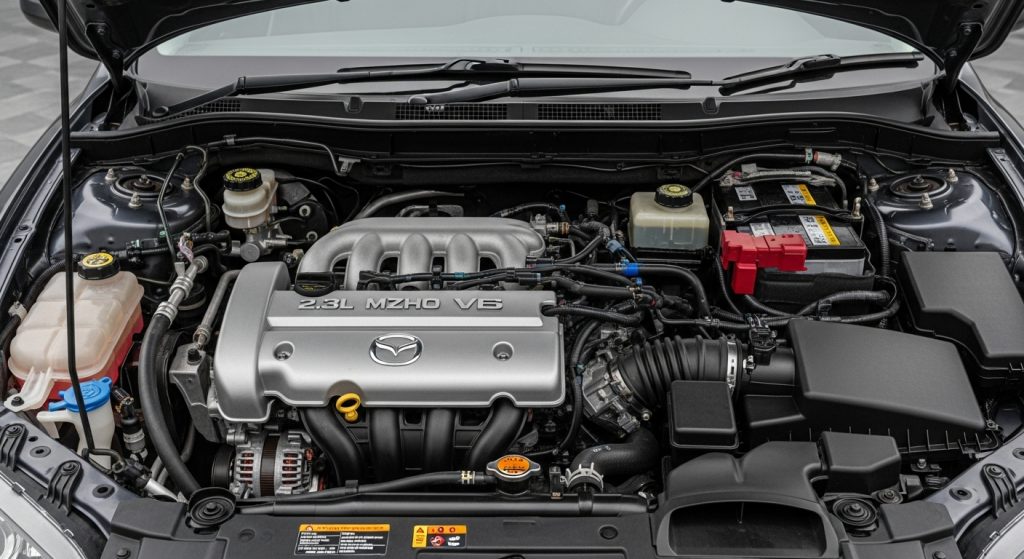
The base engine was a 2.3-liter inline-four, producing approximately 156 horsepower. This engine balanced fuel efficiency with adequate everyday performance and was widely available across sedan, hatchback, and wagon models.
For drivers seeking more power, Mazda offered a 3.0-liter V6, producing around 220 horsepower. The 2006 Mazda 6 V6 delivered noticeably stronger acceleration and smoother highway cruising, making it a popular choice for buyers prioritizing performance.
At the top of the range sat the 2006 Mazdaspeed 6, a very different car altogether. It featured a turbocharged 2.3-liter engine, all-wheel drive, and performance tuning that pushed output to roughly 274 horsepower. This model targeted enthusiasts and remains one of the most searched variants today.
2006 Mazda 6 Horsepower Summary
Horsepower varied significantly by trim and engine choice.
Four-cylinder models delivered about 156 hp, while V6 versions produced roughly 220 hp. The Mazda Speed 6 2006 stood apart with turbocharged output approaching 274 hp, placing it firmly in sport sedan territory for its era.
2006 Mazda 6 MPG and Fuel Economy
Fuel economy depended heavily on engine choice and drivetrain.
Four-cylinder models averaged approximately 21–23 miles per gallon city and 28–30 mpg highway, making them the most efficient options.
V6 models traded fuel economy for performance, averaging closer to 18–20 mpg city and 25–27 mpg highway.
The 2006 Mazda Speed 6, with its turbocharged engine and all-wheel drive, delivered lower fuel economy, typically in the 18–24 mpg range depending on driving conditions.
2006 Mazda 6 Specs Overview
Key specifications varied by configuration, but most models shared a sport-oriented chassis, independent suspension, and front-wheel drive. Manual and automatic transmissions were available, and the Mazdaspeed 6 added a six-speed manual as standard.
Interior space was competitive for the segment, particularly in the hatchback and wagon models, which offered generous cargo capacity compared to traditional sedans.
2006 Mazda 6 Reliability: What Owners Should Know
When researching 2006 Mazda 6 reliability, the picture is generally mixed but fair.
The four-cylinder engine is considered the most reliable option overall, with fewer major mechanical issues when properly maintained. The V6 models are smooth and powerful but can be more expensive to maintain, particularly as mileage increases.
Common issues reported by owners include suspension wear, ignition coil failures, and aging electrical components. Rust can be a concern in colder climates, especially around wheel arches and underbody components.
The Mazdaspeed 6, while exciting to drive, requires more diligent maintenance. Turbocharger health, drivetrain components, and clutch wear are key areas to inspect.
2006 Mazda 6 Lights and Headlights
Lighting is a frequent search topic for this model year.
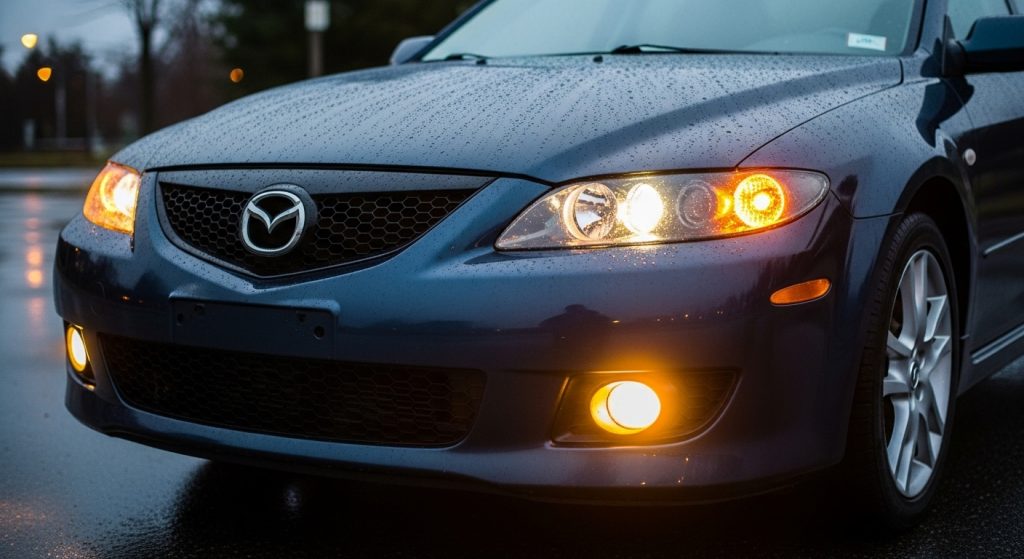
The 2006 Mazda 6 headlights are halogen-based and can become cloudy or dim over time. Many owners replace them with aftermarket units or upgraded bulbs. Headlight assemblies are widely available, making replacements relatively straightforward.
Issues with exterior lights are usually related to aging wiring or bulb housings rather than systemic electrical failures.
2006 Mazda 6 Battery and Electrical Notes
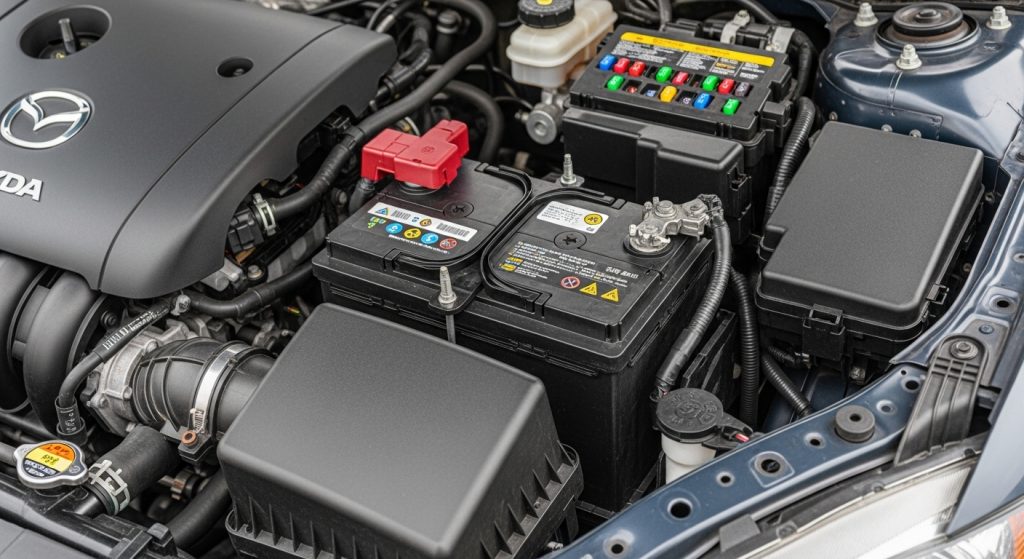
The 2006 Mazda 6 battery is located in the engine bay and is easily accessible. Electrical systems are generally reliable, but older vehicles may experience window switch issues or sensor failures due to age rather than design flaws.
Buying a 2006 Mazda 6 Today
If you are searching for a 2006 Mazda 6 for sale, condition matters far more than mileage alone. A well-maintained four-cylinder sedan or hatchback can still be a dependable daily driver. V6 and Mazdaspeed models should be inspected carefully, especially for drivetrain and suspension wear.
Look for documented maintenance history, rust inspection reports, and signs of suspension refreshes, which are common at higher mileages.
Is the 2006 Mazda 6 Still Worth Buying?
For buyers who value handling, steering feel, and driving engagement, the 2006 Mazda 6 still stands out among used mid-size sedans. While it does not match modern cars for technology or safety features, it offers a level of driver involvement that many newer vehicles lack.
The four-cylinder models make the most sense for budget-focused buyers, while the Mazdaspeed 6 remains a niche enthusiast option with rising interest.
Final Thoughts on the 2006 Mazda 6
The 2006 Mazda Mazda 6 represents a time when Mazda leaned heavily into performance and driving dynamics without abandoning practicality. With multiple body styles, engine choices, and trims, it remains one of the most versatile mid-2000s sedans on the used market.
For anyone researching mazda 6 2006 specs, 2006 Mazda 6 mpg, 2006 Mazda 6 engine options, or 2006 Mazda 6 reliability, the takeaway is simple: choose the right configuration, inspect carefully, and you can still get a rewarding car for the money.

If you are searching who owns Mazda, you are not alone. Questions like who owns Mazda cars, who owned Mazda in the past, and who owns the Mazda car company are searched tens of thousands of times every month. The confusion is understandable, given Mazda’s long history of partnerships with other automakers.
The short answer is simple: Mazda is owned by the Mazda Motor Corporation, an independent Japanese automaker headquartered near Hiroshima, Japan. However, the full story behind Mazda ownership, including Ford’s past involvement and Mazda’s current partnerships, is far more nuanced.
This guide breaks down who owns Mazda today, who owned Mazda in the past, and how Mazda operates as an independent brand in a global automotive industry dominated by large conglomerates.
Who Owns Mazda Today?

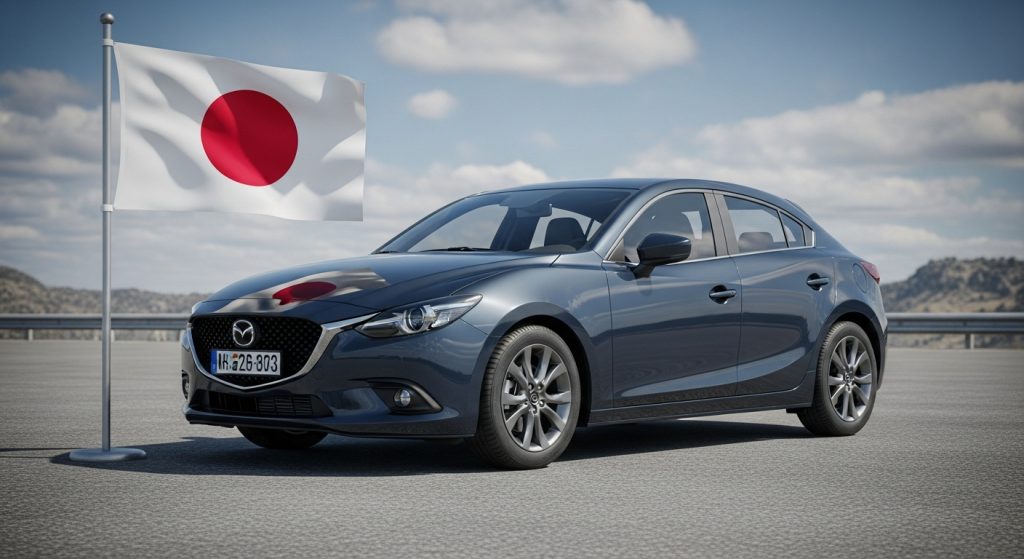
Mazda is owned by the Mazda Motor Corporation, a publicly traded Japanese company. Mazda operates independently and is not controlled by any other automaker.
Unlike brands such as Lexus (Toyota), Acura (Honda), or Audi (Volkswagen Group), Mazda does not function as a subsidiary or luxury division of a larger parent company. Mazda controls its own engineering, design language, manufacturing strategy, and long-term product planning.
This independence is a defining characteristic of the brand and plays a major role in why Mazda vehicles often feel more driver-focused than many competitors in the same price segment.
Who Owned Mazda in the Past?
To understand why many people still ask who owned Mazda, it is important to look at Mazda’s history with Ford Motor Company.
In 1979, Ford Motor Company purchased a minority stake in Mazda. This partnership deepened over time, and by the mid-1990s, Ford owned more than 33 percent of Mazda, making it the largest shareholder but not the outright owner.
During this period:
- Mazda and Ford shared vehicle platforms
- Engines and transmissions were co-developed
- Manufacturing plants were jointly operated in some regions
- Several Mazda models were closely related to Ford vehicles
Despite this close relationship, Mazda remained a separate legal entity. Ford never fully owned Mazda outright, but its influence was substantial for more than two decades.
When Did Ford Stop Owning Mazda?
Following the 2008 global financial crisis, Ford began selling off non-core assets to stabilize its business. Mazda was one of those assets.

Ford gradually reduced its stake, and by 2015, Ford had fully sold its remaining shares. From that point forward, Mazda returned to complete independence, ending one of the longest strategic partnerships in modern automotive history.
This moment is critical for anyone researching who owns Mazda car company today, because since 2015, Mazda has been fully independent.
Who Owns the Mazda Car Company Now?
Today, the answer to who owns the Mazda car company is straightforward:
Mazda is owned by:
- Its shareholders
- Managed and operated by Mazda Motor Corporation
- Headquartered in Japan
- Not controlled by Ford, Toyota, or any other automaker
While Mazda does collaborate with other companies on specific projects, ownership and control remain entirely with Mazda itself.
Is Mazda Still Connected to Ford?
No. Mazda and Ford no longer share ownership, platforms, or joint product development.
While some older Mazda models still reflect Ford-era engineering decisions, modern Mazda vehicles are developed entirely under Mazda’s current engineering philosophy. This shift is especially noticeable in:
- Interior quality
- Driving dynamics
- Engine tuning
- Design language
Anyone asking who owns Mazda cars today should understand that Ford has no ownership, governance, or control over Mazda products.
Mazda’s Partnership With Toyota Explained
Although Mazda is independent, it does maintain a strategic partnership with Toyota, which often leads to confusion about ownership.

Toyota does not own Mazda. Instead, the two companies collaborate in specific areas, including:
- Shared manufacturing facilities
- Limited technology development
- Electrification and future mobility research
The most notable example is the joint manufacturing plant in Huntsville, Alabama, which began production in 2021. This partnership helps Mazda remain competitive without sacrificing independence.
Where Are Mazda Cars Manufactured?
While ownership is Japanese, Mazda vehicles are built in multiple countries.
Most Mazda vehicles are still manufactured in Japan, where the company’s primary plants are located. These facilities are central to Mazda’s reputation for reliability, precision engineering, and build quality.
Mazda also operates manufacturing plants in:
- Mexico
- Thailand
- China
- Vietnam
- Malaysia
In addition, Mazda returned to U.S. manufacturing in 2021 through its Alabama plant with Toyota. This marked Mazda’s first American production since the early 1990s.
Mazda’s Manufacturing History in the United States
Mazda previously built vehicles in the U.S. between 1987 and 1992, when the Mazda MX-6 was produced at the Flat Rock Assembly Plant in Michigan.
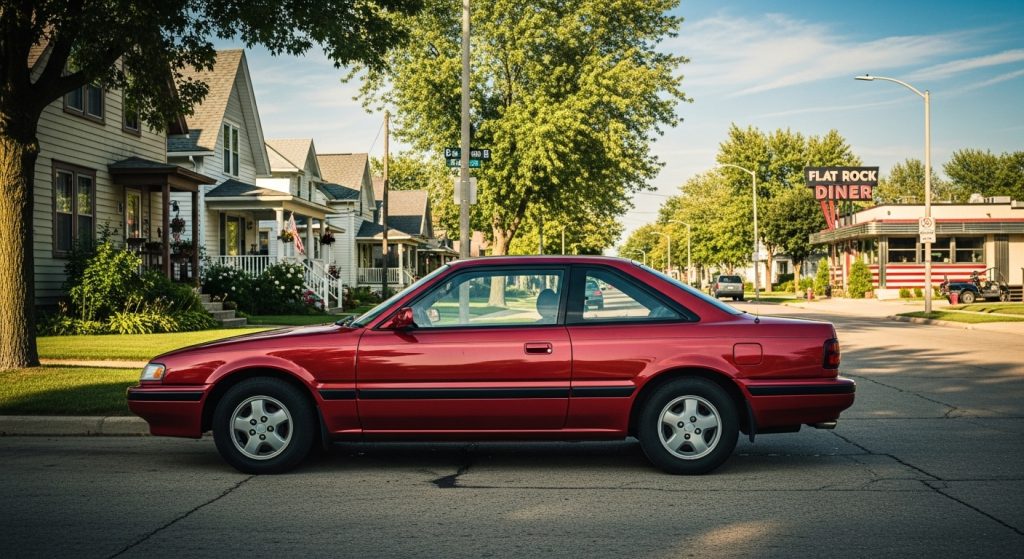
After that period, Mazda shifted all production outside the U.S. until its return nearly 30 years later. Despite the production gap, Mazda maintained a strong North American presence through Mazda North American Operations, headquartered in Irvine, California, which oversees:
- Sales
- Marketing
- Customer service
- Parts distribution
Mazda currently supports more than 600 dealerships across the U.S. and Mexico.
What Does the Mazda Name Mean?
The name “Mazda” has both cultural and personal significance.
It was first used in 1931 with the Mazda-Go, a three-wheeled vehicle produced by what was then called Toyo Cork Kogyo Co., Ltd. At the time, the company primarily manufactured industrial machinery.

The name “Mazda” comes from two sources:
- Ahura Mazda, the ancient Persian god of wisdom and harmony
- Jujiro Matsuda, Mazda’s founder, whose surname is pronounced similarly in Japanese
Mazda officially adopted the Mazda name as its corporate identity in 1984, aligning its brand with both innovation and heritage.
Frequently Asked Questions About Mazda Ownership
Who owns Mazda today?
Mazda is owned by the Mazda Motor Corporation, an independent Japanese automaker. It is not owned by Ford, Toyota, or any other car company.
Who owned Mazda before?
Ford Motor Company previously owned more than 33 percent of Mazda but fully sold its stake by 2015.

Who owns Mazda cars?
Mazda cars are produced and sold by Mazda Motor Corporation. Ownership does not vary by region.
Is Mazda a Japanese company?
Yes. Mazda is headquartered near Hiroshima, Japan, and remains a Japanese-owned company.
Does Toyota own Mazda?
No. Toyota does not own Mazda. The two companies have a strategic partnership but remain separate and independent.
Final Answer: Who Owns Mazda?
To summarize clearly:
- Mazda is owned by Mazda Motor Corporation
- Mazda is an independent Japanese automaker
- Ford previously owned a large stake but exited completely by 2015
- Toyota is a partner, not an owner
- Mazda controls its own engineering, design, and future strategy
If you are researching who owns Mazda, who owned Mazda, or who owns the Mazda car company, the conclusion is simple: Mazda stands on its own.
BEST SLIM JIM TOOL 2026
The complete buyer’s guide, usage manual, safety guide, and purchasing roadmap
The slim jim tool is one of the oldest and most misunderstood car tools still in circulation. To some people, it’s a locksmith instrument. To others, it’s a roadside emergency tool. To mechanics, it’s a legacy access device that still works on specific vehicle designs. And to everyday drivers, it’s something they search for only when they’re locked out of their car.
In 2026, the slim jim tool still has relevance — but only if you understand what it works on, what it doesn’t, and how modern vehicle design has changed everything. This guide is not hype, not marketing fluff, and not “TikTok locksmith nonsense.” It’s a real, practical, technical breakdown of:
What is a slim jim tool?
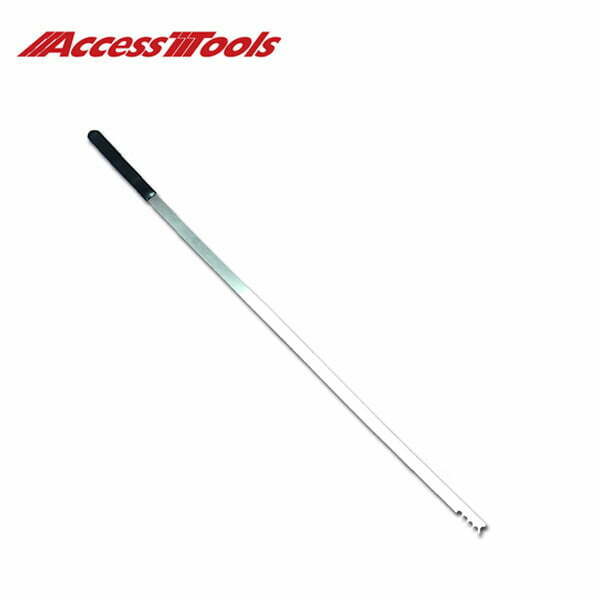
A slim jim tool is a thin, flat strip of metal designed to slide between a car’s window glass and door seal to manipulate internal door lock linkages. It works mechanically, not electronically. It doesn’t hack electronics. It doesn’t bypass immobilizers. It doesn’t break encryption. It simply interacts with physical rods and levers inside the door panel.
Historically, older vehicles used simple mechanical vertical rods connected to the door lock. The slim jim would hook, pull, or push those rods to unlock the door.
That’s why it worked so well on older sedans, trucks, and SUVs.
Why slim jim tools are harder to use in 2026
Modern vehicles have changed door architecture completely.
Newer designs include:
• Shielded lock rods
• Plastic clip housings
• Airbag wiring in doors
• Side-impact sensors
• Electronic latch systems
• Cable-driven mechanisms
• Anti-theft shields
• Vertical lock isolation plates
• Anti-intrusion barriers
This means that many modern vehicles cannot be opened with a slim jim at all — and trying to use one can damage wiring, sensors, airbags, or locking systems.
So the slim jim tool in 2026 is not a universal solution. It’s a vehicle-specific tool.
BEST SLIM JIM TOOL 2026 (recommended)
If you are buying one slim jim tool in 2026, the best option is a professional-grade multi-hook stainless steel model, not the cheap stamped metal versions.
Best Affiliate Pick (2026)
Professional-grade slim jim tool set
Stainless steel
Multi-hook design
Rigid body
Locksmith-grade construction
Corrosion-resistant
Compatible with older mechanical lock systems
Emergency roadside use
Training-compatible design
This type of tool is superior because:
• It doesn’t bend easily
• It keeps hook shape integrity
• It has controlled flex
• It works with multiple lock geometries
• It provides tactile feedback
• It reduces accidental wiring damage
• It offers multi-angle manipulation
• It is usable for training and practice
Cheap slim jims fail because they:
• Bend
• Twist
• Lose hook shape
• Lack control
• Damage internal components
• Have inconsistent rigidity
• Slip off lock rods
• Break inside doors
Slim Jim Tool vs Slim Jim Car Tool
There is no technical difference.
“slim jim tool” and “slim jim car tool” are the same product category.
The difference is usage intent, not design.
• Slim jim tool = general term
• Slim jim car tool = automotive-specific use
Same tool. Same function. Same mechanics.
How to use a slim jim tool properly
This is where most people mess up.
Step-by-step correct method
- Lower the window slightly if possible
This reduces seal tension and tool friction. - Identify the correct insertion point
Always insert behind the weather stripping, not between glass and metal. - Insert with hook facing inward
Never blind-push — always maintain orientation awareness. - Slide slowly, not forcefully
You are feeling for resistance changes, not stabbing. - Identify vertical rod tension
The lock rod has a unique mechanical resistance compared to wiring. - Hook and apply controlled upward motion
Never yank. Never jerk. Never twist violently. - Listen for mechanical feedback
Lock rods have audible and tactile response. - Stop immediately if resistance feels elastic
Elastic resistance usually means wiring or cable, not a rod.
What you should never do
• Never force the tool
• Never stab downward blindly
• Never twist aggressively
• Never use on modern electronic latch systems
• Never use near side airbags
• Never use on frameless doors
• Never use on luxury vehicles
• Never use on vehicles with shielded lock systems
Vehicles slim jim tools still work on (2026 reality)
High success probability
• Older pickups
• Older sedans
• Older SUVs
• Fleet vehicles
• Utility trucks
• Work vans
• Pre-2010 mechanical lock systems
• Vehicles with exposed vertical rods
Low success probability
• Modern sedans
• EVs
• Luxury cars
• Frameless doors
• Soft-close doors
• Vehicles with electronic latches
• Vehicles with shielded rods
• Vehicles with cable-based systems
Slim jim tool safety risks
This matters more than people realize.
Potential damage risks
• Airbag deployment
• Sensor damage
• Wiring harness damage
• Window regulator damage
• Central locking failure
• Door module failure
• Short circuits
• Electrical faults
• CAN bus interference
• Permanent lock damage
This is why professional locksmiths rarely use slim jims on modern vehicles anymore. They use air wedges and long-reach tools instead.
Where to buy a slim jim tool (2026)
People search:
• where to buy a slim jim tool
• where can i buy a slim jim tool
• where can you buy a slim jim tool
• where can i buy a slim jim car tool
Real answers:
Amazon – Best option
Wide selection, professional-grade tools, consistent quality control, verified reviews, easy returns.
Auto parts stores
AutoZone, Advance Auto Parts, O’Reilly, Napa — availability is inconsistent and usually low quality.
Local locksmith supply stores
Best quality, but limited access and higher pricing.
Online locksmith suppliers
High quality, but usually require business verification.
Slim jim tool near me / nearby searches
People searching:
• slim jim tool near me
• slim jim tool nearby
What this usually means:
They’re locked out right now and need immediate access.
In real-world situations:
A slim jim is usually not the fastest solution anymore.
Faster modern solutions:
• Air wedge kits
• Long-reach rods
• Door gap tools
• Lockout wedges
• Professional roadside kits
Slim jims are now more of a legacy access tool, not a universal emergency solution.
Slim jim tool AutoZone reality
Reality:
AutoZone stock varies by location. When available, quality is often low-grade stamped steel versions designed more for emergency kits than professional use.
They are usually:
• Thinner
• More flexible
• Less durable
• Poor hook design
• Higher bend risk
• Lower control
They work on very old vehicles, but not ideal for serious use.
Legal considerations (important)
Owning a slim jim tool is legal in many regions.
Using one on a vehicle you don’t own may not be.
In many jurisdictions:
• Possession can be suspicious
• Use can be considered illegal entry
• Intent matters legally
• Context matters legally
Always use on vehicles you own or have legal authority to access.
Slim jim vs modern lockout tools
Slim Jim Tool
• Mechanical
• Vehicle-specific
• Risk of damage
• Limited compatibility
• Legacy design
• Cheap entry point
• Simple construction
Modern Lockout Tools
• Air wedges
• Long-reach rods
• Plastic shields
• Electronic safe tools
• Non-invasive methods
• No internal door contact
• Much lower damage risk
Professionals prefer modern tools.
Slim jims are now situational tools, not primary tools.
Final Verdict: Best Slim Jim Tool 2026
The best slim jim tool in 2026 is not the cheapest and not the thinnest. It’s the one that gives you:
• Structural rigidity
• Controlled flex
• Hook integrity
• Stainless steel construction
• Multi-hook design
• Professional-grade finish
• Predictable performance
• Reduced damage risk
• Long-term usability
Recommended product:
The honest truth
Slim jims are no longer universal car tools.
They are specialized access tools for specific vehicle designs.
They work best on older vehicles.
They are risky on modern vehicles.
They are obsolete for many platforms.
They are still useful in the right hands.
They are dangerous in the wrong hands.
If you want reliability in 2026, use the slim jim as a specialized tool, not a universal solution.
Because modern vehicles don’t use simple locks anymore — and neither should your approach to unlocking them.
The Best AFM Disabler [ Mechanic Advice ]
If you own a GM V8 and you’re here, you already know the problem. Active Fuel Management (AFM) and Dynamic Fuel Management (DFM) were designed to improve fuel economy by shutting down cylinders under light load. On paper, it’s smart engineering. In real life, it often feels like a drivability compromise: uneven throttle response, strange shift behavior, inconsistent engine feel, and long-term mechanical anxiety for owners who plan to keep their trucks and SUVs past warranty.

Stop The GM “Shudder” Before It Costs You a New Engine
The 10-second fix to keep your V8 in 8-cylinder mode 100% of the time.
⚠️ Is your Silverado or Sierra doing this?
- The “Hesitation”: You hit the gas, but the truck “thinks” for a second before moving.
- The “Vibration”: A strange shudder when cruising between 30–60 MPH.
- The “Drone”: Your V8 sounds like a weed-wacker when it drops to V4 mode.
If you answered “Yes” to any of the above, your Active Fuel Management (AFM) or Dynamic Fuel Management (DFM) is working against you. While GM designed these systems to save a fraction of a gallon of gas, they created a massive mechanical liability: Lifter Failure.
Ranked #1 Best Seller in Engine Management Systems
The $5,000 Gamble
When your engine drops to 4-cylinder mode, specific lifters are physically collapsed using oil pressure. This constant “switching” is the #1 cause of catastrophic engine failure in late-model GM trucks.
The Financial Reality:| Range Technology Disabler | ~$200 |
| Single Bank Lifter Replacement | $2,800 – $3,500 |
| Total Engine Replacement (L83/L86) | $7,500 – $10,000 |
Installing a Range Technology AFM Disabler is essentially an insurance policy for your powertrain.
Why Range Technology? (Accept No Substitutes)
In the world of OBD-II modules, you get what you pay for. Cheap “no-name” clones are notorious for draining batteries or throwing “StabiliTrak” error codes.
Zero Battery Drain: Range’s patented “Sleep Mode” ensures your truck starts every morning. Invisible to Dealers: Does not re-flash your computer. Unplug it before service, and no trace is left behind. Full Power, All The Time: Instantly restores that “V8 feel.” Your transmission will stop hunting for gears, and your throttle will feel connected to the road again.“It’s like a different truck.”
“I was skeptical about spending $200 on a little plug, but the difference in my 2021 Silverado was immediate. No more hesitation, no more weird shuddering, and the gas mileage difference was less than 1 MPG. If you love your truck, buy this.”
— Michael R., Verified Owner
The 10-Second Install
No tools. No mechanical skills. No software to download.
1. Plug In
Insert into the OBD-II port under your dash.
2. Start Engine
The device lights up and begins communicating.
3. Drive
Enjoy full V8 power instantly. That’s it.
Free Shipping & Easy Returns via Amazon
Frequently Asked Questions
Q: Will this void my warranty? A: No. Because it doesn’t “write” to your vehicle’s ECU, it is physically impossible for a dealer to see it once it’s unplugged. It is 100% reversible.
Q: Will my MPG drop significantly? A: Most owners report a loss of only 1 MPG. In exchange, you get a smoother ride and an engine that can last 200,000+ miles.
Q: Does it work with the 10-speed transmission? A: Yes. Range offers specific models for the newer DFM (Dynamic Fuel Management) systems found in 2019–2026 trucks.
Final Verdict: The Cheapest Modification You’ll Ever Make
Don’t wait for a lifter to fail and leave you stranded on the side of the road. Restore your truck’s drivability and protect your investment today.
Get your Range Technology Disabler from the Official Amazon Store here.
Most Reliable Used Car Brands For This Year
Why Mazda Stands Out as the Smartest Long-Term Used-Car Buy
Reliability matters more in the used-car market than anywhere else. New cars benefit from warranties, dealer support, and manufacturer incentives. Used cars rely on something far more important: engineering durability. When vehicles reach 5 to 10 years old, marketing disappears and only build quality remains.
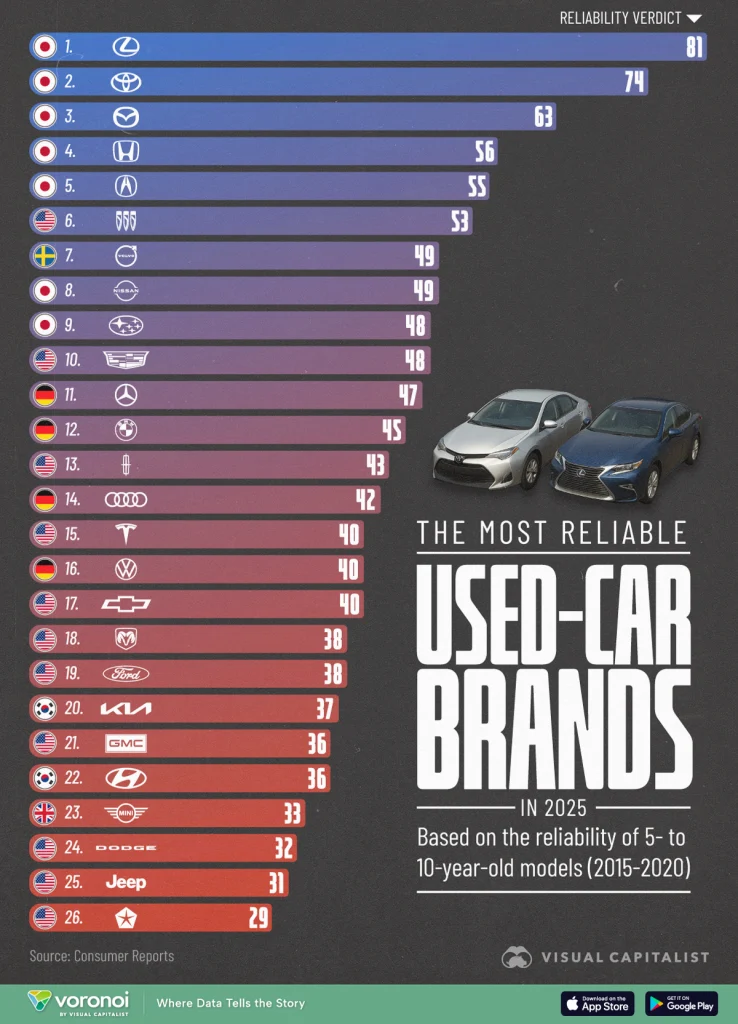
According to the 2025 reliability rankings for used vehicles (2015–2020 models), Mazda ranks 3rd overall among the most reliable used car brands in the market. Only Lexus and Toyota rank higher.
This is not a branding award.
This is not a perception study.
This is a long-term durability ranking.
And Mazda’s position is not accidental.
The Top Reliability Tier (Used Market 2025)
Based on the ranking:
- Lexus – Reliability Score: 81
- Toyota – Reliability Score: 74
- Mazda – Reliability Score: 63
- Honda – 56
- Acura – 55
- Buick – 53
These brands represent the top tier of used-car reliability, where long-term ownership stability is strongest and risk is lowest.
Mazda’s placement at #3 puts it above Honda, Acura, Buick, Volvo, Nissan, Subaru, BMW, Mercedes-Benz, Tesla, Volkswagen, and Audi in used-car dependability.
That is significant.
Why Mazda Performs So Well in the Used Market
Mazda’s strength in used-car reliability comes from engineering strategy, not marketing strategy.
1. Conservative Powertrain Design
Mazda avoids over-engineering its engines. Its powertrains are:
- Naturally aspirated in most trims
- Conservatively tuned
- Thermally stable
- Mechanically simple
- Built for long service life
This reduces long-term failure risk in used vehicles, where stress accumulation becomes critical.
2. Conventional Transmissions
Mazda relies primarily on traditional automatic transmissions, not complex dual-clutch systems or high-failure-rate CVTs.
This matters in the used market because:
- Conventional automatics age more predictably
- Maintenance costs are lower
- Failure patterns are more manageable
- Serviceability is better
- Replacement costs are lower
Transmission failure is one of the most expensive used-car repairs. Mazda avoids that risk category.
3. Low System Complexity
Mazda vehicles from 2015–2020 (the years analyzed) are not overloaded with:
- Experimental electronics
- Over-integrated infotainment systems
- Heavy software dependency
- Over-digitized controls
- Excessive sensor networks
Lower complexity = fewer long-term failure points.
Used cars fail at the system level, not the design level. Mazda minimizes system risk.
4. Balanced Engineering Philosophy
Mazda engineers for:
- Durability
- Consistency
- Longevity
- Predictable aging
- Structural integrity
Not for:
- Extreme performance
- Experimental tech
- Rapid innovation cycles
- Feature saturation
- Trend chasing
This creates vehicles that age well, which is the core requirement for used-car reliability.
Why Mazda Beats Many “Luxury” Brands in Used Reliability
Mazda outranks brands like:
- BMW
- Mercedes-Benz
- Audi
- Tesla
- Volkswagen
- Volvo
This is not because Mazda is more luxurious.
It is because Mazda is less complex.
Luxury brands often suffer in the used market due to:
- High electronic system integration
- Complex drivetrains
- Software dependency
- Expensive proprietary parts
- High sensor density
- Advanced but fragile systems
These technologies age poorly without constant maintenance and expensive repairs.
Mazda’s simpler architecture ages better.
Mazda vs Honda in the Used Market
Mazda ranks higher than Honda in this dataset.
This reflects:
- Lower system complexity
- Fewer CVT failures
- Simpler drivetrain architecture
- Lower long-term repair frequency
- Better mechanical aging patterns
Honda still performs well, but Mazda’s conservative engineering gives it an edge in long-term durability.
Mazda vs Toyota in the Used Market
Toyota still ranks higher overall, but Mazda’s gap is smaller than most people expect.
The difference:
- Toyota benefits from massive scale and platform standardization
- Mazda benefits from engineering discipline and simplicity
Mazda achieves near-Toyota reliability without Toyota-level production volume.
That is a major achievement.
Why Mazda Is a Smart Used-Car Buy
From a buyer’s perspective, Mazda offers a rare combination:
- High reliability
- Lower resale pricing than Toyota/Lexus
- Strong build quality
- Good availability in the used market
- Manageable repair costs
- Strong parts availability
- Durable engines
- Stable transmissions
This creates high reliability per dollar spent, which is the true metric of used-car value.
Reliability by Brand Tier (Used Market)
Elite Tier (Lowest Risk)
- Lexus
- Toyota
- Mazda
High Tier
- Honda
- Acura
- Buick
Medium Tier
- Volvo
- Nissan
- Subaru
- Cadillac
- Mercedes-Benz
- BMW
High Risk Tier
- Tesla
- Volkswagen
- Chevrolet
- Ram
- Ford
- Kia
- GMC
- Hyundai
Lowest Reliability Tier
- MINI
- Dodge
- Jeep
- Chrysler
What Mazda’s Ranking Actually Means
Mazda’s #3 ranking means:
- Lower long-term repair frequency
- Lower catastrophic failure probability
- Better mechanical aging
- Fewer system-level failures
- More predictable ownership costs
- Higher long-term dependability
For used-car buyers, this translates into:
- Fewer surprise repairs
- Lower long-term cost volatility
- Better reliability confidence
- Lower ownership stress
- Higher resale stability
Strategic Interpretation
Mazda does not chase market dominance.
It does not chase tech hype.
It does not chase feature overload.
It does not chase trend cycles.
Mazda chases:
- engineering quality
- mechanical stability
- durability
- long-term performance
- reliability consistency
That strategy does not produce viral popularity.
It produces long-term reliability rankings.
Final Verdict
The used-car reliability rankings confirm a clear truth:
Mazda is one of the safest used-car brands you can buy in 2025.
Not because it is flashy.
Not because it is hyped.
Not because it is trendy.
But because it is:
- engineered conservatively
- mechanically durable
- system-stable
- structurally reliable
- designed to age well
Ranking #3 overall, Mazda proves that long-term reliability is not about brand size or marketing dominance. It is about engineering discipline.
For used-car buyers who prioritize dependability, Mazda is no longer an underrated option.
It is a top-tier reliability brand.
1) Why does Mazda rank so high in used-car reliability rankings?
Mazda ranks high because of conservative engineering choices. Its vehicles use simple, proven engines, conventional automatic transmissions, and low system complexity. Fewer electronic systems, fewer experimental technologies, and durable mechanical platforms allow Mazda vehicles to age more predictably and reliably than many competitors in the used market.
2) Is a used Mazda more reliable than a used Honda or Nissan?
In many reliability studies, used Mazdas now rank equal to or higher than Honda and significantly higher than Nissan. This is largely due to Mazda avoiding CVT transmissions and complex drivetrain systems, which are common long-term failure points in used vehicles. Mazda’s mechanical simplicity gives it an advantage in long-term ownership.
3) How long do Mazda engines typically last in used vehicles?
With proper maintenance, Mazda engines commonly last 200,000 to 250,000 miles, and many exceed 300,000 miles in real-world ownership. Longevity depends on service history, driving conditions, and maintenance discipline, but Mazda engines are known for long service life and low catastrophic failure rates.
4) Are used Mazdas expensive to maintain?
No. Used Mazdas are generally affordable to maintain compared to many competitors. Parts availability is strong, repair complexity is low, and most systems use conventional mechanical designs. This keeps repair costs predictable and prevents extreme maintenance expenses over time.
5) What makes Mazda a smart used-car buy compared to luxury brands?
Mazda often outperforms luxury brands in used-car reliability because it avoids high-complexity systems, heavy software integration, and fragile electronics. Luxury vehicles may offer more features, but those features increase long-term failure risk. Mazda’s simpler design philosophy results in better durability, lower repair risk, and more stable ownership costs in the used market.
Connect with us


